Dead Hang Test: Beat 2:45 With These Form Fixes
Summary
The dead hang is a deceptively simple grip strength test, and this video’s unique angle is that tiny technique choices can dramatically change your max time on your very first attempt. The speaker lays out realistic benchmarks (30 to 60 seconds for many gym goers, 1 to 2 minutes intermediate, 2 to 3 minutes advanced) and then “investigates” the details: chalk, hand width, a strategic grip squeeze, still legs, and steady breathing. Use this as a repeatable test, not a one-off stunt, and treat pain or numbness as a stop sign.
The surprising truth behind the 30-second hang
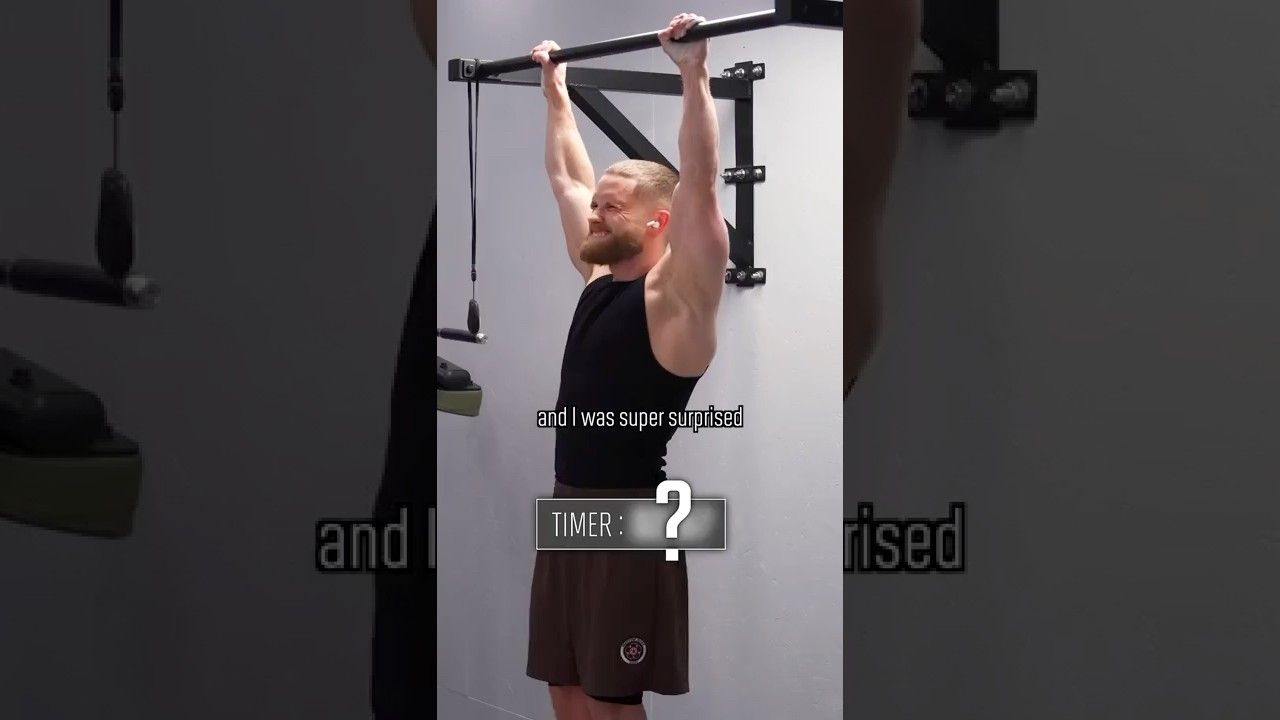
The most important takeaway is blunt: most people cannot hang for 30 seconds.
This framing treats the dead hang as a fast, honest test of grip strength, not a flashy trick. What makes the video’s perspective feel different is the emphasis on “small levers” that can change the outcome immediately, even on your first test.
Grip matters beyond the bar. Lower grip strength is associated with poorer health outcomes in large population studies, which is why it is often used as a general marker in research, even though it does not diagnose anything on its own (JAMA Network OpenTrusted Source).
Did you know? In a large analysis, lower handgrip strength was linked with a higher risk of death from all causes, which is one reason researchers treat grip as a meaningful fitness signal (The LancetTrusted Source).
What counts as “good”: time benchmarks you can use
The discussion highlights simple tiers that make the test feel measurable, not vague.
A useful investigative question: are you failing because your grip is giving out, or because you are leaking time through form, breathing, and swing?
How to test your max dead hang (the video’s exact method)
This method is basically a checklist for removing “hidden disadvantages” before you start.
Pro Tip: Film your attempt from the side. Swinging often feels minor in the moment, but shows up clearly on video and can quietly cut your time.
Safety, shoulder comfort, and smart progress
A dead hang loads your hands, elbows, and shoulders all at once. That can be productive, but it should not feel like sharp pain.
If you have a history of shoulder instability, recent injury, or nerve symptoms, consider checking with a clinician or physical therapist before max testing. Stop the set if you feel tingling, numbness, or a sudden pinch.
Important: Pain is not the same as effort. A burning forearm is common during a hard hang, but sharp shoulder pain or hand numbness is a reason to come down.
What the research shows: Resistance training can improve muscular strength and overall function, and grip work can be one small part of that bigger picture (CDC Physical Activity GuidelinesTrusted Source).
Key Takeaways
Frequently Asked Questions
- Q: Is the dead hang mainly a grip test or a shoulder test?
- A: This video frames it primarily as a **grip strength** test, but your shoulders and upper back also work to stabilize you on the bar. If your shoulders feel unstable or painful, it is reasonable to modify the test or get individualized guidance.
- Q: Why does chalk make such a big difference in hang time?
- A: Chalk can reduce moisture and slipping, so you waste less effort “re-gripping” the bar. Less slip often means you can delay your hardest squeeze until later in the attempt.
Get Evidence-Based Health Tips
Join readers getting weekly insights on health, nutrition, and wellness. No spam, ever.
No spam. Unsubscribe anytime.