Exploring the World's Smartest Gym: A Fusion of Fitness and Science
Summary
The video takes us on a tour of the world's smartest gym, designed to integrate advanced technology with fitness. The gym is divided into two sections: the 'light side' for traditional exercises and the 'dark side' focused on bodybuilding. It also features a muscle lab equipped with devices like DEXA and EMG for conducting scientific studies, highlighting the gym's commitment to merging fitness with scientific research.
🎯 Key Takeaways
- ✓The gym is divided into two sections: the light side and the dark side.
- ✓Advanced equipment like DEXA and EMG are used for scientific studies.
- ✓The light side focuses on traditional exercises, while the dark side emphasizes bodybuilding.
- ✓The gym represents a groundbreaking integration of fitness and scientific research.
Introduction to the World's Smartest Gym
The concept of the world's smartest gym is not just about having the latest equipment but about integrating scientific research into the fitness experience. As the video reveals, this gym has been in the making for two years, specifically designed to be the most scientific gym on the planet. This unique approach aims to bridge the gap between traditional fitness routines and cutting-edge scientific insights.
The Light Side: Traditional Fitness Meets Innovation
The gym is strategically divided into two main sections: the light side and the dark side. The light side is equipped with a variety of machines that cater to traditional exercises. Here, you find equipment such as the pendulum squat, prime leg extension, and the deadlift platform. Each piece of equipment is chosen to provide a comprehensive workout that balances strength and endurance. This section is designed to attract fitness enthusiasts who appreciate a blend of traditional exercises with modern equipment innovations.
Key Equipment on the Light Side
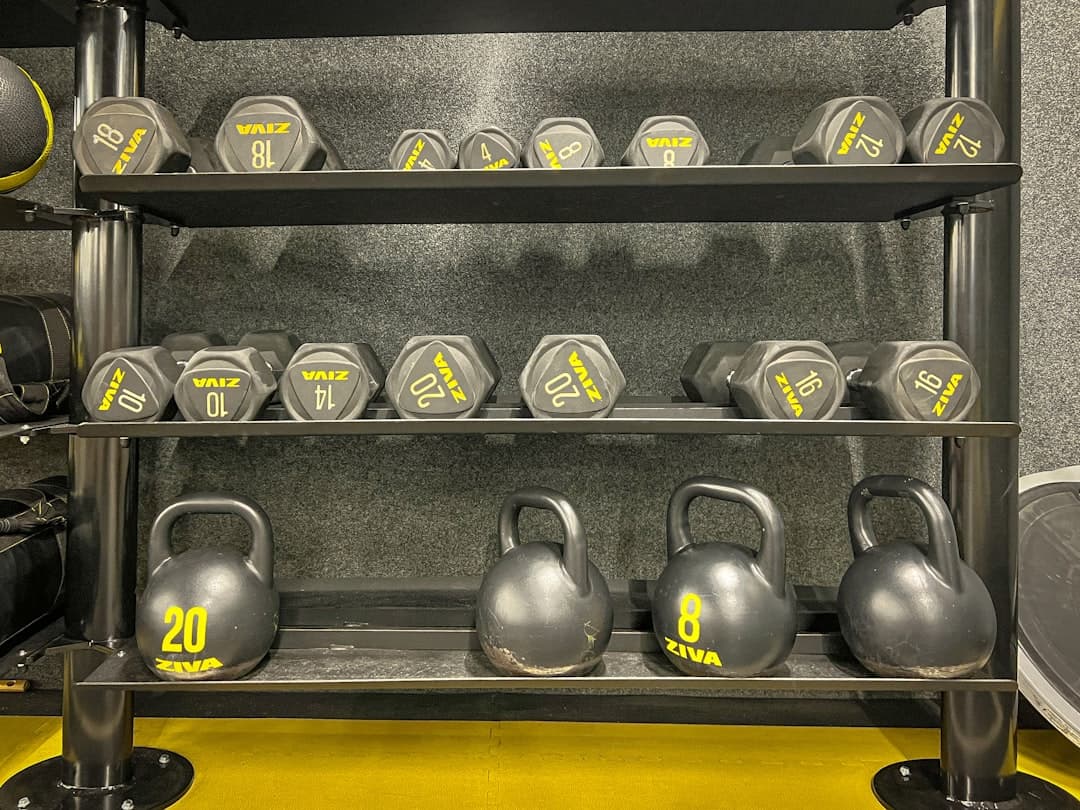
These machines are complemented by custom plates and dumbbells, allowing for personalized workouts that cater to individual fitness levels.
The Dark Side: A Bodybuilder's Paradise
In contrast, the dark side of the gym is more focused on bodybuilding and machine-centric workouts. This section includes equipment like the prime chest-supported machine row and the hammer strength chest press machine. It is designed for those who are serious about building muscle mass and improving physique through targeted exercises.
Focus on Muscle Isolation
This side of the gym caters to bodybuilders and those looking to engage in high-intensity, muscle-focused workouts.
Cutting-Edge Equipment: A Deep Dive
What truly sets this gym apart is the integration of state-of-the-art equipment that offers more than just physical exercise. The gym includes advanced machines like the seal row and the hammer strength pec deck, which are often used by professional athletes and trainers for their effectiveness in targeting specific muscle groups.
Did You Know? The seal row is particularly effective in isolating the posterior chain, which is crucial for balanced muscle development.
The Muscle Lab: Where Fitness Becomes Science
Perhaps the most groundbreaking feature of this gym is the muscle lab, which is equipped with devices such as DEXA (dual-energy X-ray absorptiometry), ultrasound, BIA (bioelectrical impedance analysis), and EMG (electromyography). These tools are not typically found in conventional gyms and represent a significant advancement in how fitness is approached.
Purpose of the Muscle Lab
This lab allows for personalized fitness assessments and the ability to conduct scientific studies to further understand the impacts of various exercises and routines on the human body.
Scientific Studies and Their Impact on Fitness
The integration of scientific equipment into the gym environment opens the door for conducting controlled studies on exercise efficacy and health outcomes. For instance, studies have shown that using DEXA scans can significantly enhance the accuracy of body composition measurements, providing more precise data than traditional methods.
Bridging the Gap: Fitness Meets Research
The gym's unique setup not only caters to fitness enthusiasts but also offers a platform for scientific exploration. By allowing for real-time data collection and analysis, this gym has the potential to contribute to scientific literature on exercise science significantly.
What the research shows: Integrating advanced technology in gyms can improve the accuracy of fitness assessments, as supported by research from Harvard Medical School.
Future Implications of Scientific Gyms
The concept of a scientifically integrated gym could redefine how people approach fitness and health. By providing a space where exercise routines are not only performed but also studied, this gym model could lead to more personalized and effective fitness strategies. As technology continues to evolve, the potential for innovation in fitness and health becomes limitless.
Key Takeaways
This gym represents a new frontier in fitness, merging traditional exercise with cutting-edge science to create a comprehensive approach to physical health and performance.
Frequently Asked Questions
- What is the light side of the gym focused on?
- The light side of the gym is focused on traditional fitness exercises, incorporating equipment like pendulum squat and prime leg extension for balanced workouts.
- What equipment is found on the dark side?
- The dark side features bodybuilding-focused equipment such as the prime chest-supported machine row and hammer strength chest press machine.
- How does the muscle lab enhance fitness?
- The muscle lab uses devices like DEXA and EMG to provide detailed body composition and muscle activation data, allowing for personalized fitness assessments.
- Why is scientific research important in fitness?
- Scientific research provides evidence-based insights that can improve exercise efficacy and lead to personalized fitness strategies.
- What future implications does a scientific gym have?
- Scientific gyms could revolutionize fitness by offering personalized, data-driven workouts and contributing to research in exercise science.
Get Evidence-Based Health Tips
Join readers getting weekly insights on health, nutrition, and wellness. No spam, ever.
No spam. Unsubscribe anytime.