Yoga vs Pilates for flexibility: which is better?
Summary
Yoga and Pilates can both improve flexibility, but they tend to do it in different ways. Yoga often emphasizes longer holds and joint range of motion, while Pilates typically builds controlled mobility by strengthening the muscles that support your movement. The better choice depends on whether you want deeper stretching, more stability, or a mix of both.
The Quick Take (what “better” usually means)
Flexibility is not just “how far you can stretch.” It is also how well you can control that range.
Yoga often targets stretch tolerance and end-range positions through sustained poses, breathing, and relaxation. Pilates often targets “usable” flexibility by improving alignment, trunk control, and strength so you can move more freely without feeling unstable.
If you are mainly chasing bigger range of motion in hips, hamstrings, or shoulders, yoga may feel like the faster match. If you are stiff because you feel weak, wobbly, or you compensate when you move, Pilates may unlock flexibility by improving control.
How yoga typically improves flexibility
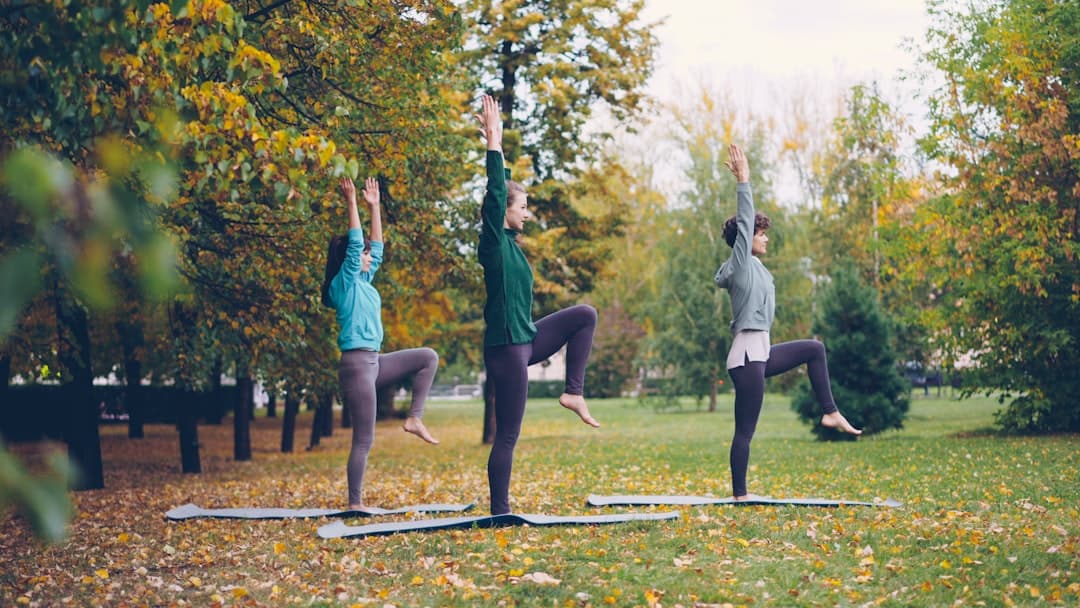
Many yoga styles use longer holds, repeated exposure to end-range positions, and breath-focused downshifting to reduce guarding. When your nervous system feels safer, muscles often allow more length.
Yoga can also be a practical way to accumulate time in stretching positions without needing equipment. You are essentially practicing your joints at the edges of their range, which can improve comfort there over time.
Some styles are gentler and slower, others are more athletic. That matters for flexibility because a fast, flow-based class may spend less time in sustained holds, while a slower class may emphasize them.
Pro Tip: If your goal is flexibility, choose classes that include longer holds (or add 30 to 60 seconds of calm breathing at the end of a pose). For many people, intensity is less important than consistency.
How Pilates typically improves flexibility
Pilates often improves flexibility indirectly by improving strength, coordination, and positioning. When you can stabilize your pelvis, ribcage, and shoulder blades, your limbs frequently move through a bigger range with less “pinching” or strain.
A common example is hamstring tightness. Sometimes it is true muscle shortness, but often it is your body limiting motion because the spine and pelvis are not well supported. Pilates drills that reinforce trunk control can make straight-leg movements feel easier, even before you do much stretching.
Pilates also tends to be very cue-heavy. Instructors frequently coach movement quality and how to stack joints Biomechanically, which can help you find range you already have but cannot access well.
Equipment-based Pilates can add spring resistance and support. That can be helpful if you need assistance to explore range safely, or if you respond well to strength work as the gateway to mobility.
Key differences that matter for flexibility
Both methods can work. The trade-offs are mostly about how the flexibility is earned and how it feels in your body.
Which is better for your situation?
If you want a simple decision rule, use your current limiter.
Important: Avoid forcing range of motion, especially with bouncing stretches or strong hands-on adjustments. If a pose or exercise causes sharp pain, numbness, tingling, or a feeling of joint “giving way,” stop and check in with a healthcare professional.
Getting results: a practical plan (without overdoing it)
For flexibility, consistency usually beats intensity.
Try choosing one primary method for 6 to 8 weeks, then reassess. With yoga, that might mean repeating a similar class style so your body practices the same patterns. With Pilates, that might mean progressing gradually from basic control to larger ranges.
A blended approach is common and often works well. Pilates can build the stability that makes yoga feel better, and yoga can provide the longer stretching exposure that some Pilates programs do not emphasize.
If you enjoy the environment, you are more likely to keep going. And that may be the biggest “secret” ingredient, along with Social Support from a class community.
Frequently Asked Questions
- Can I do yoga and Pilates on the same day?
- Many people can, especially if one session is lower intensity. A common approach is Pilates first for control and alignment, then gentle yoga later for relaxation and longer holds. If you notice increasing soreness or joint irritation, separate sessions by a day or shorten one of them.
- Is yoga or Pilates better for lower back tightness?
- It depends on why your back feels tight. If tightness is driven by stress or general stiffness, gentle yoga may help you relax and move more comfortably. If tightness shows up with movement or exercise and you feel unstable, Pilates-style trunk and hip control may be a better first step, consider checking with a clinician if symptoms persist.
- Do I need to be flexible before starting yoga or Pilates?
- No. Both can be scaled for beginners using props, smaller ranges of motion, and modified positions. The key is to avoid forcing end-range positions and to prioritize steady breathing and good form.
- How do I know if I am stretching too much?
- A strong stretch sensation is common, but sharp pain, tingling, numbness, or lingering joint soreness are warning signs. If you feel worse for more than a day or two after sessions, reduce intensity and talk with a qualified instructor or healthcare professional about modifications.
Get Evidence-Based Health Tips
Join readers getting weekly insights on health, nutrition, and wellness. No spam, ever.
No spam. Unsubscribe anytime.