Posture Check: A 30-Second Reset for Neck Relief
Summary
This video’s core message is simple and urgent: pause, look at your body right now, then fix your posture in seconds. The “string from the top of your head” visualization helps you stack your head, ribcage, and pelvis more comfortably, then you add an easy breath to lock it in. The vibe is playful (“magic man” pulling you up), but the aim is serious: less neck and back soreness, easier breathing, better mobility, and yes, looking more confident while doom scrolling. Use it as a quick reset, not a rigid pose.
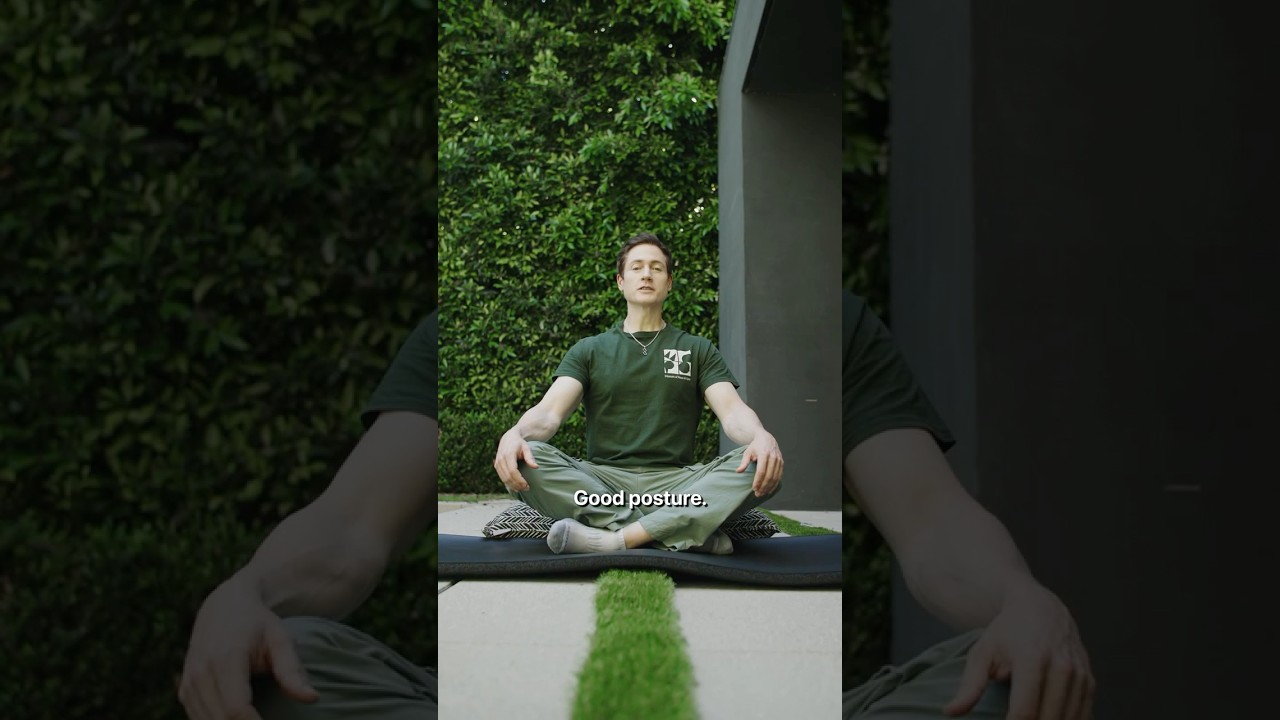
The big takeaway: you can change how you feel in your neck and back in under a minute, starting with one honest glance at your posture.
That is the whole energy of this “posture check”, it interrupts autopilot, gives you a simple cue, then sends you back to your life (yes, even doom scrolling) with a taller, calmer setup.
The 10-Second Posture Check (Do It Right Now)
Stop what you are doing and look at yourself.
Are you folded forward, chin drifting out, shoulders rounding, back aching, neck sore? The video’s point is blunt: if you feel that familiar tightness, your posture may be a big part of the story.
Here is the quick self-scan the speaker is pushing you to do:
Pro Tip: If you can only fix one thing, start with the head. A small “chin back” adjustment can make the rest feel easier.
The “String Through Your Head” Cue: Why It Works
The signature move in the video is a visualization: imagine a string at the top of your head running down through your spine.
Then the funny part, a “little magic man” pops in and gently pulls you up. It is supposed to “tickle”, because the cue is about lengthening (think tall), not bracing (think rigid).
This perspective is useful because it avoids a common mistake: forcing “perfect posture” by squeezing shoulder blades and over-arching the low back. Instead, the string cue encourages a more neutral, stacked alignment that many people can access quickly.
Did you know? Slumped sitting can reduce lung function measures in some people, while a more upright position may support breathing mechanics, according to research summarized in sources like the National Library of MedicineTrusted Source.
How to Do the Video’s Reset While Doom Scrolling
You do not have to stop your day. You just have to stop collapsing into it.
A simple 3-step reset
Important: If sitting taller causes sharp pain, numbness, tingling, dizziness, or symptoms down an arm, stop and consider checking in with a clinician.
What Better Posture May Change (Breathing, Blood Flow, Pain)
The video rattles off benefits with confidence: better blood flow, improved breathing, less neck and back pain, improved joint mobility, plus the not-so-medical bonus, you will “look sweet” with “badass posture.”
Some of these claims are hard to measure in a single moment, but the direction makes sense. More upright posture can reduce sustained strain on neck and upper back tissues, and it may allow the ribcage and diaphragm to move more freely for breathing. Workplace ergonomics guidance often emphasizes neutral posture and frequent movement breaks for comfort and musculoskeletal health, including recommendations from organizations like NIOSHTrusted Source.
What the research shows: Ergonomic interventions and posture education may help some people with discomfort, especially when paired with regular movement and workstation adjustments, as discussed in overviews from the Cochrane LibraryTrusted Source.
Expert Q&A: Making the cue safe and realistic
Q: Is “sitting up straight” always better for my back?
A: Not always. Many people do best with a comfortable neutral posture that changes throughout the day. Holding any position rigidly, even an upright one, can still lead to fatigue and soreness.
A practical goal is frequent micro-resets, like the video’s string cue plus a breath, and then regular movement breaks. If pain persists or you have symptoms like numbness or weakness, it is worth discussing with a health professional.
Jordan Lee, MD, Family Medicine
Q: Why does my neck feel sore when I try to fix my posture?
A: If you have been forward-head for hours, returning to a stacked position asks underused muscles to work again. That can feel like effort or mild fatigue at first.
Aim for gentle adjustments, not force. The “magic man pulling you up” idea is helpful because it encourages length and ease. If you get sharp pain, headaches, or arm symptoms, stop and get medical guidance.
Priya Nandakumar, DO, Physical Medicine and Rehabilitation
Key Takeaways
Frequently Asked Questions
- How often should I do a posture check during phone use?
- A helpful starting point is to do a quick reset whenever you notice slumping or discomfort, or every 10 to 20 minutes as a reminder. Small, frequent adjustments are often easier to maintain than one big correction.
- Should I pull my shoulders back hard to improve posture?
- Usually no. Many people do better by thinking “tall through the head” and letting the shoulders relax down and slightly back, rather than squeezing. If you are unsure, a physical therapist can help tailor cues to your body.
- Can better posture help my breathing?
- It may. A more upright position can give the ribcage and diaphragm more room to move, which can make breathing feel easier for some people. If you have ongoing shortness of breath, seek medical evaluation.
Get Evidence-Based Health Tips
Join readers getting weekly insights on health, nutrition, and wellness. No spam, ever.
No spam. Unsubscribe anytime.