Women, Science, and Detox Criticism Online
Summary
Why do women who talk about detox, cleansing, or fasting get attacked for how they look? This video frames online criticism as a gendered double standard: women are pushed toward Botox, fillers, and makeup expectations, while men are judged more on their work and rarely asked to “prove it” with references. The discussion also highlights a common tactic in nutrition debates, dismissing evidence by saying the messenger “doesn’t look healthy.” Below are practical, action-oriented ways to evaluate detox claims, respond to comment culture, and keep your health choices grounded in data and self-respect.

How do you keep talking about detox, cleansing, or fasting when the comments are not about your evidence, they are about your face?
That question sits at the center of this video, and the answer is not a perfect “comeback.” It is a shift back to values, science, and boundaries.
Why do detox and fasting posts trigger appearance attacks?
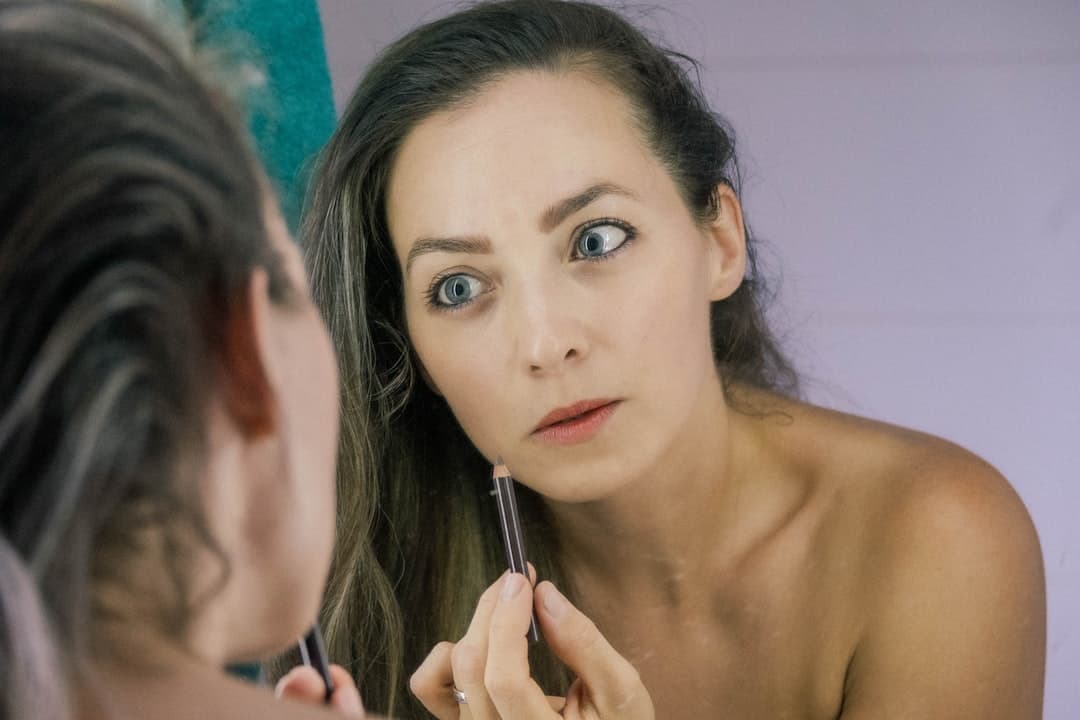
The discussion starts with a familiar moment: reading “crappy comments” about appearance, then immediately wondering, “Do I need Botox and fillers?”
What is striking is the internal tug-of-war. The speaker describes herself as a “normal woman” aging, someone who does not want Botox, fillers, or even makeup because it does not fit her life. Yet the comments still have power, not because they are accurate, but because they aim at identity.
This framing matters in detox culture, where “looking healthy” is often treated like proof. But visible appearance is a noisy signal, it does not reliably tell you someone’s lab values, diet quality, stress load, sleep, or medical history.
Pro Tip: If comments push you toward a decision that conflicts with your values (like cosmetic procedures you do not want), pause. Make one rule: no health or beauty decisions within 24 hours of reading criticism.
The double standard: work vs looks, data vs “prove it”
A key insight here is the gendered contrast: if she were a man “going against the grain,” she believes she would not get the same appearance-driven attacks.
The conversation broadens beyond detox, pointing to red-carpet coverage where women are interrogated about outfits and bodies, while men are asked about their work. Online, that dynamic can show up as a demand that women provide “scientific references” to defend positions, even when they are already sharing evidence.
When fasting debates turn personal
The speaker gives a concrete example: when she counters fasting narratives, people respond, “Why would I follow her, she doesn’t look healthy, I’m going to just keep fasting.” The argument is clear: this is not about her opinion, it is about data.
Did you know? About 1 in 3 women report experiencing online harassment, and women are more likely to be targeted with sexualized or appearance-based abuse in many settings (Pew Research CenterTrusted Source).
How to evaluate detox and fasting claims without getting derailed
You can respect the speaker’s core point, focus on science, without pretending every detox claim is equal.
What the research shows: Intermittent fasting can help some people reduce weight or improve metabolic markers, but results vary and it may not be appropriate for everyone, especially those with a history of eating disorders or during pregnancy (National Institute of Diabetes and Digestive and Kidney DiseasesTrusted Source).
Protect your mental health while staying evidence-led
The video normalizes how hard it is to ignore comments, even when family says, “Don’t pay attention.”
Try a simple, action-oriented plan:
Q: If someone says “you don’t look healthy,” does that disprove your detox or fasting point?
A: Not by itself. Appearance is not a medical assessment, and it does not address the quality of the evidence.
A more useful move is to ask what outcome is being discussed (energy, labs, symptoms, sustainability) and what data supports the claim.
Health educator perspective (non-diagnostic)
Key Takeaways
Frequently Asked Questions
- Is a detox or cleanse necessary for most people?
- For many people, the body already has effective systems for processing and removing waste, mainly through the liver and kidneys. Many commercial detox programs rely on vague claims, so it helps to check guidance from reputable health organizations and talk with a clinician if you have medical conditions.
- How can I tell if fasting is becoming unhealthy for me?
- Warning signs can include dizziness, fainting, obsessive thoughts about food, binge-restrict cycles, or worsening mood and sleep. If you have diabetes, are pregnant, take certain medications, or have a history of eating disorders, it is especially important to consult a clinician before fasting.
Get Evidence-Based Health Tips
Join readers getting weekly insights on health, nutrition, and wellness. No spam, ever.
No spam. Unsubscribe anytime.