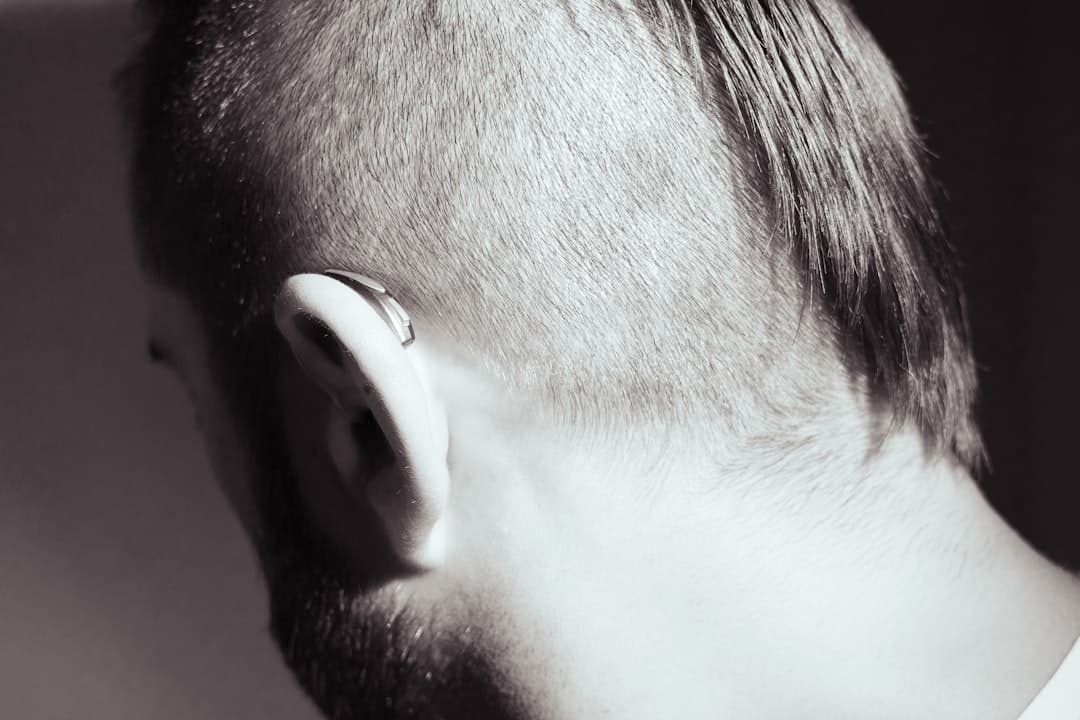
Hearing Loss and Dementia Risk: Practical Steps
Summary
Hearing loss is not just an “ear problem”, it can change how the brain works day to day. This video’s core message is action-oriented: hearing loss may be the largest modifiable risk factor for dementia, partly by reducing social engagement and partly by forcing the brain into “cognitive overload” just to decode sound. The good news is that many steps are practical, like getting tested (often starting around age 50), protecting your ears from loud noise, reviewing ototoxic medications with a clinician, and using hearing aids when needed to help reduce future cognitive decline risk.
🎯 Key Takeaways
- ✓Hearing loss may account for a meaningful portion of dementia risk, some estimates suggest about 9%, and it is often framed as the largest modifiable risk factor.
- ✓Two pathways matter: less social and cognitive stimulation, plus “cognitive overload” where the brain works harder to decode muffled sound.
- ✓Know the early signs, like needing repeats, turning up the TV, struggling on the phone, or withdrawing from conversation due to effort or embarrassment.
- ✓Act early: consider hearing screening around age 50, and sooner if you have symptoms, loud-noise exposure, or certain medications.
- ✓Noise protection is specific: active noise cancelling helps steady background noise, but sudden spikes (like gunshots) require passive protection like earmuffs.
- ✓Hearing aids do not reverse past cognitive decline, but research suggests they may reduce progression and support engagement going forward.
The biggest takeaway: protect hearing to protect brain function
Hearing loss is not just about turning the TV up.
This perspective frames hearing as a brain health issue, because reduced hearing can change how much information your brain processes each day, how socially connected you feel, and how hard your brain has to work just to follow a conversation. In the video, the clinicians call hearing loss arguably the most important item in their dementia risk reduction series, citing estimates that hearing loss may contribute about 9% of dementia risk.
That number is attention-grabbing, but the practical point matters more: hearing is a modifiable risk factor for many people. You cannot control every dementia risk, but you can notice hearing changes early, test them, protect your ears from preventable damage, and use hearing support sooner rather than later.
Did you know? Some research estimates that addressing hearing loss could meaningfully reduce dementia cases at a population level. A major commission on dementia prevention included hearing loss among the leading modifiable risk factors for dementia, especially in midlife (The Lancet CommissionTrusted Source).
Why hearing loss can affect dementia risk (two brain pathways)
The key insight here is that hearing loss can reshape brain workload.
The discussion highlights two main mechanisms that can connect hearing loss to cognitive decline. Neither mechanism requires “mystery damage”, they are grounded in how brains allocate attention, memory, and social processing.
Pathway 1: less social engagement, less cognitive stimulation
When people cannot hear well, they often participate less. Conversations become tiring, embarrassing, or frustrating, especially in groups or noisy rooms. Over time, that can lead to fewer social interactions, fewer spontaneous conversations, and less day-to-day cognitive stimulation.
That matters because social engagement is one of the brain’s most consistent forms of exercise. You are tracking context, reading facial cues, recalling names, interpreting jokes, and updating memory in real time. When hearing loss reduces that input, the brain may get fewer “reps” of complex processing.
This framing aligns with broader research linking social isolation and reduced cognitive engagement with dementia risk (National Institute on AgingTrusted Source).
Pathway 2: cognitive overload (your brain works harder just to hear)
The second mechanism is almost the opposite problem.
Instead of “not enough stimulation,” the brain may be working too hard on the wrong task. If sound is muffled or missing certain frequencies, your brain has to strain to decode speech. That effort can pull resources away from memory formation and higher-level processing. In the video, this is described as cognitive overload, where areas of the brain that would otherwise support complex thinking get rerouted to do basic sound processing.
A helpful way to picture it is the Goldilocks idea mentioned in the discussion: too little input is not great, and too much effortful decoding is not great either. You want hearing that is “just right” so your brain can spend its energy on understanding and remembering, not merely guessing what was said.
What the research shows: Studies have found associations between hearing loss and increased risk of cognitive decline and dementia, and there is growing evidence that hearing intervention may help reduce cognitive decline over time (NIH, hearing aids and cognitionTrusted Source).
How hearing works and what changes with age
Sound is a wave in air, but your brain experiences it as meaning.
The video breaks hearing down into a simple chain: sound waves enter the ear, create mechanical movement, then specialized cells convert movement into nerve signals. Those signals travel to the brain, where speech and environmental sounds are interpreted.
A central detail is the role of stereocilia, tiny hair-like structures in the inner ear that help convert sound vibration into neural signals. With age, these delicate structures can bend or break. Once enough of them are damaged, hearing becomes less sharp, especially for certain pitches.
Age-related hearing loss has a name: presbycusis (also spelled presbyacusis). It is extremely common. The video cites estimates that around 1 in 3 people over 65 experience hearing loss, and by 75, it may be 1 in 2.
Hearing loss is also not one single thing. The discussion emphasizes three categories:
That distinction matters because the “fix” depends on the type. Wax removal can help conductive loss, but it will not fix age-related stereocilia damage.
Early signs you or a loved one might be missing sound
Hearing loss often shows up as a behavior change before it shows up as a complaint.
The video’s signs are practical and easy to watch for at home. Some are obvious, and some are subtle.
One more nuance is worth keeping in mind. There is a difference between hearing sound and listening to content. If someone “hears but does not listen,” that is a different issue. But if they cannot reliably detect or decode speech, that is a hearing problem worth testing.
Pro Tip: If you suspect hearing loss, try changing the environment before changing the person. Turn off background TV, face each other, and speak clearly at a normal pace. If understanding improves a lot, hearing may be part of the issue.
Get tested: when to screen, and what the test actually measures
If you notice signs, the next step is simple: get tested.
The video recommends formal hearing testing with an audiologist, a specialist trained to measure hearing across a range of frequencies and volumes. In a typical evaluation, you listen to tones and speech at different pitches and loudness levels, and the results are mapped as an audiogram.
When should you get your hearing checked?
This viewpoint is straightforward and action-oriented:
There is no single perfect age for everyone, but the logic is strong: hearing loss can be gradual, and people often adapt without realizing how much they are missing.
Important: Sudden hearing loss, one-sided hearing changes, severe ear pain, drainage, or new neurologic symptoms should be evaluated urgently by a clinician. These patterns can signal problems that need prompt assessment.
Before vs after: what testing can change
Before testing:
You might assume you are “just getting older,” avoid restaurants, nod along in conversations, or feel mentally drained after social events.
After testing:
You have a measurable baseline, a clearer sense of whether loss is mild or significant, and concrete options. Even small interventions, like better hearing protection or adjusting earbud volume, become easier when you know your starting point.
Preventable damage: noise exposure, earbuds, and protection options
Age-related changes are not fully preventable. Noise-related damage often is.
A major theme in the video is that everyday sound exposure can injure stereocilia over time. Worksites, power tools, concerts, and earbuds can all add up.
How loud is too loud?
The discussion uses decibels (dB) as a practical guide. A key threshold mentioned is:
They note that the decibel scale is logarithmic, so small increases represent big jumps in intensity. The video also points out that 100 dB can cause damage with much shorter exposure.
For context, occupational guidance from the U.S. National Institute for Occupational Safety and Health (NIOSH) uses an 85 dBA recommended exposure limit averaged over 8 hours, with less safe time as volume increases (CDC/NIOSH noise guidanceTrusted Source).
The 60/60 earbud rule
One of the most usable tips in the video is the 60/60 rule:
The mechanism matters. The video compares hair cell strain to a rubber band. With moderate stretch and enough rest, it can recover. With too much stretch for too long, it deforms and does not return to normal.
That analogy captures what many people experience after loud noise: temporary muffling or ringing that improves. The goal is to avoid pushing the system into the “cannot bounce back” zone.
Option A vs Option B: active noise cancelling vs passive protection
Noise protection is not one-size-fits-all. The video makes a clear comparison.
Option A: Active noise cancelling (ANC)
ANC headphones and earbuds use microphones to detect incoming sound and produce an opposite-phase signal to cancel it. This works well for steady background noise, like airplane engine hum.
But ANC has a limitation: it is not fast enough for sudden spikes.
Option B: Passive protection (earmuffs or earplugs)
Passive protection physically blocks sound. The video highlights the big earmuffs used around aircraft and loud machinery.
These are better for sudden, intense noise, like gunshots or other sharp spikes, because they do not rely on processing time.
Quick Tip: If you are using power tools or a chainsaw, pair eye protection with ear protection. It is a small habit that prevents two common injuries at once.
Medication and medical factors that can harm hearing
Some hearing loss is not from age or noise. It can be medication-related.
The video highlights “ototoxic” drugs, meaning medications that can damage hearing. This does not mean these medications are “bad.” It means they carry a known risk, and the decision often involves weighing benefits against side effects.
Here are the categories named in the discussion:
If you take any of these, do not stop them on your own. Instead, consider a targeted conversation: “Does this medication affect hearing, and should I monitor my hearing?” In many cases, clinicians can adjust dose, duration, or monitoring.
Beyond medication, the video also calls out two everyday medical factors:
A useful rule from the discussion: If it is smaller than your elbow, do not put it in your ear.
For safe earwax guidance, many clinical resources recommend avoiding cotton swabs in the ear canal and seeking help if wax is causing symptoms (American Academy of Otolaryngology, earwax guidanceTrusted Source).
Expert Q&A
Q: Can hearing loss be mistaken for dementia?
A: Yes, it can look that way from the outside. If someone cannot hear well, they may answer incorrectly, withdraw from conversation, or seem “checked out,” which can be misread as memory loss.
Getting hearing assessed is a practical step when cognitive concerns arise, especially if family members notice frequent misunderstandings or disengagement in noisy settings.
Talking with Docs clinicians (Dr. Bradley, Dr. Paul Zozal)
After hearing loss is confirmed: hearing aids and real-world wins
Once you know you have hearing loss, you have options.
The video emphasizes that modern hearing aids are improving rapidly. Many are subtle, some are nearly invisible, and there is a wide range of price points. They also note that some commercially available earbuds can function like hearing assistance devices for certain users.
One message is especially important for expectations: hearing aids are not presented as a way to reverse cognitive decline that has already occurred. Instead, the argument is that better hearing can help reduce future risk or slow progression by restoring engagement and reducing cognitive overload.
This aligns with emerging research. For example, a large NIH-funded study reported that hearing aids reduced cognitive decline in older adults at high risk for dementia (NIH Research MattersTrusted Source).
A simple action plan you can start this week
This is the “you are in charge of your own health” part of the video, translated into steps.
Do a quick self-check in real life. Notice if you struggle more in restaurants, on the phone, or when people speak from another room. Ask a trusted person if they think you miss parts of conversation.
Schedule a hearing test, especially if you are over 50 or have symptoms. The goal is not to label you, it is to get a baseline and options.
Lower noise exposure in the places you control. Use the 60/60 rule for earbuds, take listening breaks, and keep an eye on loud hobbies.
Use the right protection for the right sound. ANC for steady background noise, passive earmuffs or plugs for loud tools and sudden spikes.
Review medications with your clinician or pharmacist. Ask specifically about ototoxicity if you use aminoglycosides, cisplatin, diuretics like furosemide, or frequent NSAIDs.
If hearing aids are recommended, treat them like glasses, not a verdict. They are tools to reduce strain and support participation.
»MORE: Consider creating a one-page “Hearing Health Checklist” for your fridge, including your last hearing test date, your usual earbud volume limit, and which rooms in your home need lower background noise.
Expert Q&A
Q: If I get hearing aids, will they prevent dementia?
A: No single tool can guarantee prevention. The more realistic goal is risk reduction, preserving communication, and reducing the mental effort of listening so your brain can spend energy on memory and understanding.
If you are considering hearing aids, it is reasonable to ask your audiologist about realistic benefit, comfort, and how to use them consistently in the situations that matter most to you.
Talking with Docs clinicians (Dr. Bradley, Dr. Paul Zozal)
Key Takeaways
Frequently Asked Questions
- What are the earliest signs of hearing loss that families notice?
- Common signs include needing frequent repeats, turning the TV up louder than others prefer, struggling on the phone, and becoming quieter in group conversations. Withdrawal can be driven by effort and embarrassment, not just mood.
- At what age should adults start getting hearing tests?
- The video suggests that starting around age 50 is a reasonable approach even without symptoms. If you have symptoms, loud-noise exposure, or certain medications, it is sensible to test sooner.
- Do noise-cancelling headphones protect your hearing?
- They can help by reducing steady background noise, which may keep you from turning volume up. But they are not reliable protection for sudden loud spikes, which is where passive earplugs or earmuffs are usually more appropriate.
- Which medications can affect hearing?
- The video highlights aminoglycoside antibiotics, cisplatin chemotherapy, certain diuretics like furosemide (Lasix), and NSAIDs as potential ototoxic medications. If you use these, ask your clinician or pharmacist whether hearing monitoring makes sense.
- Can hearing loss be confused with dementia?
- Yes. When someone cannot hear well, they may seem disengaged or answer incorrectly, which can look like a memory problem. Checking hearing is a practical step when cognitive concerns arise.
Get Evidence-Based Health Tips
Join readers getting weekly insights on health, nutrition, and wellness. No spam, ever.
No spam. Unsubscribe anytime.