Elderly Health: Complete Guide
Elderly health focuses on preventing decline, maintaining independence, and improving quality of life as the body and brain change with age. This guide covers the biology of aging, evidence-based habits, screening and medication safety, and practical steps families can use to support healthy aging day to day.
What is Elderly Health?
Elderly health refers to the unique medical, functional, and emotional considerations that become more common with older age. It is not just “treating diseases.” It is an approach that prioritizes function, independence, safety, comfort, and quality of life, while also preventing avoidable illness and disability.A key difference between elderly health and general adult health is that older adults often live with multiple chronic conditions at once (for example, hypertension plus arthritis plus hearing loss). These conditions interact with each other and with medications, sleep, nutrition, mobility, and social support. As a result, the best plan is usually personalized and goal-driven, based on what matters most to the person: staying in their home, walking without pain, driving safely, seeing grandchildren, or minimizing hospital visits.
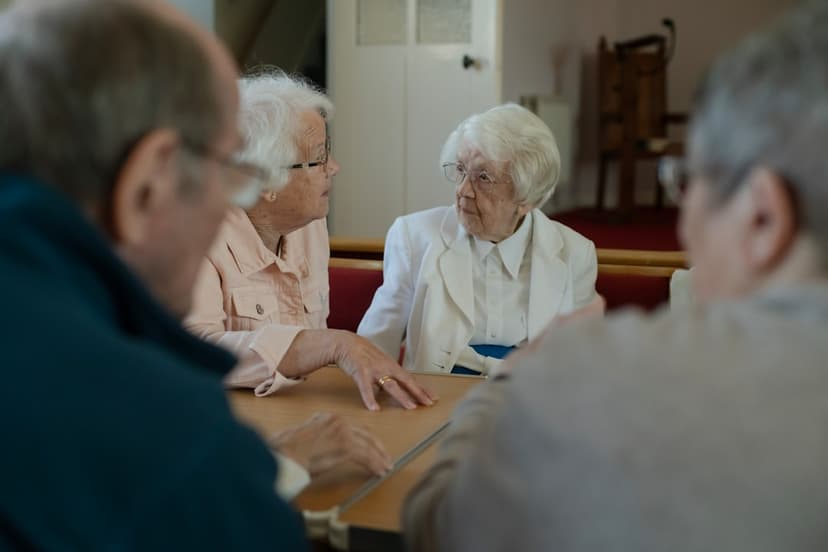
Elderly health also includes emotional and social dimensions. Loneliness, grief, anxiety about decline, caregiver stress, and changes in identity after retirement can affect physical health as strongly as many “medical” problems.
> Callout: In older age, “healthy” often means stable function and fewer bad days, not perfection. Progress is measured in safer mobility, fewer falls, better sleep, manageable pain, and more meaningful connection.
How Does Elderly Health Work?
Elderly health “works” by addressing the biological changes of aging and the real-world factors that determine whether those changes lead to disability. Aging is not one process. It is a combination of shifts across nearly every organ system, plus the cumulative effect of lifestyle, environment, and healthcare.Core biological mechanisms of aging relevant to health
1) Reduced physiologic reserve Older bodies generally have less “buffer.” A minor infection, dehydration, medication change, or poor night of sleep can trigger disproportionate symptoms like confusion, weakness, or falls.2) Muscle loss and strength decline (sarcopenia) After midlife, muscle mass and power tend to decline, especially without resistance training and adequate protein. This affects balance, walking speed, ability to rise from a chair, and resilience after illness.
3) Bone density loss and fracture risk Bone remodeling changes with age. Osteopenia and osteoporosis increase risk of hip, spine, and wrist fractures, especially after falls.
4) Vascular and metabolic changes Arteries stiffen, blood pressure patterns shift, and insulin sensitivity can worsen. These changes influence cardiovascular disease, stroke risk, kidney function, and cognitive health.
5) Brain and nervous system changes Processing speed slows, sleep architecture changes, and sensory input (hearing and vision) often declines. Importantly, hearing loss and untreated vision problems can accelerate social withdrawal and cognitive strain.
6) Immune system remodeling (immunosenescence) Older adults may have weaker responses to new infections and vaccines, alongside more chronic low-grade inflammation. This contributes to infection risk and slower recovery.
Geriatric syndromes: when problems cluster
Many older-adult health issues are not single diseases. They are “geriatric syndromes” where multiple causes converge:- Falls: balance, medications, vision, neuropathy, blood pressure drops, home hazards
- Frailty: low strength, weight loss, exhaustion, slow gait, low activity
- Delirium: acute confusion triggered by infection, dehydration, pain, sleep disruption, new medications
- Incontinence: pelvic floor changes, medications, mobility limits, urinary tract issues
- Polypharmacy: side effects and interactions from multiple medications
Why function-based care matters
In elderly health, outcomes that matter most often include:- Ability to perform activities of daily living (bathing, dressing, toileting)
- Mobility and balance
- Pain control without excessive sedation
- Cognitive clarity and mood stability
- Social engagement and purpose
Benefits of Elderly Health
Elderly health practices provide benefits that are both immediate (feeling better now) and long-term (preserving independence). The strongest benefits come from combining medical prevention with daily habits and a safer environment.Better mobility, strength, and independence
Consistent strength and balance training can improve gait speed, reduce fear of falling, and increase ability to do daily tasks. Even in the 70s, 80s, and 90s, older adults can gain strength and function with appropriate programming.Lower risk of falls and fractures
Fall prevention is one of the highest-yield interventions in older adults. Addressing balance, footwear, vision, home hazards, vitamin D status when appropriate, and medication side effects can reduce falls. Preventing one serious fall can prevent a cascade of hospitalization, deconditioning, and loss of independence.Improved cardiovascular and metabolic health
Managing blood pressure, diabetes, and cholesterol remains valuable in older age, but goals should be individualized. Lifestyle interventions like walking, resistance training, and Mediterranean-style eating patterns can improve blood pressure, blood sugar stability, and energy.Better brain health and emotional well-being
Hearing treatment, regular physical activity, social connection, and good sleep hygiene are associated with better cognitive outcomes and mood. Treating depression and anxiety improves function and can reduce perceived pain.Fewer medication-related problems
Regular medication reviews can reduce dizziness, confusion, constipation, and falls. Deprescribing inappropriate medications can improve alertness and quality of life.Reduced hospitalizations and smoother recovery
When older adults maintain strength, nutrition, sleep, vaccination status, and chronic disease control, they are more resilient during acute illness. Recovery is often faster, and complications like delirium are less likely.> Callout: For many older adults, the most meaningful “benefit” is simple: more days without pain, dizziness, or exhaustion, and fewer disruptions from urgent care visits.
Potential Risks and Side Effects
Elderly health interventions are generally beneficial, but older adults have higher risk of adverse effects from overly aggressive treatment, medication changes, or unrealistic exercise plans. A balanced approach focuses on safety and personalization.Over-treatment and overly strict targets
- Blood pressure too low can cause dizziness, falls, and kidney issues, especially with dehydration.
- Overly tight glucose control can increase hypoglycemia risk, which can be dangerous and may present as confusion or weakness.
- Aggressive weight loss can worsen sarcopenia and frailty if muscle and protein are not protected.
Exercise-related risks
Exercise is protective, but risks rise when programs are not adapted.- Sudden high-intensity training can trigger injury.
- Poorly supervised balance work can increase fall risk.
- Osteoporosis requires modifications to avoid high-risk twisting or loaded spinal flexion.
Nutrition and supplement pitfalls
- Very low appetite can lead to protein and calorie deficits.
- Excess alcohol can worsen sleep, balance, and medication interactions.
- Supplements can interact with blood thinners, blood pressure medications, and sedatives.
Polypharmacy and medication side effects
Older adults metabolize drugs differently. Common problems include:- Sedation, confusion, and falls from sleep medications, benzodiazepines, some antihistamines, and certain pain medications
- Low sodium, dehydration, or blood pressure drops from diuretics
- Bleeding risk with anticoagulants when combined with certain supplements or NSAIDs
Cognitive and emotional risks if needs are ignored
Untreated hearing loss, depression, chronic pain, and loneliness can accelerate functional decline. Caregiver burnout can also lead to missed medications, poor nutrition, and unsafe living conditions.How to Implement Elderly Health (Best Practices)
Elderly health works best as a practical system: a few high-impact habits, regular screening, safer environments, and a plan for setbacks.1) Build the “mobility foundation”
Strength training (2 to 3 days/week) Focus on legs, hips, back, and grip.- Sit-to-stand variations
- Step-ups
- Supported squats or leg press
- Rows and presses with bands or machines
- Tandem stance near a counter
- Single-leg stands with support
- Heel-to-toe walking
Flexibility and joint-friendly movement Gentle mobility work can reduce stiffness and improve confidence.
2) Prioritize protein, hydration, and fiber
Older adults often need more protein per kilogram than younger adults to preserve muscle, especially during illness or recovery.Practical targets often used in geriatric nutrition (individualize with clinician guidance):
- Protein: commonly 1.0 to 1.2 g/kg/day for many older adults; higher needs may apply during recovery or for sarcopenia, while advanced kidney disease may require limits.
- Protein distribution: aim for meaningful protein at each meal (not all at dinner).
- Hydration: small, regular fluids; watch for diuretic timing and urinary urgency.
- Fiber: helps constipation, cardiometabolic health, and appetite regulation.
- Greek yogurt, cottage cheese
- Eggs
- Fish, poultry
- Tofu, beans, lentils
- Protein-fortified smoothies when appetite is low
3) Sleep and circadian rhythm support
Sleep tends to become lighter and more fragmented with age, and poor sleep increases pain sensitivity, fall risk, and mood symptoms.High-yield steps:
- Consistent wake time
- Morning outdoor light exposure
- Limit late-day caffeine
- Reduce alcohol near bedtime
- Treat sleep apnea when present
- Review sedating medications
4) Protect hearing and vision
Hearing and vision are not “optional” quality-of-life extras. They are safety tools.- Treat hearing loss when present (hearing aids, assistive devices)
- Avoid chronic loud noise exposure and use ear protection
- Keep up with vision checks and update prescriptions
5) Vaccines and infection prevention
Older adults benefit from staying current on:- Influenza vaccination (annual)
- COVID-19 vaccination per current public health guidance
- Pneumococcal vaccination per age and risk
- Shingles vaccination
- RSV vaccination for eligible older adults
6) Medication review and deprescribing
At least yearly, and after any hospitalization, request a structured medication review:- What is each medication for?
- Is it still needed?
- Is the dose appropriate for kidney function and age?
- Are there duplications?
- Are there high-risk sedatives or anticholinergic drugs?
7) Fall-proof the environment
Small changes can prevent catastrophic injuries:- Remove loose rugs and clutter
- Add night lights and motion lighting
- Install grab bars in bathroom
- Use non-slip mats
- Ensure stable footwear
- Consider physical therapy home safety evaluation
8) Plan for “bad weeks” and recovery
Older adults decondition quickly after illness. Have a recovery plan:- Early mobility, even short walks
- Protein and fluids prioritized
- Follow-up appointment after ER/hospitalization
- Watch for delirium signs (new confusion, sleep reversal, agitation)
Family and emotional support as part of the system
Your related article emphasizes that healthy aging is often a family project. Practical ways families can help without taking over:- Share a simple weekly routine (walk schedule, meal prep, medication check)
- Help set up hearing protection and hearing aid routines
- Track a small set of biomarkers and functional metrics (blood pressure, weight trends, walking tolerance)
- Make space for vulnerability, grief, reconciliation, and realistic goals like “less pain today”
What the Research Says
The evidence base for elderly health is broad and strong in some areas, mixed in others. The most supported strategies are not exotic. They are consistent movement, strength, fall prevention, vaccination, medication safety, and social and sensory health.Strong evidence areas
Exercise, especially strength and balance Large bodies of research show resistance training improves strength, function, and often balance. Multicomponent programs reduce falls, particularly when they include balance-specific training.Blood pressure management Trials in older adults support treating hypertension to reduce stroke and cardiovascular events, while also emphasizing individualized targets to avoid dizziness and falls, especially in frail adults.
Vaccination Real-world effectiveness studies consistently show reduced severe disease and hospitalization from influenza, COVID-19, pneumococcal disease, shingles, and RSV in older populations.
Hearing intervention and cognitive outcomes Recent high-quality studies suggest treating hearing loss can reduce cognitive decline trajectories in higher-risk older adults, likely by improving communication, reducing isolation, and lowering cognitive load.
Multifactorial fall prevention Evidence supports combining strength and balance training, medication review, vision correction, and home safety modifications.
Moderate or evolving evidence areas
Nutrition specifics (protein dose, supplements) Protein adequacy is strongly supported, but exact optimal dosing varies by health status. Evidence for supplements like vitamin D is mixed for fall prevention unless deficiency is present, and benefits depend on baseline levels and dosing.Biomarkers and longevity tracking Tracking can improve adherence and early detection, but the best biomarker set depends on goals. Over-testing can create anxiety and unnecessary procedures. Functional measures often predict outcomes better than many lab markers.
Cognitive training and “brain games” Some programs improve specific tasks, but broad real-world transfer is inconsistent. The strongest brain-health interventions remain physical activity, sensory correction, vascular risk management, sleep, and social engagement.
What we still do not know
- The best combination and intensity of interventions for very old adults with frailty
- How to personalize targets for blood pressure, glucose, and lipids across diverse functional levels
- Which multimodal programs most effectively prevent dementia across populations
Who Should Consider Elderly Health?
Elderly health principles apply to anyone in later life, but certain groups benefit most from a structured approach.Older adults living independently
Those who want to stay in their homes benefit from fall prevention, strength training, medication review, and proactive hearing and vision care.People with one or more chronic conditions
Hypertension, diabetes, heart disease, COPD, osteoarthritis, osteoporosis, and kidney disease all require coordinated care to avoid conflicting treatments and medication side effects.Adults after a hospitalization, surgery, or major illness
Post-hospital deconditioning and delirium risk are high. Early rehabilitation, nutrition, and medication cleanup can prevent long-term decline.People with early functional changes
Warning signs include slower walking, new difficulty with stairs, reduced grip strength, frequent near-falls, or fatigue that limits daily activities.Caregivers and families
Caregivers need tools to support routines without escalating conflict. Family involvement is often crucial for appointment coordination, home safety, and ensuring hearing and vision needs are addressed.Common Mistakes, Related Conditions, and Practical Alternatives
Elderly health often fails not from lack of effort, but from focusing on the wrong targets. This section highlights common pitfalls and better alternatives.Common mistakes
Mistake 1: Treating numbers instead of function Chasing perfect lab values while ignoring dizziness, falls, pain, or fatigue can backfire.Mistake 2: Skipping strength work Walking is excellent, but without resistance training, muscle and power often keep declining.
Mistake 3: Ignoring hearing loss Untreated hearing loss can look like cognitive decline and can worsen isolation.
Mistake 4: Over-relying on sleep medications Sedatives can increase falls and confusion. Behavioral sleep strategies and treating sleep apnea often provide safer benefits.
Mistake 5: Underestimating constipation and dehydration These can trigger delirium, urinary issues, appetite loss, and weakness.
Related conditions that commonly overlap
- Osteoporosis and vertebral compression fractures
- Osteoarthritis and chronic pain
- Depression and anxiety
- Mild cognitive impairment and dementia
- Sleep apnea
- Atrial fibrillation and anticoagulation management
- Chronic kidney disease affecting medication dosing
Practical alternatives when standard approaches are hard
- If gym-based training is not feasible: use bands, sit-to-stand routines, and step-ups at home.
- If appetite is low: use protein-dense snacks and smoothies, and treat dental issues or depression.
- If walking outdoors is unsafe: indoor mall walking, seated cycling, or supervised physical therapy.
- If socializing is difficult: structured groups (senior centers, faith groups), phone call routines, or volunteering roles with clear schedules.
Frequently Asked Questions
How often should an older adult see a doctor for preventive care?
Many benefit from at least an annual wellness visit plus condition-specific follow-ups. After medication changes, ER visits, or hospitalizations, an earlier review is often helpful to prevent side effects and functional decline.What are the most important “biomarkers” for elderly health?
Often the most useful are basic cardiometabolic markers (blood pressure, A1C if diabetic, lipids when relevant), kidney function, and anemia screening when indicated. Equally important are functional markers like gait speed, grip strength, fall history, and unintentional weight loss.Is it too late to start strength training at 80 or 90?
No. With appropriate supervision and gradual progression, older adults can gain meaningful strength and function. The safest starting point is often physical therapy or a structured senior-focused program.How can families help without taking away independence?
Agree on goals that matter to the older adult, keep routines simple, and offer support that preserves control, like shared calendars, ride coordination, home safety upgrades, and joint walks. Emotional support and respectful communication often improve adherence more than pressure.What are early warning signs that an older adult is declining?
Common signs include slower walking, new trouble rising from a chair, frequent near-falls, confusion during illness, missed medications, weight loss, and withdrawal from social activities. These should prompt a functional and medication review.Are supplements necessary for healthy aging?
Sometimes, but not universally. Supplements can help when there is a proven deficiency or a specific indication, but they can also interact with medications. Food-first nutrition, strength training, sleep, and vaccination usually provide the largest benefits.Key Takeaways
- Elderly health is a function-first approach that balances disease prevention with independence, safety, comfort, and emotional well-being.
- Aging reduces physiologic reserve, making falls, delirium, and medication side effects more common and more consequential.
- The highest-yield interventions are strength and balance training, fall-proofing the home, adequate protein and hydration, good sleep routines, and up-to-date vaccines.
- Medication review and deprescribing can reduce dizziness, confusion, constipation, and fall risk.
- Hearing and vision care are central to brain health, safety, and social connection.
- Targets for blood pressure, glucose, and weight should be individualized, especially in frailty or multiple chronic conditions.
- Families can improve outcomes by building simple routines, tracking practical metrics, and supporting the emotional realities of aging.
Glossary Definition
Health considerations specific to older adults, including physical and emotional aspects.
View full glossary entryHave questions about Elderly Health: Complete Guide?
Ask Clara, our AI health assistant, for personalized answers based on evidence-based research.