Time-Restricted Eating: Complete Guide
Time-restricted eating (TRE) is a simple way to align when you eat with your body’s daily rhythms by keeping calories within a consistent window each day. Done well, it can improve metabolic health, sleep timing, and appetite regulation without requiring calorie counting. This guide covers how TRE works, who it helps most, how to implement it, and where caution is warranted.
What is Time-Restricted Eating?
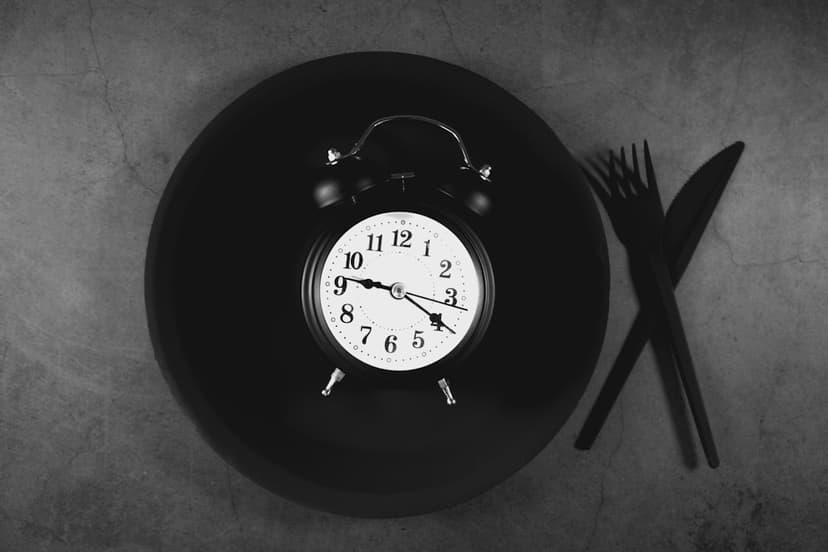
Time-restricted eating (TRE) is a dietary approach that limits all calorie intake to a consistent daily time window, such as 8 to 10 hours, while fasting (consuming no calories) for the remaining hours. Unlike many “fasting” plans, TRE is primarily about timing rather than deliberately reducing calories, eliminating food groups, or completing long multi-day fasts.TRE sits under the broader umbrella of intermittent fasting, but it is distinct from alternate-day fasting or periodic prolonged fasting. In practice, TRE usually means eating your usual foods within a set window (for example, 10:00 a.m. to 6:00 p.m.) and avoiding calories outside that window. Water, unsweetened tea, and black coffee are commonly allowed during the fasting period.
A key idea behind TRE is that the human body is not metabolically identical at all hours. Many processes that govern blood sugar control, fat metabolism, digestion, and sleep follow circadian rhythms. TRE aims to reduce “metabolic jet lag” by keeping eating times consistent and, often, earlier in the day.
> Callout: TRE is not automatically a low-calorie diet. Many people do eat less because the window is shorter, but the primary lever is consistency and circadian alignment.
How Does Time-Restricted Eating Work?
TRE works through several overlapping mechanisms. Some are behavioral (you have fewer opportunities to snack), and some are biological (your organs and hormones respond differently depending on time of day).Circadian biology and metabolic timing
Your central circadian clock (in the brain) and peripheral clocks (in the liver, gut, muscle, and fat tissue) coordinate daily cycles in hormone release, insulin sensitivity, digestion, and energy use. Eating late at night can send conflicting signals, especially when light exposure and sleep timing are already pushing the body toward “night mode.”In general, glucose tolerance and insulin sensitivity tend to be better earlier in the day for many people. Late eating can lead to higher post-meal glucose and triglyceride responses, poorer sleep quality, and a greater likelihood of continued snacking.
Insulin, glucose clearing, and time without calories
During the fasting portion of TRE, insulin levels typically fall, and the body shifts toward using stored fuels. This does not necessarily mean “deep ketosis,” but it often means less frequent insulin spikes and longer periods of lower circulating insulin.TRE can also improve glucose clearing after meals, especially when paired with light movement. A short walk after meals can increase muscle glucose uptake and blunt post-meal glucose excursions, which is one reason TRE is often combined with post-meal walking.
Appetite regulation and food environment
TRE can reduce late-night eating, which is a common driver of excess calories, ultra-processed snack intake, and alcohol consumption. Many people find that simply having a “kitchen closed” rule makes choices easier.Hormones involved in hunger and satiety (such as ghrelin, leptin, GLP-1, and others) can adapt to consistent meal timing. Over time, hunger often becomes more predictable and less “random,” particularly in the evening.
Sleep and recovery signaling
Eating close to bedtime can impair sleep via reflux, elevated body temperature, and ongoing digestion. Finishing calories 2 to 3 hours before bed often improves sleep continuity. Better sleep then feeds back into appetite control and insulin sensitivity.Inflammation and lipid patterns (why timing can matter)
Some people see lipid abnormalities (higher triglycerides, LDL, or remnant particles) even with “clean” diets and normal glucose markers. Inflammation and stress signaling can contribute to altered lipid handling, and lifestyle interventions that reduce inflammatory tone (sleep regularity, movement, reduced late-night eating) can be part of the solution.This matters because TRE is often implemented alongside improved sleep and consistent daily routines, not as a standalone trick. For individuals with inflammation-driven lipid changes, the timing benefits of TRE may help indirectly through better sleep and reduced late-night glycemic variability.
Benefits of Time-Restricted Eating
Benefits vary by person, schedule, and baseline health. TRE tends to work best when it is consistent, not extreme, and paired with adequate protein, fiber, and overall nutrient intake.Improved metabolic markers (especially when late-night eating is reduced)
Many studies and real-world programs show improvements in:- Fasting glucose and insulin (modest, variable)
- Post-meal glucose spikes (often improved when eating earlier)
- Triglycerides (often improved, especially with reduced evening intake)
- Blood pressure (small to moderate reductions in some people)
Weight loss or improved body composition (often via reduced intake)
TRE can lead to weight loss, but the mechanism is often behavioral: fewer eating occasions, fewer late snacks, and better appetite control. Some people maintain weight but improve waist circumference or body composition when TRE is paired with resistance training and sufficient protein.Better sleep timing and sleep quality
Finishing meals earlier and keeping a consistent eating window can reduce reflux and nighttime awakenings. Many people report falling asleep more easily when they stop calories 2 to 3 hours before bed.Simplicity and adherence
Compared with calorie counting, TRE is a single rule that can be easier to follow. It can also pair well with social eating if the window is chosen thoughtfully.Potential support for gut health and digestion
Some people experience less bloating and fewer GI symptoms when they stop grazing all day. A consistent daily rhythm of eating and fasting may support gut motility and reduce late-night reflux.> Callout: TRE is most effective when it improves your overall pattern: consistent timing, fewer late calories, adequate protein, high-fiber foods, and regular movement.
Potential Risks and Side Effects
TRE is not risk-free. The biggest problems occur when the eating window becomes too short, when people under-eat protein and micronutrients, or when TRE collides with medical conditions, medications, or life stage needs.Common side effects (usually transient)
- Hunger and irritability during the adaptation period
- Headaches (often related to dehydration, caffeine timing, or low sodium)
- Reduced training performance if workouts are far from meals
- Constipation if fiber and fluids drop
Under-eating protein and total calories
A shorter window can make it harder to meet protein needs, especially for older adults, athletes, and women in midlife who benefit from higher protein distribution across the day. If you compress eating too much, you may unintentionally reduce protein, calcium, iron, and overall energy.Sleep disruption if the window is too late or too early for your life
If TRE pushes your final meal too close to bedtime, sleep can worsen. Conversely, if you stop eating very early but stay up late, hunger can disrupt sleep and increase nighttime snacking risk.Stress response and hormonal strain in some individuals
Some people, particularly those who are already under high stress, sleeping poorly, training intensely, or eating too little, may feel worse on aggressive fasting schedules. For many women 40+, longer fasts or frequent breakfast skipping can make it harder to hit protein targets and may feel like an added stressor.Disordered eating risk
If you have a history of disordered eating, rigid food rules can be triggering. TRE can become compulsive or lead to binge patterns if the window feels restrictive.Who should be especially cautious
TRE may require medical guidance or may not be appropriate for:- Pregnancy and breastfeeding
- Individuals with a current or past eating disorder
- People with diabetes using insulin or sulfonylureas (hypoglycemia risk)
- People with a history of frequent hypoglycemia
- Underweight individuals or those with unintentional weight loss
- Adolescents (growth and energy needs)
- People with certain GI conditions where meal timing affects symptoms
How to Implement Time-Restricted Eating (Best Practices)
The best TRE plan is the one you can sustain while meeting nutrition needs and supporting sleep, training, and social life.Step 1: Choose a realistic eating window
For most people, a 7 to 10 hour eating window is the sweet spot. A common starting point is 10 hours, then narrowing to 8 to 9 hours if desired.Practical examples:
- 10-hour window: 9:00 a.m. to 7:00 p.m.
- 9-hour window: 10:00 a.m. to 7:00 p.m.
- 8-hour window: 11:00 a.m. to 7:00 p.m.
Step 2: Anchor the window to your sleep schedule
Two timing rules are consistently helpful:- Avoid calories for at least 1 hour after waking (helps stabilize morning routine and reduces immediate grazing).
- Finish calories 2 to 3 hours before bed (supports sleep and glucose control).
Step 3: Transition gradually (3 to 10 days)
Instead of jumping from a 14-hour eating span to 8 hours overnight, compress by 30 to 60 minutes every couple of days. This reduces headaches, irritability, and rebound overeating.Step 4: Prioritize protein and fiber inside the window
TRE fails when people “save calories” but end up under-eating protein and over-snacking later. A simple structure:- Protein at each eating time (often 25 to 45 g per meal depending on body size and goals)
- High-fiber plants (vegetables, beans, berries, whole grains as tolerated)
- Healthy fats for satiety (olive oil, nuts, avocado, fatty fish)
Step 5: Use movement to enhance glucose control
A 10 to 20 minute walk after meals can meaningfully improve post-meal glucose and reduce sleepiness. If you only do this once per day, prioritize the meal that tends to be your largest or highest in carbs.Step 6: Hydration and electrolytes
During the fasting window, drink water. If you get headaches or feel lightheaded, consider whether you need more fluids and sodium, especially if you sweat, sauna, or exercise.What “breaks the fast” in TRE?
If your goal is metabolic and circadian benefits, treat the fasting window as no calories:- Allowed: water, sparkling water, unsweetened tea, black coffee
- Likely breaks the fast: creamers, sugar, honey, juices, alcohol, “gummy” supplements
- Gray area: very low-calorie drinks, flavored waters, or amino acids. If it triggers hunger or adds calories, assume it counts.
Best schedule variations by goal
For metabolic health and sleep: earlier finish, consistent daily window.For athletes: align the window so you can fuel training and recover. Many athletes do best with a slightly longer window (10 to 12 hours) to meet energy needs.
For women 40+: consider a daylight-aligned approach that supports protein intake. Many do well with a moderate window and avoiding very late dinners, rather than frequent long fasts.
> Callout: If TRE makes it harder to hit protein, worsens sleep, or increases binge urges, widen the window. “More sustainable” beats “more extreme.”
What the Research Says
TRE research has expanded rapidly, including randomized trials, metabolic ward studies, and large real-world cohorts using app-based food logging. The evidence is strongest for improving eating patterns and modestly improving cardiometabolic risk, with important nuances.Where evidence is strongest
1) Late-night eating is metabolically costly. Studies consistently show that eating later (and especially close to bedtime) worsens post-meal glucose and lipid handling for many people, and can impair sleep.2) Consistency matters. Irregular eating times and prolonged daily eating windows are associated with higher cardiometabolic risk. TRE can reduce variability in meal timing.
3) Weight loss can occur without deliberate calorie counting. Many trials show modest weight loss with TRE, often because people spontaneously reduce intake when the window is shorter.
Mixed findings and why they happen
Some randomized studies show only small differences between TRE and control diets when calories and protein are matched. That does not mean TRE “doesn’t work.” It suggests:- TRE’s weight loss effect is often mediated by reduced intake.
- If the control group also improves diet quality, the gap narrows.
- Timing benefits may be more pronounced with earlier windows, but many studies use late windows for convenience.
Early vs late TRE
Early time-restricted eating (eTRE), where the window ends in the mid-afternoon or early evening, often shows stronger effects on insulin sensitivity and blood pressure than later windows. The tradeoff is adherence, since early dinners can be socially difficult.What we still do not know
- The best TRE window for different chronotypes (early birds vs night owls)
- Long-term effects beyond 1 to 2 years in diverse populations
- How TRE interacts with menopause transition, perimenopause symptoms, and hormone therapy at scale
- Whether TRE provides unique cardiovascular outcome benefits independent of weight loss
Practical interpretation
Based on the current body of evidence, TRE is best viewed as a high-leverage habit that improves the daily pattern of eating. It is not magic, but it can meaningfully improve metabolic health when it reduces late eating, improves sleep, and supports consistent routines.Who Should Consider Time-Restricted Eating?
TRE can be useful for many people, but it is especially helpful in certain patterns and life contexts.People who snack at night or eat across a long window
If your first calories are early morning and your last calories are late night, your eating window may be 14 to 16 hours. Compressing that to 10 to 12 hours often improves energy, sleep, and overall intake quality without feeling like a “diet.”People with prediabetes or insulin resistance (with appropriate medical oversight)
TRE can reduce post-meal glucose exposure and improve fasting insulin in some individuals, especially when paired with walking after meals and resistance training. If you take glucose-lowering medications, you need a plan to avoid hypoglycemia.People with reflux or poor sleep due to late meals
Stopping calories 2 to 3 hours before bed can reduce reflux symptoms and nighttime awakenings for many.People who want a simple structure
If calorie tracking is stressful or unsustainable, TRE provides a clear boundary that can reduce decision fatigue.Who may benefit from a modified approach
- Shift workers: You may need a “best possible” window that aligns with your sleep block rather than daylight. Consistency still helps.
- Athletes: A longer window may be necessary to meet energy and carbohydrate needs.
- Women 40+: Many do best with moderate TRE that supports protein and does not create a chronic stress response.
Common Mistakes, Alternatives, and How to Personalize
TRE is simple, but common errors can erase benefits or create new problems.Common mistakes
1) Choosing an overly aggressive window (4 to 6 hours). This often backfires by reducing protein, increasing cravings, and worsening training recovery.2) Keeping the window too late. A 1:00 p.m. to 9:00 p.m. window may still include heavy late-night eating and harm sleep.
3) “Fasting” but eating ultra-processed foods in the window. TRE is not a pass on food quality. A shorter window packed with refined carbs and alcohol can still worsen triglycerides and sleep.
4) Skipping breakfast when it hurts protein distribution. If skipping breakfast causes you to miss a protein opportunity, you may struggle to reach daily targets.
5) Ignoring movement and sleep. TRE works best as part of a recovery-forward routine: consistent sleep, daylight exposure, and daily movement.
Alternatives if TRE is not a good fit
- 12-hour overnight fast: A gentle option (for example, 7:00 a.m. to 7:00 p.m.) that still reduces late-night eating.
- Meal timing without strict fasting: Keep meals consistent and stop 2 to 3 hours before bed, but allow flexibility.
- Calorie or macro targets without timing rules: Useful for athletes or those with medical constraints.
How to personalize TRE to your labs and goals
If your main issue is triglycerides or remnant cholesterol, reducing late-night eating, alcohol, and refined carbs often matters more than pushing the window extremely short. If your lipid pattern may be influenced by inflammation, focus on sleep consistency, movement, and clinician-guided lab review rather than assuming “more fasting” is the answer.If your main issue is glucose spikes, prioritize:
- Earlier meals when possible
- Protein and fiber first in meals
- Post-meal walking
- Strength training 2 to 4 times per week
Frequently Asked Questions
What is the best TRE window for most people?
A consistent 8 to 10 hour eating window is a strong starting point. Many people do well with 9 to 10 hours for sustainability, then adjust based on sleep, training, and hunger.Is skipping breakfast required?
No. You can do TRE with breakfast and an early dinner (for example, 8:00 a.m. to 4:00 p.m.) or with a later first meal. The best choice is the one that supports sleep, protein intake, and adherence.Can I drink coffee during the fasting window?
Black coffee and unsweetened tea are commonly used during the fasting period. Adding sugar, cream, or flavored syrups adds calories and generally ends the fast for TRE purposes.How long does it take to see results?
Some people notice appetite and sleep improvements within 1 to 2 weeks. Changes in weight or metabolic markers often take 4 to 12 weeks, depending on baseline habits and whether total intake changes.Is TRE safe for people with diabetes?
It can be, but medication timing and hypoglycemia risk must be addressed. If you use insulin or certain oral medications, plan TRE with your clinician and monitor glucose.Does TRE build muscle or cause muscle loss?
TRE itself does not build muscle. Muscle gain depends on resistance training and adequate protein and total calories. If TRE makes it harder to eat enough protein or calories, it can impair muscle maintenance. A longer window or adding a protein-focused meal can help.Key Takeaways
- Time-restricted eating limits calories to a consistent daily window, typically 8 to 10 hours, with no calories outside that window.
- The biggest benefits often come from reducing late-night eating, improving sleep, and creating consistent daily rhythms.
- TRE can improve metabolic markers and support weight loss, often because it reduces snacking and total intake.
- Best practices include: finish calories 2 to 3 hours before bed, consider waiting 1 hour after waking before the first calories, and transition gradually over 3 to 10 days.
- Risks include under-eating protein and calories, sleep disruption from poor timing, and potential issues for pregnancy, eating disorders, and people on glucose-lowering medications.
- If TRE increases stress, worsens sleep, or reduces nutrition quality, widen the window or choose a gentler alternative (like a 12-hour overnight fast).
Glossary Definition
A dietary approach that limits eating to specific hours of the day.
View full glossary entryHave questions about Time-Restricted Eating: Complete Guide?
Ask Clara, our AI health assistant, for personalized answers based on evidence-based research.