Digestive System
The Digestive System niche delves into the complex processes and organs involved in breaking down food and absorbing nutrients, covering topics such as the anatomy and function of the stomach, intestines, liver, and pancreas. It addresses common conditions like irritable bowel syndrome, acid reflux, and Crohn's disease, alongside treatments such as dietary modifications, medications, and surgical interventions. Additionally, it explores the impact of lifestyle factors like diet, exercise, and stress on digestive health.
All Articles
1 Tbsp Swedish Bitters for Constipation Relief
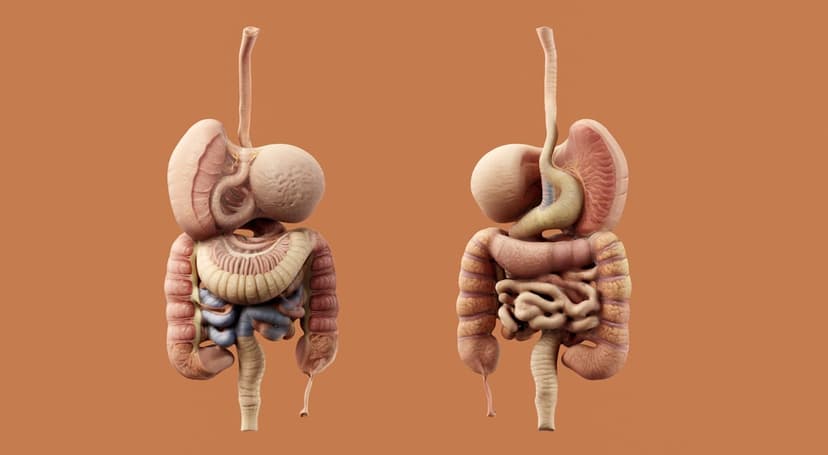
One unusual takeaway from this video is the focus on bile flow, not just fiber or laxatives. The core idea is simple: take 1 tablespoon (15 ml) of liquid Swedish bitters about 20 minutes before meals, twice daily, to trigger bitter receptors in the mouth and support bile release, which may help stool move more smoothly. The video also layers in a practical “stack”: a specific clockwise abdominal massage point, mineralized water (2 L plus 1/4 tsp Celtic sea salt), soluble fiber foods, short walks after meals, and stress support with magnesium glycinate (200 to 400 mg).

Real Causes of Neck and Shoulder Pain, Explained
That stubborn knot under your shoulder blade can feel like a local muscle problem, but this video’s perspective zooms out. It connects recurring neck and shoulder tension to pressure and irritation near the diaphragm (including the *phrenic nerve*), sometimes influenced by liver, gallbladder, or bloating patterns, plus the more common drivers: forward head posture, weak mid-back muscles, and a stiff upper spine. You will learn a simple self-test under the right ribs, targeted breathing and rib-opening stretches, a quick neck release, YTW strengthening, thoracic mobility drills, and sleep-position tweaks to stop the pain from rebuilding overnight.
Exploring the Benefits and Risks of Spicy Foods
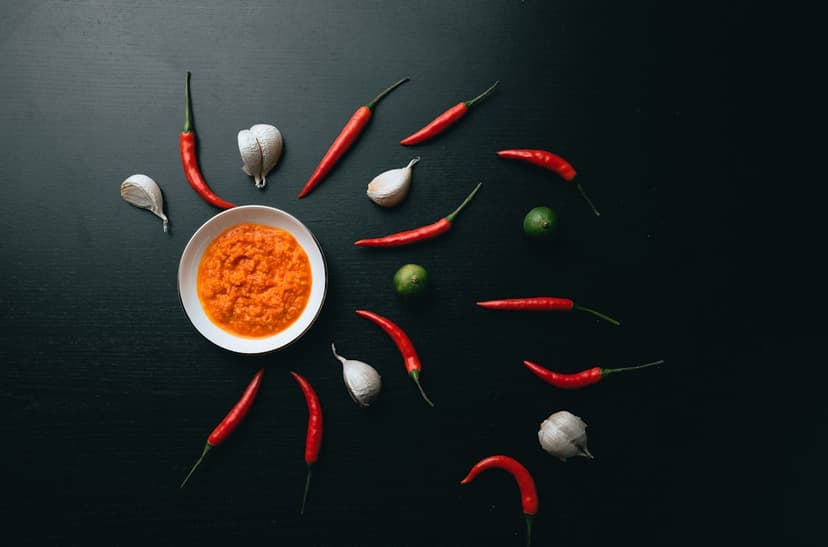
Spicy food can feel like a dare, especially when the menu warns you first. This video’s core message is reassuring, spicy foods are generally safe for most people, and they may offer real upsides. The key player is capsaicin, which activates a pain receptor (TRPV1), triggers the “burn,” and can be desensitized over time as tolerance builds. The discussion highlights possible benefits like mild metabolic boost, appetite effects, LDL reduction, and digestive changes like more acid and protective mucus. The main “edge cases” are people with GERD, active ulcers, or irritated hemorrhoids, where spice may worsen symptoms.