Exploring the Benefits and Risks of Spicy Foods
Summary
Spicy food can feel like a dare, especially when the menu warns you first. This video’s core message is reassuring, spicy foods are generally safe for most people, and they may offer real upsides. The key player is capsaicin, which activates a pain receptor (TRPV1), triggers the “burn,” and can be desensitized over time as tolerance builds. The discussion highlights possible benefits like mild metabolic boost, appetite effects, LDL reduction, and digestive changes like more acid and protective mucus. The main “edge cases” are people with GERD, active ulcers, or irritated hemorrhoids, where spice may worsen symptoms.
🎯 Key Takeaways
- ✓The “burn” of spicy food is pain signaling, capsaicin activates the TRPV1 receptor and triggers substance P, which your body can gradually desensitize with repeated exposure.
- ✓Spicy foods may slightly increase thermogenesis and metabolic rate, but they are not a standalone weight-loss strategy.
- ✓For digestion, spice can increase stomach acid and also stimulate protective mucus, a nuanced combination that may feel helpful for some and irritating for others.
- ✓Spicy foods do not appear to cause ulcers in most people, but they can aggravate symptoms if you already have an ulcer or significant reflux.
- ✓If you have GERD, active ulcer symptoms, or hemorrhoids, your best “dose” is the one that does not flare symptoms, build tolerance slowly if you choose to eat spice.
You know the moment.
You order something that sounds amazing, the waiter pauses, and then comes the warning: “This is the hottest thing on the menu. Are you sure?”
For a lot of people, spicy food is not just flavor. It is a full-body experience, sweating, watery eyes, a racing heart, and later, sometimes, regret.
This video takes a grounded, surprisingly motivating stance: for most people, spicy foods are generally safe, and they may come with meaningful health upsides. The catch is that a small group of people needs to be more careful, especially anyone dealing with reflux, ulcers that are already active, or irritated hemorrhoids.
Why spicy food feels personal (and sometimes painful)
The discussion opens with a first-date story at an Indian restaurant and the infamous beef vindaloo, the kind of dish that arrives with a warning label in human form.
That story matters because it captures something many articles miss: spicy food is not “good” or “bad” in the abstract. It is intensely individual.
Some people chase heat like a hobby. Others grew up with pepper as the upper limit and feel like they are “melting” after a few bites.
What’s interesting about this framing is that it treats tolerance as something you can build, not a personality trait you either have or you do not.
Did you know? The “hotness” of peppers is often described using the Scoville scale, which originally measured how much sugar water it took to dilute pepper extract until people could no longer taste the heat.
The Scoville scale, from jalapeño to Carolina Reaper
The video highlights the Scoville heat units concept with concrete examples.
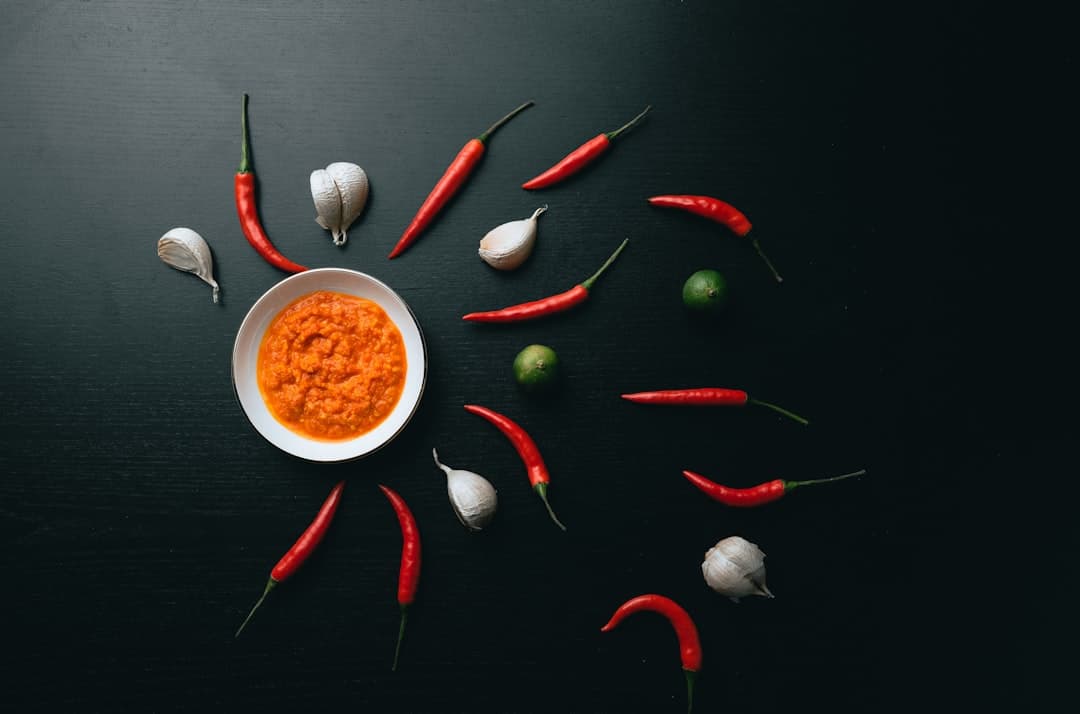
A jalapeño sits around 4,000 to 8,000 Scoville units, while extreme peppers can jump into the millions. The Carolina Reaper is described as exceeding 2 million Scoville units.
That jump is not linear in how it feels. It is a different sport.
And with “challenge peppers,” the goal often shifts from enjoying food to enduring it.
Important: Extremely spicy foods can cause intense, short-term symptoms such as vomiting, severe abdominal pain, or dangerous distraction while driving or working. Cleveland Clinic outlines risks of very spicy challenges, especially at the extreme end of heat exposure (health risks of extremely spicy foodsTrusted Source).
Capsaicin’s main trick: turning on a pain receptor
The video’s most useful takeaway is the simple mechanism behind the burn.
The active component in many spicy foods is capsaicin (the transcript refers to cayenne and “capsain,” commonly spelled capsaicin). Capsaicin binds to a receptor called TRPV1, a receptor involved in sensing heat and pain.
That is why spicy food feels like pain. It is pain signaling.
More specifically, the discussion points to a pain-related chemical messenger called substance P (italicized on first use). When capsaicin activates TRPV1, substance P is involved in that fiery sensation in the mouth.
Then comes the twist.
If you eat spicy food repeatedly and gradually, you can build tolerance. The argument is that repeated exposure can desensitize those receptors over time and reduce the “punch” of the sensation, partly by reducing or depleting substance P.
This also connects to a familiar product many people have seen at the pharmacy: topical capsaicin creams.
Why capsaicin cream takes time
Capsaicin is used in some topical pain-relief products, and the video explains why the effect is not always immediate.
At first, capsaicin can feel irritating because it activates the same pain pathways. With consistent use, the area may become less sensitive as the pathway is desensitized.
If you are considering topical capsaicin for pain, it is worth discussing with a clinician, especially if you have sensitive skin, asthma triggered by strong odors, or you are using other medicated creams.
Pro Tip: If you are new to spice, treat it like training, not a test. Increase heat slowly over meals and weeks, not in one “hottest item on the menu” leap.
Potential benefits, from pain relief to heart health
This perspective is optimistic but not magical. The benefits are described as real, yet often modest.
It is not “spicy food will fix everything.” It is “spicy food may nudge a few systems in helpful directions, and most people can enjoy it safely.”
Here are the main benefits emphasized in the video, with a reality check built in.
A key nuance from the video is worth underlining: the speaker favors spicy foods in their whole form when possible, rather than relying on capsules or extracts.
That aligns with broader nutrition thinking that whole plant foods deliver a mix of compounds, not just one molecule. Harvard’s overview similarly notes potential benefits of capsaicin-containing foods while emphasizing that research varies and individual tolerance matters (Harvard on spicy foodsTrusted Source).
What the research shows: In population studies, people who eat spicy foods more often sometimes show favorable health associations, but these studies cannot fully separate spicy food from lifestyle and dietary patterns (spicy food associationsTrusted Source).
Digestive nuance: acid, mucus, and why symptoms vary
Spicy food and the digestive system is where most people feel the tension.
On one hand, spice can feel like it is “burning a hole” in your stomach. On the other hand, many cultures eat spicy food daily without widespread ulcer epidemics.
The video’s explanation sits in the middle and it is surprisingly practical.
More acid, but also more protection
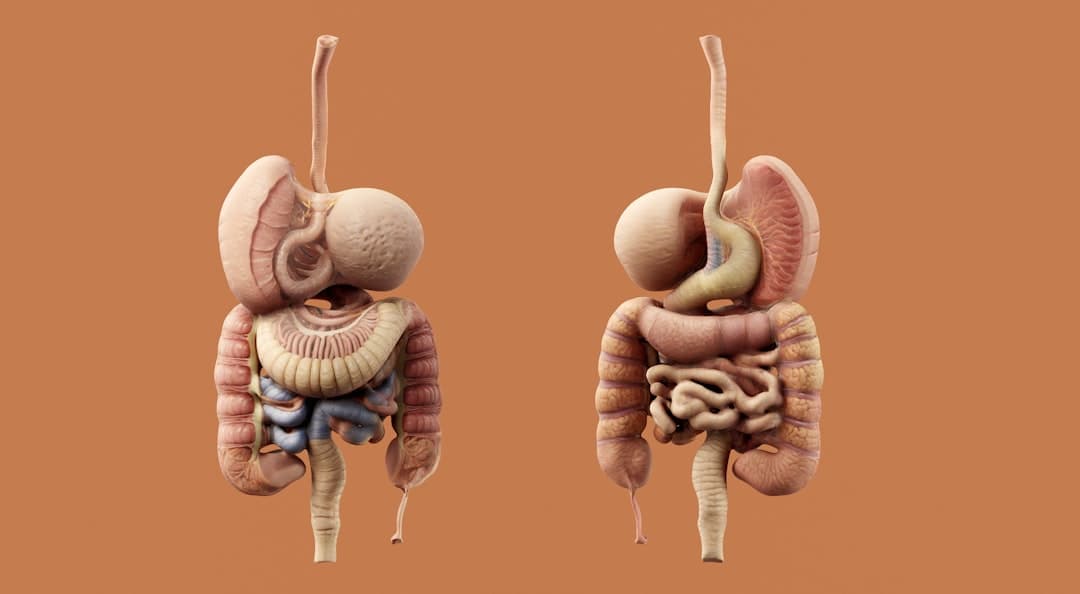
Spicy foods can stimulate the stomach to release more acid to help break down food. That sounds like it would always be bad.
But the discussion adds a second effect: spicy foods may also stimulate more mucus secretion, which can help protect the stomach lining.
So you get a push and pull.
For someone without reflux or ulcer symptoms, this may be neutral or even helpful. For someone with GERD or an already irritated upper GI tract, the “more acid” side of the equation can dominate and feel awful.
This is also where timing and context matter. Spicy food on an empty stomach can feel different than spicy food eaten with fiber, protein, and fat.
Do spicy foods cause ulcers?
The video directly addresses a common fear: “Spicy food causes ulcers.”
The take here is clear, there is relatively robust evidence that spicy food does not cause ulcers in most people. That belief is widespread, but it is not the main driver of ulcer disease.
However, the discussion also draws an important boundary: if you already have an active ulcer or you are developing one, spicy foods may exacerbate symptoms.
If you have persistent upper abdominal pain, black stools, vomiting blood, or unexplained weight loss, seek urgent medical care.
Who should be cautious, and what “too spicy” can look like
For most people, the message is reassuring: spicy foods are likely safe.
For a smaller group, the smartest move is to be strategic.
The main caution group highlighted is people with GERD (gastroesophageal reflux disease). Spicy foods can aggravate reflux symptoms, even if they did not cause the condition in the first place.
Other groups mentioned include people with an active ulcer and people with hemorrhoids, where spicy foods may increase irritation.
Q: If spicy food hurts, does that mean it is damaging my stomach?
A: Not necessarily. The burn is largely a pain-receptor effect, capsaicin activates TRPV1 and creates a sensation of heat and pain, especially in the mouth.
If you have GERD, an active ulcer, or frequent severe symptoms after spicy meals, pain can be a sign that spice is aggravating an existing problem. Consider talking with a clinician about your symptoms and triggers.
Dr. Brad Wing, MD (as featured in the video)
When “spicy” becomes “extreme”
The Scoville scale trivia is fun, but it also points to a real safety edge case: ultra-hot peppers like the Carolina Reaper.
At that level, the concern is less about long-term health and more about acute reactions, intense pain, vomiting, breathing discomfort, or severe GI distress.
If you have heart disease, panic attacks triggered by physical sensations, or asthma, very spicy challenges may be riskier than you expect. Cleveland Clinic specifically cautions against extremely spicy food stunts for some people (extreme spice risksTrusted Source).
How to build tolerance and enjoy spice without regret
The video’s closing message is empowering: you are in charge of your own health, and you are in charge of how spicy your food is.
That is not just motivational, it is practical.
Here is a step-by-step way to apply the “build tolerance” idea without turning dinner into a dare.
How to build spice tolerance (without suffering)
Start where you can enjoy the flavor. Choose mild heat (for example, a small amount of jalapeño or a mild hot sauce) and focus on taste, not endurance. If you are sweating and panicking, you went too far.
Repeat exposure consistently. Tolerance is built through regular, manageable exposure, which aligns with the desensitization concept discussed (TRPV1 and substance P). Try the same heat level a few times before increasing.
Increase heat in small steps. Move up one “notch” at a time, like mild to medium, then medium to medium-hot. Jumping straight to the hottest menu item is how people create miserable memories.
Use food context to your advantage. Eating spice with a full meal, especially with protein and healthy fats, can make the experience feel less harsh than spicy food alone.
Respect your symptom signals. If you notice reflux, chest burning, nighttime cough, or repeated stomach pain after spicy meals, scale back and consider a medical conversation. The goal is enjoyment, not proving something.
»MORE: If reflux is your main issue, consider keeping a simple “trigger journal” for 1 week, what you ate, when symptoms started, and what helped. That pattern is often more useful than guessing.
Quick practical “spice hygiene” tips
Key Takeaways
Sources & References
Frequently Asked Questions
- Do spicy foods cause stomach ulcers?
- This video emphasizes that spicy foods do not appear to cause ulcers for most people. However, if you already have an active ulcer or significant upper GI irritation, spicy foods may worsen symptoms, so it can be worth discussing triggers with a clinician.
- Why does spicy food burn if it is not actually hot?
- Capsaicin activates the TRPV1 receptor, which is involved in sensing heat and pain. That triggers a burning sensation and pain signaling even though the food’s temperature is not high.
- Can spicy food help with weight loss?
- Spicy foods may slightly increase thermogenesis and may influence appetite signals, but the effect is usually modest. It works best as a small add-on to an overall eating pattern, not as a primary weight-loss method.
- Who should avoid very spicy foods?
- People with GERD, active ulcer symptoms, or irritated hemorrhoids often find that spicy foods trigger or worsen discomfort. If you get frequent reflux or significant pain after spicy meals, consider reducing heat and talking with a healthcare professional.
Get Evidence-Based Health Tips
Join readers getting weekly insights on health, nutrition, and wellness. No spam, ever.
No spam. Unsubscribe anytime.