Eat Veggies First for Steadier Glucose and Energy
Summary
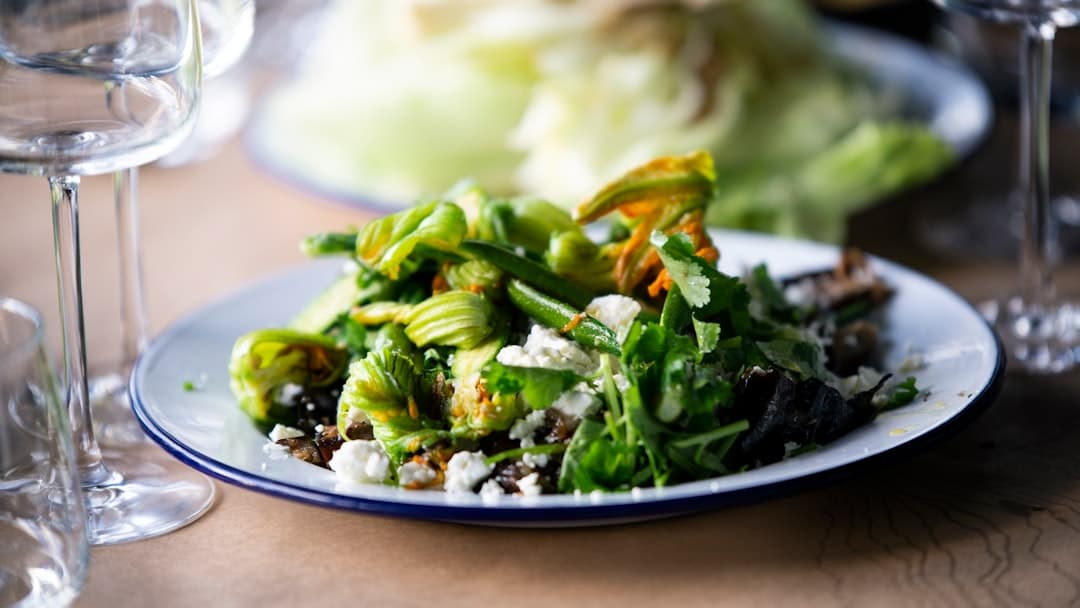
Most people think “eating healthier” means rewriting every meal. The video’s core idea is much simpler: add a plate of vegetables at the very start of lunch or dinner, ideally before your highest-carb, highest-sugar meal (often dinner). You keep the rest of your meal the same. This “veggie starter” approach aims to blunt the post-meal glucose rise, which many people notice as steadier energy, fewer cravings, and less rapid hunger rebound. Research on fiber-rich foods and meal order supports the general logic, even if results vary by person.
🎯 Key Takeaways
- ✓Add a full plate of vegetables before lunch or dinner, especially before your highest-carb meal.
- ✓You do not need to change the rest of your meal to try this approach.
- ✓The goal is a smaller post-meal glucose spike, which may feel like steadier energy and fewer cravings.
- ✓Choose vegetables you actually like, salad, broccoli, radishes, carrots, tomatoes, zucchini, artichokes, and more.
- ✓If you have diabetes, use insulin, or have a medical condition affecting digestion, discuss meal-timing changes with your clinician.
What most people get wrong about “eating better”
A common misconception is that feeling better requires changing everything on your plate.
That all-or-nothing mindset is exactly what makes nutrition feel overwhelming and unsustainable. The video’s unique angle is not about a perfect diet, it is about a small, repeatable sequence you can do even on busy nights.
Another misconception is that you need a glucose monitor to care about blood sugar. The discussion highlights that many people can sense big swings as an energy crash, cravings, or getting hungry again too soon.
Did you know? Higher intakes of dietary fiber are linked with better cardiometabolic health in large research reviews, which is one reason vegetables get so much attention in nutrition science (BMJ fiber meta-analysisTrusted Source).
The video’s “veggie starter” rule (and why it feels doable)
The rule is simple: eat a plate of vegetables at the beginning of lunch or dinner.
The expert recommends doing it before the meal that is highest in carbs and sugars. For many people, that is dinner, but doing it before lunch can work too.
What counts as a “plate of vegetables” here?
It can be any vegetables you like. The video specifically name-checks salad, broccoli, radishes, carrots, tomatoes, “corettes” (often used to mean zucchini or similar squash), zucchini, and artichokes.
What is also distinctive about this approach is what you do next: you eat what you normally eat the rest of the time. No mandatory food swaps, no cutting out entire food groups.
Pro Tip: If you hate raw salads, make your “starter” roasted or steamed vegetables. The key is that vegetables go in first.
Why eating veggies first may change how you feel after meals
The key insight is about glucose levels after eating.
Eating fiber-rich foods first may slow how quickly carbohydrates are digested and absorbed, which can reduce the size of the post-meal glucose rise for some people. Research on meal sequencing, like consuming vegetables before carbohydrates, suggests it can improve postprandial glucose responses in certain settings (BMJ Open Diabetes Research and CareTrusted Source).
When glucose spikes are smaller, the body may need less insulin to manage that rise. In the video’s framing, that can translate into practical day-to-day wins: more stable energy, fewer cravings, and a slower return of hunger after eating.
What the research shows: Dietary patterns emphasizing vegetables and other high-fiber foods are consistently associated with lower risk of several chronic conditions at the population level (WHO healthy diet overviewTrusted Source).
How to try it in real life (without overthinking it)
This is meant to be easy, not perfect.
A simple step-by-step
Pick your “highest-carb” meal. For many households it is dinner, but if lunch is your sandwich, chips, and soda meal, start there.
Add a veggie plate before anything else. Aim for a real plate, not a garnish. Eat it first, then move on to the rest of your usual meal.
Notice your signals for a week. Pay attention to energy, cravings, and how quickly hunger returns. If you track glucose, look for a smaller post-meal peak.
Important: If you use insulin or medications that can cause low blood sugar, changing meal composition or timing can affect glucose. It is worth checking in with your clinician about how to do this safely.
Key Takeaways
Frequently Asked Questions
- Do I have to eat vegetables before every single meal?
- Not necessarily. The video emphasizes doing it before the meal that is highest in carbs and sugars, which is often dinner. Many people start with once a day and build from there if it feels helpful.
- What if I do not like salad?
- A veggie starter does not have to be salad. Cooked options like steamed broccoli, roasted zucchini, or sautéed mixed vegetables can still work as a first course and may be easier on digestion for some people.
- Can this help with back and neck pain?
- The video focuses on glucose steadiness, cravings, and inflammation-related health themes rather than treating pain directly. If pain is a concern, consider discussing nutrition, activity, sleep, and a tailored treatment plan with a licensed clinician.
Get Evidence-Based Health Tips
Join readers getting weekly insights on health, nutrition, and wellness. No spam, ever.
No spam. Unsubscribe anytime.