A Science-Based Morning Routine for Focus and Health

Summary
If your mornings feel rushed, foggy, or reactive, this routine focuses on a few high-leverage behaviors that can support focus and long-term health. The core ideas are consistency (wake around the same time), quick outdoor light exposure (at least 5 minutes, without staring at the sun), and a simple mental reset that centers on what you can control. The routine also pairs coffee with morning light, then uses a fasted, timed work sprint before eating. After that, it shifts to a high-protein breakfast to support muscle maintenance after the overnight fast.
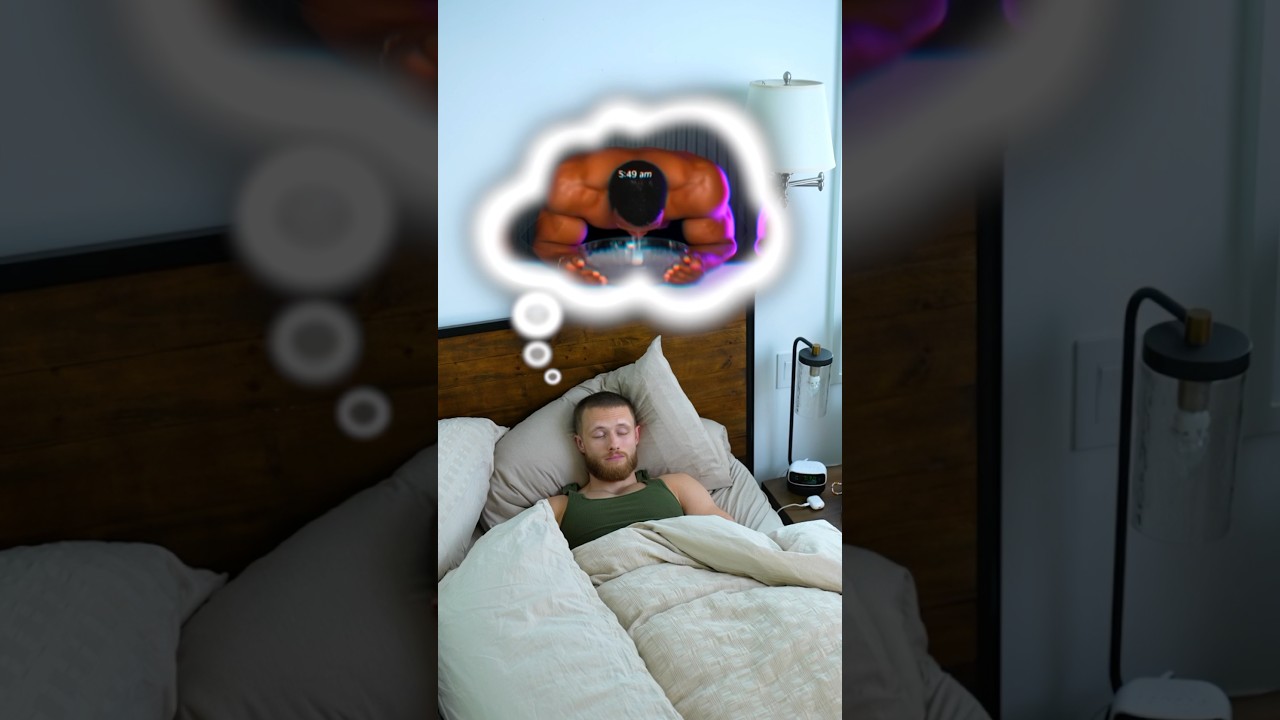
You wake up, grab your phone, and suddenly you are behind before the day even starts. That "mentally sprinting in place" feeling is common, and it can affect not just productivity, but also sleep quality, stress regulation, and even long-term cardiometabolic health.
This routine is built around one idea: anchor your biology first, then stack focus habits on top.
When mornings feel scattered, start with timing
Waking up around the same time each day is the first lever in this approach. The key insight is that sleep health is not only about getting “8 hours”, it is also about your sleep-wake schedule.
A stable schedule helps your body predict when to be alert and when to wind down. This is closely tied to circadian rhythm (your internal clock), which influences hormones, body temperature, and cognitive performance. The discussion highlights that consistency can make mornings feel easier, even before you change anything else.
Did you know? Regular light exposure and consistent timing are central signals for circadian alignment, and morning light is often used in clinical circadian interventions (NIH, NIGMS overviewTrusted Source).
Step outside: 5 minutes of light, then coffee
The routine emphasizes getting natural sunlight in your eyes for at least 5 minutes soon after waking. This is not about staring at the sun. It is about being outdoors so your eyes receive bright ambient light.
A simple way to do it (mostly bullets)
Coffee is also framed differently than the usual hydration fear. The argument here is that coffee does not automatically dehydrate you, and evidence suggests caffeinated beverages can contribute to daily fluid intake for habitual users (Mayo Clinic on caffeine and dehydrationTrusted Source).
Pro Tip: If caffeine makes you jittery or anxious, consider a smaller serving or keep coffee after you have had some water. If you have heart rhythm issues, pregnancy, or reflux, check with a clinician about caffeine limits.
A Stoic-style reset: control-based affirmation
Ancient Stoics recommended focusing on what is within your control. The modern twist here is using that idea as a quick morning affirmation before work.
This can be surprisingly practical. Naming what you can control (your effort, your priorities, your next step) may reduce rumination about what you cannot (other people’s reactions, the economy, last night’s mistake). It is not about forcing positivity, it is about directing attention.
Q: Is a morning affirmation actually “science-based,” or just motivational?
A: Some forms of self-affirmation and values-based reflection are linked with improved stress responses and decision-making in specific contexts. Results vary by person, but a brief control-focused prompt can be a low-risk way to reduce mental noise before demanding work.
Jordan Lee, PhD (Health Science Writer)
Fasted focus sprint, then a high-protein breakfast
The speaker reports being most productive when fasted, so the routine includes one solid hour of work before eating. A timer is used to support focus, essentially creating a single-task sprint.
How to try the 1-hour focus block
After that sprint, the routine shifts to a high-protein breakfast, tracked with an app (MacroFactor). The rationale is muscle support after an overnight fast, when muscles may be more catabolic (breakdown-oriented). Protein intake at breakfast can help support muscle protein synthesis across the day, especially if you are training or trying to preserve lean mass (International Society of Sports Nutrition position standTrusted Source).
Key Takeaways
Frequently Asked Questions
- How soon should I get sunlight after waking?
- This routine aims for outdoor light exposure soon after waking, with at least 5 minutes. If mornings are dark where you live, getting outside when it is bright can still be helpful for circadian timing.
- Does coffee really count toward hydration?
- For many people, caffeinated drinks can contribute to daily fluid intake, and coffee is not automatically dehydrating. If you are sensitive to caffeine or have certain health conditions, ask a clinician what amount is appropriate.
- Is working while fasted safe for everyone?
- Some people feel sharper fasted, while others feel shaky or irritable. If fasting triggers symptoms or you have a medical condition like diabetes, it is wise to discuss fasting patterns with a healthcare professional.
Get Evidence-Based Health Tips
Join readers getting weekly insights on health, nutrition, and wellness. No spam, ever.
No spam. Unsubscribe anytime.