Productivity & Focus
The Productivity & Focus niche examines strategies and interventions to enhance mental clarity, efficiency, and attention span. It encompasses various topics such as cognitive-behavioral techniques, nutritional supplements, and lifestyle changes that can improve concentration and work output. This niche also addresses conditions like ADHD and explores the role of neurotransmitters, such as dopamine, in maintaining optimal focus.
Explore Topics
In-depth topics to explore in Productivity & Focus.
Feedback: Complete Guide
Feedback is one of the fastest ways to improve performance, relationships, health behaviors, and learning, but only when it is delivered and received well. This guide explains how feedback works in the brain and in organizations, the benefits and risks, and practical, research-backed methods you can use immediately.
Fasted: Complete Guide
Being fasted means going without calories for a period of time, typically overnight through the morning, and it can meaningfully change energy, focus, appetite, and training performance. Used well, fasted time can support productivity, metabolic health, and fat loss. Used poorly, it can backfire through stress, overeating, sleep disruption, or reduced training quality.
Transparency: Complete Guide
Transparency is the practice of being open and honest about qualifications and experiences, especially when decisions affect other people. Done well, it builds trust, improves decision quality, and reduces preventable harm. Done poorly, it can become performative, invasive, or misleading, so the goal is clarity, context, and accountability, not oversharing.
Energy Drinks: Complete Guide
Energy drinks can improve alertness and performance, mainly due to caffeine, but they also carry real downsides when used casually or late in the day. This guide explains how energy drinks work, what the research actually supports, who should avoid them, and how to use them more safely if you choose to.
Focus: Complete Guide
Focus is the mental concentration that lets you direct attention, resist distractions, and execute tasks effectively. This guide explains how focus works in the brain and body, what reliably improves it, what can backfire, and how to build sustainable focus for work, learning, training, and daily life.
Blueprint: Complete Guide
A blueprint is a detailed plan for achieving health goals, built from clear priorities, repeatable routines, and measurable feedback. This guide shows how to design a personalized blueprint that fits your body, schedule, and constraints, while avoiding common traps like extreme protocols, poor tracking, and decision fatigue.
Stimulants: Complete Guide
Stimulants are substances that increase alertness, energy, and focus by boosting activity in the brain and nervous system. They range from everyday caffeine to prescription ADHD medications and illicit drugs, and their effects depend heavily on dose, timing, and individual sensitivity. This guide covers how stimulants work, when they help, when they backfire, and how to use them more safely and effectively.
Stimulant: Complete Guide
Stimulants are substances that increase energy and alertness by activating the brain and nervous system. They range from everyday caffeine to prescription ADHD medications and illicit drugs, with dramatically different risk profiles. This guide explains how stimulants work, when they help, where they backfire, and how to use them more safely and effectively.
All Articles
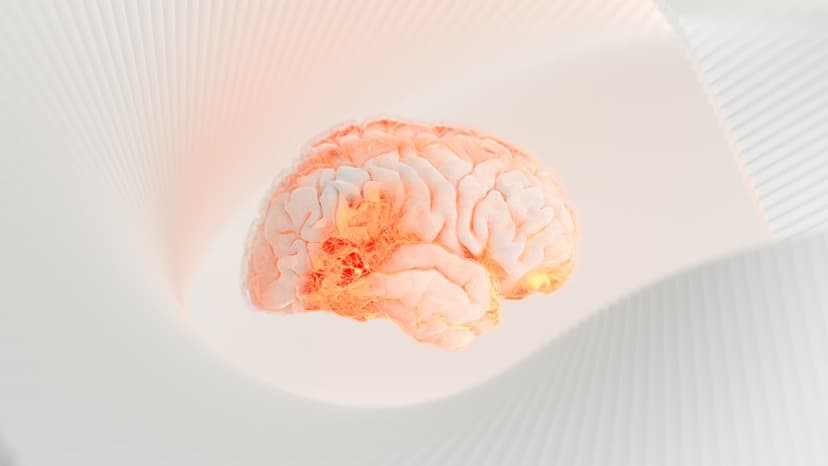
Microplastics in the Brain, What the New Study Means
Can plastic really build up in your brain, and if so, what are you supposed to do about it? A 2025 Nature Medicine analysis discussed in the video reports micro and nanoplastics in deceased human brain tissue, with concentrations estimated at 7 to 30 times higher than liver or kidney. The discussion emphasizes this is not meant to panic people, but to push practical exposure reduction, especially from everyday sources like food packaging, heated plastics, bottled drinks, and synthetic clothing. It also explores plausible, but not proven, mitigation ideas such as sweating through sauna and daily movement.

How Your Brain Sets the “Speed” of Time Each Day
Why does time fly during an exciting day, but crawl during boring work, and then feel reversed in memory? This article follows the Huberman Lab Essentials perspective that time perception is tightly linked to brain states, especially dopamine, norepinephrine, and serotonin, and to biological entrainment through light and daily rhythms. You will learn why circadian disruption can distort short interval timing, how 90-minute ultradian cycles can shape deep work, why trauma can “overclock” experience, and how habits can be used to divide your day into functional time units.

Future Faking: Spot It, Break the Cycle, Rebuild Trust
Future faking is when someone sells you an exciting shared future, marriage, a promotion, a dream trip, but never takes real steps to make it happen. The hook is powerful because you do not just bond to the person, you bond to the future you can almost see. Over time, this can drain your energy, erode trust, and keep you stuck in a cycle of hope and disappointment. This article breaks down the video’s practical warning signs, why the tactic works, and how to respond by focusing on actions, setting boundaries, and reconnecting with support.

ADHD, Dopamine, and Focus Training, Huberman’s Take
ADHD is often described as “can’t focus,” but this video emphasizes a more nuanced picture: many people with ADHD can hyperfocus on what they enjoy, yet struggle with mundane tasks, impulse control, time perception, and working memory. The central lens is dopamine, not as a feel-good chemical, but as a conductor that helps the brain switch between the default mode network and task networks. The discussion also spotlights an unusual, practical angle: attention can be trained through visual behavior, including panoramic vision, fixation, and blinking patterns, which may influence time perception and focus.

ADHD Focus Tools, Structure, Sleep, and Meds Explained
ADHD is often misunderstood as a simple “attention deficit,” but this video’s core framing is different: it is mainly a **control-of-attention** problem, shaped by genetics and the environment. Dr. John Kruse emphasizes “Goldilocks structure,” interest-driven motivation, and the way modern life can train all of us toward more distractibility. He also highlights under-discussed risks, including accidents and impulsivity, and offers a practical toolkit: build external structure, protect sleep timing, reduce attention fragmentation, and consider medications thoughtfully with a clinician.

A 45-Minute, Low-Volume Leg Workout That Hits Hard
This 45-minute leg session is built around a clear idea: do fewer total sets, but make the sets count with high effort and tight technique. The workout uses two sets each of leg extensions, barbell Romanian deadlifts, and hip thrusts, then one hard set of leg press, plus two sets of standing calf raises using lengthened partials. The unique focus is on stability, stretch, and controlled “near-failure” effort, especially stopping when form would break down. This approach can fit busy schedules while still targeting quads, hamstrings, glutes, and calves.
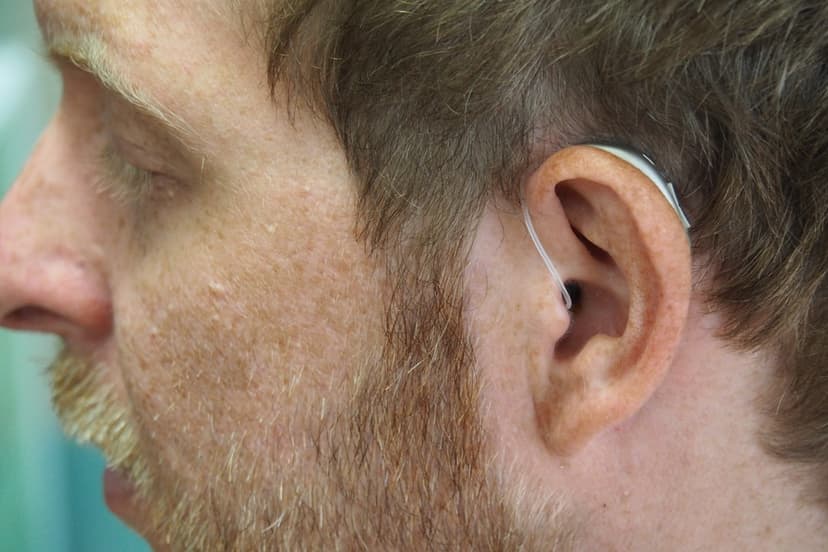
Misophonia: Why Certain Sounds Trigger Rage or Panic
Most people assume sound sensitivity is just a pet peeve, or a personality quirk. This video’s core idea is different: misophonia is often an automatic threat response in the brain, not a choice. Trigger sounds like chewing, sniffing, or pen clicking can set off a full-body stress reaction because emotion and sound networks connect in a way that makes the signal feel urgent. The good news is that management is possible. Approaches like CBT-style reframing, sound masking (earplugs, white noise), controlled exposure, mindfulness, and emerging neuromodulation research may reduce distress over time.

Focus Lessons From Noah Wyle’s “TV Doctor” Years
Most productivity advice assumes focus is a simple on or off switch. In this conversation, Noah Wyle and Dr. Mike frame attention as something more human: interest-driven, shaped by environment, and easily hijacked by misinformation and quick fixes. Wyle describes a pattern many people recognize, intense “laser” focus when curious and near-zero attention when bored, plus the value of learning through systems and cross-pollination rather than linear memorization. The discussion also highlights how real-time pressure, like a full hospital shift, changes decision-making, teamwork, and mental stamina, and what that can teach anyone trying to do meaningful work without burning out.

A Science-Based Morning Routine for Focus and Health
If your mornings feel rushed, foggy, or reactive, this routine focuses on a few high-leverage behaviors that can support focus and long-term health. The core ideas are consistency (wake around the same time), quick outdoor light exposure (at least 5 minutes, without staring at the sun), and a simple mental reset that centers on what you can control. The routine also pairs coffee with morning light, then uses a fasted, timed work sprint before eating. After that, it shifts to a high-protein breakfast to support muscle maintenance after the overnight fast.
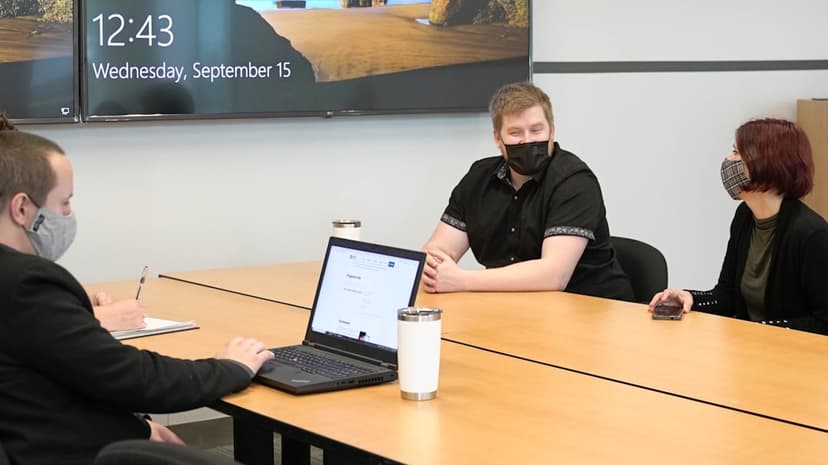
Boost Your Energy with This Brain Hack: The Power of Structure
In the video 'Why You’re Always Tired (And How to Fix It with One Brain Hack)', One Brain explains that structure is key to saving mental energy and enhancing productivity. The brain thrives on routines, which reduce decision fatigue and improve focus. By implementing routines, time blocking, and regular breaks, you can boost your cognitive performance and energy levels.