Cardiovascular Health
Cardiovascular Health focuses on the prevention, diagnosis, and treatment of heart and blood vessel conditions. This niche encompasses a wide array of topics including coronary artery disease, hypertension, arrhythmias, heart failure, and cholesterol management. It also covers lifestyle factors such as diet, exercise, and stress management, along with medical interventions like angioplasty, stenting, and bypass surgery.
Explore Topics
In-depth topics to explore in Cardiovascular Health.
Heart Health: Complete Guide
Heart health is about how well your heart and blood vessels function over time, and how effectively they deliver oxygen and nutrients while avoiding plaque, clots, rhythm problems, and heart failure. This guide explains the biology, the biggest proven levers you can control, what to screen, and how to build an evidence-based plan that lowers risk without relying on hype.
Vascular: Complete Guide
“Vascular” refers to the body’s network of blood vessels and the functions that keep blood, oxygen, and nutrients moving to every tissue. This guide explains how vascular biology works, why vascular health predicts heart, brain, kidney, and sexual function outcomes, and what you can do daily to improve key vascular markers.
Cardio: Complete Guide
Cardio is any exercise that meaningfully challenges your heart and lungs, improving how efficiently your body delivers oxygen and uses energy. This guide explains how cardio works, the benefits you can expect, realistic weekly “dosage” targets, common mistakes, and how to choose the safest, most effective approach for your goals.
Plasma: Complete Guide
Plasma is the liquid portion of blood that transports cells, nutrients, hormones, and clotting proteins throughout the body. It is essential for circulation, immune defense, and maintaining fluid and acid-base balance. This guide explains how plasma works, when it is used clinically, benefits and risks, and what current research supports.
Biomarkers: Complete Guide
Biomarkers are measurable signals from your body that help quantify health, track change, and guide medical decisions. Used well, they turn vague goals like “get healthier” into actionable targets, but used poorly they can create anxiety, false certainty, or unnecessary treatment. This guide explains how biomarkers work, which ones matter most, how to test intelligently, and how to interpret results in context.
Heart Attack: Complete Guide
A heart attack is a medical emergency caused by blocked blood flow to the heart muscle, leading to injury or death of heart tissue. This guide explains how heart attacks happen, how to recognize symptoms fast, what treatment and recovery look like, and how to reduce your risk long-term.
Plaque: Complete Guide
Arterial plaque is a sticky buildup inside artery walls that can narrow blood flow and raise the risk of heart attack and stroke. Understanding how plaque forms, how it becomes dangerous, and what actually changes outcomes helps you focus on the actions and tests that matter most. This guide covers the biology, risks, practical prevention, and what current research suggests about plaque and cardiovascular risk.
Shock: Complete Guide
Shock is a life-threatening state where organs do not get enough blood flow and oxygen, leading to rapid deterioration if not treated. This guide explains the biology of shock, the major types and warning signs, what to do immediately, how clinicians diagnose and treat it, and what current research says about best practices.
Heart Rate: Complete Guide
Heart rate is one of the simplest, most powerful signals of how hard your body is working and how well you are recovering. This guide explains the biology behind heart rate, how to measure and interpret it, how to use it for training and health, and when changes in heart rate should prompt extra caution.
Cardiovascular: Complete Guide
Cardiovascular refers to the heart and blood vessels, and “cardiovascular health” describes how well this system delivers oxygen and nutrients while keeping blood pressure, lipids, and inflammation in a safe range. This guide explains how the cardiovascular system works, what improves or damages it, and practical, research-backed steps to reduce risk of heart attack, stroke, and related disease.
EPA: Complete Guide
EPA (eicosapentaenoic acid) is a marine omega-3 fatty acid best known for supporting healthy inflammation signaling, cardiovascular function, and brain resilience. This guide explains how EPA works in the body, what benefits are best-supported by research, how to choose foods and supplements, and how to use lab testing to personalize your approach.
Resting Heart Rate: Complete Guide
Resting heart rate (RHR) is one of the simplest, most useful signals you can track for cardiovascular health, fitness, stress load, and recovery. This guide explains what RHR is, how it works biologically, what “normal” looks like, what raises or lowers it, and how to use it safely alongside sleep, training, and medical care.
Stroke: Complete Guide
A stroke is a medical emergency that can change brain function within minutes. This guide explains how strokes happen, how to recognize them fast, what modern treatments can do, and how to reduce risk long term with evidence-based prevention and recovery strategies.
Blood Flow: Complete Guide
Blood flow is the body’s delivery system, moving oxygen, nutrients, hormones, and immune cells to tissues while carrying away carbon dioxide and waste. When circulation is strong, you tend to feel warmer, think clearer, recover faster, and perform better. When it is impaired, symptoms can be subtle at first but may signal serious cardiovascular, metabolic, or clotting problems.
Heart Disease: Complete Guide
Heart disease is a broad category of conditions that impair the heart’s ability to pump blood effectively or maintain normal rhythm and circulation. This guide explains how heart disease develops, what raises or lowers risk, what evidence-based prevention and treatment look like in 2025, and how to turn the science into practical daily habits.
Triglycerides: Complete Guide
Triglycerides are the main form of fat in your blood and a powerful window into metabolic health and cardiovascular risk. This guide explains what triglycerides do, how to interpret your lab results, what raises or lowers them, and the most practical, evidence-based strategies to improve them.
Omega-3s: Complete Guide
Omega-3s are essential fats that your body cannot make in meaningful amounts, yet they influence inflammation, cell membranes, and signaling in the heart, brain, eyes, and immune system. This guide explains the different types of omega-3s, how to get enough from food or supplements, what benefits are well-supported, where the evidence is mixed, and how to use omega-3s safely and effectively.
Circulation: Complete Guide
Circulation is the continuous movement of blood through your heart, arteries, capillaries, and veins to deliver oxygen and nutrients and remove waste. When circulation is strong, you tend to have better energy, exercise capacity, cognition, temperature regulation, and wound healing. This guide explains how circulation works, what affects it, how to improve it safely, and what science says about the most effective strategies.
All Articles

Squid Game Injuries: Heart, Blood Loss, CPR Reality
Gunshots, chest stabs, and frantic “check a pulse” moments make great TV, but the body has rules. This article follows a doctor’s reaction to Squid Game Season 3 injuries, focusing on what would actually threaten the heart and circulation: massive bleeding, cardiac tamponade, airway and breathing failure, and shock. It also unpacks the video’s edge cases, like why you cannot judge “internal organs look good” without imaging, why neck transfusions are not a quick fix, how stimulant crashes can impair judgment, and what first priorities look like when seconds matter.

What an irregular heart rate can mean
An irregular heart rate can happen from harmless triggers like stress, caffeine, or dehydration, but it can also signal an arrhythmia that needs medical evaluation. If you have chest pain, fainting, severe shortness of breath, or new one sided weakness, seek urgent care.

Omega-3 Index Test, A Simple Heart Risk Clue
In the video, a clinician shares a surprisingly practical idea, do not guess your omega-3 status, measure it. The Omega-3 Index is a simple blood test that checks how much omega-3 is in your red blood cell membranes. The discussion frames most Americans as landing around 4% to 5%, with under 4% considered higher risk, and above 8% a more protective zone. You will learn what the numbers mean, why supplements sometimes fail, and how to use results to guide food and supplement choices with your clinician.

Dictators, stress, and the heart: lessons from history
Why do so many powerful, feared leaders seem to die from the same few medical events, especially heart attacks and strokes? This article follows the video’s unusual, history-meets-health perspective: dramatic deaths on beaches and gallows sit alongside quieter endings from hypertension, heart attack, and neurodegenerative disease. Using the video’s specific examples (Hitler, the Kims, Stalin, Ivan the Terrible, Napoleon, and more), we connect stress, heavy drinking, smoking, and untreated blood pressure to cardiovascular risk. You will also get simple, non-prescriptive steps to discuss with a clinician, plus red-flag symptoms that should never be ignored.

Reversing “Irreversible” Heart Markers, Gemelli’s Way
Dylan Gemelli’s perspective on heart health starts in an unexpected place, his own wake-up call after years in the performance world and a personal discovery of elevated Lp(a). In this video-driven guide, you will learn how he organizes a “hierarchy of health” that begins with nutrition, sleep, and training, then moves to targeted supplements and carefully chosen peptides. A major theme is that basic cholesterol panels are not enough, he emphasizes ApoB and takes a special interest in Lp(a), a marker with fewer solutions and less public understanding. You will also see why he favors GLP-1 microdosing for metabolic repair rather than appetite suppression.
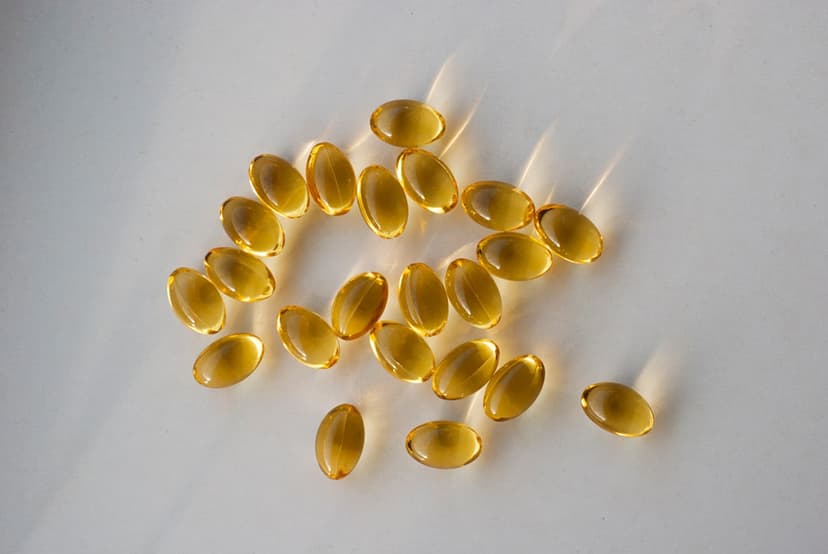
Fish Oil vs Flaxseed Oil for Heart Health
Fish oil delivers EPA and DHA directly, the omega-3s most often linked with heart-related benefits in research. Flaxseed oil provides ALA, a plant omega-3 that your body can convert to EPA and DHA, but usually only in small amounts. The better choice depends on your diet, goals (like triglycerides vs overall nutrition), and medication and bleeding risk, so it is worth discussing with a healthcare professional.

Night Light and Heart Risk, What a 88K Study Found
A large wearable study discussed in the video tracked about 88,000 people and logged roughly 13 million hours of light exposure. People with the brightest nights had meaningfully higher rates of major cardiovascular events over about 9.5 years, including higher risks of coronary artery disease, heart attack, heart failure, atrial fibrillation, and stroke. The unique takeaway is not just “avoid screens,” but treat nighttime lighting like a real cardiovascular risk factor, especially for women and younger people, while using bright daytime outdoor light as a protective counterbalance.

Top Causes of Death in 2024, and What You Can Do
It is frustrating to work hard on your health, then hear that heart disease is still the top killer. This video walks through CDC 2024 mortality data with a blunt, practical lens: focus on what actually drives risk day to day. Cardiovascular disease leads the list, followed by cancer, then unintentional injuries, stroke, Alzheimer’s disease, and diabetes. The discussion repeatedly comes back to metabolic health, ultra-processed foods, sugar-sweetened drinks, sedentary living, and what the speaker views as the modern food environment, including industrial seed oils. You will also see side topics like microplastics and the surprising role of bottle caps.
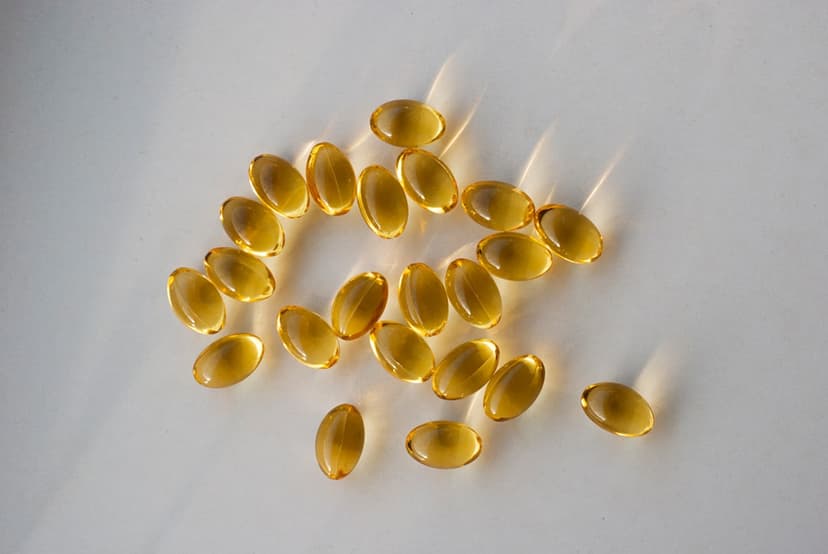
Omega-3 vs Omega-6 for Heart Health: Key Differences
Omega-3 fats are more consistently linked with heart benefits, especially when they replace saturated fats and come from fish or certain plant foods. Omega-6 fats are also heart-supportive in most diets, but the goal is usually balance and overall dietary pattern rather than avoiding omega-6. If you have high triglycerides, take blood thinners, or have heart disease, ask your clinician what type and amount is best for you.

10 Heart Attack Signs Most People Miss and Why
Many people expect a heart attack to look like the movies, sudden collapse and dramatic chest clutching. This perspective highlights a different reality: symptoms can be subtle, confusing, and different for men and women. Chest pressure is only one possible clue. Shortness of breath, cold sweats, nausea, dizziness, sudden fatigue, panic-like feelings, palpitations, or even a vague sense that something is wrong can be warning signs. Because heart muscle begins to die when blood flow is blocked, acting quickly matters. If symptoms are new, sudden, or concerning, call emergency services and do not drive yourself.

CDC 2024 Death Report: Heart Disease Still No. 1
The CDC’s provisional 2024 mortality report shows about 3 million U.S. deaths and a lower overall age-adjusted death rate than 2023, yet heart disease remains the leading cause, followed by cancer and unintentional injuries. The video’s key message is blunt: many people focus on the wrong threats while everyday habits, like inactivity, late-night light exposure, poor sleep, and ultra-processed diets, quietly add up. It also highlights a troubling recent pattern of younger deaths peaking in 2021 and 2022, plus ongoing concern about early-onset heart disease and cancer. The practical takeaway is to prioritize high-impact basics, especially movement, sleep, and nighttime light control.

Can you take aspirin while on blood thinners?
Often, you should not add aspirin to a blood thinner unless your clinician specifically tells you to, because the combination can significantly increase bleeding risk. In some higher risk heart conditions, a cardiologist may recommend both for a limited time with close monitoring.

Understanding Heart Valve Problems: Expert Insights
Heart valve problems are a common cardiovascular issue that can significantly impact health. In a recent discussion, experts detailed the heart's anatomy, the vital role of valves, and common conditions like stenosis and regurgitation. They emphasized the importance of early detection and treatment, supported by modern medical advancements, to prevent severe complications.

Can Owning a Dog Extend Your Life? Insights and Evidence
Owning a dog might not just bring joy but also extend your life span. Dr. Brad Weining and Dr. Paul Zo discuss how dogs can benefit cardiovascular health, reduce anxiety, and increase physical activity, thus potentially decreasing the risk of heart attacks and strokes. They also explore the emotional benefits and the role of dogs in reducing loneliness and improving children's immunity. Supporting research highlights a 24% reduction in mortality for dog owners post-heart attack.