Omega-3 vs Omega-6 for Heart Health: Key Differences
Summary
Omega-3 fats are more consistently linked with heart benefits, especially when they replace saturated fats and come from fish or certain plant foods. Omega-6 fats are also heart-supportive in most diets, but the goal is usually balance and overall dietary pattern rather than avoiding omega-6. If you have high triglycerides, take blood thinners, or have heart disease, ask your clinician what type and amount is best for you.
The Quick Take: It is not either-or
Omega-3 and omega-6 are both essential fats, your body cannot make them in meaningful amounts.
For heart health, the most helpful question is often, “What are these fats replacing in my diet?” Swapping butter, fatty meats, and many ultra-processed snacks for unsaturated fats tends to support healthier cholesterol patterns and overall cardiovascular risk.
Omega-3s get more attention because EPA and DHA (the omega-3s found in fish and seafood) have clearer links to lowering triglycerides and may help with inflammation and plaque stability. Omega-6s (mainly linoleic acid from plant oils, nuts, and seeds) can lower LDL cholesterol when used instead of saturated fats, which is one reason many heart-focused eating patterns include them.
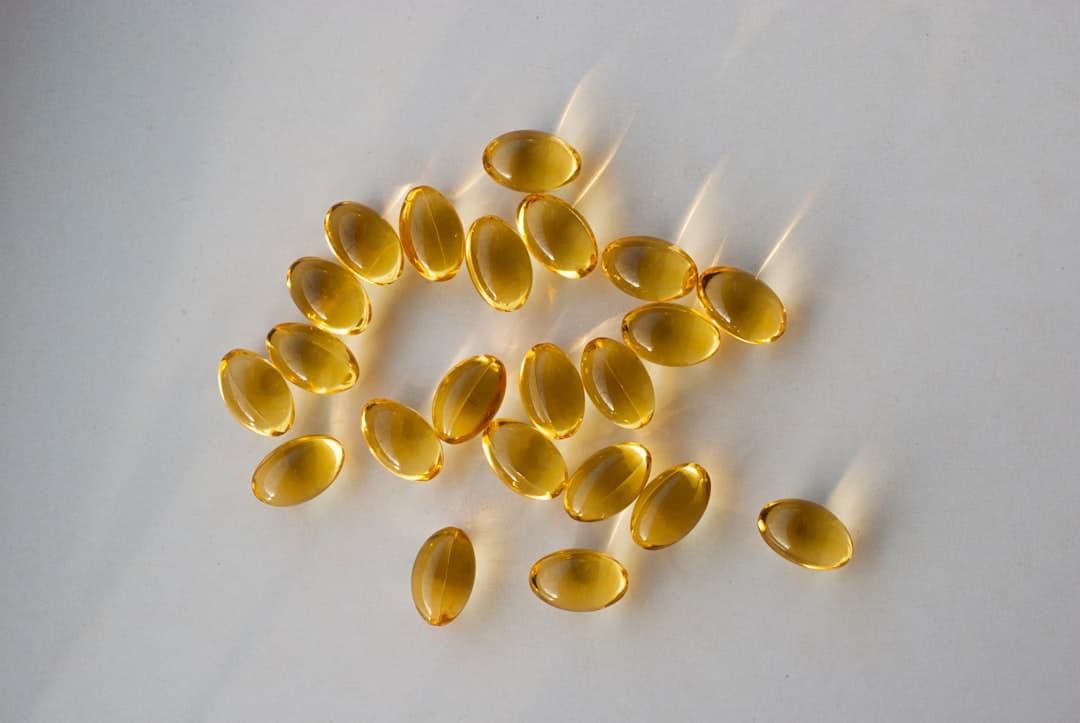
Important: Supplements are not automatically “heart healthy.” If you take anticoagulants or antiplatelet medicines, have a bleeding disorder, are planning surgery, or have atrial fibrillation, check with a clinician before starting high-dose fish oil or other concentrated omega products.
What omega-3s do for the heart
Omega-3 is a family of fats. The most discussed for cardiovascular health are EPA and DHA (from fish) and ALA (from plants).
EPA and DHA can reduce triglycerides in many people, which is why some guidelines discuss omega-3 intake as part of triglyceride management. They may also modestly affect blood pressure and heart rhythm in certain contexts, although results can vary depending on dose, baseline risk, and whether omega-3 comes from food or supplements.
ALA (found in flax, chia, walnuts, and some plant oils) is still valuable, but the body converts only a portion of ALA into EPA and DHA. That means plant sources can support heart-healthy eating patterns, but they do not always substitute one-for-one for fatty fish.
Food-first tends to be the easiest way to get omega-3s without overdoing calories. Some omega-3 rich foods are also relatively high in Energy Density, so portion size still matters if weight or triglycerides are a concern.
What omega-6s do for the heart
Omega-6 fats are also essential. The main one in the diet is linoleic acid, commonly found in soybean, corn, sunflower, and safflower oils, as well as nuts and seeds.
Omega-6s are often misunderstood as “pro-inflammatory.” In real diets, replacing saturated fat with omega-6 rich foods generally improves LDL cholesterol and can support cardiovascular risk reduction. This is one reason many mainstream heart-healthy dietary patterns include plant oils, nuts, and seeds.
The nuance is that omega-6 intake often rises alongside ultra-processed foods, because many packaged snacks and fried foods use inexpensive vegetable oils. In that scenario, the issue is rarely omega-6 alone, it is the overall dietary pattern, excess calories, low fiber, and high sodium.
If you are trying to improve heart health, it usually makes more sense to limit deep-fried and highly processed foods than to avoid omega-6 containing whole foods like nuts and seeds.
How they compare in real life (foods, patterns, and trade-offs)
Omega-3 tends to shine when your goal is triglyceride support and seafood-based eating. Fatty fish also provides protein and micronutrients, which can make it easier to build meals that support blood pressure and weight goals.
Omega-6 tends to shine when your goal is improving LDL cholesterol by replacing saturated fats. Using plant oils in place of butter or shortening, and choosing nuts or seeds instead of processed snacks, often helps overall lipid patterns.
A practical way to compare them is by “swap value”:
Pro Tip: Instead of chasing a perfect omega-3 to omega-6 “ratio,” focus on two habits most guidelines emphasize, eat fish regularly if you can, and use unsaturated fats (plant oils, nuts, seeds, avocado) in place of saturated fats.
How to choose what fits your situation
Your best choice depends on your current diet, lab results, and medications.
Consider these decision points:
Omega fats are only one piece of cardiovascular risk. Sleep, activity, blood pressure control, diabetes management, and smoking status can outweigh small differences between omega-3 and omega-6 for many people.
Some people also notice omega-3s help with non-cardiac issues like Dry Eye. That can be a legitimate “bonus” reason to prioritize omega-3 rich foods, but it should not replace a heart-focused plan with your clinician.
Frequently Asked Questions
- Is it bad to have “too much” omega-6?
- Omega-6 fats from whole foods and reasonable amounts of plant oils are generally considered compatible with heart-healthy eating patterns. The bigger concern is often that omega-6 rich oils can be part of ultra-processed, high-sodium, high-calorie diets, which can worsen cardiovascular risk factors.
- Should I take fish oil if I already eat fish?
- Many people can meet their omega-3 needs through food, and supplements are not always necessary. If you have high triglycerides, established heart disease, or cannot eat fish, your clinician may recommend a specific product and dose based on your labs and medications.
- Are flax and chia the same as fish oil for heart health?
- Flax and chia provide ALA, a plant omega-3 that supports healthy dietary patterns, but the body converts only a portion into EPA and DHA. Fish and algae-based products provide EPA and DHA directly, which may matter more for triglyceride lowering in some people.
- Do omega-3 or omega-6 supplements interact with medications?
- They can, especially at higher doses. Omega-3 supplements may increase bleeding risk for some people taking blood thinners or antiplatelet medicines, and any supplement can complicate care around surgery, pregnancy, or complex medical conditions, so it is best to review with a clinician or pharmacist.
Get Evidence-Based Health Tips
Join readers getting weekly insights on health, nutrition, and wellness. No spam, ever.
No spam. Unsubscribe anytime.