Exploring Fitness Knowledge with Influencer Will Tennyson

Summary
In the video 'Do Fitness Influencers Actually Know Fitness? (Ep. 2 Will Tennyson)', Will Tennyson faces a series of fitness-related questions to test his knowledge. He addresses misconceptions about protein absorption, muscle engagement during exercises, and the importance of dietary choices. This article delves into Tennyson's insights, supported by scientific research, to provide a comprehensive understanding of metabolic health.
Introduction to Fitness Myths
In the realm of fitness, myths and misconceptions abound. Fitness influencers often share advice that varies in accuracy, making it essential for consumers to discern fact from fiction. In the video 'Do Fitness Influencers Actually Know Fitness? (Ep. 2 Will Tennyson)', Tennyson navigates through common fitness questions, shedding light on the truths behind them. This article explores his insights, supported by scientific research, to provide a comprehensive understanding of metabolic health.
Protein Absorption and Muscle Building
One prevalent myth is that the human body can only absorb 40 grams of protein in one meal. Will Tennyson challenges this notion, emphasizing the body's ability to process protein efficiently depending on individual needs and activity levels. Research indicates that protein absorption is more complex, with factors like meal composition and timing playing crucial roles. According to a study published in the American Journal of Clinical Nutrition, protein distribution throughout the day can influence muscle synthesis and recovery. Therefore, understanding protein dynamics can enhance fitness outcomes.
Timing and Protein Consumption
Tennyson asserts that immediate post-workout protein intake is not as critical as once believed. While many athletes rush to consume protein within 15 minutes post-exercise, current research suggests a broader window for optimizing muscle protein synthesis. For instance, a 2021 study in the Journal of the International Society of Sports Nutrition indicates that protein consumption within a few hours post-exercise is effective for muscle repair and growth.
Engaging Muscles Effectively
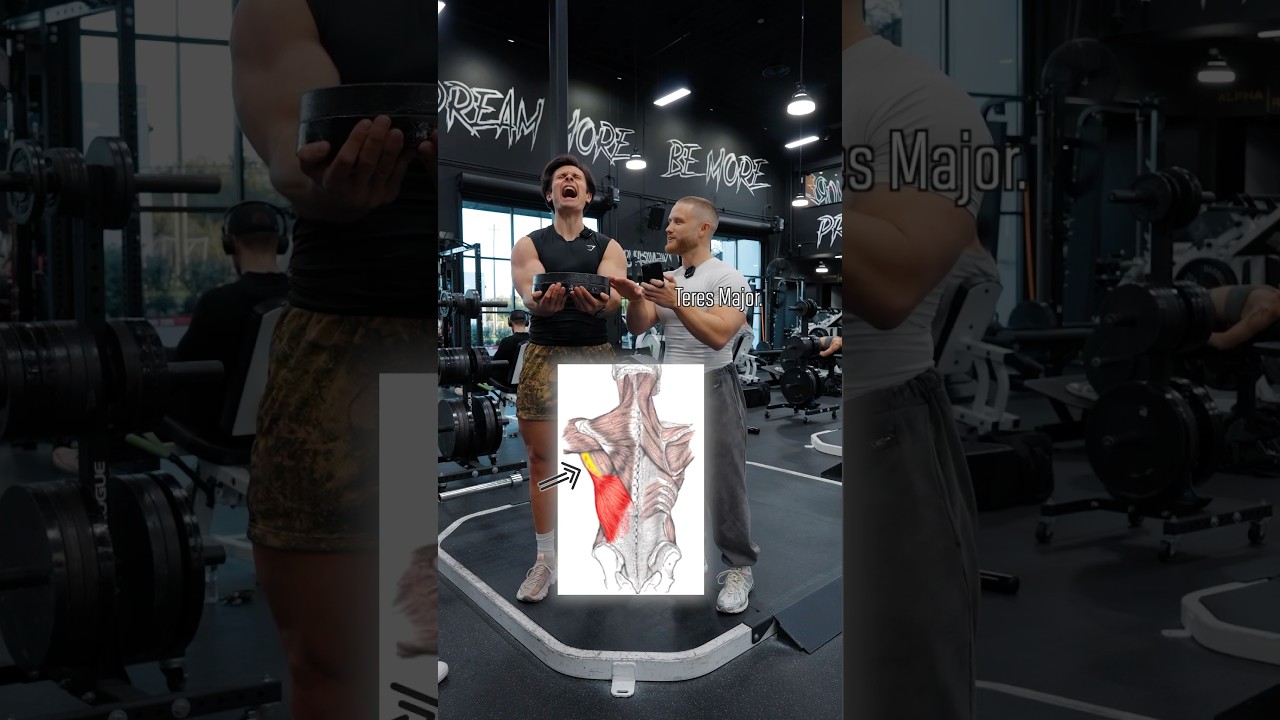
When it comes to muscle engagement, Tennyson highlights the importance of understanding which muscles are activated during specific exercises. For example, the engagement of the rhomboids in pull-ups and the rectus femoris in quad exercises are crucial for proper technique and results. A correct understanding of muscle anatomy can enhance workout effectiveness and prevent injury.
Focused Muscle Activation
Understanding muscle activation is key to targeted workouts. Exercises like rows and pullovers engage different muscle groups, with rows being more effective for mid-trap activation. This knowledge allows for more efficient workout planning and muscle development.
The Role of Vitamins and Nutrients
Diet plays a significant role in fitness, with vitamins and nutrients being critical for overall health and exercise performance. Tennyson correctly identifies kiwis as having more vitamin C per gram than oranges, highlighting the importance of informed dietary choices. According to a study in the Journal of Nutrition, vitamin C supports immune function and enhances recovery from intense exercise.
Exercise Techniques and Their Impact
Exercise technique can significantly impact muscle growth and strength. Tennyson discusses techniques like the banded reverse Nordic and exercises like standing calf raises, which can influence muscle hypertrophy. A study cited in the Journal of Applied Physiology suggests that varied exercise techniques can optimize different muscle groups' growth, underscoring the need for diverse workout routines.
Understanding Metabolic Health
Metabolic health encompasses various factors, including diet, exercise, and genetic predispositions. Tennyson's insights into high protein meals having a higher thermic effect than high-fat meals align with research findings. A high thermic effect can aid in weight management and metabolic efficiency, as supported by a study from the Harvard School of Public Health.
Research Supports Fitness Insights
Research plays a vital role in validating fitness insights. Tennyson's discussion on undulating periodization (DUP) reflects a training method supported by scientific evidence. According to the Sports Medicine journal, varying rep ranges throughout the week can prevent plateaus and enhance strength gains.
Key Takeaways
Did you know? Engaging different muscle groups through varied exercises can prevent workout plateaus and enhance overall fitness results.
FAQ
What is the best time to consume protein for muscle growth?
Research suggests that consuming protein within a few hours post-exercise is effective for muscle repair and growth.
How do different exercises affect muscle engagement?
Exercises like rows target mid-traps, while pullovers engage other muscle groups. Understanding these can optimize workouts.
Can diet influence metabolic health?
Yes, high protein meals have a higher thermic effect, aiding weight management and metabolic efficiency.
What is undulating periodization (DUP)?
DUP is a training method involving varied rep ranges throughout the week, enhancing strength gains and preventing plateaus.
Should I consume vitamin C for better recovery?
Vitamin C supports immune function and recovery from exercise, making it a valuable nutrient in your diet.
"snippet_answer": "Fitness influencer Will Tennyson challenges common myths about protein absorption and muscle engagement. He emphasizes the importance of informed dietary choices and varied exercise techniques to enhance metabolic health and workout efficiency."
Get Evidence-Based Health Tips
Join readers getting weekly insights on health, nutrition, and wellness. No spam, ever.
No spam. Unsubscribe anytime.