Meal Timing for Women: Post-Workout Window Matters

Summary
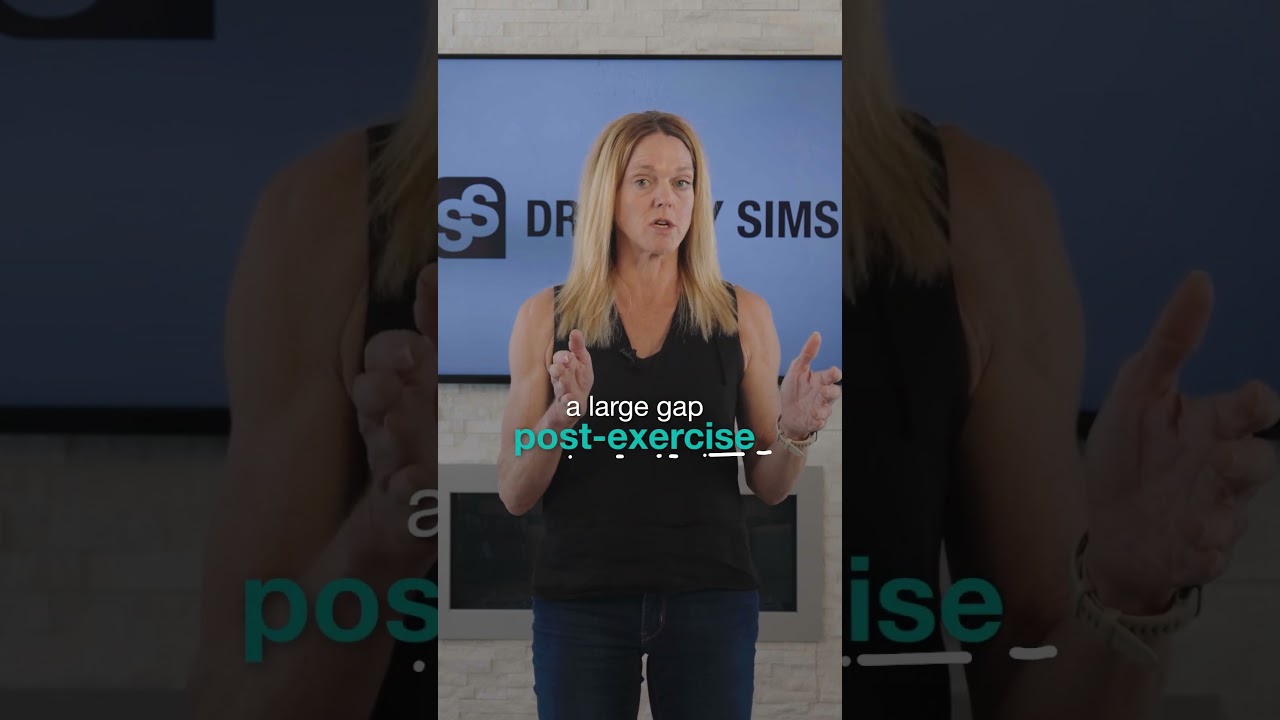
This video focuses on a surprisingly specific risk for active women: not just how much you eat, but when you eat, especially after training. The core idea is that delaying food post-workout can signal “low energy availability” to the brain even if total daily calories are adequate. In a 2019 study discussed in the video, women who ate enough overall but left a long post-exercise gap still developed menstrual cycle and hormone dysfunction. The practical takeaway is to treat the post-workout window as tighter for women, mainly to reduce low-energy signaling that may be linked with lean mass loss and fat gain.
A small timing choice with big downstream effects
The expert’s example is deceptively ordinary: a woman finishes a workout, gets busy, and waits a long time to eat.
What’s investigative here is the claim that the body may “read” that delay as a shortage, even when dinner later and breakfast earlier make total calories look fine on paper.
This framing shifts the usual debate. Instead of arguing about the perfect macro split, the discussion highlights a narrower question: what message does your brain receive right after exercise?
Pro Tip: If you regularly train before work, consider planning a small, portable recovery option you can eat soon after your session, rather than relying on a big meal hours later.
Low energy availability, explained like a signal problem
Low energy availability is described as not having enough nutrition coming in to support normal bodily functions, including endocrine health, plus the energy you expend during exercise.
The key insight is that timing matters because women may be more sensitive to nutrient density signals to the brain than men. When food is delayed after training, the brain may perceive that there is not enough energy available to “cover” the stress of exercise. That perception is the problem in this model.
This concept overlaps with the broader sports medicine framework known as relative energy deficiency in sport (RED-S), which links chronic low energy availability with disruptions across multiple body systems, including reproductive function and bone health (International Olympic Committee consensusTrusted Source). The video’s emphasis, though, is timing as a trigger for the signal.
Did you know? RED-S is recognized as affecting more than just menstruation and can involve metabolic rate, immunity, and cardiovascular health (IOC consensus statementTrusted Source).
The “bookended calories” trap after workouts
What the 2019 finding is used to argue
A 2019 study discussed in the video is used to make a specific point: women ate enough calories to support their bodies and training, but intake was “bookended” at the start and end of the day, leaving a large gap after exercise with no nutrition.
Even with adequate total calories, this pattern was associated with menstrual cycle and hormone dysfunction.
What the research shows: Low energy availability is strongly associated with menstrual disturbances in active women, especially when energy intake does not match training demands (ACOG overview of the female athlete triadTrusted Source).
Why it is not just a muscle-building conversation
The post-exercise window is described as “tighter” for women, not mainly for post-workout protein synthesis. The stated goal is to attenuate, meaning reduce, the signaling for low energy availability.
In this view, repeated low-energy signaling is linked with a body composition drift toward more lean mass loss and more fat gain.
How to tighten the post-workout window in real life
This is not about perfection. It is about reducing the long, silent gap after training.
Important: If you have irregular periods, recurrent injuries, or persistent fatigue alongside heavy training, consider discussing energy availability and training load with a clinician or sports dietitian. Guidelines recognize menstrual changes as a potential warning sign in active women (ACOGTrusted Source).
Key Takeaways
Frequently Asked Questions
- Is it enough to hit my daily calories if I eat most of them at night?
- The video’s perspective suggests not always. Even with adequate daily calories, a long gap after exercise may still signal low energy availability to the brain, which was linked with menstrual and hormone disruption in the 2019 example discussed.
- Is the post-workout window mainly about building muscle?
- In this video, no. The tighter post-workout window for women is framed primarily as a way to reduce low energy availability signaling, rather than focusing on protein synthesis alone.
- What are signs I should talk to a clinician about energy availability?
- Examples include missed or irregular periods, frequent injuries, unusual fatigue, or declining performance while training hard. A clinician can help evaluate nutrition, training load, and other possible contributors.
Get Evidence-Based Health Tips
Join readers getting weekly insights on health, nutrition, and wellness. No spam, ever.
No spam. Unsubscribe anytime.