Unexplained Weight Gain: Common Causes and Next Steps
Summary
Unexplained weight gain is often linked to everyday factors like changes in sleep, stress, activity, or diet, but it can also be related to medications, hormone shifts, or fluid retention. If the gain is rapid, comes with swelling or shortness of breath, or persists despite no clear changes, it’s worth checking in with a healthcare professional.
What “unexplained” weight gain usually means
Weight changes are not always a simple reflection of body fat.
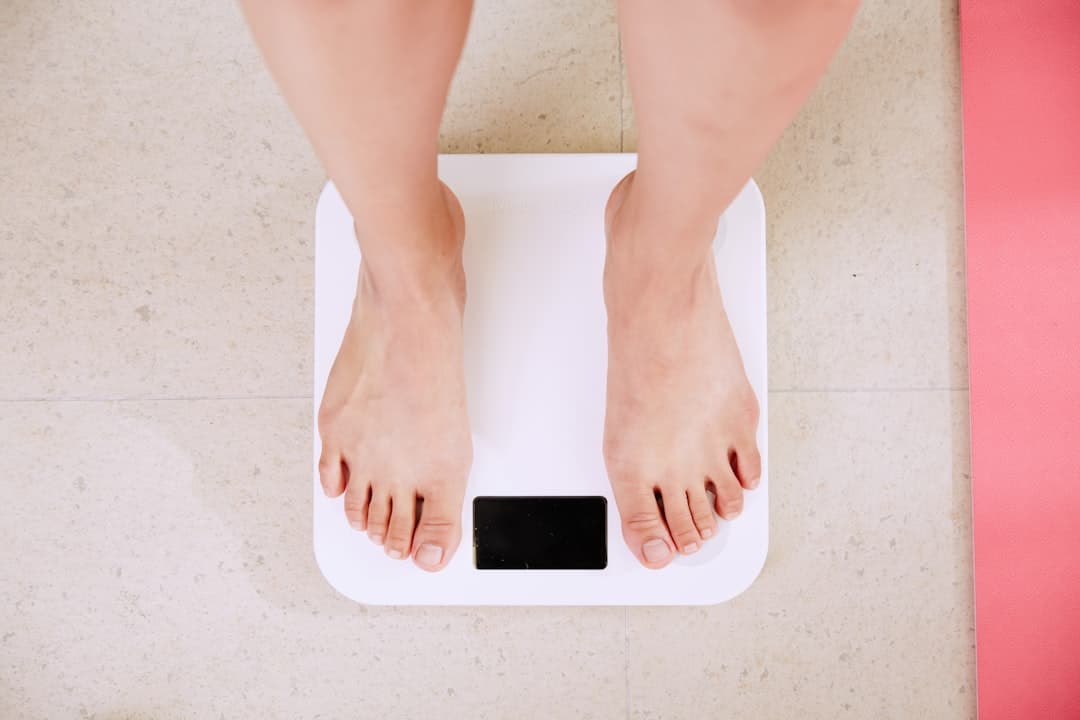
Your scale can move up because of water, constipation, inflammation after hard workouts, or changes in glycogen (stored carbohydrate) that naturally pulls water with it. A salty meal, a long flight, or a change in your menstrual cycle can do it.
That said, weight gain can feel “unexplained” when your routine has shifted in subtle ways. Many people eat and move the same “on paper,” but sleep less, sit more without noticing, snack a bit more while stressed, or recover from an illness that temporarily lowers daily activity.
If you are gaining steadily over weeks to months, it is reasonable to look for patterns and also consider health-related contributors.
Common reasons that sneak up on people
Sleep and stress
Short sleep can increase hunger and cravings and make it harder to feel full. It can also reduce motivation for activity the next day.
Stress can change eating patterns, increase comfort eating, and raise cortisol, which may promote fat storage for some people. Stress also affects routines, less meal planning, more takeout, more grazing.
Pro Tip: If you are working on weight, aim for a more Sleep-Friendly routine first. Consistent bed and wake times, morning light, and limiting late caffeine often make appetite and energy easier to manage.
Diet shifts that do not look dramatic
Portion sizes can creep up, especially with energy-dense foods and drinks.
Highly processed foods and Refined Carbohydrates can make it easier to overshoot calories because they digest quickly and are less filling for many people. Sugary drinks, specialty coffees, alcohol, and frequent “small” snacks are common culprits.
Also consider sodium. Higher salt intake can cause noticeable water retention, which can look like sudden weight gain even when body fat has not changed.
Activity changes, even without “stopping exercise”
A new job, injury, or busy season can reduce daily movement more than you realize. Many people keep their workouts but walk less, take fewer stairs, or sit longer.
If you recently increased exercise, the scale can rise temporarily from muscle inflammation and water retention. This is especially common when you increase Training Volume or start strength training after time off.
Strength work matters for long-term weight management because it supports muscle mass and resting energy use. Most guidelines suggest including Muscle-Strengthening Activities regularly, adapted to your ability and any injuries.
Hormonal and life-stage changes
Menstrual cycle changes can cause predictable water retention and appetite changes.
Perimenopause and menopause can shift body composition and fat distribution, even without major changes in habits. Pregnancy and postpartum changes can also affect sleep, appetite, and activity in ways that make weight management harder.
Medications and substances
Some medications are well known to contribute to weight gain in certain people, including some antidepressants, antipsychotics, steroids, seizure medications, insulin, and some diabetes drugs. Some people also notice changes after starting or stopping nicotine.
Steroids deserve special mention. They can increase appetite and fluid retention, and long-term use can have broader effects, including risks related to Immune System Suppression.
Do not stop a prescribed medication on your own. If you suspect a medication is contributing, ask your clinician if there are alternatives or ways to reduce the impact.
Medical causes that are worth checking
Most unexplained weight gain is not caused by a serious disease. Still, a few conditions are common enough that clinicians often look for them, especially when weight gain is persistent or accompanied by other symptoms.
Examples your clinician may consider include:
Sometimes the issue is not “more calories” but “less output” due to pain or limited mobility. If hip or knee pain is limiting walking, a physical therapist may use targeted strengthening, including movements like Hip Abduction, and mobility work based on Active and Passive Range of Motion.
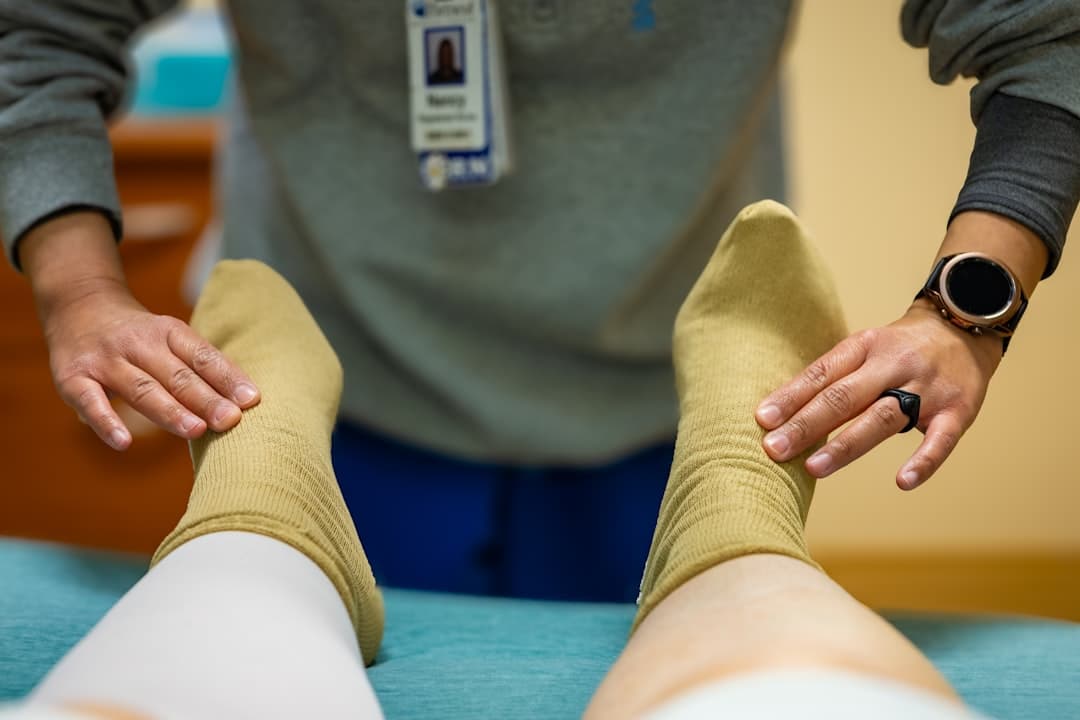
Important: Seek urgent care if weight gain is rapid and paired with shortness of breath, chest pain, fainting, or new one-sided leg swelling. These symptoms can signal fluid overload or a blood clot and should not wait.
How to tell what’s normal vs worth a medical visit
A small fluctuation over a few days is common. Bowel habits, salt intake, and menstrual cycle timing can easily move the scale.
It is more concerning when weight increases quickly without an obvious trigger, or when it comes with symptoms that suggest fluid retention or a hormone or medication effect.
Consider booking an appointment if any of these fit:
If your clinician orders blood tests, they often focus on common, treatable issues such as thyroid function, blood sugar, and sometimes lipids. Cholesterol patterns, including LDL, can also help guide overall cardiometabolic risk discussions even if they do not directly explain weight gain.
Things that often help (even before you have answers)
You do not need a perfect plan to get useful information.
A short “reset” period of consistent routines is often enough to reveal what is driving the change. Aim for changes you can keep doing, not a crash diet.
Practical steps that tend to help many people:
Weight is also not just willpower. Biology changes over time, and factors like sleep, stress, hormones, and even perceptions of hunger can shift with age. Many people notice that maintaining weight feels harder as they get older, partly due to changes in muscle mass, activity, and overall health, sometimes discussed as changes in Aging Speed.
Key takeaways
Frequently Asked Questions
- Can constipation cause weight gain on the scale?
- Yes. Constipation can temporarily increase scale weight because of stool and gas, and it can also be linked with bloating. If constipation is persistent, painful, or accompanied by blood in the stool, talk with a healthcare professional.
- Why did I gain weight after starting to work out?
- New or harder workouts can cause short-term water retention from muscle repair and inflammation, and increased glycogen storage can also add water weight. If your clothes fit the same and your strength is improving, it may be a temporary change, but ongoing gain is worth reviewing diet, recovery, and overall activity.
- Does drinking alcohol make weight gain more likely even if I do not eat more?
- Alcohol can add calories, lower inhibitions around food, and disrupt sleep, which can indirectly increase appetite the next day. Some people also retain more water after drinking, especially with salty foods.
- Should I ask for thyroid testing for unexplained weight gain?
- It can be reasonable to discuss if you also have symptoms like fatigue, constipation, feeling cold, or hair and skin changes, or if you have a personal or family history of thyroid disease. A clinician can decide whether testing is appropriate and interpret results in context.
Get Evidence-Based Health Tips
Join readers getting weekly insights on health, nutrition, and wellness. No spam, ever.
No spam. Unsubscribe anytime.