Is it safe to take aspirin with herbal supplements?
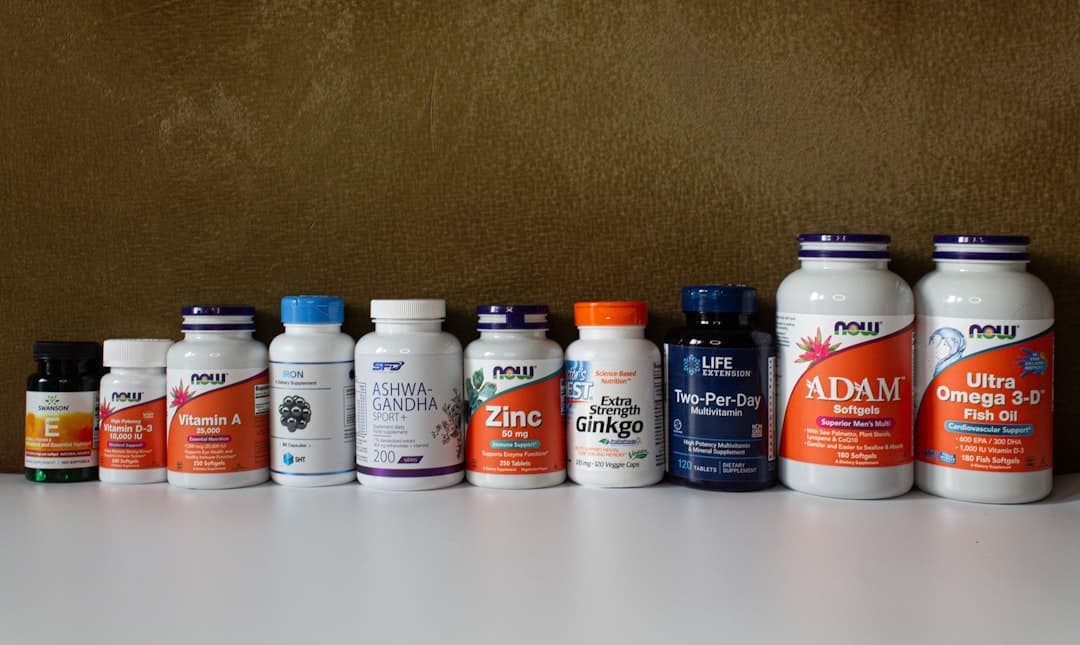
Summary
It is not always safe to take aspirin with herbal supplements because several popular herbs can increase bleeding risk or change how aspirin affects your stomach, blood pressure, or blood sugar. The safest approach is to check each supplement individually with a pharmacist or clinician, especially if you take daily aspirin or have bleeding risks.
The Short Answer
Aspirin is a blood thinner in the sense that it reduces platelet “stickiness,” so it can make bleeding easier to start and harder to stop. That is helpful for some people at high risk of heart attack or stroke, but it also means interactions matter.
Many herbal supplements also influence bleeding, clotting, blood pressure, or sedation. When you combine them with aspirin, the effects can stack, even if each product seems “natural” or low dose.
Most guidelines and clinicians recommend extra caution if you take aspirin every day, take any other blood thinner, or are preparing for a procedure. A pharmacist can often give a fast, practical interaction check if you bring the exact product name and dose.
Important: Do not stop prescribed aspirin on your own, especially if it was recommended after a heart attack, stroke, or stent. Stopping suddenly can increase clot risk. Contact the clinician who prescribed it to discuss safer alternatives or timing.
Why aspirin and herbs can be a risky mix
Aspirin affects platelets for days. That is why a “small” interaction can still matter if it repeats daily.
Herbal products are also variable. Two bottles labeled with the same herb can have very different strengths, added ingredients, or contaminants, and some blends include multiple herbs that act on the same pathways.
The biggest safety concern is bleeding, including gastrointestinal bleeding. Aspirin can irritate the stomach lining and increase ulcer risk, and some herbs may add to that risk directly or indirectly.
There are also non-bleeding interactions. Some supplements can lower blood pressure or blood sugar, increase drowsiness, or affect liver enzymes that process medications. Those effects may be subtle at first, then show up as falls, fainting, or unexpected lab changes.
Supplements that commonly raise concern with aspirin
Not every herb is a problem, but certain categories come up often in clinical practice.
Herbs and supplements that may increase bleeding tendency
These are commonly flagged because they may reduce platelet function, affect clotting factors, or irritate the gastrointestinal tract. The evidence quality varies by product, but the safety approach is usually conservative when aspirin is involved.
Herbs that can change blood pressure, blood sugar, or sedation
Bleeding is not the only issue.
Who should be especially cautious
Some people can take occasional aspirin with a simple multivitamin and have no issues. Others have a much narrower safety margin.
You should get individual medical advice before combining aspirin with herbal supplements if any of the following apply:
Safer ways to combine aspirin with supplements
Sometimes the goal is reasonable, for example supporting muscle health or reducing muscular fatigue, but the plan needs to be structured.
Start by clarifying why you are taking aspirin. Daily aspirin for secondary prevention (after certain cardiovascular events) is a different risk-benefit situation than occasional aspirin for pain.
Then use a “one change at a time” approach:
Pro Tip: Take photos of the front and “Supplement Facts” panel of every product you use. It makes interaction checks faster and more accurate than trying to remember ingredient names.
Warning signs: when to stop and get medical help
If you notice signs of bleeding or an allergic reaction after combining aspirin with an herbal supplement, stop the supplement and seek medical advice promptly.
Seek urgent care (or emergency care) if you have:
If the main issue is mild stomach pain, easy bruising, or heartburn, contact a clinician soon for guidance rather than waiting. Stress, dehydration, and changes in sleep can also worsen symptoms, so consider whether shifts in stress physiology are contributing while you get checked.
Key Takeaways for safer use
Frequently Asked Questions
- Is it safer to take “baby aspirin” with herbs than regular-strength aspirin?
- Lower-dose aspirin may reduce some side effects, but it still affects platelets and can still interact with herbs that increase bleeding. If aspirin is recommended for you, ask a clinician or pharmacist to review your exact dose and supplement list.
- Can I take aspirin with herbal teas, not capsules?
- Herbal teas can still contain active compounds, and some blends include multiple herbs with overlapping effects. If you drink a tea daily or in large amounts, treat it like a supplement and check it for interactions.
- How long before surgery or dental work should I stop herbal supplements if I take aspirin?
- Timing depends on the specific herb, your bleeding risk, and why you take aspirin. Many clinicians recommend stopping certain supplements ahead of procedures, but you should confirm a plan with the surgeon, dentist, or prescribing clinician rather than guessing.
- What should I tell my clinician to get the best interaction advice?
- Share the aspirin dose and why you take it, plus every supplement name, dose, and how often you use it (including teas and powders). Mention any history of ulcers or bleeding, and any upcoming procedures, since those factors can change the recommendation.
Get Evidence-Based Health Tips
Join readers getting weekly insights on health, nutrition, and wellness. No spam, ever.
No spam. Unsubscribe anytime.