Why Do I Get Bloated After Eating? Common Causes
Summary
Bloating after eating is usually caused by gas buildup, slower digestion, or sensitivity to certain foods, and it is often uncomfortable but not dangerous. If it happens frequently, is getting worse, or comes with red-flag symptoms like severe pain, vomiting, or weight loss, it is a good idea to check in with a healthcare professional.
What bloating after eating typically feels like
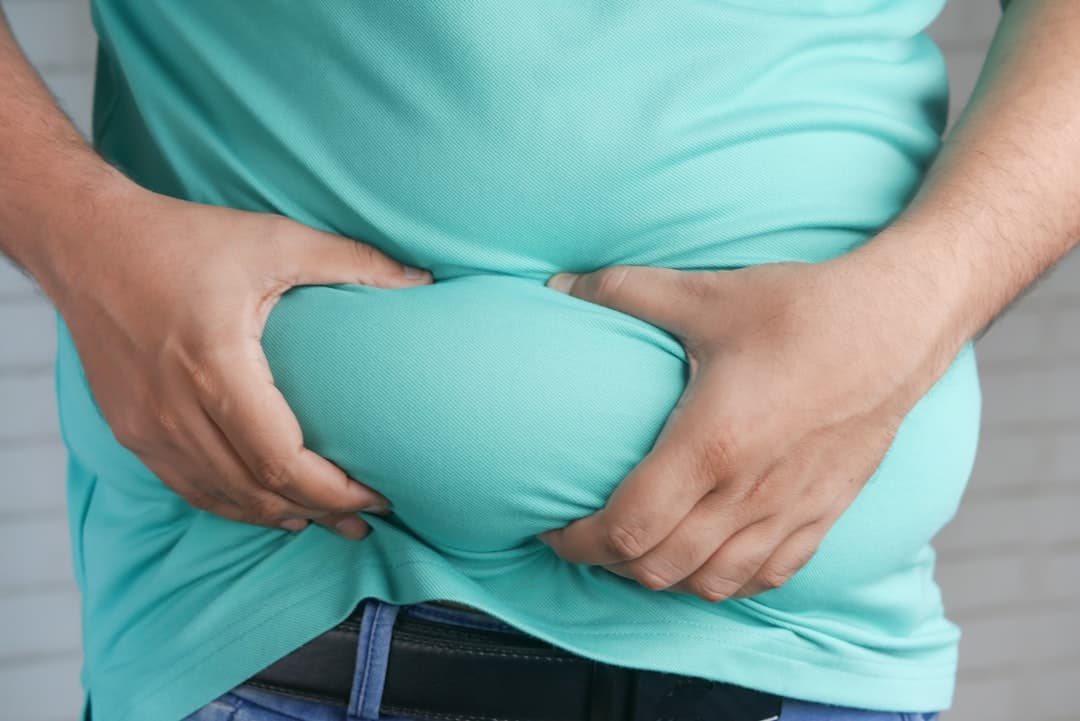
Bloating is the sensation of fullness, pressure, or visible swelling in the belly after a meal. Some people describe it as tightness, like their waistband suddenly shrank.
It can come with burping, passing gas, mild cramping, or noisy digestion. It can also happen even when you have not eaten a large amount.
For many people, bloating is occasional and linked to a specific meal, eating pattern, or stress level. When it becomes frequent, it is worth looking for patterns and discussing it with a clinician, especially if it is new for you.
Common reasons you bloat after eating
Gas from normal digestion
A lot of bloating is simply gas.
Your gut bacteria break down parts of food you do not fully digest, especially certain carbohydrates and fibers. That fermentation can create gas, which stretches the intestines and triggers the bloated feeling.
This is more likely after meals that are higher in beans, lentils, some vegetables, certain fruits, whole grains, or added fibers. These foods are healthy for many people, but your gut may need time to adjust.
Swallowing air while eating or drinking
You can bloat without “making” extra gas at all, sometimes you just swallow more air.
Eating quickly, talking while chewing, drinking through a straw, chewing gum, smoking, or having fizzy drinks can increase swallowed air. That air has to go somewhere, so it can lead to burping and a distended belly.
Food intolerance or sensitivity
Some people bloat because they do not tolerate a specific ingredient well.
Lactose intolerance is a classic example, lactose is a sugar in milk that can cause gas and bloating if you do not have enough lactase enzyme. Fructose (in some fruits, juices, and sweeteners) and sugar alcohols (often in “sugar-free” products) can do something similar.
Gluten is another common suspect, but the reasons vary. Some people have celiac disease (an immune condition), while others may have non-celiac gluten sensitivity or react to other components in wheat-based foods.
Constipation and slower transit
If stool is moving slowly through the colon, gas and fluid can build up behind it.
Constipation does not always look like “not going.” You might go daily but still feel incomplete, strain, or pass small hard stools. Bloating that improves after a bowel movement often points in this direction.
Functional gut disorders (like IBS)
Irritable bowel syndrome (IBS) can cause bloating after eating, along with abdominal pain and changes in bowel habits (diarrhea, constipation, or both).
One reason is gut sensitivity. The intestines may feel overly “stretched” even with normal amounts of gas or food, so the sensation is stronger. Stress and Emotional Health can also influence symptoms through the gut-brain connection.
Hormonal shifts
Many people notice bloating around their period due to fluid retention and changes in gut motility.
During perimenopause and menopause, shifts in hormones can also change digestion and body water balance. If you are considering or already using Menopause Hormone Therapy, ask your clinician whether bloating could be a side effect or related to another issue.
Normal bloating vs. symptoms worth checking
Occasional bloating after a big meal or a gassy food is common.
More persistent bloating deserves a closer look, especially if it is new, happening most days, or affecting your appetite and quality of life. The goal is not to self-diagnose, it is to decide whether simple changes are reasonable to try first, or whether you should be evaluated.
Important: Seek urgent medical care if bloating comes with severe or worsening abdominal pain, a rigid or very tender abdomen, repeated vomiting, blood in vomit or stool, black tarry stools, fainting, chest pain, or inability to pass gas or stool. These can signal an Acute Safety Problem and should not be watched at home.
It is also a good idea to book a non-urgent appointment if you notice unexplained weight loss, persistent diarrhea, ongoing constipation that is not improving, fevers, anemia, new symptoms after age 50, or a strong family history of colon cancer, celiac disease, or inflammatory bowel disease.
Things that often help (without overcorrecting)
Start with one or two changes for a couple of weeks, not everything at once. A short “try and learn” approach makes it easier to figure out what actually helps.
Slow your eating pace and reduce swallowed air. Try smaller bites, chew thoroughly, and put utensils down between bites. If carbonated drinks, gum, or straws are part of your routine, removing them for a Buy-in Period can clarify whether they are contributing.
Track patterns, not perfection. A simple note of what you ate, when symptoms started, bowel habits, and stress level can be more useful than counting every calorie. Include sleep and major stressors, since gut symptoms often flare when Emotional Health is strained.
Adjust fiber gradually. Fiber can reduce constipation and improve gut health, but ramping up too fast can increase gas. Generally recommended is to increase fiber slowly and pair it with adequate fluids, and ask a clinician for personalized guidance if you have IBS or chronic constipation.
Consider a targeted trial of a suspected trigger. If dairy seems to reliably cause symptoms, a short lactose-free trial is often reasonable. If you suspect gluten, talk with a healthcare professional before removing it, testing for celiac disease is more accurate while you are still eating gluten.
Support regular bowel movements. Hydration, movement, and routine matter. Even gentle walking after meals can help some people move gas through more comfortably.
Pro Tip: If you are trying to identify food triggers, change one variable at a time. For example, keep your usual breakfast and lunch the same for a week while you test one dinner change. This reduces false “hits.”
A note on supplements: “digestive enzymes,” probiotics, and herbal products help some people and do nothing for others. They can also interact with medications or worsen symptoms in certain conditions. It is safest to review them with a pharmacist or clinician, particularly if you are pregnant, immunocompromised, or managing chronic disease.
What a clinician may check for
If bloating is frequent, a healthcare professional may ask about timing (immediate vs. hours later), stool patterns, medications, and diet.
Testing depends on your symptoms and exam. It may include blood work for anemia or inflammation, testing for celiac disease, stool tests, breath testing for certain carbohydrate intolerances or bacterial overgrowth in selected cases, or imaging if there are concerning features.
Medication review is important. Some common medicines and supplements can contribute to constipation or gas, including certain iron products and some pain medications.
Nutrition can come up too. If your eating pattern is restrictive or unbalanced, your clinician may discuss overall intake, including Micronutrients. This is not because micronutrients directly “cause” bloating in most people, but because nutrition status can affect gut function, energy, and recovery if you need dietary changes.
Key takeaways
Frequently Asked Questions
- Why do I look pregnant after eating even if I did not eat much?
- A visibly distended belly after small meals can happen when the gut is sensitive to normal stretching, when you swallow air, or when constipation traps gas. If it is new, persistent, or associated with pain, weight loss, or vomiting, a healthcare professional can help rule out less common causes.
- Can anxiety or stress cause bloating after meals?
- Yes. Stress can change gut motility and increase gut sensitivity, which can make normal digestion feel more uncomfortable. If stress seems linked to symptoms, supporting [Emotional Health](/glossary/emotional-health) and discussing IBS-type symptoms with a clinician can be helpful.
- Is bloating after eating a sign of food allergy?
- Most bloating is not a classic food allergy. True allergies are more likely to cause hives, swelling, wheezing, or rapid onset symptoms after exposure. If you suspect an allergy or have any breathing or swelling symptoms, seek medical advice promptly.
- Do probiotics help with bloating?
- They can help some people, especially if bloating is related to certain IBS patterns, but results are variable and strain-specific. If you want to try one, consider discussing it with a clinician or pharmacist, and stop if symptoms worsen.
Get Evidence-Based Health Tips
Join readers getting weekly insights on health, nutrition, and wellness. No spam, ever.
No spam. Unsubscribe anytime.