Hydration
The Hydration niche focuses on the essential role of fluids in maintaining optimal health and body function. It encompasses topics such as the benefits of proper water intake, the science behind electrolyte balance, signs of dehydration, and its management. This niche also covers hydration strategies for various lifestyles, the impact of hydration on athletic performance, and the role of hydration in different health conditions like kidney function and heat exhaustion.
Explore Topics
In-depth topics to explore in Hydration.
Hydration: Complete Guide
Hydration is more than “drink more water.” It is the ongoing balance of water and electrolytes that keeps your blood volume, temperature, brain function, kidneys, and performance working properly. This guide explains how hydration works, how much you likely need, when plain water is enough versus when electrolytes matter, and how to hydrate safely in real life.
Dehydration: Complete Guide
Dehydration happens when you lose more fluid than you take in, reducing blood volume and impairing how your body regulates temperature, circulation, and electrolytes. This guide explains how dehydration works, how to spot it early, when it becomes dangerous, and the most effective ways to prevent and treat it based on current evidence.
Electrolytes: Complete Guide
Electrolytes are essential minerals that regulate fluid balance, nerve signaling, and muscle contraction, making them central to hydration, exercise performance, and everyday energy. This guide explains how electrolytes work, when you likely need more, how to get them from food or supplements, and how to avoid common mistakes like overdoing sodium or missing magnesium.
All Articles
Why Dehydration Can Trigger Headaches
Headaches can happen with dehydration because your brain and blood vessels are sensitive to changes in fluid balance, blood volume, and electrolytes. Rehydrating, resting, and addressing triggers like heat, alcohol, or illness often helps, but recurrent or severe headaches deserve medical advice.
Hydration Lessons From YouTubers Who Barely Survived
Dr. Mike’s video is not a “drink more water” lecture, it is a tour of real emergencies where hydration quietly changes outcomes. From vomiting and suspected appendicitis to burns, head injuries, and shock, the key theme is simple: fluids matter most when your body is under stress, and you need to recognize when oral hydration is not enough. This article breaks down the video’s most useful medical reasoning, especially around dehydration risk, IV fluids, and when to seek urgent care. You will also learn practical, safer hydration steps for illness, heat, injuries, and recovery.
Too Much Salt: Why You Feel Puffy and Thirsty
Salt can quietly reshape how you feel day to day, especially your hydration and swelling. The video’s core message is simple: most people already get plenty of salt from food, so adding more is usually unnecessary. It highlights common intake around 3,500 mg per day in the US and Canada, far above recommended levels. Too much salt can make you retain water, feel puffy, and may contribute to stiffer blood vessels and higher blood pressure over time. The biggest culprits are often processed and restaurant foods, not your salt shaker.
Fresh vs Frozen Produce: What Doctors Recommend
You are standing in the produce aisle, debating fresh broccoli that might sit in your fridge for a week versus a frozen bag that lasts months. In this doctor-led discussion, the surprising takeaway is that frozen fruits and vegetables are often nutritionally comparable to fresh, and sometimes even better, because they are typically picked at peak ripeness and frozen quickly. The video breaks down the freezing process (washing, blanching, ice bath, flash freezing at about -30 to -40°C), tackles common myths about preservatives and “bad quality” produce, explains why some foods get mushy, and clarifies what freezer burn really does.
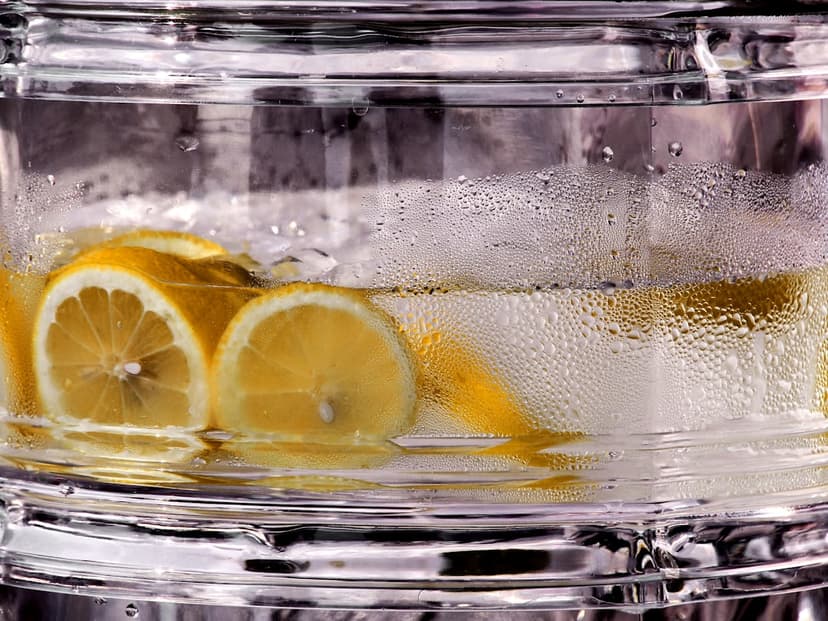
Unlocking the Benefits of Daily Lemon Cucumber Water
Drinking lemon cucumber water every day can offer numerous health benefits. From reducing oxidation and inflammation to improving joint mobility and digestion, this hydrating beverage is packed with electrolytes like potassium and magnesium. The expert insights reveal how the natural diuretic properties of cucumbers and lemons can aid in reducing swelling and enhancing liver and gallbladder function. Supported by research, this article delves into the specifics of how this simple drink can improve your well-being.
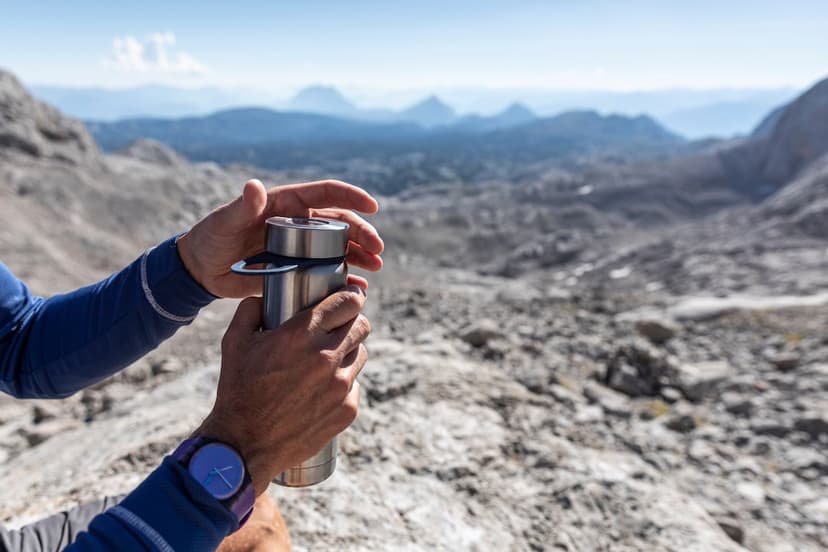
Reducing Microplastic Exposure: Insights from Peter Attia
In a detailed discussion, Peter Attia outlines five effective strategies to minimize microplastic exposure. These include investing in quality coffee makers, choosing stainless steel water bottles, improving air filtration, using glass food containers, and adopting reverse osmosis water filters. While complete mitigation is impossible, these steps aim to significantly reduce exposure. Supported by scientific research, Attia emphasizes a balanced approach considering cost and effort.