Reducing Microplastic Exposure: Insights from Peter Attia
Summary
In a detailed discussion, Peter Attia outlines five effective strategies to minimize microplastic exposure. These include investing in quality coffee makers, choosing stainless steel water bottles, improving air filtration, using glass food containers, and adopting reverse osmosis water filters. While complete mitigation is impossible, these steps aim to significantly reduce exposure. Supported by scientific research, Attia emphasizes a balanced approach considering cost and effort.
🎯 Key Takeaways
- ✓Invest in stainless steel coffee makers to avoid plastic exposure.
- ✓Switch to stainless steel or glass water bottles, especially in warm conditions.
- ✓Improve home air quality with advanced HEPA filtration systems.
- ✓Use glass containers for food storage and heating.
- ✓Consider reverse osmosis water filters for cleaner drinking water.
Understanding Microplastic Exposure
Microplastics are tiny plastic particles that have become a pervasive part of our environment. They originate from various sources, including the degradation of larger plastic waste. These particles can be ingested or inhaled, posing potential health risks. While research is ongoing, the precautionary principle suggests taking steps to minimize exposure whenever possible.
The Cost-Effort Framework
Peter Attia introduces a framework to evaluate the effectiveness and feasibility of reducing microplastic exposure. This involves considering the cost (both monetary and effort-wise) against the potential reduction in exposure. Attia emphasizes that complete mitigation is unattainable but encourages making informed decisions based on individual circumstances.
Important: The framework is not a one-size-fits-all solution. Personal decisions should be informed by weighing costs against benefits.
Choosing the Right Coffee Maker
A significant source of microplastic exposure is through household appliances that use plastic components. Attia highlights coffee makers as a particular concern. Many traditional drip coffee makers have plastic components that come into contact with hot water, potentially releasing microplastics. He recommends investing in a stainless steel coffee maker to eliminate this risk. Despite the higher upfront cost, the long-term benefits and reduction in exposure justify the investment.
Did You Know? According to research, reducing plastic components in daily-use items can significantly lower microplastic exposure.
Benefits of Stainless Steel Water Bottles
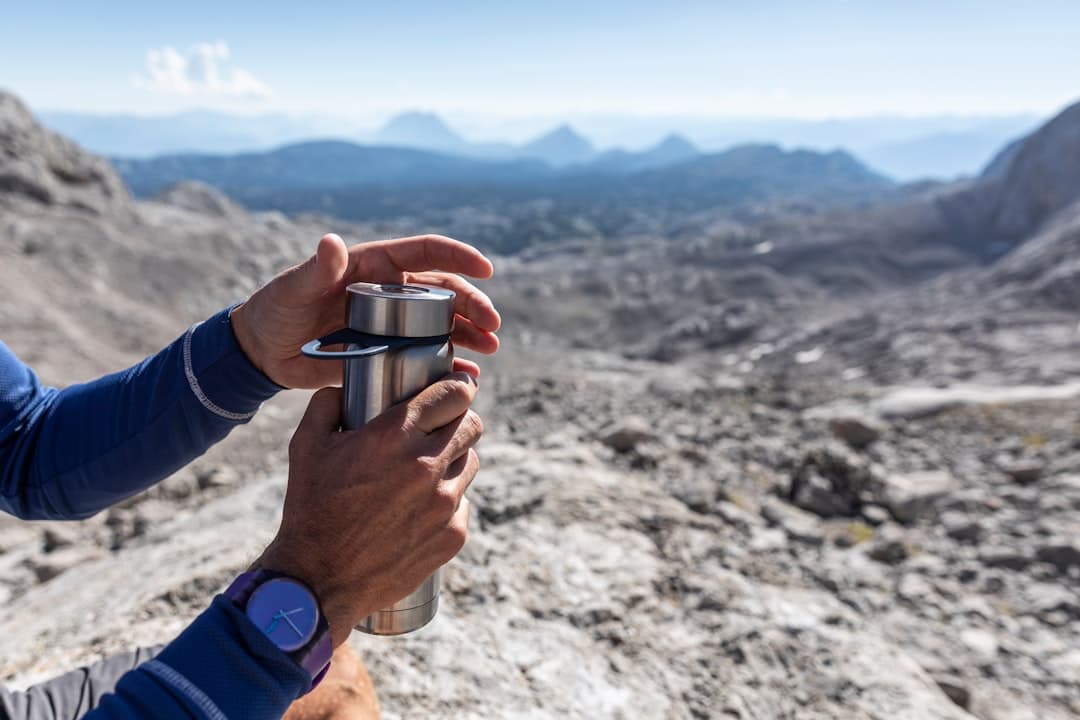
Water bottles are another common source of microplastic exposure. Traditional plastic bottles can leach particles, especially when exposed to heat. Attia suggests switching to stainless steel water bottles, which do not leach microplastics and are highly durable. This change is particularly beneficial for those who frequently use water bottles during outdoor activities.
Comparing Options
Plastic Bottles: Inexpensive but potentially harmful due to microplastic leaching. Stainless Steel Bottles: Higher cost but safe and environmentally friendly.
Enhancing Air Quality with HEPA Filters
Air quality plays a crucial role in microplastic exposure. Attia explains the importance of using HEPA filters to trap tiny particles, including microplastics. While standard HVAC systems may not support high-efficiency filters, supplemental units can be added to improve air filtration. This upgrade represents a significant investment but offers substantial benefits in reducing airborne microplastic exposure.
Pro Tip: Consult with HVAC professionals to determine the best filtration system for your home.
Switching to Glass Food Containers
Plastic food containers are another source of microplastic exposure, particularly when used to store or reheat food. Attia advocates for using glass containers, which are safer and do not leach harmful particles. Although glass containers can be more expensive, they are durable and provide a safer option for food storage.
The Role of Reverse Osmosis Water Filters
Water filtration is a critical step in reducing microplastic exposure. Attia recommends reverse osmosis filters, which effectively remove contaminants from drinking water. While installing these systems can be costly, they provide a significant reduction in microplastic and other pollutant exposure over time.
What the research shows: Reverse osmosis is one of the most effective methods for removing microplastics from water, supported by studies.
Evaluating the Overall Impact
Implementing these strategies involves a balance of cost, effort, and benefit. Attia's approach emphasizes making practical and informed choices, prioritizing changes that offer the greatest reduction in microplastic exposure for the least cost and effort. By following these recommendations, individuals can make meaningful strides in protecting their health.
Key Takeaways
Sources & References
Frequently Asked Questions
- What are microplastics?
- Microplastics are tiny plastic particles that originate from the breakdown of larger plastic waste, found in various environments.
- How can I reduce microplastic exposure at home?
- Use stainless steel or glass containers, improve air filtration, and consider reverse osmosis water filters to reduce exposure.
- Are stainless steel water bottles safer than plastic?
- Yes, stainless steel bottles do not leach microplastics and are more durable, making them a safer choice.
- What is the benefit of using HEPA filters?
- HEPA filters trap tiny particles, including microplastics, improving indoor air quality and reducing exposure.
Get Evidence-Based Health Tips
Join readers getting weekly insights on health, nutrition, and wellness. No spam, ever.
No spam. Unsubscribe anytime.