Harnessing Long Wavelength Light: How Leaves Boost Mitochondrial Health
Summary
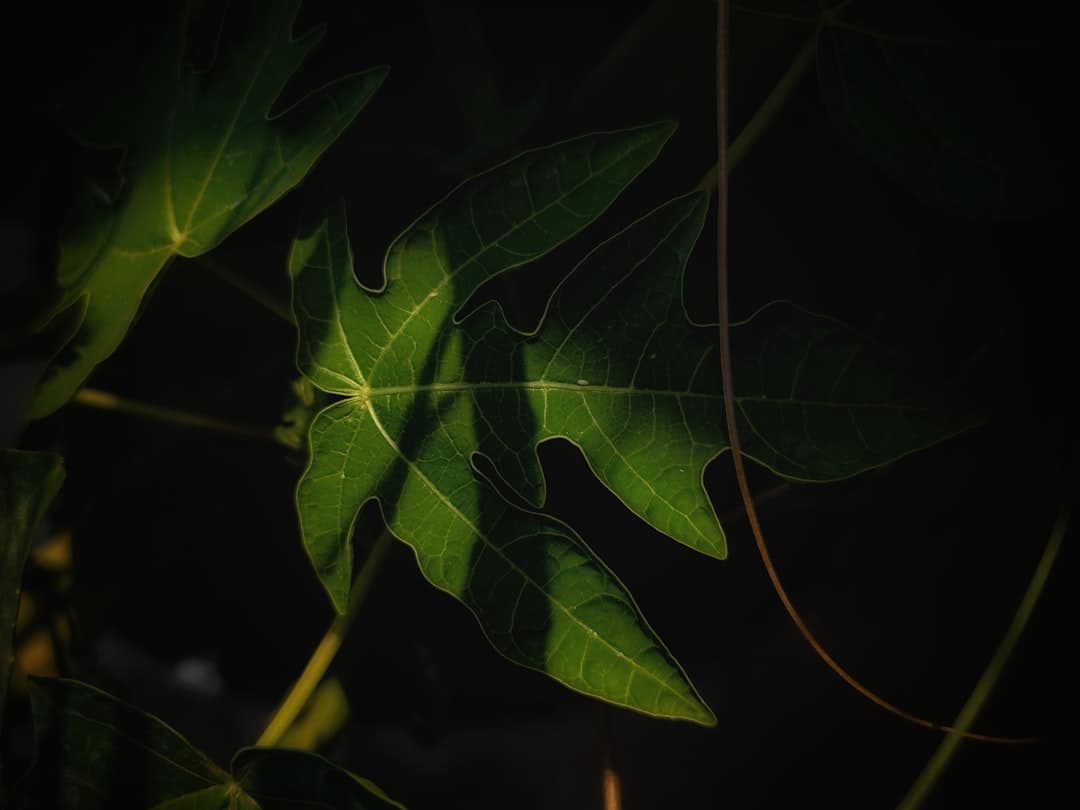
Green leaves do something counterintuitive, they can boost your exposure to infrared light while also making an area feel cooler. The video’s core idea is that chlorophyll rich plants reflect long-wavelength (infrared) light, so a sunny park or tree-lined street may deliver two to four times more infrared than a sunlit area with little greenery. That framing offers a fresh, testable way to think about why green spaces are linked with better health outcomes. Research on long-wavelength light suggests potential mitochondrial effects, but real-world benefits likely come from multiple factors working together.
🎯 Key Takeaways
- ✓Chlorophyll rich leaves and grass are highly reflective of infrared light, which can change the light environment around you.
- ✓In a sunny green space, you may get roughly two to four times more infrared exposure than in a sunny area without greenery (as framed in the video).
- ✓Infrared photography is a simple way to visualize this, vegetation often appears bright white because it reflects infrared strongly.
- ✓Shade under a tree can feel cooler partly because leaves reflect infrared, not because they absorb and radiate heat the same way many surfaces do.
- ✓Studies associate living near green space with lower rates of diabetes, hypertension, and mortality, although infrared reflection is likely only one piece of the puzzle.
The surprising claim: greenery can increase infrared exposure
On a sunny day, standing near trees and grass may expose you to two, three, even four times more infrared light than standing in a sunny place without greenery.
That is the video’s unusual lens on “nature and health.” Not just cleaner air or stress relief, but a different light environment created by leaves.
This framing centers on a specific property of plants: anything with chlorophyll is described as highly reflective of infrared light. In other words, the greenery around you is not just passively sitting there, it is bouncing long-wavelength light back into the space you occupy.
Did you know? In infrared filtered images, trees and grass can appear bright white, almost like they are dusted with snow, because vegetation reflects infrared strongly.
Why leaves look “lit up” in infrared photos
The quickest “field test” offered is simple: search for infrared photography and look at landscapes.
Vegetation often looks like it is glowing.
A practical way to verify the concept
This is investigative in the best sense, it invites you to check the claim visually.
The plant side of this story starts with chlorophyll itself, the pigment that enables photosynthesis and can be measured in leaves using lab methods described in research on chlorophyll quantification (leaf chlorophyll measurement methodsTrusted Source).
Cool shade, hot pavement: what your skin is noticing
Touch a sun-baked object like metal or dark pavement and it can feel extremely hot.
Touch a leaf in the sun and it often does not feel hot in the same way.
The video’s explanation is straightforward: the leaf is reflecting more of that infrared energy rather than absorbing it and heating up. This also connects to a familiar experience, the coolest place in a garden on a hot day is often under a tree.
Pro Tip: If heat is your barrier to getting outside, try a short walk that stays under tree cover, then reassess how you feel. Shade can change both comfort and how long you can tolerate being outdoors.
Mitochondria angle: what long-wavelength light research suggests
The video links reflected infrared to mitochondrial health, a popular topic because mitochondria are the cell’s energy hubs.
Research in controlled settings suggests that exposure to long-wavelength light may influence mitochondrial function, including in aging contexts (long-wavelength light and aged mitochondriaTrusted Source). The key nuance is that these studies often involve specific wavelengths, doses, and exposure conditions that are not identical to a casual afternoon under trees.
What the research shows: Reviews of long-wavelength light exposure describe measurable biological effects in certain models, including changes related to mitochondrial performance (mitochondrial effects overviewTrusted Source).
So the most responsible takeaway is not “trees treat mitochondria,” but that green spaces may change your light exposure in a way that could be biologically relevant, alongside many other benefits.
How to try this idea safely in daily life
This is not about chasing infrared at all costs.
It is about choosing environments that stack multiple advantages, comfort, movement, and potentially light quality.
Q: If shade is cooler, does that mean I am getting less “useful” light?
A: Not necessarily. The video’s point is that shade under trees can feel cooler while the surrounding greenery may still increase infrared light in that environment. If you are managing heat, tree cover can be a practical way to stay outside longer.
A. Rivera, MPH
Key Takeaways
Sources & References
Frequently Asked Questions
- How can I see infrared reflectance without special equipment?
- You can search online for infrared photography of landscapes and compare how vegetation looks versus pavement and buildings. While it is not a personal measurement, it can help you visualize the reflectivity pattern described in the video.
- Does spending time in green spaces replace medical treatment for diabetes or hypertension?
- No. Living near green spaces is associated with lower risk in population studies, but it does not replace clinical care. If you have diabetes or high blood pressure, discuss lifestyle changes with your clinician so they fit your overall plan.
Get Evidence-Based Health Tips
Join readers getting weekly insights on health, nutrition, and wellness. No spam, ever.
No spam. Unsubscribe anytime.