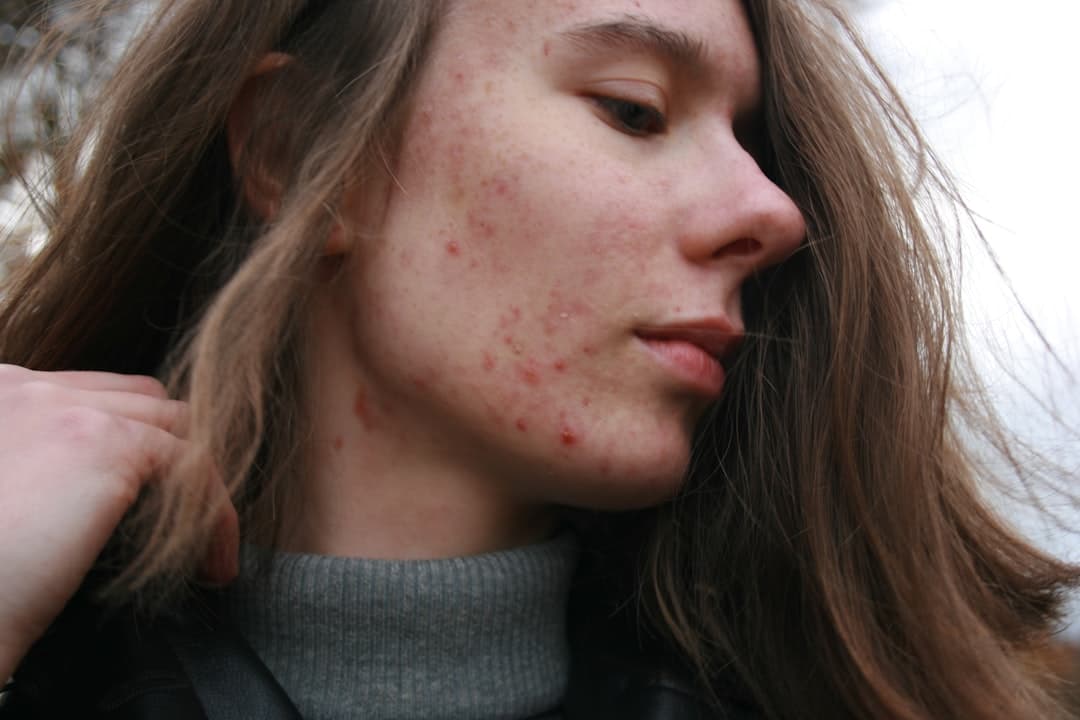
What Rare Skin Diseases Teach Us About Health
Summary
Rare diseases can feel like medical outliers, but the video’s point is that they spotlight everyday health fundamentals: genetics, immune function, skin as an organ, and early detection. It contrasts conditions that reshape the body from the inside out (like Proteus syndrome) with preventable or catchable problems (like basal cell carcinoma). It also challenges oversimplified ideas, such as “boosting immunity” as a cure for HPV driven wart disorders. Across stories of disability, surgery, prosthetics, and survival, the throughline is practical: notice nonhealing wounds, protect skin from sun, seek specialist care early, and prioritize function and quality of life.
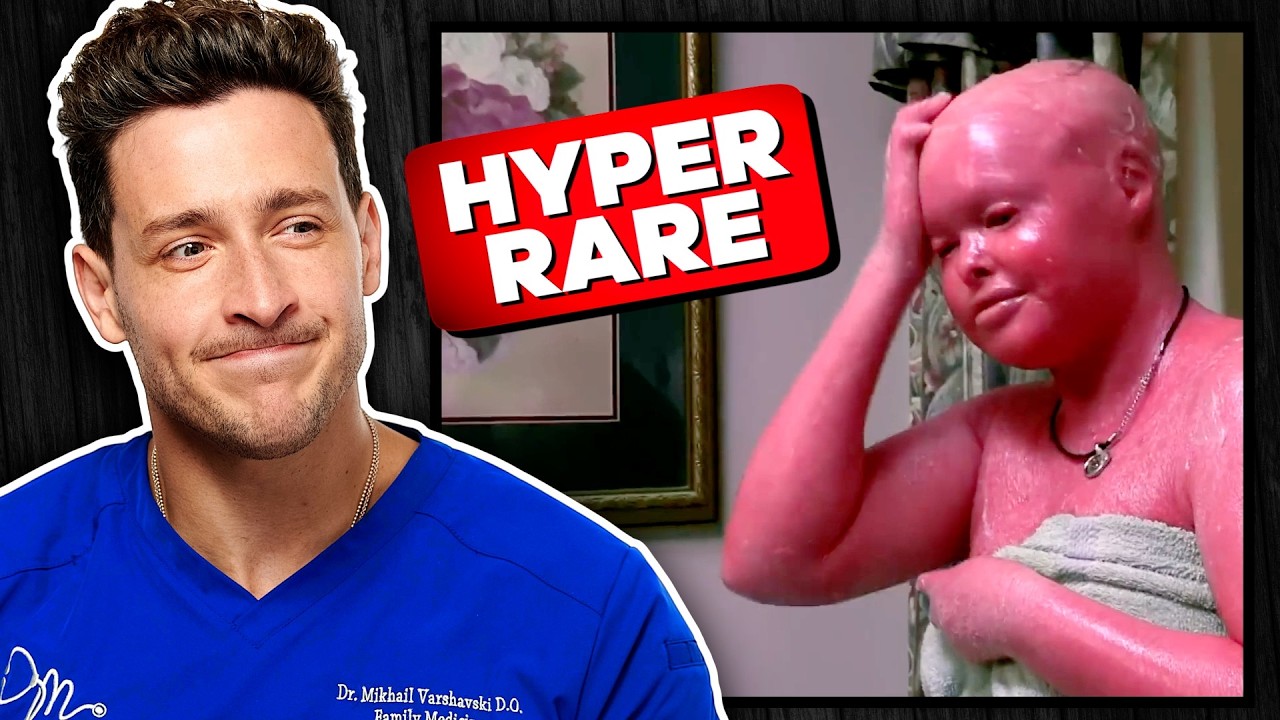
Why do rare skin diseases matter to the rest of us?
“Why should I care about the rarest diseases if I will probably never see one?”
Because rare conditions act like stress tests for human biology. The discussion highlights how skin is not just a cosmetic covering, it is an organ tied to infection risk, fluid balance, mobility, and even heart strain when the body’s structure changes.
A second theme is more uncomfortable, but very practical: many people miss early warning signs. In the video, a slow-growing skin cancer starts as a small spot and later a “pimple,” then becomes a nonhealing wound that keeps enlarging. That is not rare. What is rare is how far it progressed.
This perspective also keeps returning to quality of life. Independence, walking distance, being able to work, feeling safe in public, and being able to look a loved one in the eye are treated as legitimate medical outcomes, not vanity.
Did you know? Basal cell carcinoma is the most common skin cancer. In the United States, it is often described as the most common cancer overall, and it is strongly linked to UV exposure, according to the American Cancer SocietyTrusted Source.
Proteus syndrome: when overgrowth affects the whole body
The first case centers on a 24-year-old man with Proteus syndrome, described as causing parts of skin, bone, and soft tissue to grow large and misshapen. The key insight here is that this is not only a surface-level skin story. It is a whole-body growth disorder.
A unique detail from the video is the emphasis on embryology: Proteus syndrome is framed as affecting all three cell lines, endoderm, mesoderm, and ectoderm, meaning many tissues can be involved. That framing helps explain why the complications are not limited to one body system.
Function first: mobility, joints, and independence
He reports he can only walk about 50 feet without assistance.
That one number changes the whole conversation. It turns “rare disease” into daily logistics: getting to a bathroom, shopping, working, and socializing. The discussion raises an orthopedic question, whether surgery or other interventions could reduce functional limitations. Even when a condition is not curable, improving gait, joint alignment, pain control, and assistive device fit can be life-changing.
Pro Tip: If you or a loved one has a condition that limits walking, ask specifically about a referral to a physiatrist (rehabilitation physician) or physical therapist, not just a surgical consult. Function often improves most when multiple disciplines coordinate.
Heart and kidney strain: when body size outpaces circulation
Another standout point is cardiovascular mechanics. The video notes the person has a normal heart, but a body “three times the size,” with increased pressure affecting the heart, kidneys, and organs. The concept is straightforward: if the vascular system is altered, the heart may have to pump against higher resistance. Over time, that can contribute to structural heart changes and potentially heart failure.
There is also a dramatic medical crisis after a blood transfusion, with heart and kidney failure and temporary dialysis. The speaker wonders about a complex clotting process, mentioning disseminated intravascular coagulation as a possibility. Viewers should take the broader lesson rather than the label: in medically complex genetic conditions, treatments that are routine for most people can carry unusual risks, so close monitoring and specialist input matter.
Why “fixing the outside” is not enough
The discussion repeatedly returns to the idea that these conditions are difficult because the root cause is genetic. The hope is that gene-editing technologies like CRISPR could eventually target underlying drivers, especially for conditions that can be disabling or even lethal early in life.
That is aspirational, not a promise. For readers, the actionable takeaway is to expect a long-term plan that focuses on complications: mobility, skin care, blood clot risk, orthopedic strain, and mental health support.
Important: If someone has a rare overgrowth syndrome and develops sudden shortness of breath, chest pain, fainting, new swelling, or reduced urine output, those can be emergency warning signs. Seek urgent care, because heart, kidney, or clotting complications may need rapid evaluation.
A “pimple” that became a hole: basal cell carcinoma and the cost of delay
A second story follows a woman whose facial cancer becomes severely disfiguring. The emotional content is intense, including public shaming and the shock of seeing her face after surgery.
The medical point is even sharper: a small spot on the nose, then a “pimple” in the same area, then a hole that kept getting bigger.
This framing emphasizes one of the most practical dermatology rules: a nonhealing wound on the face, especially one that is enlarging, deserves prompt medical evaluation.
Why basal cell carcinoma can be “slow” but still devastating
Basal cell carcinoma is often described as slow-growing and less likely to spread to distant organs than some other cancers. The video underscores the catch: it can still be locally destructive. When it grows near the nose, eyes, sinuses, or skull, treatment may require extensive removal and reconstruction.
In the story, surgery involved removal of the right eye and socket, nose, sinuses, forehead, and part of the skull. That is not typical for most basal cell cases, but it illustrates what can happen when diagnosis and definitive treatment are delayed.
The American Academy of DermatologyTrusted Source notes that basal cell carcinoma often appears as a pearly bump, a scaly patch, or a sore that does not heal. If you recognize that pattern, it is worth discussing with a clinician.
The video’s sharp critique: do not normalize “watch and wait” for a growing wound
A memorable moment is the reaction to advice to cleanse the wound with antiseptic and water. The underlying concern is that symptomatic care can accidentally substitute for diagnosis.
If a lesion is changing, bleeding, crusting, or not healing, the key step is usually assessment, often including a skin exam and possibly a biopsy. That does not mean it is cancer, but it means it should not be ignored.
Reconstruction, Mohs surgery, and prosthetics
The video mentions Mohs surgery (mispronounced as “moose”), highlighting it as both cancer surgery and artistic reconstruction. Mohs is a technique where thin layers are removed and examined to confirm clear margins while preserving as much healthy tissue as possible. The American College of Mohs SurgeryTrusted Source explains how this approach can be especially useful on the face.
The story then shifts to a facial prosthesis, described as a “little piece of plastic” that makes an enormous difference. That is an important quality-of-life lesson: rehabilitation after cancer treatment can include prosthetics, speech and swallowing therapy, counseling, and social support, not just tumor removal.
Q: If basal cell carcinoma is common, why do some cases become so severe?
A: Severity often reflects location (nose, eyelids, ears), time to diagnosis, and whether the tumor has recurred after incomplete treatment. Even slow-growing cancers can invade locally if they are not removed.
Getting evaluated early usually expands the range of options, including smaller surgeries and more tissue-sparing approaches. A dermatologist or Mohs surgeon can explain what is appropriate for a specific lesion.
Jordan M., MD (Dermatology commentary style)
“Tree-like” warts and HPV: epidermodysplasia verruciformis
Another case features widespread wart-like growths, with the immediate observation that viral warts are usually caused by HPV. The discussion connects HPV not only to warts, but also to cancers such as cervical cancer and some oral cancers.
This is where the video takes a notably skeptical stance. A local physician believes immune “boosters” will build resistance to HPV and reduce lesions. The reaction is cautious: it is not clear there is strong evidence for nonspecific immune boosting as a solution, unless a person is truly immunocompromised.
That skepticism is useful for viewers, because “boost your immune system” is a common marketing phrase that can distract from proven prevention.
What is epidermodysplasia verruciformis?
The condition named is epidermodysplasia verruciformis (EV), a rare disorder associated with unusual susceptibility to certain HPV types. The video stresses there is no cure and limited dermatologic treatments to reliably stop wart formation.
A major concern is malignant transformation. The discussion notes that a sizable fraction of cases can develop skin cancers, and highlights squamous cell carcinoma as a feared complication.
A practical, evidence-aligned step mentioned is sun protection, because UV exposure can accelerate skin cancer risk. The National Cancer InstituteTrusted Source summarizes how UV radiation damages DNA and increases skin cancer risk.
HPV vaccine as cancer prevention, not just an STI vaccine
A clear, actionable point is support for HPV vaccination (for example, Gardasil) to reduce risk of HPV-related cancers. Broad public health data show HPV vaccination reduces HPV infections and cervical precancers. The CDC HPV vaccination guidanceTrusted Source explains recommended ages and catch-up vaccination.
This does not mean the vaccine treats EV. It does mean HPV prevention is one of the most effective cancer prevention tools available.
What the research shows: Population studies have found large declines in HPV infections and cervical precancers after vaccine introduction, according to the CDCTrusted Source.
Fibrous dysplasia of the face: benign does not always mean simple
A child develops a benign bone tumor on the right side of her face at age four, which grows to 4.4 pounds. The video makes a counterintuitive point: because the mass is growing outward, it may be less immediately dangerous than something compressing the brain.
Still, “benign” does not automatically mean “safe.”
It can threaten breathing, vision, veins, lymphatic drainage, and the ability to eat or speak. The discussion also raises a realistic fear: if a vital vessel is compressed, swelling can become severe.
The diagnosis: fibrous dysplasia
The condition is diagnosed as fibrous dysplasia, described as fibrous tissue replacing normal bone and expanding abnormally. It is also noted that fibrous dysplasia often affects a single bone, even though it is rare.
Surgery is portrayed as delicate, and the story includes a prior attempt at removal that seemed to worsen growth. That detail reinforces an important principle: complex craniofacial tumors often require specialized teams, imaging, pathology review, and careful planning.
The NIH Genetic and Rare Diseases Information CenterTrusted Source provides an overview of fibrous dysplasia, including symptoms, typical course, and treatment approaches that may include surgery in selected cases.
Harlequin ichthyosis: skin barrier failure and survival
Harlequin ichthyosis is presented as both a quality-of-life condition and a life-threatening neonatal emergency.
The core scientific point is about the skin barrier. Skin helps block pathogens and helps regulate water and electrolyte balance. When the barrier is severely disrupted, infection risk rises and fluid loss can become dangerous.
The video cites very high early mortality, with survival at birth described around 50 percent, and another estimate as high as two-thirds mortality. Exact numbers vary by era and access to neonatal intensive care, but the direction is consistent: early life is the highest-risk period.
The NIH GARD page on harlequin ichthyosisTrusted Source discusses the genetic basis and clinical features, and notes that intensive supportive care has improved survival.
Living with barrier care, and the unknowns of rare disease
A practical line in the video describes constant protection as a “barrier” to keep germs out and moisture in. That is accurate in concept. Many people with severe ichthyosis use frequent moisturization and barrier strategies, often guided by dermatology.
A second theme is uncertainty. When conditions are extremely rare, even specialists may have limited evidence to answer questions about pregnancy, delivery method, or long-term outcomes. The video does not present this as negligence, it presents it as a reality of limited data.
Pregnancy and genetics: a first-of-its-kind story
The story describes a woman with harlequin ichthyosis who becomes the first reported person with the condition to give birth (in the framing of the video). The fear was whether abdominal skin would stretch during pregnancy.
The discussion also notes that neither child had the condition, and frames inheritance as requiring both parents to carry the genetic change. Harlequin ichthyosis is typically autosomal recessive, often involving ABCA12 gene variants. A genetics professional can explain carrier testing and recurrence risk in a specific family.
Q: If a condition is genetic, does that mean it will definitely be passed on to children?
A: Not necessarily. Some genetic conditions are recessive, meaning a child must inherit two non-working copies of a gene, one from each parent, to be affected. Others are dominant or occur as new mutations.
If pregnancy is being considered, a clinician may suggest genetic counseling to discuss inheritance patterns, testing options, and what is known about pregnancy outcomes for that specific condition.
Jordan M., MD (Dermatology commentary style)
Practical steps you can take today (inspired by the cases)
Rare diseases can feel distant. The habits they highlight are not.
Below is a set of practical actions that map directly to the video’s recurring themes: early detection, sun protection, vaccine-based prevention, and function-focused care.
Your “do not ignore” skin checklist (mostly bullets)
Do not watch a nonhealing facial sore for weeks or months. If a spot bleeds, crusts, or keeps reopening, especially on the nose, eyelid, or ear, consider getting it examined. Early evaluation can reduce how much tissue must be removed if it is cancer.
Treat “it started as a pimple” as a clue, not reassurance. Acne lesions usually heal. A site that becomes an enlarging hole or ulcer deserves a medical look, even if it is painless.
Use sun protection as cancer prevention, not cosmetics. Broad-spectrum sunscreen, protective clothing, and shade reduce UV damage, which is linked to basal and squamous cell cancers. This is especially relevant for people at higher risk of skin cancers, including those with HPV-related disorders.
Ask specifically about Mohs surgery when a facial skin cancer is suspected. Mohs is not for every case, but it can be valuable in cosmetically and functionally sensitive areas. A dermatologist can explain whether it fits the situation.
If warts are extensive, recurrent, or unusual, ask about immune status and diagnosis. Most warts are common and benign, but widespread lesions can sometimes signal an underlying susceptibility. Getting the right label matters because surveillance and counseling change.
Use HPV vaccination and screening as a long-term cancer strategy. Vaccination helps prevent infections from high-risk HPV types. Screening (like Pap tests) remains important where recommended. The CDCTrusted Source explains how vaccination helps prevent several HPV-related cancers.
Prioritize function in chronic and rare conditions. Mobility aids, orthotics, physical therapy, and pain management can increase independence. The video’s emphasis on walking distance is a reminder that small functional gains can be huge.
How to prepare for a dermatology appointment (step-by-step)
Document change over time. Take clear photos weekly with consistent lighting and include a ruler or coin for scale. Change, not just appearance, often drives clinical decisions.
Bring a focused timeline. Note when the spot started, whether it bleeds, hurts, itches, crusts, or fails to heal, and what you tried. This reduces guesswork.
Ask targeted questions. Examples include: “What diagnoses are you considering?”, “Do I need a biopsy?”, “What are signs it is getting urgent?”, and “If this is cancer, what are the treatment options and scarring expectations?”
»MORE: Create a one-page “skin symptom tracker” that lists start date, size changes, bleeding episodes, sun exposure, and photos taken. Bring it to visits to make decisions faster.
Key Takeaways
Frequently Asked Questions
- What does it mean if a sore on my face will not heal?
- A sore that repeatedly crusts, bleeds, or enlarges can have many causes, but it is worth medical evaluation because some skin cancers can present this way. A clinician may examine it closely and sometimes recommend a biopsy to clarify the cause.
- Are basal cell carcinomas dangerous if they rarely spread?
- They may still be serious because they can grow into nearby tissue and become disfiguring, especially on the face. Early diagnosis usually allows smaller, more tissue-sparing treatment options.
- Does the HPV vaccine treat warts or epidermodysplasia verruciformis?
- HPV vaccination is primarily preventive, it helps reduce risk of infection from targeted HPV types and lowers risk of several HPV-related cancers. It is not generally considered a treatment for established EV, so management should be guided by a specialist.
- Why is sun protection emphasized in people with unusual wart disorders?
- UV radiation can increase DNA damage and raise skin cancer risk, and some wart-related conditions carry higher rates of squamous cell carcinoma. Sun protection is a practical risk-reduction step alongside regular skin checks.
- If a tumor is benign, do you always leave it alone?
- Not always. Benign growths can still cause problems by compressing nearby structures, affecting breathing or vision, or causing pain and functional limits. Decisions about monitoring versus surgery depend on location, growth rate, symptoms, and specialist evaluation.
Get Evidence-Based Health Tips
Join readers getting weekly insights on health, nutrition, and wellness. No spam, ever.
No spam. Unsubscribe anytime.