Stress, Skin, and Silence, A Missionary’s Acne Story
Summary
A key takeaway from the video is that skin problems are rarely “just skin”, they often reflect stress, environment, and access to basic care. The speaker reads letters he wrote as a 19-year-old missionary in Ecuador, describing severe breakouts, oil-heavy cooking, sun, dirt, and limited supplies. He begged his father to ask a “skin professional” for a cleanser and cream, but received no reply, a silence later linked to the father’s substance use and instability. This article uses that lived experience to explain how stress, humidity, comedogenic products, and harsh acne treatments can worsen acne, and how to build a practical, science-aligned routine when resources are limited.
🎯 Key Takeaways
- ✓Acne can flare when multiple stressors stack up, heat, humidity, sweat, friction, disrupted sleep, and emotional stress.
- ✓Harsh “strip the skin” approaches can backfire, a gentle cleanser and non-comedogenic moisturizer often support better barrier function.
- ✓Benzoyl peroxide 10% can be effective but may be irritating, especially in sun and heat, and irritation can worsen breakouts for some people.
- ✓Limited access to clean water and products changes what is realistic, the goal becomes reducing inflammation and protecting the skin barrier.
- ✓Family stress and isolation can amplify skin picking, shame, and rumination, which can worsen acne and scarring risk.
Acne management gets easier when you stop treating it like a single, isolated problem.
In the video, the most striking detail is not a product recommendation. It is the combination of extreme environment, strict communication rules, illness and weight loss, and emotional stress, all colliding with a desperate request for “a good face cleaning soap and cream” to prevent blackheads and scarring.
That perspective matters because many people break out most when life is least controllable.
The core lesson, acne is a systems problem
The story opens with a reunion that should have been celebratory. Balloons, posters, family, friends, and one absence that changed the emotional temperature of the moment. After two years in Ecuador and nearly 30 letters sent, there were no letters back.
Then the video shifts into a “treasure chest” of old missionary letters, written weekly. The speaker rereads them with adult eyes and notices what younger him could not articulate directly: he was struggling, he was lonely, and he was trying to look fine on paper.
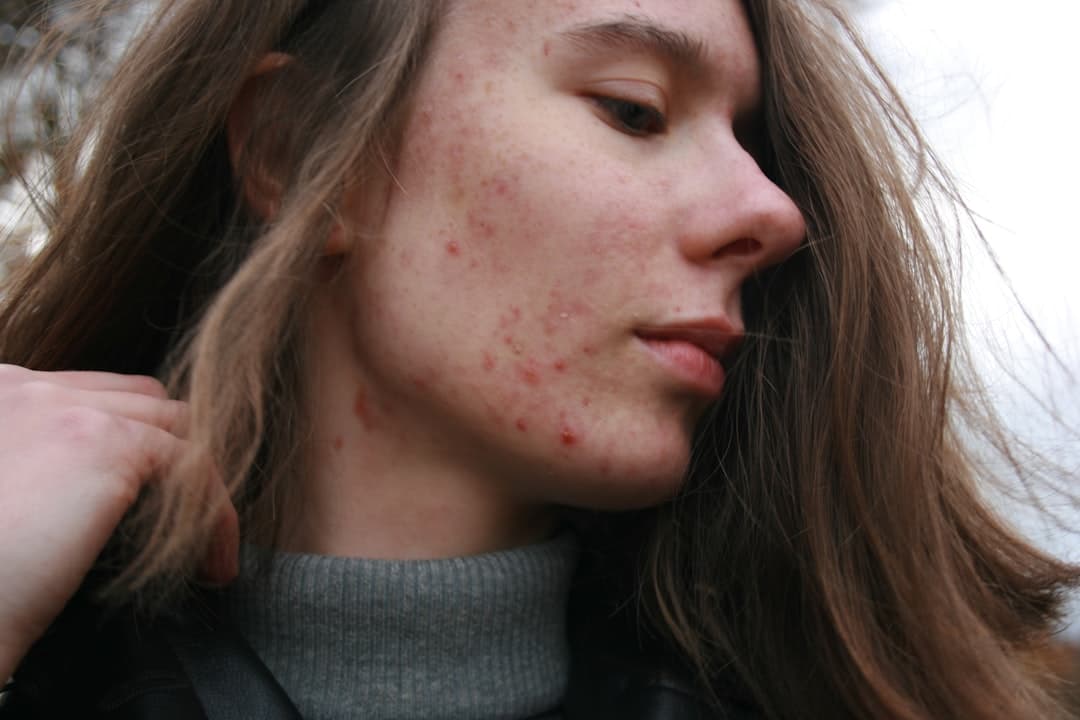
Skin shows up in the letters in a very specific way. It is not vanity. It is discomfort, fear of permanent marks, and the sense that the face is the one thing you cannot hide when you are constantly around other people.
This framing emphasizes a scientific reality: acne is influenced by interacting systems, including hormones, inflammation, skin barrier function, microbiome shifts, sleep, stress signaling, friction, climate, and product access. It is not “caused” by one factor, but it can be pushed over a threshold when several triggers stack at once.
Did you know? Stress can increase acne severity in some people, likely through stress hormones and inflammatory signaling that influence oil production and immune responses in the skin. A classic study in students found acne tended to worsen during higher stress periods like exams, compared with lower stress periods (Archives of DermatologyTrusted Source).
What the letters reveal about acne triggers in real life
The letters describe a sudden life flip: Utah to Ecuador, English to Spanish, familiar norms to unfamiliar customs. Add strict rules about not calling home, and the emotional load rises quickly.
A key insight here is how often acne flares during transitions, not because the person “stopped caring,” but because the inputs changed.
The specific trigger stack in the video
The speaker describes conditions that dermatology clinics hear about all the time, but rarely in one package.
The letters also show something subtle: he tries to sound upbeat. “Life is excellent down here,” he writes, then admits as an adult that it was not true and that he tended to carry burdens alone.
That mismatch matters. When people minimize stress, they may also delay care, overuse harsh products, or ignore early signs of irritation.
Pro Tip: If you are breaking out in a new climate, treat the first goal as “calm and protect,” not “strip and scrub.” A stable skin barrier can make acne treatments easier to tolerate.
Why “the jungle” can break your skin barrier
It is tempting to think the solution is simply stronger cleansing. The letter even asks for something to leave the skin “extremely clean.”
But “extremely clean” can become a trap.
Your outer skin layer, the stratum corneum (the top barrier), is built to keep irritants out and water in. When you are in intense sun, sweating, washing with harsh soaps, or using strong acne actives without moisturizer, that barrier can weaken. A weakened barrier can sting, peel, and inflame, and inflammation can make acne lesions look angrier and last longer.
In the video’s context, the barrier threats are everywhere: heat, friction, dirt, limited access to gentle cleansers, and likely inconsistent water quality. Even if the water is safe enough for daily life, frequent face washing with hard water or irritating soap can still disrupt the barrier.
This is why many modern acne guidelines emphasize gentle cleansing and non-comedogenic moisturizers as part of acne care, not as an optional extra. The American Academy of Dermatology includes basic skin care steps like gentle cleansing and avoiding scrubbing as part of acne self-care (AAD acne tipsTrusted Source).
Blackheads, oil, and the “clogged pore” problem
Blackheads are a form of comedonal acne, where pores fill with keratin and oil. The dark color is not dirt, it is oxidation of the material at the surface.
In hot climates, sebum production can increase for some people. Add occlusion (for example, sweat, sunscreen that feels heavy, hats, helmet straps, or frequent touching), and comedones can become more common.
The speaker’s lived experience points to a practical truth: when your environment is greasy and dusty, you may feel desperate to “degrease” your face. If that leads to over-washing or harsh products, the rebound irritation can make acne harder to control.
Benzoyl peroxide 10% and the trap of over-treating
One of the most concrete medical details in the transcript is the use of benzoyl peroxide 10% “for occasional acne.”
Benzoyl peroxide is a well-studied topical acne ingredient. It reduces acne-causing bacteria on the skin and has anti-inflammatory effects. It can be very helpful, especially for inflammatory acne.
But 10% is also more likely to irritate than lower strengths for many people, and irritation can look like burning, redness, peeling, and sometimes a worsening appearance of acne due to inflamed skin.
The American Academy of Dermatology notes that benzoyl peroxide can cause dryness and irritation, and that starting slowly can help tolerance (AAD benzoyl peroxide overviewTrusted Source).
In a hot, sunny environment, irritation risk can go up for two reasons.
First, you sweat more, and sweat plus friction can sting on irritated skin. Second, some acne treatments can increase sensitivity to sun, and sun exposure can worsen post-inflammatory dark marks in some skin tones.
Important: Benzoyl peroxide can bleach fabric, including towels and clothing. If you are traveling and have limited clothing options, consider using white towels or letting products fully dry before dressing.
A minimalist, field-ready acne routine (when supplies are scarce)
The letter asked for a “cleaning soap and cream” and to consult a “skin professional.” That is a surprisingly modern instinct: outsource the decision, reduce trial-and-error, and get something that works in the real world.
If you are in a similar situation, remote work site, travel, military, humanitarian work, or just a chaotic season, the goal is not perfection. It is consistency with a small number of steps.
How to build a practical routine with limited options
Choose a gentle cleanser you can tolerate daily. Look for fragrance-free if possible, and avoid harsh bar soaps that leave the skin squeaky or tight. If water access is limited, even a once-daily gentle cleanse at night may be more realistic than frequent scrubbing.
Use one acne active at a time, and start low and slow. If benzoyl peroxide is your choice, consider whether a lower strength or less frequent use reduces irritation while still helping. If you are using a leave-on product, a thin layer is usually enough.
Add a simple moisturizer, even for oily skin. This is the “cream” part many people skip. A non-comedogenic moisturizer can reduce peeling and improve tolerance of acne treatments, which may help you stay consistent.
Protect from sun when you can. Sun protection is not only about cancer prevention, it also helps reduce post-acne dark marks for many people. In resource-limited settings, hats and shade can be part of the plan.
Reduce friction and touching. Sweat plus rubbing from straps, collars, or frequent face wiping can worsen acne mechanica. If you must wipe sweat, blot gently rather than scrub.
That is the backbone.
Now, here is what it can look like in a simple morning and evening plan.
»MORE: Create a one-page “travel skin kit” checklist. Include cleanser, acne active, moisturizer, sunscreen or hat plan, and a note about fabric bleaching if using benzoyl peroxide.
What the research shows
What the research shows: In a large global burden analysis, acne vulgaris was among the most prevalent skin conditions worldwide, affecting hundreds of millions of people and contributing substantially to disability from skin disease (The LancetTrusted Source). Prevalence varies by age, region, and methods, but the takeaway is simple: acne is common, and it often becomes more disruptive during stressful life stages.
Stress, silence, and skin, the mind-skin link that shows up in letters
The video is not framed as a dermatology lecture. It is a father-son story with skin as one of the most human details, a practical need embedded in emotional deprivation.
The speaker describes writing weekly, hoping each week would be the week a response came. He describes returning home, the father absent, and then the father crying hard during the hug, carrying the complexity of two years of silence.
Stress does not directly “cause” acne in a simple way, but it can worsen it. Stress may increase cortisol and other mediators that influence inflammation and oil production. Stress can also change behavior: sleep disruption, more touching or picking, inconsistent cleansing, and more irritation from overusing products.
Skin picking and scarring risk during high stress
One reason the speaker’s fear of scarring lands so strongly is that scarring is not only about acne severity. It is also about inflammation duration, lesion depth, genetics, and picking.
If you notice that stress makes you pick at your skin, you are not alone. Picking can increase the chance of prolonged inflammation and post-inflammatory marks, and it can raise scarring risk.
Expert Q&A
Q: If I am in a hot, humid place and breaking out, should I wash my face more often?
A: More washing is not always better. If extra cleansing leaves your skin tight, stinging, or flaky, your barrier may be getting irritated, and irritation can make acne look worse.
A practical approach is to cleanse gently once daily, usually at night, and add a second gentle cleanse only if you are sweating heavily or wearing sunscreen. If you are unsure, a dermatologist can help you match frequency and products to your skin type.
Health educator review, dermatology-informed
When to get medical help (especially if scarring is a fear)
In the letter, the speaker asks for a “skin professional” and says, “please don’t let me down,” because the situation felt urgent. That urgency is familiar to anyone who has watched acne escalate in a short period.
Some acne can be managed with over-the-counter products and consistent routine. Other cases benefit from professional evaluation, especially if there is pain, cysts, or early scarring.
Consider seeking medical guidance if:
The mental health angle is not an add-on. It is part of the biology and the lived experience.
The video also includes the father’s substance use history and later arrest for possession. That context matters because family instability can increase stress load, and chronic stress can affect health behaviors and skin outcomes. If you are dealing with addiction in the family, support resources may help you stabilize routines, including sleep, nutrition, and self-care.
Expert Q&A
Q: I am using benzoyl peroxide 10% and my skin is peeling, should I stop?
A: Peeling and irritation can happen with benzoyl peroxide, especially at higher strengths. Many people do better by reducing frequency, using a smaller amount, adding moisturizer, or switching to a lower strength.
Because peeling can also reflect barrier damage or another skin condition, it is a good idea to check in with a pharmacist, primary care clinician, or dermatologist for individualized guidance.
Health educator review, dermatology-informed
Key Takeaways
Frequently Asked Questions
- Can stress really make acne worse?
- Stress may worsen acne in some people by increasing inflammatory signaling and changing behaviors like sleep, skin picking, and inconsistent skin care. If you notice a pattern, focusing on barrier-friendly routines and stress supports can be a practical first step.
- Is benzoyl peroxide 10% better than lower strengths?
- Higher strengths are not always better, they can be more irritating without providing much extra benefit for some people. A clinician or pharmacist can help you choose a strength and schedule you can tolerate consistently.
- What is the simplest acne routine for travel or remote work?
- Many people do well with a gentle cleanser, one acne treatment product, and a non-comedogenic moisturizer. Add sun protection strategies when possible, and avoid scrubbing or frequent product switching.
- Does oily food cause acne?
- Diet and acne relationships vary by person, and oily food on its own is not a universal cause. However, greasy environments and residue on the skin can contribute to clogged pores, so gentle cleansing and avoiding harsh scrubbing can help.
Get Evidence-Based Health Tips
Join readers getting weekly insights on health, nutrition, and wellness. No spam, ever.
No spam. Unsubscribe anytime.