Olive Oil for Brain, Heart, and Blood Sugar, Explained
Summary
If nutrition advice feels contradictory, olive oil is one area where the mechanisms are fairly consistent. The video’s core message is simple: use olive oil regularly, because its monounsaturated fats and plant compounds may support your heart (LDL down, HDL up), your brain (cell membrane stability and possible plaque-related effects), and your blood sugar (better insulin sensitivity). It also highlights anti-inflammatory and antioxidant molecules in olive oil, and explains why extra virgin differs from other types based on how it is pressed and its acidity.

Why olive oil advice feels confusing
Nutrition headlines often swing between “fat is bad” and “fat is essential.” That whiplash makes it hard to know what to put on your plate.
The video takes an analytical stance: olive oil is not just calories, it is a package of monounsaturated fats plus bioactive plant compounds that may influence cholesterol, brain cell function, blood sugar regulation, inflammation, and oxidative stress.
Important: “Drinking olive oil” can add a lot of calories quickly. If you are managing weight, reflux, gallbladder issues, or a medical diet, consider discussing the amount with a clinician.
Mechanism 1: Heart support through fats and lipids
The discussion highlights a classic heart-health pathway: replacing some saturated fats with monounsaturated fats may improve lipid patterns. In the video’s phrasing, olive oil can help reduce LDL and increase HDL.
That general direction aligns with broader evidence supporting olive oil rich dietary patterns, including Mediterranean-style eating. For example, large trials have linked a Mediterranean diet supplemented with extra virgin olive oil to lower cardiovascular risk outcomes in high-risk adults, as summarized in the primary PREDIMED publication (New England Journal of MedicineTrusted Source).
What this means in real life
You do not need perfection. The practical lever is substitution, using olive oil instead of butter, shortening, or some ultra-processed sauces when possible.
Mechanism 2: Brain support, membranes, and “plaques”
The brain angle is central to the video. The key insight here is that fats are not just fuel, they are structural. Neurons rely on lipid-rich cell membranes, and membrane composition can influence signaling, receptor function, and synaptic activity, all relevant to learning and memory.
The speaker also mentions potentially reducing “plaques” implicated in degenerative diseases. In plain language, this refers to the idea that diet patterns rich in unsaturated fats and polyphenols may affect processes tied to neurodegeneration, including inflammation and oxidative injury. Observational research often links Mediterranean-style patterns to better cognitive aging, although this does not mean olive oil alone prevents dementia. A helpful overview of Mediterranean diet patterns and cognition is discussed by the National Institute on AgingTrusted Source.
Did you know? Extra virgin olive oil contains phenolic compounds that contribute to its peppery bite. That sensory “sting” is often a clue that bioactive polyphenols are present, although taste alone is not a lab test.
Mechanism 3: Insulin sensitivity and inflammation chemistry
“Eating fat makes your sugars go down” sounds provocative, but the mechanism being pointed to is insulin sensitivity. Adding unsaturated fats to a meal can slow gastric emptying and blunt rapid glucose spikes for some people, and longer-term dietary patterns that emphasize unsaturated fats may support metabolic health.
Then there is inflammation. The video calls out oleocanthal (sometimes spelled oleocanthal), described as “like a natural ibuprofen.” Mechanistically, oleocanthal has been studied for ibuprofen-like activity on inflammatory enzymes, although food effects are not the same as taking a medication. A review of olive oil phenolics and inflammation provides background on this area (NutrientsTrusted Source).
Finally, the antioxidant point centers on hydroxytyrosol, a phenolic compound that can help neutralize free radicals, which contribute to oxidative stress and cellular aging processes. The European Food Safety Authority has recognized that olive oil polyphenols can help protect blood lipids from oxidative stress when consumed in sufficient amounts, typically described in terms of hydroxytyrosol and related compounds (EFSA JournalTrusted Source).
Pro Tip: If olive oil tastes harsh or peppery in the back of your throat, you may be noticing polyphenols. Many people prefer using robust oils for salads and milder ones for cooking.
How to choose and use extra virgin olive oil
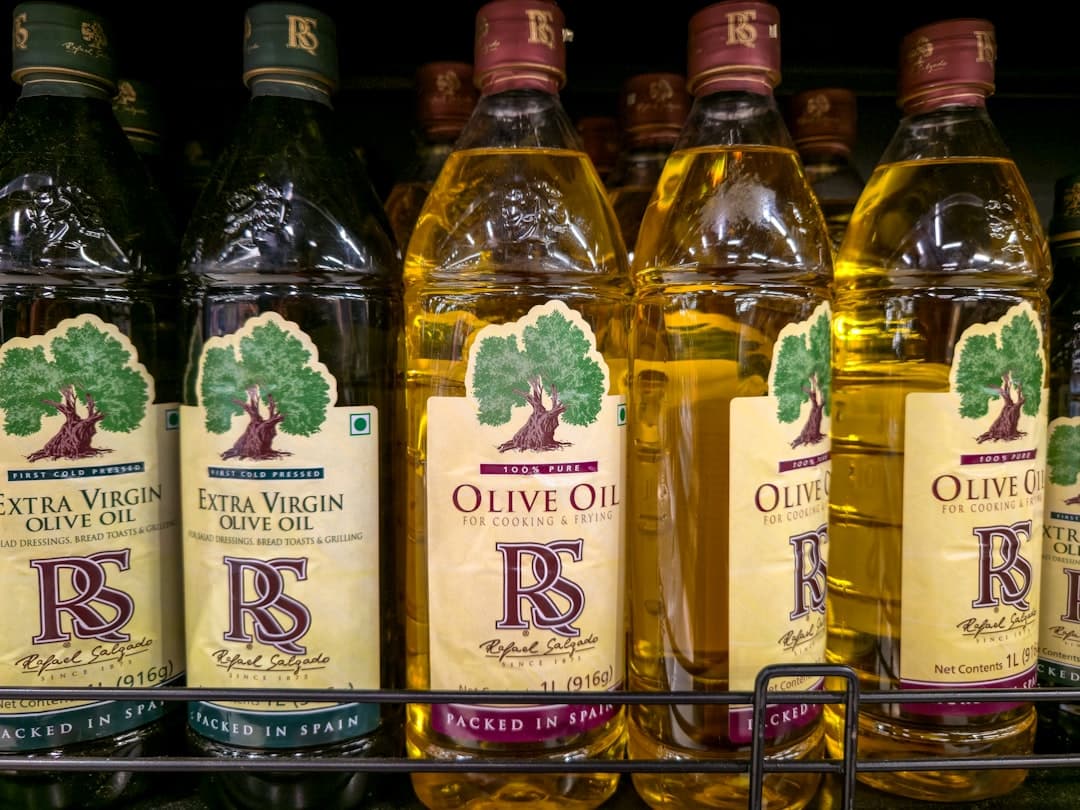
The video draws a clear distinction: processing and heat exposure matter. It specifically states extra virgin olive oil is 0.8% acidity, while virgin is less than 2% acidity.
A simple, science-minded way to “get your olive oil on”
»MORE: Consider keeping a simple “oil audit” for one week. Write down where you use butter, mayo, or creamy sauces, then choose one daily swap to olive oil.
Key Takeaways
Frequently Asked Questions
- Is it better to drink olive oil or just cook with it?
- The video suggests drinking it or adding it to food, but for many people, using it on meals is an easier way to get consistent intake without adding excessive calories. If you have reflux, gallbladder issues, or are managing weight, a clinician can help you decide what amount makes sense.
- What makes extra virgin olive oil different from other olive oils?
- In the video, the difference centers on how it is pressed and how much heat it is exposed to, plus acidity standards. Extra virgin is described as 0.8% acidity, while virgin is under 2%, which can correlate with quality and preservation of certain compounds.
- Does olive oil act like ibuprofen?
- The video highlights oleocanthal as having ibuprofen-like activity in lab research, which is one reason olive oil is discussed as anti-inflammatory. That does not mean olive oil replaces pain medicines, especially if you take anti-inflammatories for a medical reason.
Get Evidence-Based Health Tips
Join readers getting weekly insights on health, nutrition, and wellness. No spam, ever.
No spam. Unsubscribe anytime.