Cognitive Health
Cognitive Health focuses on maintaining and enhancing mental functions like memory, attention, and problem-solving abilities. It encompasses various topics such as the impact of diet and exercise on brain health, the role of nootropics in cognitive enhancement, and conditions like Alzheimer's disease and ADHD. Treatments and lifestyle factors include cognitive behavioral therapy, meditation, brain-training exercises, and adequate sleep.
Explore Topics
In-depth topics to explore in Cognitive Health.
Alertness: Complete Guide
Alertness is the brain and body’s capacity to stay awake, aware, and ready to respond. It is not just “more energy” but a dynamic state shaped by sleep pressure, circadian timing, light exposure, stress hormones, temperature, movement, nutrition, and stimulants. This guide explains the biology of alertness and gives practical, science-aligned ways to improve it without sacrificing sleep or long-term health.
Joy: Complete Guide
Joy is more than a fleeting good mood. It is a stable state of mind marked by deep contentment, meaning, and well-being that can be strengthened through biology-aware habits, relationships, and purpose. This guide explains how joy works, what research supports, where people get stuck, and how to build joy in a realistic, sustainable way.
Perception: Complete Guide
Perception is how your brain turns sensory signals into a meaningful experience of the world. It is not a simple recording of reality: it is an active, predictive process shaped by attention, memory, emotion, culture, and context. This guide explains how perception works, why it matters for health and performance, practical ways to improve it, and what modern research says.
Function: Complete Guide
Function is the real-world output of your body and mind: how well you move, think, cope, and live day to day. It is one of the most meaningful health outcomes because it connects symptoms and lab results to what you can actually do. This guide explains how function works, how to measure it, how to improve it safely, and what research supports.
Lux: Complete Guide
Lux is the most practical way to describe how bright light looks to the human eye at a surface, and it strongly influences alertness, sleep timing, mood, and visual comfort. This guide explains what lux is, how it’s measured, how it affects biology through the circadian system, and how to use lux targets safely for daytime productivity and nighttime sleep.
Cravings: Complete Guide
Cravings are intense urges for specific foods, substances, or behaviors, shaped by brain reward circuits, learning, hormones, stress, sleep, and your environment. They are not just “low willpower”: cravings can be protective signals, but they can also become a loop that drives overeating, addiction, or loss of control. This guide explains the biology of cravings and gives practical, evidence-informed tools to reduce unwanted cravings without turning eating or habits into a constant fight.
Boundaries: Complete Guide
Boundaries are the limits you set to protect your time, energy, body, and emotional wellbeing from being overwhelmed by others’ needs. Done well, they reduce resentment, clarify expectations, and improve relationships by making “yes” and “no” more honest. This guide explains how boundaries work, what research suggests, common risks and mistakes, and exactly how to implement boundaries in real life.
Dementia: Complete Guide
Dementia is not a single disease. It is an umbrella term for a progressive (and sometimes reversible) decline in memory, thinking, and daily function caused by underlying brain conditions. This guide explains how dementia works, what helps most in real life, what research supports, and how to reduce risk and support someone living with it.
Mindset: Complete Guide
Mindset is a core belief that shapes how you interpret events, regulate emotion, and choose actions under pressure. It is not just “positive thinking”: it can measurably influence attention, stress physiology, persistence, learning, and health behaviors. This guide explains how mindset works, when it helps, when it can backfire, and how to build a mindset you can actually use in real life.
Relief: Complete Guide
Relief is the sense of emotional or physical ease that comes when discomfort drops, a threat feels resolved, or a need is met. It is essential for resilience and healing, but it can also become a trap when substances or compulsive behaviors become the fastest path to feeling better. This guide explains how relief works, how to pursue it safely, and how to avoid turning short-term comfort into long-term harm.
Attention: Complete Guide
Attention is the brain’s ability to select what matters now and ignore what does not. It shapes learning, work quality, safety, relationships, and mental health. This guide explains how attention works, what improves or impairs it, practical strategies you can use immediately, and what modern research says.
Resilience: Complete Guide
Resilience is the ability to cope with stress, adapt to change, and recover after setbacks without losing your core functioning or sense of direction. It is not a personality trait you either have or do not have: it is a set of trainable skills shaped by biology, mindset, relationships, and environment. This guide explains how resilience works, why it matters, how to build it safely, and what science suggests is most effective.
Depression: Complete Guide
Depression is more than feeling sad. It is a medical condition that changes mood, thinking, sleep, energy, and motivation, often lasting weeks or months and affecting daily life. This guide explains how depression works, what helps most, what to avoid, and how to build a practical plan that combines evidence-based care with supportive lifestyle strategies.
Trauma: Complete Guide
Trauma is not only what happens to you, it is what happens inside you afterward: changes in memory, threat detection, emotions, sleep, relationships, and even physical health. This guide explains how trauma works, what “benefits” can realistically mean (like growth and resilience), the risks of untreated trauma, and practical, evidence-based steps for recovery.
Brain Health: Complete Guide
Brain health is your brain’s ability to think clearly, regulate emotions, learn, remember, and function well across daily life and aging. It is shaped by sleep, movement, nutrition, stress, relationships, medical factors, and lifelong cognitive challenge. This guide explains the biology behind brain health and gives practical, research-informed steps to protect and improve it.
Fish Oil: Complete Guide
Fish oil is a concentrated source of omega-3 fats, primarily EPA and DHA, that support cardiovascular, brain, eye, and inflammatory health. This guide explains how fish oil works, who benefits most, how to choose and dose it well, and where the science is strong versus still evolving.
Addiction: Complete Guide
Addiction is a chronic, treatable condition where the brain’s reward, stress, and self-control systems become disrupted, leading to compulsive use or behavior despite harm. This guide explains how addiction works, why it can feel so powerful, what risks to watch for, and the most effective, evidence-based ways to prevent relapse and support recovery.
Connection: Complete Guide
Connection is the human need for social contact and emotional bonding, and it shapes mental health, physical health, and even longevity. This guide explains how connection works biologically, what benefits and risks the research supports, and practical ways to build stronger, safer relationships in daily life.
Intensity: Complete Guide
Intensity is the felt strength of a psychedelic experience, often discussed in relation to a specific psilocybin dose but influenced by many factors beyond milligrams. This guide explains what intensity is, what drives it biologically and psychologically, how to plan for it safely, and what research suggests about benefits, risks, and best practices.
Context: Complete Guide
Context is the set of circumstances around a measurement that determines what it actually means. Without context, numbers like weight, heart rate, lab results, or calories can be misleading, causing bad decisions in training, nutrition, and health. This guide explains how context works, why it matters, how to apply it in real life, and where people most often get it wrong.
Cognitive Health: Complete Guide
Cognitive health is your brain’s ability to think clearly, learn, remember, regulate emotions, and stay attentive across the lifespan. This guide explains how cognition works biologically, what meaningfully improves it, what can worsen it, and how to build a practical plan for better memory, focus, and long-term brain resilience.
Circadian Rhythm: Complete Guide
Circadian rhythm is your body’s built-in timing system that coordinates sleep, energy, hormones, digestion, and temperature over roughly 24 hours. When it is aligned with your environment, especially light and dark cycles, most people sleep better, feel more alert during the day, and regulate mood and appetite more easily. This guide explains how circadian rhythm works, why it matters, and how to strengthen it with practical, evidence-based habits.
DHA: Complete Guide
DHA (docosahexaenoic acid) is a long-chain omega-3 fat that helps build and maintain brain, eye, and nerve cell membranes. This guide explains how DHA works, who may benefit most, how to get it from food or supplements, and how to use it safely based on today’s evidence.
Emotions: Complete Guide
Emotions are complex brain and body states that shape attention, memory, relationships, and decision-making. This guide explains how emotions work biologically, why they are useful, when they become harmful, and practical, evidence-based ways to regulate emotions without suppressing them.
Caffeine: Complete Guide
Caffeine is the world’s most widely used psychoactive stimulant, valued for boosting alertness, focus, and exercise performance. It can also meaningfully disrupt sleep and worsen anxiety or reflux in susceptible people. This guide covers how caffeine works, evidence-based benefits, practical dosing and timing, safety considerations, and common mistakes.
Brain Fog: Complete Guide
Brain fog is a real, common experience marked by slowed thinking, poor focus, and mental fatigue, often tied to inflammation, sleep disruption, metabolic issues, or illness recovery. This guide explains how brain fog works biologically, what it may be signaling, practical steps to reduce it, and when to seek medical evaluation.
Cognition: Complete Guide
Cognition is the set of mental processes that let you perceive, learn, remember, plan, and make decisions. This guide explains how cognition works in the brain and body, what supports or harms it, and practical, evidence-aligned ways to protect and improve cognitive performance across the lifespan.
Glycine: Complete Guide
Glycine is a simple amino acid that acts as a calming neurotransmitter signal and a key building block for collagen and glutathione. Used most often at bedtime, it may improve sleep quality and, for some people, reduce nighttime awakenings to urinate. This guide explains how glycine works, what benefits are supported by research, how to use it safely, and who is most likely to benefit.
Learning: Complete Guide
Learning is the process of building knowledge and skills that change what you can do, remember, and understand. This guide explains how learning works in the brain and body, what helps it stick, what can derail it, and how to build a sustainable learning system for school, work, health, and life.
Mood: Complete Guide
Mood shapes how you think, feel, and act from moment to moment, and it is influenced by biology, sleep, stress, food, hormones, relationships, and environment. This guide explains how mood works, why it matters, what improves it reliably, what can worsen it, and how to build a practical mood-support plan using evidence-based habits.
Anxiety: Complete Guide
Anxiety is a normal human alarm system, but it becomes a problem when worry and fear are excessive, persistent, or impair daily life. This guide explains how anxiety works in the brain and body, what it can look like, evidence-based treatments, and practical tools you can start using today.
Dopamine: Complete Guide
Dopamine is a neurotransmitter that helps your brain assign value, learn from outcomes, and mobilize effort toward goals. It is often simplified as the “pleasure chemical,” but in practice dopamine is more about motivation, prediction, and reinforcement learning. This guide explains how dopamine works, what influences it, where problems arise, and practical, evidence-aligned ways to support healthy dopamine signaling.
REM: Complete Guide
REM (rapid eye movement) sleep is a unique sleep stage strongly tied to emotional processing, memory integration, and brain development. This guide explains how REM works, why it matters, what can disrupt it, and practical ways to support healthy REM without chasing sleep-tracker numbers.
Mental Health: Complete Guide
Mental health shapes how you think, feel, relate, and cope with stress across every life stage. This guide explains what mental health is, how it works in the brain and body, what improves it, what can worsen it, and how to build an evidence-based plan that fits your life.
Panic: Complete Guide
Panic is a sudden, intense surge of fear that can feel like a medical emergency, even when you are not in danger. This guide explains what panic is, how it works in the brain and body, when it can be helpful, when it becomes a problem, and the most practical, evidence-based ways to respond in the moment and reduce future episodes.
Dementia Risk: Complete Guide
Dementia risk is not a single number. It is the combined effect of age, genetics, brain health, cardiovascular and metabolic factors, lifestyle, and environment over decades. The good news is that many of the biggest drivers are modifiable, and small, consistent changes can meaningfully shift risk and delay onset, even for people with a family history.
All Articles

When You’re Better Off Alone, Therapy-Informed Signs
Wondering if you are better off alone, or if you are overreacting to someone’s behavior? This article unpacks a therapist’s analysis of three Reddit stories: a grief-filled family conflict, a father who moved far away after divorce, and a coworker who blamed someone else for her own embarrassing choices. The throughline is accountability, especially during emotionally intense moments when resilience drops. You will learn how grief can amplify conflict, how attention-seeking and blame-shifting can distort reality, and how to set boundaries without turning every difficult person into a diagnosis.

Why Do I Experience Brain Fog? Common Causes
Brain fog is a common, usually temporary feeling of slowed thinking, poor focus, or forgetfulness, and it often relates to sleep, stress, diet, or medication effects. If it is new, persistent, or interfering with daily life, a healthcare professional can help check for treatable causes like nutrient deficiencies, thyroid problems, or mood disorders.

Learn Skills Faster: Reps, Errors, and Recovery
Want to learn a sport, instrument, or movement pattern faster without “hack” hype? This Huberman Lab Essentials perspective centers on one lever above all: increasing repetitions per unit time, including imperfect reps. Errors are not just allowed, they are a neurobiological signal that opens a window for plasticity, then short post-practice “idle time” helps the brain replay correct sequences and discard incorrect ones. As skill improves, attention can shift toward specific movement features, and tools like metronomes and limited visualization can amplify practice quality. Sleep remains a major consolidation partner.

5 Daily Choices to Boost Brain Health in 2025
Daily brain health rarely changes through one big breakthrough. The video’s core idea is simpler and more confronting: every day you are choosing, even when you “do nothing.” This article turns that message into a practical, story-like workshop built around four decisions, do more, do less, start, stop, plus a hidden fifth, continue. You will map one concrete action into each category, link it to brain-supportive habits like movement, sleep, and nutrition, and learn how tiny 1 percent improvements can compound over a year.

How to Focus for Neuroplasticity, Huberman’s Method
If you keep “trying to focus” but nothing sticks, this framework offers a different explanation: your brain does not change from every experience, it changes when specific neurochemicals are engaged by alert attention. The approach centers on gating neuroplasticity using three ingredients: alertness (epinephrine) plus acetylcholine from brainstem and forebrain circuits. Practically, the video argues that mental focus follows visual focus, so training your eyes can train your mind. You then work in roughly 90-minute bouts, tolerate agitation as a sign you are in the right state, and rely on sleep to cement the changes.

Social Connection: A Practical Path to Happiness
Happiness can feel like it depends on big life changes, more money, a new city, a different job. This video’s core idea is more practical: you may not need to overhaul your circumstances to feel better. Instead, small behavioral shifts can nudge your thoughts and feelings in a healthier direction. The standout behavior is simple, increase social connection. The discussion highlights two predictors of day-to-day happiness: time with friends and family, and time physically around other people. The article below turns that viewpoint into realistic, low-pressure ways to add more connection.
Dr. Pașca on Autism, Organoids, and Stem-Cell Cures
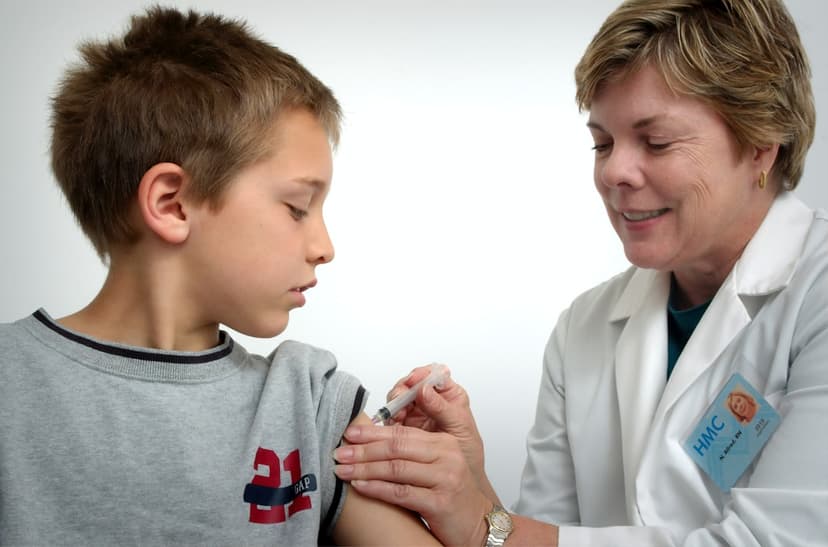
Most autism conversations collapse a wide spectrum into a single argument about whether autism should be “cured.” The perspective in this episode is more clinical and more specific: autism is a behavior-defined umbrella, and the most urgent target is profound autism, where children may be nonverbal, have intellectual disability, epilepsy, severe sleep disruption, and need lifelong support. The discussion emphasizes genetics, critical periods in brain development, and a major bottleneck in psychiatry, the living human brain is largely inaccessible during development. Dr. Sergiu Pașca’s lab approach uses stem-cell-derived brain organoids and “assembloids” to model human circuits, connect gene to mechanism, and design more precise therapies.

Expanding Consciousness: Koch on Self and Perception
Consciousness, in Dr. Christof Koch’s framing, is not your ability to behave or perform tasks, it is the fact that experience is happening at all: seeing, hearing, loving, dreaming, dreading. This perspective separates consciousness from intelligence and from self-consciousness, and it treats everyday life as lived inside a personal “perception box” shaped by priors, memory, and culture. The episode explores edge cases like deep non-REM sleep, anesthesia, flow states, derealization, and psychedelic experiences, not to glamorize them, but to clarify what changes when “you” quiet down. This article translates those ideas into practical, medically cautious steps to broaden awareness and reduce rigid, ego-centered interpretation.

5 Daily Foods to Support Brain Health and Focus
The video’s core message is urgent but hopeful: over time, poor nutrition can be linked with smaller brain volume, including the hippocampus, yet you do not need a complicated plan to start protecting focus and memory. The approach is practical, pick one “brain protective” food and build consistency. The five daily anchors are blueberries (or other berries), avocados (or extra virgin olive oil), wild salmon (or chia, walnuts, flax), dark chocolate 70%+ (or matcha or green tea), and leafy greens (or broccoli, Brussels sprouts). Small, repeatable add-ons are the point.

Why Do I Experience Mood Swings? Common Causes
Mood swings can happen when your brain and body are responding to stress, poor sleep, hormone shifts, illness, or changes in substances like caffeine or alcohol. Occasional ups and downs are common, but frequent or intense mood changes are worth discussing with a healthcare professional, especially if they affect relationships, work, or safety.

Healing From Grief: A Brain-Based Path to Integrate Loss
Grief is not just sadness, it is a whole-body learning process driven by attachment. In this conversation, Dr. Mary-Frances O’Connor reframes grief as the brain trying to reconcile two truths at once: your person is gone, and your bond still feels everlasting. That conflict can create waves of pain, yearning, and confusion that can last for years, even when life is moving forward. This article turns the episode’s core ideas into practical steps: how to work with protest and despair, why yearning is normal, how to build continuing bonds, and when to seek extra support.

3 Overlooked ADHD Types in Adults (and 4 Missed Profiles)
Adult ADHD is often missed because it does not always look like “bouncing off the walls.” This article breaks down the video’s practical framework: the 3 ADHD types (inattentive, hyperactive-impulsive, combined) and 4 groups who are commonly overlooked, the quiet daydreamer, the internal hyperactive, the gifted or high-achieving masker, and the survivor of chaotic environments. You will learn what each can look like day to day, why it gets mislabeled (often as laziness or anxiety), and concrete next steps to document symptoms, reduce friction, and seek an accurate evaluation.

10 Subtle Passive-Aggressive Signs, and How to Stop
Passive aggression often looks harmless, but it can quietly damage trust, connection, and self-confidence. This article follows a 10-sign “quiz” approach: from saying “I’m fine” while upset, to stonewalling, backhanded compliments, convenient forgetfulness, and resentful “yes” answers. The core perspective is simple and practical: passive aggression is usually a defense mechanism, not a personality trait, and it can be unlearned. The pathway out is awareness plus clarity, pausing to identify the real feeling, then stating it directly with boundaries, accountability, and respectful “no” responses.

How to Rest Your Brain Beyond 8 Hours of Sleep
Most people treat “rest” as a sleep-only problem, then wonder why they still feel mentally fried at 3 p.m. This approach misses a key idea from Jim Kwik: your brain also needs waking rest through the default mode network (DMN), the state behind zoning out, daydreaming, and idea linking. This article explains what DMN rest is, why it can boost creativity and self-connection, and how to train it with short naps, positive constructive daydreaming, free walking, and even showers. It also covers the edge case, when DMN becomes rumination, and how mindfulness and awe can help rebalance it.

When Insurance Blocks Care, Patients Pay the Price
A plastic and reconstructive surgeon describes how modern insurance tactics can quietly limit access to medically necessary care, even when laws say it should be covered. Her story includes being pressured to “be quiet,” discovering opaque reimbursement gaps, and a now-viral moment when an insurer allegedly called mid-surgery to question a cancer patient’s hospital stay. The bigger message is practical: barriers like denials and administrative technicalities do not just frustrate doctors, they can change what patients choose, delay recovery, and worsen stress at the worst possible time. Transparency, competition, and patient-centered incentives are recurring themes.

Casey Anthony, Trauma Content, and Trust in Advocacy
When a controversial public figure reappears online as an “advocate,” many people feel a mix of curiosity, anger, and confusion. This article breaks down the video’s core argument: Casey Anthony’s TikTok comeback uses credibility cues, comment control, and trauma-based storytelling to reshape perception and monetize attention. From a cognitive-health angle, it focuses on how high-emotion content affects judgment, why narrative control works, and what you can do today to protect your attention, boundaries, and decision-making when consuming or sharing trauma-driven media.

Stronger Brain-Body Connection for Better Health
Your brain is constantly reading your body’s internal signals, especially mechanical cues like stretch and pressure, and chemical cues like nutrients and acidity. This video’s core message is that strengthening this brain-body communication, called interoception, can create outsized benefits for mood, focus, sleep, and even recovery. You will learn practical tools such as using longer exhales to calm the heart, using inhale-heavy breathing to increase alertness, paying attention to gut fullness to reduce impulsive eating, and prioritizing fermented foods to support gut chemistry and inflammation balance.

Use Your Brain to Reduce Pain and Heal Faster
Pain is not just a signal from injured tissue, it is also a perception your brain constructs from touch, internal body signals, and context. In this Huberman Lab Essentials perspective, the most actionable idea is separating “injury” from “pain,” then using both bottom-up tools (inflammation, movement, sleep, cardio) and top-down tools (vision, belief, love, attention) to reduce suffering and support recovery. The discussion highlights striking examples like nail-through-boot pain without injury, phantom limb pain relief using mirrors, and how sleep and zone 2 cardio may support brain cleanup after concussion.

Education to Lower Dementia Risk, Practical Steps
Most people think dementia prevention is mainly about supplements, brain games, or one perfect habit. This video’s perspective is different, it treats education as the first and most powerful lever because it helps build cognitive reserve, the brain’s “savings account” of connections and adaptability. The core idea is simple: regularly challenge your brain through formal learning, new skills, social discussion, creativity, mindful focus, and even strategy-based movement. This article breaks down the video’s 10 education-centered actions, explains the “why” in plain language, and shows how to turn them into a realistic weekly plan.

Olive Oil for Brain, Heart, and Blood Sugar, Explained
If nutrition advice feels contradictory, olive oil is one area where the mechanisms are fairly consistent. The video’s core message is simple: use olive oil regularly, because its monounsaturated fats and plant compounds may support your heart (LDL down, HDL up), your brain (cell membrane stability and possible plaque-related effects), and your blood sugar (better insulin sensitivity). It also highlights anti-inflammatory and antioxidant molecules in olive oil, and explains why extra virgin differs from other types based on how it is pressed and its acidity.

No Contact With Parents, A Therapist’s Health Lens
Many people assume “no contact” is a social media trend or a single dramatic blowup. This video argues the opposite: it is usually the end point of long-standing patterns, failed repair attempts, and unmet needs for accountability. The unique focus here is on conflict resolution and communication, not just blame. It also highlights the hidden health burden: grief for a parent who is still alive, plus the stress of carrying a lifelong “ache” for what you did not get. The through-line is simple but demanding: willingness to self-reflect is the key, for adult children and parents alike.

What Weird Dog Gadgets Teach Us About Cognition
This video is a playful product test, but its hidden theme is cognitive health: how we interpret signals, build communication, and avoid being fooled by “smart” tech. The journey runs from a bark “translator” that behaves like a Magic 8 Ball, to recordable talking buttons that could support real learning, plus stress-inducing tools like a dog sling and a poorly fitting air mask. The most useful takeaway is not which gadget wins, but how to evaluate claims: look for measurable outcomes, watch your dog’s stress cues, and choose tools that strengthen clear, consistent communication.

Weaponized Incompetence and Your Mental Load
Is someone truly “bad at chores”, or are they avoiding responsibility? Weaponized incompetence describes a pattern where a person performs simple tasks poorly (or claims they cannot do them) so someone else takes over. This video frames it as a responsibility and power dynamic problem, not a skill problem, and shows how it fuels resentment, mental load, and distrust in relationships, families, and workplaces. You will learn common signs, why it happens (including discomfort avoidance and perfectionism), and how to respond with respectful call-outs, boundaries, and letting go of doing things “your way.”

Is It Safe to Take Melatonin With Anxiety Meds?
It can be risky to combine melatonin with anxiety medications because the mix may increase sleepiness, dizziness, and impaired coordination. Safety depends on the specific anxiety medicine, your dose, and your health history, so it is best to check with a pharmacist or prescriber before combining them.

Exploring Kratom's Health Impacts: Insights from Dr. Chris McCurdy
Dr. Chris McCurdy, a medicinal chemistry expert, provides an in-depth look at kratom, a plant-based compound with rising popularity. The discussion covers its traditional use, effects on the nervous system, potential for addiction, and its role in aiding opioid withdrawal. McCurdy emphasizes the importance of understanding product variations and their impacts. Supported by research from NIH, this exploration offers valuable insights into kratom's complex nature.

Maximizing Daily Productivity and Health with Expert Tools
In the 'Huberman Lab Essentials' video, Andrew Huberman shares actionable science-based tools to enhance mental and physical health and productivity. Starting with morning routines like walking and sunlight exposure, he outlines a day structured around optimal times for focus, exercise, and rest. Huberman emphasizes hydration, strategic caffeine intake, and dietary choices that align with natural biological rhythms. His approach is supported by research on the benefits of daylight exposure and structured work periods, offering a practical guide to improving daily life.
Understanding the Vagus Nerve: Science-Backed Insights
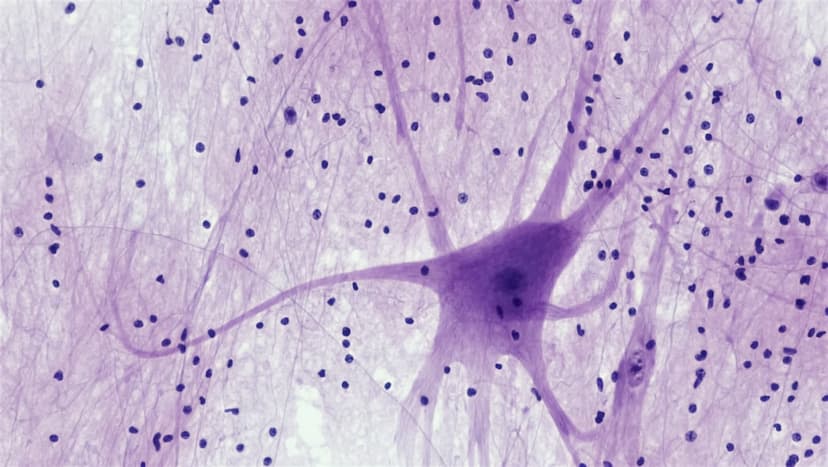
The vagus nerve, or cranial nerve 10, is a critical component of the nervous system, impacting mood, alertness, and neuroplasticity. Dr. Andrew Huberman delves into its complex pathways and functions, highlighting recent advancements that reveal how non-invasive stimulation can enhance cognitive health. This article explores the nerve's dual sensory and motor functions, offering science-backed methods to harness its benefits.

Exploring the Cognitive Health Benefits of Religion with Dr. David DeSteno
In this insightful discussion with Dr. David DeSteno, a renowned psychologist at Northeastern University, we explore the cognitive health benefits of religious belief. Contrary to the common perception that science and religion are at odds, Dr. DeSteno presents compelling data showing how religious practices can enhance mental and physical well-being. This article delves into the mechanisms behind these benefits, such as increased empathy and reduced anxiety, and considers how individuals can integrate these insights into their lives for improved health outcomes.

Unlocking Brain Health: Habits of Successful People
Most people think brain health is about a supplement, an app, or a single “hack.” The video’s perspective is different: you are likely sabotaging your brain in ordinary, repeatable ways, and the fix is a set of daily habits that high performers treat like nonnegotiables. This article walks through the seven habits highlighted in the video, sleep, continuous learning, exercise, stress management, healthy relationships, brain-supportive nutrition, and reframing failure as feedback. You will also get practical ways to start today, plus research-backed context for why these habits matter.