Understanding the Vagus Nerve: Science-Backed Insights
Summary
The vagus nerve, or cranial nerve 10, is a critical component of the nervous system, impacting mood, alertness, and neuroplasticity. Dr. Andrew Huberman delves into its complex pathways and functions, highlighting recent advancements that reveal how non-invasive stimulation can enhance cognitive health. This article explores the nerve's dual sensory and motor functions, offering science-backed methods to harness its benefits.
🎯 Key Takeaways
- ✓The vagus nerve is primarily a sensory and motor pathway, integral to controlling mood and alertness.
- ✓Recent advancements allow non-invasive stimulation of the vagus nerve to improve cognitive health.
- ✓Understanding the nerve's dual function is crucial for effectively utilizing its potential benefits.
- ✓The vagus nerve's activation can influence learning and immune response, demonstrating its vast impact on health.
- ✓Research supports the nerve's role in managing PTSD and enhancing exercise capacity.
Introduction to the Vagus Nerve
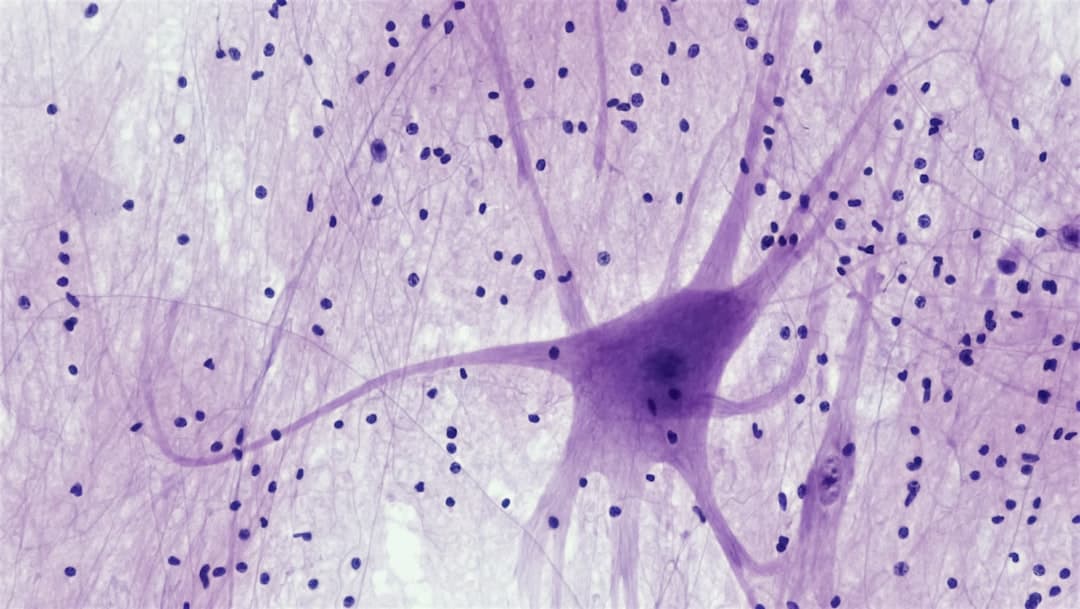
The vagus nerve, known as cranial nerve 10, is a vital component of the human nervous system. It connects the brain to various parts of the body, including the heart, lungs, and digestive tract. Unlike other cranial nerves, its pathways extend far beyond the head and neck, earning it the nickname 'the wandering nerve.' This unique nerve plays a crucial role in regulating several physiological processes, making it a subject of growing interest in both scientific and medical communities.
Dr. Andrew Huberman, a professor of neurobiology at Stanford School of Medicine, emphasizes the importance of understanding the vagus nerve's complex functions. According to him, this nerve is not just a single pathway but a network that integrates sensory and motor functions. Understanding its intricacies can unlock potential therapies for mood disorders, cognitive enhancement, and more.
The Dual Role of the Vagus Nerve
One of the most intriguing aspects of the vagus nerve is its dual role as both a sensory and motor pathway. This dual capability allows it to collect and transmit information between the brain and various organs. Sensory neurons in the vagus nerve gather data about the body's internal state, such as heart rate and gut health, and relay it to the brain. Conversely, motor neurons send signals from the brain to the organs, influencing their function.
Dr. Huberman points out that while many people associate the vagus nerve with calming effects, it can also enhance alertness and cognitive function. This duality makes it a versatile tool in managing various health conditions. For instance, stimulating certain branches of the vagus nerve can either increase relaxation or enhance alertness, depending on the desired outcome.
Mechanisms of Action: Sensory and Motor Pathways
The vagus nerve's sensory pathways are responsible for transmitting information from the body to the brain. This includes mechanical signals, such as the stretching of the stomach, and chemical signals, such as hormone levels. These pathways are crucial for maintaining homeostasis and influencing mood and cognitive function.
In contrast, the motor pathways send signals from the brain to control various bodily functions. For example, they can influence heart rate, digestion, and even immune response. Understanding these mechanisms is essential for developing targeted therapies that utilize the vagus nerve's full potential.
Did You Know? The vagus nerve is responsible for 85% of the body's parasympathetic output, which governs the 'rest and digest' functions.
Vagus Nerve and Cognitive Health
The vagus nerve's influence on cognitive health is a burgeoning area of research. According to Dr. Huberman, stimulating the vagus nerve can improve neuroplasticity, the brain's ability to reorganize itself by forming new neural connections. This is critical for learning and memory.
Non-invasive techniques for stimulating the vagus nerve, such as deep breathing exercises and cold exposure, have shown promise in enhancing cognitive function. These methods can increase alertness and improve mood without the need for pharmacological interventions.
Scientific Evidence Supporting Vagus Nerve Stimulation
Recent studies have provided robust evidence supporting the efficacy of vagus nerve stimulation (VNS) in various health applications. For instance, a study published in the European Heart Journal highlights the benefits of VNS in improving exercise capacity. Another study from the University of Texas at Dallas found long-term benefits of VNS in patients with PTSD, indicating its potential in mental health treatment.
Furthermore, information from the Cleveland Clinic outlines the therapeutic uses and potential side effects of VNS, providing a comprehensive view of its applications.
Practical Applications and Techniques
Practical techniques for vagus nerve stimulation are increasingly being explored. Deep breathing exercises, yoga, and meditation are traditional methods known to activate the vagus nerve's calming pathways. These practices can help manage stress and improve overall well-being.
Deep Breathing Exercises
Deep breathing is a simple yet effective way to stimulate the vagus nerve. By slowing down the breath and focusing on deep, diaphragmatic breathing, individuals can activate the parasympathetic nervous system, promoting relaxation and reducing stress.
Cold Exposure
Cold exposure, such as taking cold showers or immersing in cold water, can stimulate the vagus nerve. This practice can enhance alertness and improve mood by activating certain pathways within the nerve.
Challenges and Considerations
While the potential benefits of vagus nerve stimulation are promising, there are challenges to consider. The effectiveness of VNS can vary between individuals, and not all techniques are suitable for everyone. Additionally, there are potential side effects, such as changes in heart rate and mood, which must be monitored.
Important: Consult with a healthcare professional before starting any new health regimen involving vagus nerve stimulation.
Future Directions in Vagus Nerve Research
The future of vagus nerve research is bright, with ongoing studies exploring its role in various health conditions. Researchers are investigating how targeted stimulation can treat conditions like depression, anxiety, and even autoimmune diseases. As our understanding of this complex nerve deepens, new therapeutic possibilities continue to emerge.
Dr. Huberman's insights provide a valuable foundation for future research, highlighting the need for continued exploration of the vagus nerve's vast potential. With advancements in technology and a growing body of evidence, the next decade promises exciting developments in this field.
Sources & References
Frequently Asked Questions
- What is the primary function of the vagus nerve?
- The vagus nerve acts as a sensory and motor pathway, transmitting information between the brain and various organs to regulate bodily functions.
- How does the vagus nerve influence mood?
- The vagus nerve affects mood through its role in the parasympathetic nervous system, helping to regulate stress and promote relaxation.
- Can vagus nerve stimulation improve cognitive health?
- Yes, stimulating the vagus nerve can enhance neuroplasticity and improve cognitive function, including learning and memory.
- What are some methods to stimulate the vagus nerve?
- Techniques like deep breathing exercises, cold exposure, and meditation can effectively stimulate the vagus nerve.
- Are there risks associated with vagus nerve stimulation?
- While generally safe, vagus nerve stimulation can cause side effects like changes in heart rate and mood. Consultation with a healthcare professional is advised.
Get Evidence-Based Health Tips
Join readers getting weekly insights on health, nutrition, and wellness. No spam, ever.
No spam. Unsubscribe anytime.