Adaptogens
The adaptogens niche focuses on natural substances used to help the body adapt to stress and exert a normalizing effect upon bodily processes. This includes exploring various adaptogenic herbs such as rhodiola, holy basil, and ashwagandha, and their benefits in managing stress, fatigue, and enhancing mental clarity. It also covers lifestyle integration, dosing guidelines, and potential interactions with other medications or supplements.
Explore Topics
In-depth topics to explore in Adaptogens.
Peptides: Complete Guide
Peptides are short chains of amino acids that act like biological “text messages,” telling cells when to repair, grow, calm inflammation, or release hormones. They range from everyday dietary peptides in food to prescription peptide drugs and tightly regulated hormones. This guide explains how peptides work, where benefits are real, where hype outruns evidence, and how to use them safely and intelligently.
Anti-inflammatory: Complete Guide
Anti-inflammatory strategies aim to reduce harmful, chronic inflammation while preserving the short-term inflammation your body needs to heal. This guide explains the science, proven benefits, real-world risks, and practical ways to apply anti-inflammatory foods, habits, and medications safely and effectively.
All Articles

Melatonin With ADHD Meds: Is It Safe?
For many people, melatonin can be used with common ADHD medications, but it is not automatically risk-free. The safest approach is to confirm the plan with your prescribing clinician, especially if you take multiple medicines, have mood symptoms, or feel unusually sedated or wired after combining them.

Garlic Supplements With Blood Thinners: Safe?
Garlic supplements are not always safe to combine with blood thinners because they can add to blood-thinning effects and raise bleeding risk. Food-level garlic in normal meals is often less concerning, but concentrated pills, oils, and extracts are more likely to interact. Check with your prescriber or pharmacist before starting garlic supplements, especially if you have any history of bleeding.

Why Connection Is a Nervous System Need, Not a Luxury
If you have ever told yourself, “I do not need anyone,” but still find yourself scrolling, posting, or seeking feedback online, this perspective offers a useful reframe. The core argument is neurological: human brains and bodies are wired for connection, and community is not a personality flaw. The discussion also challenges the recent trend of treating isolation as a badge of honor, suggesting it can function as a maladaptive coping strategy when life feels overwhelming. You will learn how most people sit between introversion and extroversion, why COVID-19 changed social habits, and how to rebuild connection in realistic steps.

Ashwagandha vs rhodiola for stress relief
Ashwagandha and rhodiola are adaptogenic herbs that some people use to help manage stress, but they tend to feel different in practice. Ashwagandha is often chosen for tension, sleep disruption, and “winding down,” while rhodiola is commonly used for stress-related fatigue and mental stamina. Because supplements can interact with medications and certain health conditions, it is best to check with a healthcare professional for personalized guidance.

Can You Take Melatonin While on Antibiotics?
For many adults, taking melatonin while on antibiotics is generally considered low risk, and there is no well-known universal interaction. However, safety can depend on the specific antibiotic, your medical conditions, and other medicines that affect sedation, bleeding risk, or the liver. If you are unsure which antibiotic you are on or you feel unwell, check with a pharmacist or prescribing clinician.
Is it safe to take magnesium with antibiotics?
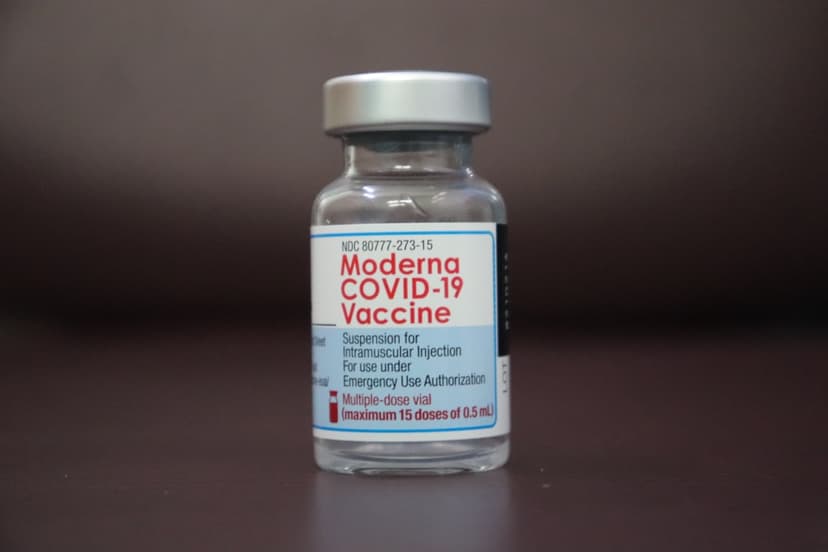
Magnesium is often safe to take with antibiotics, but it can bind to certain antibiotics and make them work less well. If you need both, spacing the doses is commonly recommended, and your pharmacist or clinician can advise the safest timing for your specific antibiotic.
Is it safe to take magnesium with antidepressants?
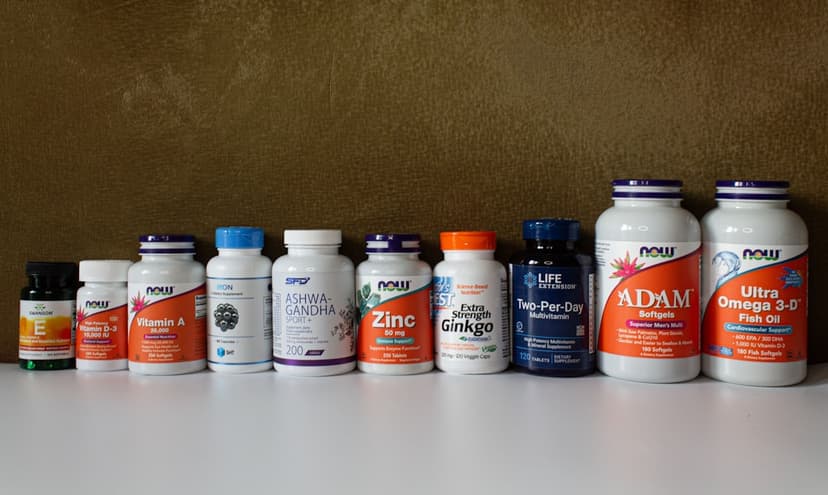
For many people, magnesium supplements can be taken with antidepressants without major problems, but interactions and side effects are possible. The main concerns are additive sedation or dizziness in some cases, and higher magnesium levels if you have kidney disease. Check with your prescriber or pharmacist before starting magnesium, especially if you take multiple medications.

Can You Take Melatonin While on Beta Blockers?
Melatonin is often tolerated with beta blockers, but the combination can increase side effects like dizziness, lightheadedness, and next day grogginess in some people. Because beta blockers can affect natural melatonin production and your heart rate and blood pressure response, it is safest to check with your prescriber before starting melatonin, especially if you have fainting, low blood pressure, or take other sedating medicines.

Caffeine vs Adaptogens for Energy: Key Differences
Caffeine tends to deliver a faster, more noticeable boost in alertness, but it can also trigger jitters, worsen sleep, and increase crashes in some people. Adaptogens are typically marketed for steadier energy and stress support, yet effects are often subtler and may take longer to notice. The best choice depends on your sleep, anxiety sensitivity, medications, and whether you need quick focus or longer-term resilience.
Is it safe to take melatonin with benzodiazepines?
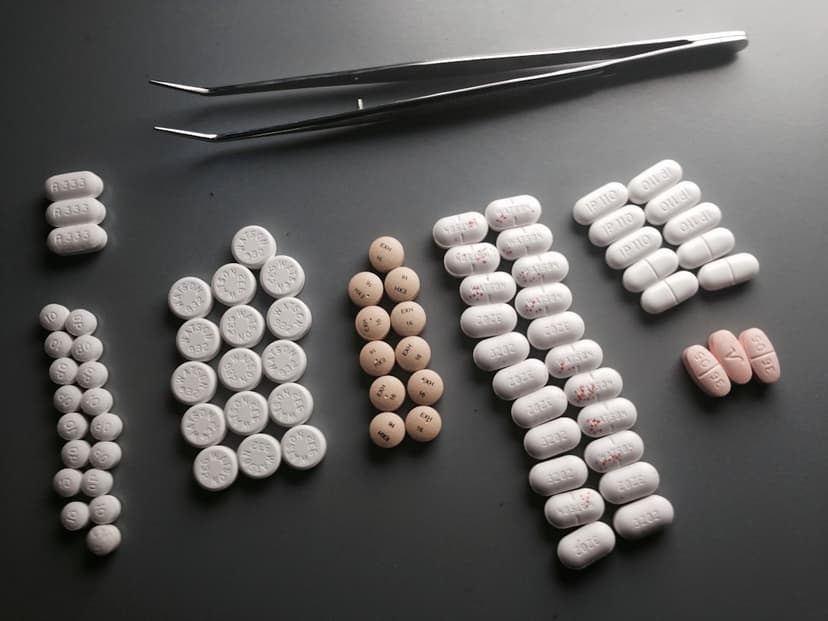
Taking melatonin with benzodiazepines is not automatically unsafe, but it can increase sedation, dizziness, and next day impairment. The combination is higher risk in older adults, people with breathing problems, and anyone who drives or uses machinery. Check with a clinician or pharmacist before combining them, especially if you use other sedating medicines or alcohol.

Is it safe to take magnesium with blood thinners?
Magnesium is often safe to take with many blood thinners, but it is not risk-free, especially if you have kidney disease or you take multiple medicines that affect bleeding. Because blood thinners vary (warfarin vs DOACs vs antiplatelets), the safest approach is to confirm the type you use and review your full medication list with a clinician or pharmacist.
Is it safe to take melatonin with blood thinners?
Melatonin is not automatically unsafe with blood thinners, but the combination can raise bleeding risk for some people, especially at higher doses or if you also use other clot-affecting medicines. Because individual risk varies by the specific anticoagulant, your dose, and your health history, it is best to check with your prescriber or pharmacist before starting melatonin.
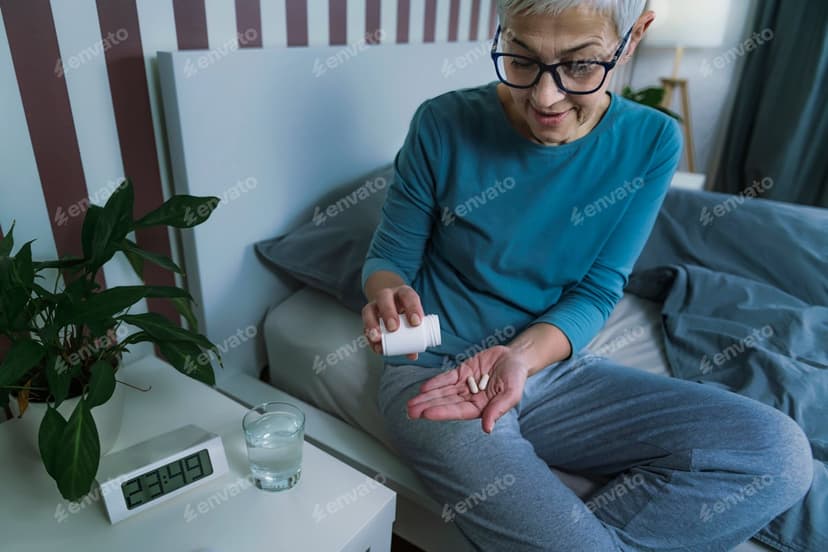
Is it safe to take melatonin with antihistamines?
Taking melatonin with antihistamines is often not dangerous for healthy adults, but the combination can make sedation, dizziness, and next day grogginess more likely. It is a higher risk mix if your antihistamine is sedating, you are older, you have sleep apnea, or you take other medicines that slow the brain.
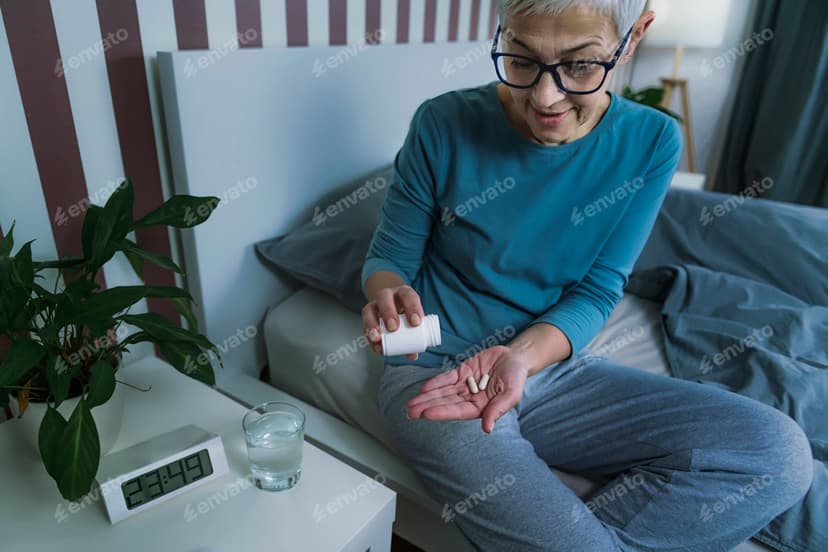
Is it safe to take melatonin with SSRIs?
For many adults, taking melatonin with an SSRI is generally considered low risk, but it is not automatically safe for everyone. The main concerns are added sedation, next-day grogginess, and rare serotonin-related symptoms, especially if you take other serotonergic medicines. Check with your prescriber before combining them, particularly if you have bipolar disorder, are pregnant, or take multiple medications.

Is Being a “Loner” a Mental Illness? The Science
Choosing solitude is not automatically a mental illness. The video’s core idea is that humans are biologically wired for connection, and that regular, meaningful relationships can calm the nervous system and improve mood. The speaker also flags that persistent “I don’t want to be around anybody” patterns can sometimes point to underlying drivers like trauma, abuse, avoidant attachment, or avoidant personality disorder, which deserve curious, nonjudgmental exploration. Research on loneliness and social isolation supports the idea that disconnection can affect mental and physical health, but context matters: preference, safety, and functioning are key.

Mastering Cortisol for Better Energy and Sleep
Most people hear “control cortisol” and assume it means nonstop stress reduction. The presenter’s perspective is different, cortisol is not the enemy, timing is. The goal is high cortisol soon after waking to support morning and daytime energy, then very low cortisol in the evening to protect early-night deep sleep. He prioritizes bright light exposure, hydration, and exercise early in the day, and he explains why caffeine and cold exposure stop boosting cortisol once you do them regularly. That tolerance also explains why some people can drink afternoon caffeine and still fall asleep, yet still experience subtle sleep disruption. He also highlights lesser-known tools, licorice root can strongly raise cortisol, and grapefruit can slow cortisol breakdown by inhibiting enzymes. Because these can interact with medications and certain conditions, he emphasizes caution and individualized decision-making with a clinician.