Garlic Supplements With Blood Thinners: Safe?
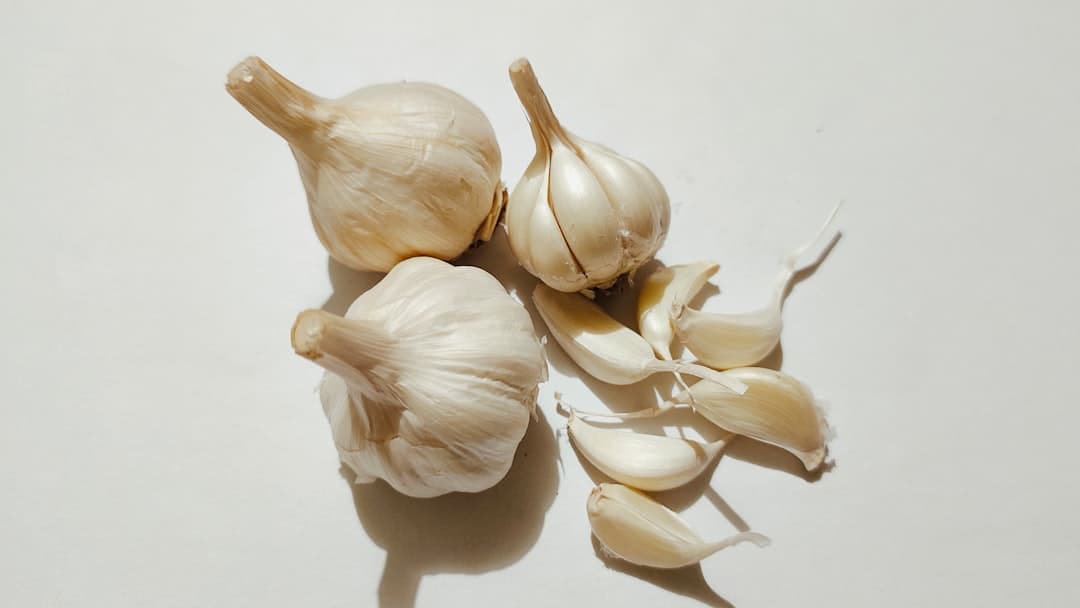
Summary
Garlic supplements are not always safe to combine with blood thinners because they can add to blood-thinning effects and raise bleeding risk. Food-level garlic in normal meals is often less concerning, but concentrated pills, oils, and extracts are more likely to interact. Check with your prescriber or pharmacist before starting garlic supplements, especially if you have any history of bleeding.
The short answer
Garlic in supplement form can increase bleeding tendency, which is the same direction many blood thinners work. That “stacking” effect is why clinicians often advise avoiding garlic supplements, or using them only with close guidance, when you take anticoagulants or antiplatelet medicines.
Normal culinary garlic is different. The dose is smaller, it varies from meal to meal, and it is usually not potent enough to cause problems for most people.
According to most drug interaction references used in clinical practice, the bigger concern is concentrated products (tablets, capsules, aged garlic extract, garlic oil) and higher doses. If you are considering garlic for possible Cardiometabolic Effects, it is worth weighing potential benefits against a risk that can be serious.
Important: Do not start, stop, or “balance out” blood thinners on your own. If you notice unusual bleeding or bruising, contact your clinician urgently, and seek emergency care for severe symptoms.
Why garlic can be risky with blood thinners
Garlic contains sulfur compounds that may reduce platelet stickiness and may also affect clotting pathways. Blood thinners are prescribed specifically to reduce clot formation, so adding another substance with similar effects can tip some people into bleeding.
This risk is not the same for everyone. It depends on your medication, your dose, your age, kidney and liver function, and whether you also take other products that affect bleeding (including some pain relievers and supplements).
Another practical issue is consistency. With warfarin, clinicians try to keep your blood’s clotting tendency stable over time. Adding a supplement that changes your bleeding risk can make management harder, even if your lab monitoring looks acceptable at first.
Who should be especially cautious (or avoid it)
Some people should treat garlic supplements as a higher-risk add-on.
People taking anticoagulants (for example, warfarin, apixaban, rivaroxaban, dabigatran, edoxaban). These medicines already lower clotting, and additional bleeding effects from supplements can be harder to predict. Your prescriber may prefer you avoid garlic supplements altogether.
People taking antiplatelet drugs (for example, aspirin, clopidogrel, prasugrel, ticagrelor). Platelets are central to stopping bleeding from small vessel injury, and garlic’s potential antiplatelet activity can be additive. The risk can matter even with “baby aspirin,” especially if you have other risk factors.
Anyone with a personal history of bleeding problems. Prior gastrointestinal bleeding, frequent nosebleeds, bleeding gums, or easy bruising can be clues that your margin of safety is smaller. This is also relevant if you have anemia of unclear cause.
People nearing surgery or dental procedures. Many clinicians recommend stopping certain supplements ahead of procedures because even modest increases in bleeding can complicate surgery. Tell your surgeon and dentist about garlic supplements well in advance.
Those using multiple bleeding-risk products. NSAIDs (like ibuprofen or naproxen), corticosteroids, SSRIs or SNRIs, alcohol in higher amounts, and other supplements can raise bleeding risk in some people. Your pharmacist can help review your full list as part of Personalized Healthcare.
What “safe use” usually looks like (if your clinician okays it)
If your prescriber decides the potential benefit outweighs the risk, the goal is to reduce surprises.
Start low and keep it consistent. Avoid switching between brands or forms, because “aged garlic,” “odorless garlic,” oils, and standardized extracts can deliver very different amounts of active compounds.
Prefer food first. Using garlic in cooking is easier to keep within a typical dietary range, and it avoids the concentrated dosing that makes interactions more likely.
Be careful with timing around medication changes. Bleeding risk can change when your blood thinner dose changes, when you start antibiotics, or when you add new medicines. That is a common time for interactions to show up.
Pro Tip: If you and your clinician choose to try a garlic supplement, bring the bottle (or a photo of the label) to your next appointment. Exact ingredients matter, including combination products that also contain other herbs.
Warning signs, when to stop, and when to get urgent help
Bleeding problems are not always dramatic at first.
Stop the supplement and contact your prescriber promptly if you notice:
Seek urgent or emergency care for:
If you are unsure, call your local urgent advice line or your anticoagulation clinic. It is better to check early.
Key takeaways for a safer plan
Frequently Asked Questions
- Does garlic affect INR if I take warfarin?
- It can for some people, especially with concentrated garlic supplements, because they may increase bleeding tendency and make control less predictable. If you take warfarin, ask your anticoagulation clinic whether they want extra INR checks before and after any supplement change.
- Is “odorless” or aged garlic extract safer with blood thinners?
- Not necessarily. “Odorless” describes smell, not bleeding risk, and aged extracts can still have biologically active compounds. Treat any concentrated garlic product as a potential interaction unless your clinician confirms it is appropriate for you.
- What if I only use garlic in cooking?
- For many people, typical food amounts are less likely to cause clinically important bleeding issues than supplements. Still, if you eat very large amounts daily or notice new bruising or bleeding, discuss it with your prescriber.
- Can I take garlic instead of a blood thinner for heart health?
- Do not substitute garlic for prescribed blood thinners. Blood thinners are used to prevent serious events like stroke or clot recurrence, and garlic has not been shown to replace that protection. If you want to support heart health, ask about proven strategies such as blood pressure control, smoking cessation, and an overall dietary pattern that fits your needs.
Get Evidence-Based Health Tips
Join readers getting weekly insights on health, nutrition, and wellness. No spam, ever.
No spam. Unsubscribe anytime.