Probiotics & Enzymes
The Probiotics & Enzymes niche examines the role of beneficial bacteria and digestive enzymes in promoting gut health and overall wellness. This area covers topics such as the impact of probiotics on microbiome balance, enzyme supplementation for digestive disorders, and the therapeutic uses of these supplements in managing conditions like IBS, lactose intolerance, and leaky gut syndrome. It also explores lifestyle factors that influence gut flora, such as diet, stress, and antibiotic use.
Explore Topics
In-depth topics to explore in Probiotics & Enzymes.
Bacteria: Complete Guide
Bacteria are microscopic single-celled organisms that live in nearly every environment on Earth, including on and inside your body. Some bacteria cause infections, but many are harmless or beneficial, helping digest food, train immunity, and protect against harmful microbes. This guide explains how bacteria work, where risks arise, and how to make practical, evidence-based choices about hygiene, food, probiotics, and antibiotics.
Kefir: Complete Guide
Kefir is a tangy fermented milk drink made with kefir grains, delivering a diverse mix of bacteria and yeasts plus fermentation byproducts that can support digestion, gut barrier function, and metabolic health. This guide covers how kefir works, what benefits are best supported by research, how to use it safely, and who should be cautious.
Probiotic: Complete Guide
Probiotics are live microorganisms that may provide health benefits when consumed, but the effects are strain-specific and highly dependent on the person and the problem being targeted. This guide explains how probiotics work, which benefits are best supported by research, how to choose a product or food source, and when probiotics may be risky or unnecessary.
All Articles

Carbs, Gut Health, and Smart Supplements for Women
Carbs are not automatically the problem, the type of carbohydrate and what it does to your gut and blood sugar matters. This video’s perspective is gut-first: prioritize fiber-rich, colorful plants, sprouted and ancient grains, and minimally processed options (like sourdough) to support the microbiome, especially as diversity can drop in perimenopause. It also argues that stable blood sugar is part of fueling exercise, not just weight management. Finally, it outlines a life-stage supplement approach for women, with creatine as a cornerstone, plus attention to iron status, vitamin D3, and omega-3s as needs shift with age.

Probiotic yogurt vs supplements for gut health
Probiotic yogurt and probiotic supplements can both support gut health, but they differ in consistency, dosing control, and who tolerates them best. Yogurt adds nutrition and fermented foods to your diet, while supplements can deliver specific strains in a more standardized way. The best choice depends on your symptoms, dietary needs, and whether you need targeted strains for a particular goal.
Probiotics and anticoagulants: is it safe to combine?
Often, probiotics can be used while taking anticoagulants, but the safest choice depends on the specific blood thinner, your bleeding risk, and the probiotic product. Because supplements and fermented foods can vary widely, check with your [Healthcare Provider](/glossary/healthcare-provider) before starting, especially if you take warfarin or have had recent bleeding.

Probiotics During Chemotherapy: Is It Safe?
Sometimes, but it is not automatically safe. During chemotherapy, probiotics can increase the risk of bloodstream infection in people with weakened immunity, especially if neutrophils are low or a central line is in place. Your oncology team can tell you whether a specific product, strain, and timing is appropriate for your treatment plan.
Can You Take Probiotics While on Blood Thinners?
Often, probiotics can be taken with blood thinners, but “safe for you” depends on the specific anticoagulant, your infection risk, and the probiotic product. Because blood thinners are high-stakes medicines, it’s best to confirm with your prescriber or pharmacist before starting a new probiotic.

3 gut bacteria linked to better heart health science
Many people assume that eating “healthy” automatically means they have a healthy gut microbiome. The video’s core message challenges that idea. Using data from 34,000 people, researchers mapped how specific foods relate to specific gut microbes, and how those microbes relate to cardiometabolic risk. They describe gut microbes as “mini pharmacies” that can amplify the effects of diet, for better or worse. The standout perspective is not just that microbes matter, but that the balance between “good” and “bad” species, and whether you personally have certain key species, may shape risk for heart disease, stroke, diabetes, and related conditions.

Can You Take Probiotics While Breastfeeding?
For most breastfeeding parents, taking a standard probiotic supplement is generally considered low risk. Extra caution is warranted if you or your baby is medically fragile, immunocompromised, or your baby was born very prematurely. If you are unsure which product or strain to use, check in with a healthcare provider.
Probiotics With Blood Pressure Meds: Is It Safe?
For most people, probiotics can usually be taken while on blood pressure medication, and meaningful drug interactions are uncommon. However, safety depends on your specific medication, health conditions (especially immune system issues), and the probiotic product, so it is worth checking with your clinician or pharmacist first.
Can You Take Magnesium While on Diuretics?
Often, yes, but it depends on the type of diuretic you take and your kidney function. Some diuretics can increase magnesium loss, while magnesium supplements can interact with medications and may be unsafe in people at risk for high magnesium levels.
Probiotics on immunosuppressants: is it safe?
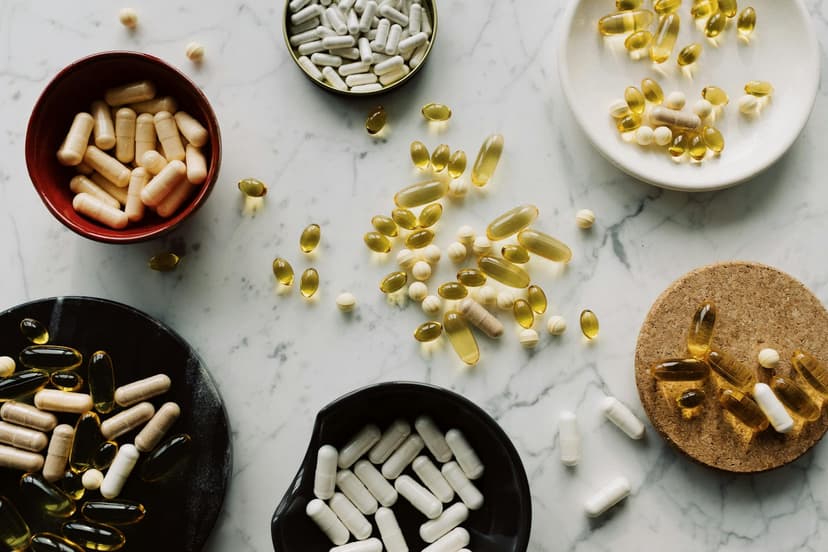
Possibly, but it depends on why you are immunosuppressed and how suppressed your immune system is. Some research suggests probiotics can be safe in certain immunosuppressed groups, but rare bloodstream infections have been reported, so it is best to get your transplant, rheumatology, or oncology team to weigh in first.
10 Gut-Damaging Foods, Explained by Gut Biology
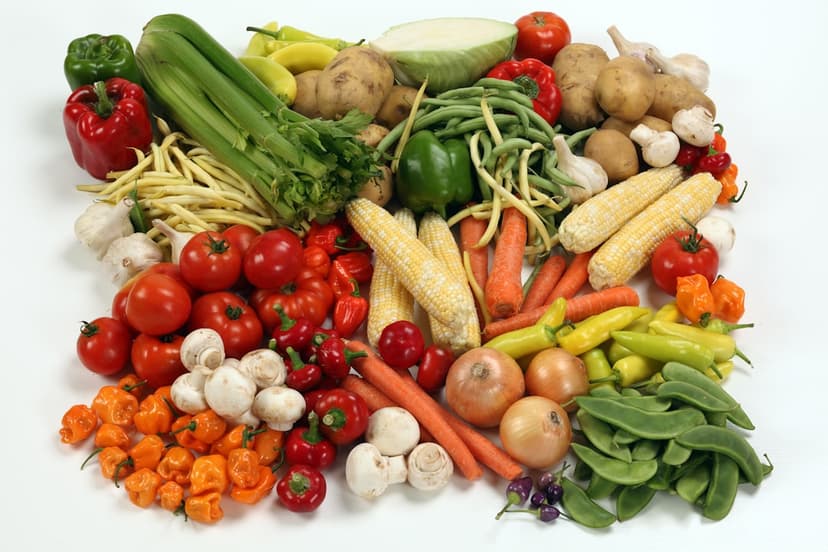
If you have ever eaten “pretty healthy” and still felt bloated, foggy, or moody, this gut-first framework offers a different explanation: it is not only what you eat, it is what you can digest and how your gut microbes process it. The video frames the gut as a control center for immunity, hormones, and mood, then counts down 10 common food categories that may disrupt the gut lining, the mucus barrier, and bacterial balance. You will also find practical ways to reduce exposure without trying to be perfect.
Is it safe to take probiotics with antibiotics?
For most healthy adults, taking probiotics while on antibiotics is generally considered safe and may help lower the risk of antibiotic-associated diarrhea. However, probiotics are not risk-free, people with weakened immune systems or serious illness should get medical advice first, and timing the doses can matter.