Carbs, Gut Health, and Smart Supplements for Women

Summary
Carbs are not automatically the problem, the type of carbohydrate and what it does to your gut and blood sugar matters. This video’s perspective is gut-first: prioritize fiber-rich, colorful plants, sprouted and ancient grains, and minimally processed options (like sourdough) to support the microbiome, especially as diversity can drop in perimenopause. It also argues that stable blood sugar is part of fueling exercise, not just weight management. Finally, it outlines a life-stage supplement approach for women, with creatine as a cornerstone, plus attention to iron status, vitamin D3, and omega-3s as needs shift with age.
🎯 Key Takeaways
- ✓A gut-first approach reframes carbs as microbiome fuel, especially via fiber from colorful plants and minimally processed grains.
- ✓Not all carbs act the same, sprouted and ancient grains may affect blood sugar differently than ultra-processed carbohydrates.
- ✓If blood sugar is poorly controlled, fueling exercise can become harder, which can backfire on performance and recovery.
- ✓Aim for plant diversity, the “30 plants a week” idea includes fruits, vegetables, herbs, and spices.
- ✓Women’s supplement needs can shift by life stage, with creatine as a mainstay, iron and vitamin D3 often relevant earlier, and omega-3s emphasized more in peri and postmenopause.
Most people are not confused about carbohydrates because they are lazy or uninformed.
They are confused because “carbs” has become a single word used to describe everything from blueberries to breakfast cereal to sourdough toast to candy.
This video’s unique angle is that the carb conversation gets clearer when you stop treating carbohydrates like a moral category and start treating them like a gut and blood sugar tool. The discussion keeps circling back to one idea: if you want a healthier relationship with carbs, begin with what your gut microbiome needs, then work outward to performance, hormones, and day-to-day food choices.
Why carbs feel confusing right now
One frustration highlighted in the conversation is the way social media turns nuance into fear. Fruit gets labeled “too sugary,” vegetables get framed as suspicious, and people end up eating fewer plants even though many already struggle to eat enough.
The speaker also points out a real-world contrast: living in a country with more seasonal options and fewer ultra-processed choices makes “food” easier to identify. Walking into a large US grocery store can feel like walking into “rows and rows” of products that look edible, but are difficult to recognize as actual ingredients.
That matters because the word carb is often used as shorthand for ultra-processed carbohydrates, not for fiber-rich whole foods.
Did you know? Diet quality, including higher intake of fiber-rich plant foods, is consistently linked with better cardiometabolic health in large population studies, and dietary fiber is a key driver of beneficial gut microbial activity. One helpful overview is the Harvard School of Public Health’s explainer on fiberTrusted Source.
The video’s gut-first reframe, carbs as microbiome fuel
This perspective brings the conversation “down to the gut microbiome.” Instead of asking, “Are carbs bad?” it asks, “What does my gut community need to thrive?”
A key point is that gut microbiome diversity tends to shift with age, and the video specifically mentions a noticeable decrease in diversity as women move into perimenopause.
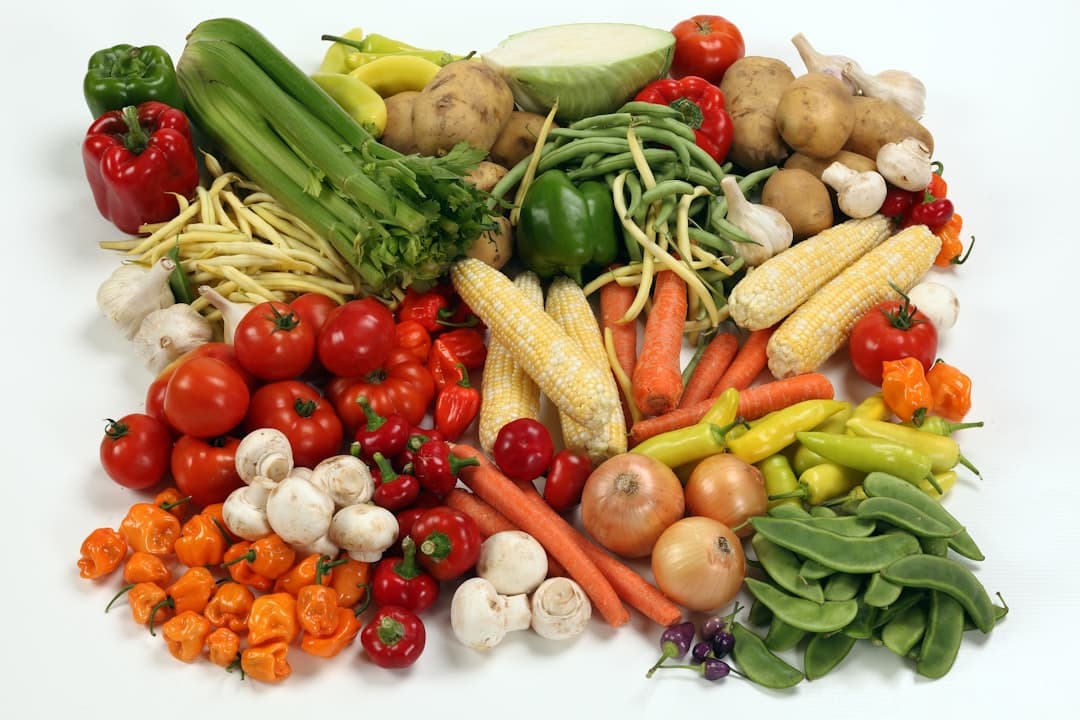
The practical implication is straightforward: eat lots of colorful fruits and vegetables, and consider carbohydrates that come packaged with fiber and nutrients.
Why “colorful plants” are more than a wellness slogan
Color often signals plant compounds that microbes can use, and that your body may benefit from as well. The video’s advice is not “eat perfect,” it is “eat varied.”
One memorable rule of thumb shared is 30 plants a week, and it counts more than just salads.
A short, human detail from the conversation captures the tone: celebrating a “win” when a carb-phobic client eats a piece of toast. That is a behavior change strategy, not a macronutrient debate.
Pro Tip: If you are trying to increase fiber without stomach chaos, build slowly. A sudden jump in fiber can cause gas and bloating in some people, especially if hydration is low.
Blood sugar and hormones, the trade-offs between carb types
The video draws a clear line between sprouted grains and ancient grains versus ultra-processed carbohydrates.
This is not presented as a “good vs bad” list, it is presented as a blood sugar and hormone response issue. The claim is that minimally processed, fiber-containing carb choices often do not hit blood sugar the same way as ultra-processed foods.
One practical reason the discussion keeps returning to blood sugar is performance: if blood sugar is poorly controlled, “we actually can’t fuel our exercise.”
That is a subtle but important trade-off. Very low-carb eating may feel like control for some people, but if it leads to under-fueling, workouts can suffer, recovery can suffer, and cravings can rebound.
What the research shows: Diets higher in minimally processed plant foods tend to increase fiber intake, which is linked to improved glycemic control and lower cardiometabolic risk in many studies. For a plain-language overview, see the American Diabetes Association on glycemic management and healthy carb choicesTrusted Source.
A concrete example from the video, sourdough as a “bridge” food
The host shares making sourdough bread weekly as a family treat, and pairing it with breakfast foods like avocado and an omelet.
This example matters because it shows the video’s larger point: some carbohydrate foods can be both enjoyable and supportive, especially when combined with protein and fat that may slow glucose rise for some people.
It also highlights a mindset shift. Instead of “I failed because I ate bread,” it becomes “I chose a more traditional, minimally processed option, I enjoyed it, and I moved on.”
A practical ladder to rebuild trust with carbohydrates
The video’s approach is stepwise, not ideological.
It starts with plants, then expands. Here is that “ladder,” translated into simple steps you can try.
Start with vegetables first. Begin by adding vegetables to meals you already eat, rather than redesigning your whole diet. A side salad, roasted broccoli, or sautéed peppers can increase fiber and micronutrients without forcing you into unfamiliar recipes.
Add fruit without apologizing for it. The discussion pushes back on fear-based claims that fruit is inherently harmful. Fruit is part of plant diversity, and for many people it is an easier first step than learning to love kale.
Experiment with “better-identified” carbs. The speaker favors sprouted grains and ancient grains as examples, and the host gives sourdough as a practical, real-life option. The goal is to choose foods you can recognize as food.
Notice how your body fuels exercise. If workouts feel flat, recovery drags, or you feel unusually irritable or snacky, it may be worth checking whether you are simply under-fueled. This is especially relevant for active women who are trying to train hard while also restricting carbs.
Keep the focus on variety, not perfection. The “30 plants a week” target is flexible, and it can include herbs and spices. This helps people avoid the all-or-nothing trap.
A small but telling line in the video is the joy in celebrating toast. That is behavior change done well: you reduce fear, widen options, and build consistency.
»MORE: A simple “30 plants” tracker can make this easier. Create a weekly note on your phone with checkboxes for fruits, vegetables, beans, whole grains, nuts, seeds, herbs, and spices.
Supplements across a woman’s life stages, what changes and why
The second half of the conversation shifts to supplements for women across menstrual years, perimenopause, and menopause.
The framing is not “everyone needs everything.” It is that needs and priorities can shift with life stage, training load, sun exposure, and lab values.
Creatine as the mainstay
Creatine is described as the consistent foundation, and the video specifically names creatine monohydrate.
The speaker highlights broad areas where creatine is getting more attention, including brain health, heart health, and gut health, especially in women.
Dosage and ramp-up are specific:
Expert Q&A
Q: Do I need a “loading phase” for creatine?
A: The approach in this video favors a gentler ramp-up rather than an aggressive loading protocol. Starting at 1.5 grams, then 3 grams, then 5 grams may reduce stomach upset for some people while still reaching saturation over a few weeks.
If you have kidney disease, are pregnant, or take medications that affect kidney function, it is smart to check with your clinician before starting creatine.
Video expert, sports nutrition perspective
For context, major sports nutrition organizations recognize creatine monohydrate as one of the most studied performance supplements, with a generally strong safety profile for healthy adults when used appropriately. A useful overview is the International Society of Sports Nutrition position stand on creatine supplementationTrusted Source.
Reproductive years, iron and vitamin D3 come up often
The video emphasizes that many women in their menstrual years struggle with iron status, particularly ferritin on the low end of “normal.”
A nuanced point is raised: lab reference ranges reflect the general population, and if the general population becomes less healthy, “normal” may not equal optimal for an active woman.
The speaker’s practical threshold is specific: if ferritin is below 50, it is worth taking a closer look with a clinician, because iron is essential for more than red blood cells.
Vitamin D3 is the other highlight. The rationale is modern indoor living, plus sun protection habits that can reduce vitamin D synthesis.
For a research-backed overview of vitamin D testing, dosing, and safety limits, see the NIH Office of Dietary Supplements on vitamin DTrusted Source.
Perimenopause and postmenopause, omega-3s move up the priority list
The key change the speaker makes for peri and postmenopause is emphasizing omega-3 fatty acids.
The reasoning is cellular support related to oxidative and inflammatory processes, and the claim is that this “boost” becomes more important as women age.
The dosage target given is also clear: 2 to 3 grams daily.
Expert Q&A
Q: Is “2 to 3 grams of omega-3s” the same as 2 to 3 grams of fish oil?
A: Not necessarily. Many fish oil capsules contain less EPA and DHA than the total oil amount. If you are aiming for 2 to 3 grams, you may need to read the label for EPA plus DHA content and confirm the target with your clinician, especially if you take blood thinners or have surgery planned.
Video expert, sports nutrition perspective
For more detail on omega-3s, including EPA and DHA, the NIH Office of Dietary Supplements has a practical consumer guide to omega-3 fatty acidsTrusted Source.
Key Takeaways
Frequently Asked Questions
- Are carbs really bad for gut health?
- This video’s perspective is that many carbs can support gut health, especially fiber-rich fruits, vegetables, and minimally processed grains. The bigger concern is relying heavily on ultra-processed carbohydrate foods that may displace plant variety and fiber.
- What is the “30 plants a week” idea?
- It is a practical way to increase dietary variety by aiming for 30 different plant foods per week. It includes vegetables and fruit, plus herbs and spices, which can make the goal more achievable.
- How much creatine does the video suggest for women?
- The core dose discussed is 5 grams of creatine monohydrate daily, often with a gradual ramp-up (1.5 grams week 1, 3 grams week 2, 5 grams week 3). In periods of high stress, low sleep, or depression, the video mentions 2 times 5 grams daily, but it is best to confirm appropriateness with a clinician.
- How much vitamin D3 is recommended in the video?
- The range discussed is about 2,000 to 5,000 IU/day, adjusted for season, latitude, skin tone, and sun exposure. Because vitamin D can build up in the body, testing and clinician guidance can help personalize dosing.
- Why does the video emphasize omega-3s more in perimenopause and menopause?
- The speaker highlights omega-3 fatty acids for cellular support related to oxidative and inflammatory processes, suggesting needs may become more important with age. The target shared is 2 to 3 grams daily, and label reading matters because EPA and DHA content varies.
Get Evidence-Based Health Tips
Join readers getting weekly insights on health, nutrition, and wellness. No spam, ever.
No spam. Unsubscribe anytime.