Carbohydrate: Complete Guide
Carbohydrates are a core macronutrient that fuels daily life, supports training intensity, and restores glycogen after exercise. This guide explains how carbs work in the body, how to choose the right types and amounts for your goals, when to be cautious, and how carbohydrate intake connects to blood sugar, insulin, and metabolic health.
What is Carbohydrate?
Carbohydrate is one of the three macronutrients, alongside protein and fat. It is primarily an energy-providing nutrient and is especially important for fueling higher-intensity activity and for restoring glycogen after exercise. In foods, carbohydrates appear as sugars, starches, and fibers.From a nutrition perspective, “carbs” ranges from minimally processed whole foods like fruit, potatoes, oats, beans, and dairy to highly processed sources like soda, candy, pastries, and many snack foods. These sources can behave very differently in the body because of differences in fiber, water content, micronutrients, and how fast they are digested.
Carbohydrates are not inherently “good” or “bad.” The health impact depends on context: the type of carbohydrate, the amount, your activity level, your metabolic health (insulin sensitivity), your sleep and stress, and what the carbohydrate displaces in your diet.
> Key idea: Carbohydrates are the body’s most flexible fuel. They can support performance and recovery, but when overconsumed or highly processed, they can also worsen blood sugar and triglycerides in susceptible people.
How Does Carbohydrate Work?
Carbohydrate physiology is mostly about digestion, absorption, blood glucose regulation, and storage as glycogen or fat. Understanding these steps helps you choose the right carb strategy for energy, body composition, and metabolic health.Digestion and absorption
Most digestible carbohydrates are broken down into simple sugars (mainly glucose, plus fructose and galactose). These are absorbed through the small intestine into the bloodstream.Starches (bread, rice, potatoes, pasta) are chains of glucose that get broken down into glucose. Sugars (table sugar, honey, fruit sugar) are already small units or pairs of units and can be absorbed quickly. Fiber is carbohydrate that human enzymes cannot fully digest. Some fiber is fermented by gut bacteria into short-chain fatty acids that may support gut and metabolic health.
The speed of digestion depends on food structure and processing. A baked potato and potato chips both “count” as carbs, but they digest differently because of water content, fat, processing, and fiber.
Blood glucose, insulin, and cellular energy
After a carb-containing meal, blood glucose typically rises. In response, the pancreas releases insulin, which helps move glucose into cells (especially muscle and fat cells) and signals the liver to store glucose.Insulin is not “bad.” It is a normal, essential hormone. Problems arise when insulin needs to stay chronically high to keep glucose controlled, which is common in insulin resistance.
Inside cells, glucose can be: Used immediately to produce ATP (energy) Stored as glycogen in muscle and liver Converted to fat (more likely when total energy intake is high and glycogen stores are already full)
Glycogen: the performance and recovery connection
Glycogen is stored carbohydrate.Muscle glycogen is a local fuel tank for exercise. It supports intense training, sprinting, and lifting volume. Liver glycogen helps stabilize blood glucose between meals and overnight.
After exercise, especially longer or higher-intensity sessions, glycogen can be significantly depleted. Replenishing it supports recovery, training quality, and, for many athletes, overall performance.
Fructose: a special case
Fructose (from fruit, table sugar, and high-fructose corn syrup) is handled differently than glucose. It is primarily processed in the liver. In moderate amounts from whole fruit, fructose is usually not a problem because fruit also provides water, fiber, and micronutrients. In large amounts from sweetened beverages and ultra-processed foods, fructose can contribute to higher triglycerides and fatty liver in susceptible individuals.Why “carb quality” matters
Carb quality is strongly influenced by: Fiber and intact structure (slower digestion, better satiety) Protein and fat pairing (slower glucose rise) Liquid vs solid (liquid sugar is absorbed rapidly and is easy to overconsume) Degree of processing (ultra-processed carbs often combine refined starch, added sugar, and industrial fats)This is one reason metabolic markers like fasting triglycerides can worsen when carbs are mostly refined and eaten late at night, even if total calories do not feel extreme.
Benefits of Carbohydrate
Carbohydrates can be highly beneficial when matched to your physiology and goals.1) Energy for daily life and training intensity
Glucose is a preferred fuel for the brain and for high-intensity exercise. For lifting, interval training, team sports, and hard cardio, sufficient carbohydrate can support output, reduce perceived exertion, and help you sustain training volume.2) Glycogen restoration and faster recovery
Post-exercise carbohydrate helps replenish glycogen, particularly when: training is long, intense, or involves multiple sessions per day you have another hard session within 24 hours you are trying to maximize performance rather than just general fitnessPairing carbs with protein post-workout can support muscle repair and recovery.
3) Supports dietary fiber intake and gut health (when carbs come from whole foods)
Many of the highest-fiber foods are carbohydrate-rich: beans, lentils, oats, berries, and many vegetables. Higher fiber intake is consistently associated with better cardiometabolic health in population research, likely through improved satiety, gut microbiome effects, and better post-meal glucose handling.4) Can improve adherence and mood for some people
For many, including active individuals, moderate carbohydrate intake improves dietary satisfaction and training enjoyment. Diets that are too restrictive can backfire through cravings, binge cycles, or reduced training quality.5) Strategic carbs can help metabolic health in active people
In insulin-sensitive individuals who are physically active, carbohydrate is often handled well, especially when most carbs come from minimally processed foods and are timed around activity.> Practical lens: Carbohydrates are often most beneficial when they are “earned” by movement, meaning your muscles have a reason to store and use glycogen.
Potential Risks and Side Effects
Carbohydrates are safe for most people, but the wrong type, amount, or timing can create real problems.1) Blood sugar spikes, crashes, and hunger cycles
Refined carbs and added sugars can cause rapid glucose rises followed by drops that feel like: shakiness irritability intense cravings post-meal sleepinessThese effects are more common in insulin resistance, sleep deprivation, and high-stress periods.
2) Worsening insulin resistance and higher insulin over time
Chronically high intake of refined carbs, especially in a calorie surplus and with low activity, can worsen insulin resistance. Early warning signs can show up before fasting glucose becomes abnormal, such as persistent hunger, sugar cravings, post-meal fatigue, and rising waist circumference.3) Elevated triglycerides and fatty liver risk (in susceptible people)
High intakes of added sugar and refined starch, particularly when paired with excess calories and late-night eating, can raise triglycerides. Clinically, combining fasting triglycerides and fasting glucose into the triglyceride-glucose (TyG) index is increasingly used as a practical signal of metabolic risk.4) GI symptoms when fiber or sugar alcohols are high
Large increases in fiber too quickly can cause bloating and gas. Some “low sugar” products use sugar alcohols (like sorbitol or maltitol), which can cause diarrhea or cramping.5) Dental and skin effects
Frequent sugar exposure increases dental caries risk. High glycemic diets can also increase glycation, which is implicated in skin aging and may correlate with poorer metabolic health.6) Special caution: diabetes medications and carb reduction
If you have diabetes and take insulin or insulin secretagogues, sharply reducing carbs can increase hypoglycemia risk unless medication is adjusted with a clinician.> Callout: If you have rising A1C, high triglycerides, fatty liver, or symptoms of unstable blood sugar, the first lever to consider is often carb quality and timing, not necessarily extreme carb elimination.
How to Implement Carbohydrate (Best Practices)
There is no single “right” carb intake. A useful approach is to set your carbohydrate strategy based on your activity level, goals, and metabolic markers.Step 1: Choose your primary goal
Performance and muscle gain: You likely benefit from moderate to higher carbs.Fat loss with appetite control: Many people do well with moderate carbs focused around training and lower-carb at other meals.
Blood sugar control and metabolic health: Prioritize carb quality, reduce refined carbs and added sugar, and consider a lower-carb approach if markers are elevated.
Step 2: Start with a practical intake range
Instead of a single “dosage,” use ranges and adjust.General health (moderately active):
Often works well: 2 to 4 g carbohydrate per kg body weight per dayEndurance or high-volume training: Common range: 4 to 7+ g/kg/day, depending on duration and intensity
Fat loss or insulin resistance: Many do well with lower to moderate carbs, often 1 to 3 g/kg/day, with emphasis on whole-food sources and higher protein
These are starting points, not rules. Your hunger, sleep, training output, and labs matter more than a formula.
Step 3: Time carbs to your physiology
Carb timing is a high-leverage tool.Before training If lifting: a small protein dose can be enough for many. If doing cardio up to 90 minutes or higher intensity: pairing protein with a modest carb dose can support performance.
After training If you train again within 24 hours or you are doing high volume: include carbs with protein to replenish glycogen. If your goal is fat loss and training is moderate: you can still include carbs, but portion size matters.
Evening and late-night eating Late-night ultra-processed carbs are a common driver of high fasting glucose and triglycerides. Many people see improvements by stopping food earlier in the evening.
> Simple framework: The “3-2-1” timing approach can help: stop eating 3 hours before bed, aim for 2 meals per day if it fits you, and focus on 1 change at a time.
Step 4: Build meals around “carb anchors” and “protein anchors”
For blood sugar stability, carbs tend to work best when they are part of a balanced plate.A steady-energy plate often includes: Protein (meat, fish, eggs, Greek yogurt, tofu) High-fiber carbs (beans, oats, fruit, potatoes with skin, intact whole grains) Non-starchy vegetables Healthy fats (olive oil, nuts, avocado)
Step 5: Pick better carb sources (and know the trade-offs)
Best everyday staples (for most people): Fruit, especially berries, citrus, apples Potatoes, sweet potatoes, squash Oats, minimally processed whole grains Beans, lentils, chickpeas Plain dairy like milk or kefir (if tolerated) Non-starchy vegetables (technically carbs, but low net carb and high fiber)Carbs to limit (especially for metabolic health): Sugary drinks and juices Candy, pastries, desserts Refined snacks (chips, crackers) “Stealth sugar” foods (sweetened yogurts, sauces, coffee drinks) Frequent fast food meals that combine refined carbs, industrial oils, and high sodium
Step 6: Use self-feedback and labs
Carb tolerance is individual. Useful feedback tools include: Hunger and cravings after meals Energy and sleep quality Waist circumference Training performance Labs: fasting glucose, A1C, fasting triglycerides, fasting insulin (when available), and the TyG index as a discussion starter with your clinicianWhat the Research Says
Nutrition research on carbohydrates is broad and sometimes confusing because “carb” can mean everything from lentils to soda. The strongest conclusions come from patterns seen across many studies.1) Carb quality consistently outperforms carb quantity
Large bodies of evidence from cohort studies and controlled trials suggest that fiber-rich, minimally processed carbohydrate sources are associated with better cardiometabolic outcomes compared with refined grains and added sugars. Diet patterns emphasizing legumes, whole grains, fruits, and vegetables repeatedly correlate with lower risk of type 2 diabetes and cardiovascular disease.2) Added sugar and refined starch are strongly linked to metabolic risk
Randomized and mechanistic research supports that high intakes of added sugar, especially in liquid form, can increase calorie intake without satiety and can worsen triglycerides. Excess fructose intake from sweetened beverages is particularly implicated in liver fat accumulation in susceptible individuals.3) Low-carb and Mediterranean-style approaches can both work
Comparative trials often find multiple dietary patterns can improve weight and metabolic markers when they: reduce ultra-processed foods increase protein and fiber create a sustainable calorie deficit when fat loss is neededLower-carb diets frequently show faster early improvements in triglycerides and glycemic variability, especially in insulin-resistant individuals. Mediterranean-style patterns often show strong cardiovascular benefits and are easier for some to maintain long term.
4) For performance, carbs remain a primary tool
Sports nutrition research continues to support carbohydrate availability as a key determinant of endurance performance and high-intensity repeat efforts. The “right” amount depends on training load and the athlete’s ability to tolerate carbs gastrointestinally.5) What we still do not know (and why it matters)
The best carb level for long-term outcomes varies by phenotype: insulin sensitivity, liver fat, visceral fat, and activity. Individual responses differ due to genetics, microbiome, sleep, stress, and muscle mass. Many studies rely on self-reported intake, which can blur results.The practical takeaway is to use research to set guardrails (prioritize fiber, avoid added sugar excess) and then personalize with outcomes that matter: energy, body composition, and labs.
Who Should Consider Carbohydrate?
Everyone consumes some carbohydrate, but the “right” approach differs.People who often benefit from higher or more strategic carbs
Endurance athletes and high-volume trainees who need glycogen to perform and recover People trying to gain muscle who need sufficient training quality and overall energy Lean, insulin-sensitive individuals who tolerate carbs well and prefer them for dietary adherencePeople who may benefit from a lower-carb emphasis
Insulin resistance or prediabetes (elevated A1C, high fasting insulin, high triglycerides) Metabolic syndrome (waist gain, blood pressure issues, triglycerides up, HDL down) Fatty liver risk (often paired with high triglycerides) Strong cravings and unstable appetite driven by refined carbs and late-night eatingSpecial populations: individualized planning
Pregnancy: carb needs and glucose targets can change; gestational diabetes requires clinician-guided planning. Older adults: maintaining protein and strength is critical; carbs should support appetite and activity without driving glucose instability. GI disorders: fiber type and FODMAP content may matter more than total carbs.Common Mistakes, Interactions, and Alternatives
This section helps you avoid the traps that make “carbs” feel confusing.Mistake 1: Treating all carbs as identical
Oats, lentils, and soda can all be “carbs,” but they do not produce the same satiety, micronutrient intake, or metabolic response. A useful rule is to ask: Does this carb come with fiber and water? If not, portion control becomes more important.Mistake 2: Going very low-carb without a plan for training
Some people feel great on low-carb diets, especially with lower-intensity activity. Others see training quality drop, sleep worsen, or cravings rise. If performance matters, consider: placing most carbs around workouts using higher-fiber starches rather than sugar ensuring adequate total calories and electrolytesMistake 3: “Health halo” carb products
Granola, smoothies, protein bars, and sweetened yogurts can be high in added sugars. These can undermine blood sugar goals even when the label looks healthy.Mistake 4: Late-night ultra-processed carbs
This is a common pattern behind elevated fasting glucose and triglycerides. If you do only one thing, move carbs earlier and reduce late-night snacking.Interaction: carbs, triglycerides, and the TyG index
If fasting triglycerides and fasting glucose are both drifting upward, it can signal worsening insulin resistance even if LDL is “fine.” Discuss with your clinician whether tracking the TyG index could help guide lifestyle changes such as walking after meals, resistance training, and reducing refined carbs.Alternatives to “more carbs” for energy
If you feel low energy, adding carbs is not the only option. Sometimes the better fix is: more sleep and earlier last meal more protein at breakfast hydration and electrolytes reducing alcohol (often raises triglycerides) walking after meals to blunt glucose spikes> High-leverage habit: A 10 to 20 minute walk after meals can meaningfully reduce post-meal glucose excursions for many people.
Frequently Asked Questions
Are carbohydrates essential?
Carbohydrates are not strictly essential in the way certain amino acids and fatty acids are, because the body can produce glucose. However, carbs can be highly beneficial for performance, recovery, fiber intake, and diet adherence.How many carbs should I eat per day?
It depends on body size, activity, and metabolic health. Many moderately active people do well around 2 to 4 g/kg/day, endurance athletes often need more, and insulin-resistant individuals often benefit from lower to moderate intake focused on whole-food sources.Do carbs make you gain fat?
Carbs do not automatically cause fat gain. Consistent calorie surplus drives fat gain. That said, refined carbs can make overeating easier by increasing hunger and reducing satiety, especially in liquid form.What are the best carbs for blood sugar control?
Generally: non-starchy vegetables, beans and lentils, whole fruit, oats, and minimally processed starches like potatoes or brown rice in appropriate portions. Pairing carbs with protein, fiber, and a short walk after meals often helps.Is fruit “too much sugar”?
Whole fruit is usually a net positive because it comes with fiber, water, and micronutrients. The bigger concern is sweetened beverages, desserts, and refined snacks. People with diabetes may still need portion awareness and individualized guidance.Should I avoid carbs at night?
Not necessarily. Some people sleep better with a moderate, whole-food carb portion at dinner. The bigger issue is late-night eating and ultra-processed carbs. Stopping food a few hours before bed is a common, effective strategy for improving fasting glucose and appetite.Key Takeaways
Carbohydrates are a macronutrient that provides energy and helps restore glycogen after exercise. Carb quality matters as much as carb quantity. Fiber-rich, minimally processed carbs behave very differently than refined sugar and starch. Carbs support performance and recovery, especially for high-intensity and endurance training. Main risks come from excess refined carbs and added sugars, particularly late at night, which can worsen blood sugar, insulin resistance, triglycerides, and fatty liver risk. Practical best practices include prioritizing whole-food carb sources, pairing carbs with protein and fiber, walking after meals, and timing carbs around training. Use outcomes to personalize: energy, hunger, waist measurement, training performance, and labs like A1C, fasting triglycerides, and fasting insulin when available.Related Articles
2 articles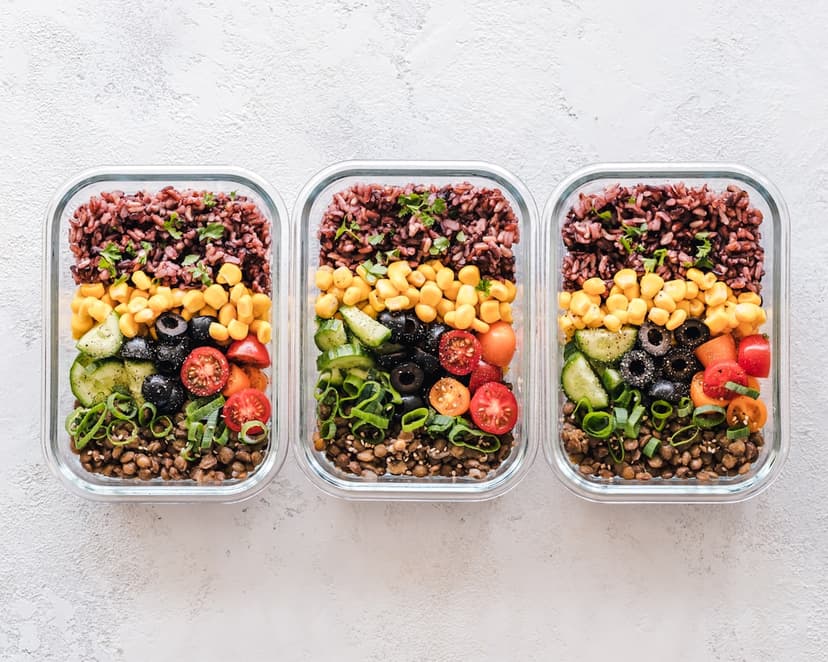
What to Eat Before and After Workouts, Sims Style
Fueling is not just about eating before exercise, it is about supporting the stress of training and the recovery that makes you fitter. This video’s practical approach is simple: before strength training, aim for about 15 g of protein. Before cardio sessions up to 90 minutes, pair that 15 g protein with about 30 g carbohydrate to support intensity and help avoid an excessive cortisol spike. The emphasis stays on real, nutrient-dense foods over ultra-processed “protein” products, with flexible examples like non-fat Greek yogurt plus banana, or “protein coffee” for early mornings.

Milk Kefir: A Deep Dive Into Gut Health Benefits
Milk kefir is not just “drinkable yogurt.” In the video, the presenter describes being late to kefir, then becoming a regular home fermenter, making it 3 to 4 days per week for its tang, light carbonation, and “feel good” effect. He frames kefir as a whole food probiotic that can be more practical than pills, highlights its unique mix of bacteria and yeasts, and walks through a simple countertop method (18 to 24 hours). Research reviews and newer microbiome papers suggest kefir may support gut function and may influence markers like blood sugar in some groups, but results can vary by product and person.
Glossary Definition
A type of macronutrient that provides energy and helps restore glycogen after exercise.
View full glossary entryHave questions about Carbohydrate: Complete Guide?
Ask Clara, our AI health assistant, for personalized answers based on evidence-based research.