What to Eat Before and After Workouts, Sims Style
Summary
Fueling is not just about eating before exercise, it is about supporting the stress of training and the recovery that makes you fitter. This video’s practical approach is simple: before strength training, aim for about 15 g of protein. Before cardio sessions up to 90 minutes, pair that 15 g protein with about 30 g carbohydrate to support intensity and help avoid an excessive cortisol spike. The emphasis stays on real, nutrient-dense foods over ultra-processed “protein” products, with flexible examples like non-fat Greek yogurt plus banana, or “protein coffee” for early mornings.
🎯 Key Takeaways
- ✓This framing treats pre and post workout eating as one goal: fuel the stress, then recover so you can adapt.
- ✓A simple pre-lifting target from the video is about 15 g of protein, not a full meal.
- ✓For cardio sessions up to about 90 minutes, adding roughly 30 g carbohydrate to that protein may support intensity and steadier stress hormones.
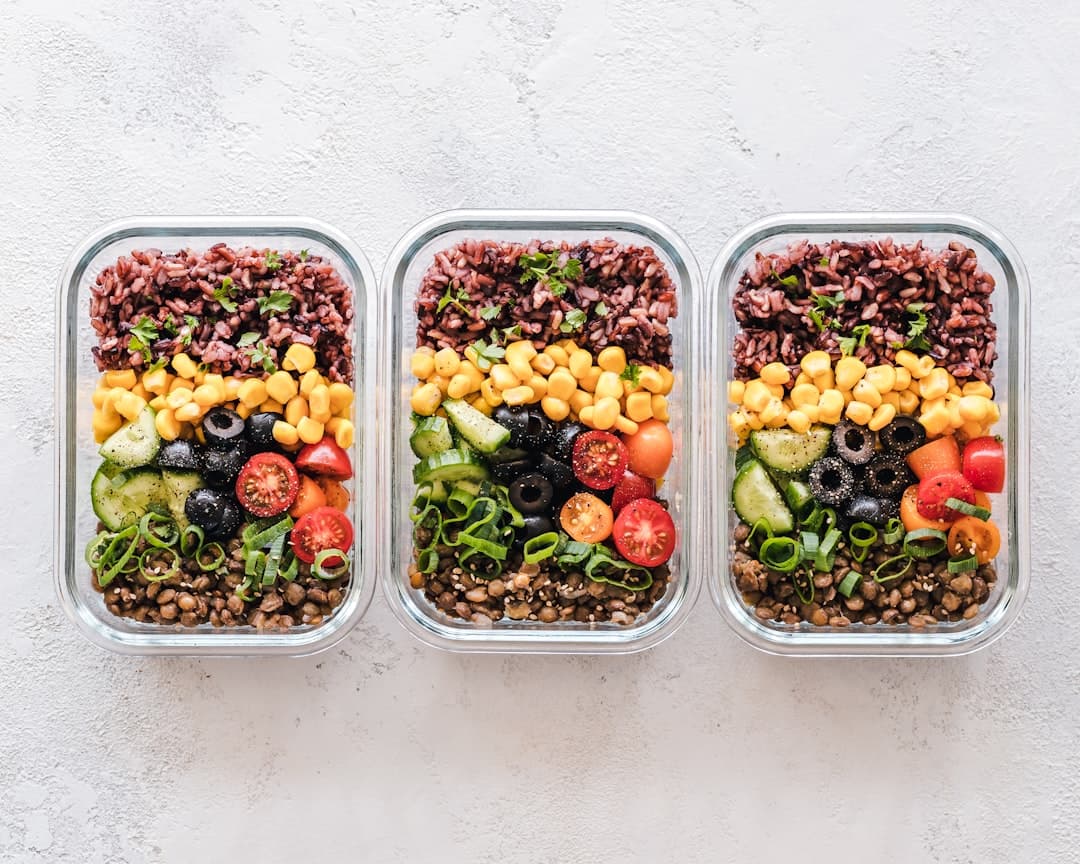
- ✓Real, nutrient-dense foods (the “grandparent diet”) are prioritized over ultra-processed protein bars and powders used by default.
- ✓Food choices “lower on the food chain” (closer to their natural form) can improve satiety, fiber intake, and micronutrient coverage.
The most important takeaway is surprisingly small: a little targeted fuel before you train can set up better recovery afterward.
This perspective treats exercise as a stress (italics first use) that you can prepare for, then “cash in” on during recovery. The goal is not to eat perfectly, it is to eat purposefully.
The core idea: you get fitter in recovery
Training is the stimulus. Recovery is where adaptation happens.
That framing changes how you think about pre and post workout food. Instead of asking, “What’s the perfect meal?” the more useful question becomes, “What does my body need to do this session well, and then repair?”
When the session is underfueled, intensity can drop, and the stress response can rise. Cortisol is part of normal physiology during exercise, but the discussion highlights that adequate carbohydrate availability can help you hit the intensities you want without an undue cortisol surge.
Pro Tip: If you tend to train early and cannot tolerate a full breakfast, aim for a small, fast-digesting option rather than skipping fuel entirely.
What to eat before training (simple numbers, real food)
The pre-exercise target here is intentionally not a full meal. It is a small amount of protein, and sometimes carbohydrate, chosen for the workout you are about to do.
For strength workouts: about 15 g protein
A key point from the video is based on work discussed from Professor Abby Smith-Ryan at UNC: having 15 g of protein before a strength workout may keep metabolism elevated after training, supporting a better hormonal environment for repair and adaptation.
What does 15 g look like in real food? The translation offered is practical: about half a single-serve non-fat Greek yogurt. Non-fat is emphasized because it tends to move through the stomach faster, which can matter when you are eating close to training.
For cardio up to 90 minutes: add about 30 g carbs
For a cardiovascular session lasting up to 90 minutes, the video adds a second target: keep the 15 g protein, and add 30 g carbohydrate.
The logic is straightforward. Carbohydrate raises blood glucose, and that higher availability signals the brain that fuel is on board, which may help you sustain planned intensity. This also may reduce the chance of a stress response that feels disproportionate to the session.
What the research shows: Sports nutrition guidance commonly supports combining carbohydrate and protein around exercise to support performance and recovery. For example, the International Society of Sports Nutrition position stand on proteinTrusted Source discusses how total daily protein and strategic timing can support training adaptations.
After training: build recovery around what you already started
You do not “earn” fitness during the workout, you build it after.
The practical implication is that post-workout eating should finish the job you started with pre-workout fuel. If you had a small protein-forward snack before lifting, your next meal can be more complete, including carbohydrate, protein, and micronutrient-rich foods.
A simple way to think about it is to return to your normal meal pattern, but make the next meal count. Whole foods that provide protein for muscle repair, carbohydrate to replenish glycogen, and fiber plus micronutrients to support overall health fit the recovery goal.
Important: If you have diabetes, reactive hypoglycemia, gastrointestinal disease, or a history of disordered eating, talk with a clinician or sports dietitian before making major changes to pre and post exercise fueling.
Nutrient density over “protein everything” packaging
Not all “protein” foods are actually helpful foods.
A strong theme is skepticism toward ultra-processed products marketed as health foods. Protein bars may be useful “in a pinch,” but the point made is blunt: many are not much better than candy bars when you look at added sugars, refined ingredients, and low micronutrient value.
This is where the “grandparent diet” idea comes in. Shop the perimeter of the grocery store more often, where you find foods closer to their natural form.
Why nutrient density matters
Nutrient-dense eating is described as doing three things at once: improving satiation, feeding the gut microbiome with fiber, and providing micronutrients that supplements cannot fully replicate.
The orange example makes it tangible. An orange comes with pectin, a fiber that can reduce the impact of the fructose, while orange juice delivers fructose with much less fiber. That is one reason whole fruit is often more filling and metabolically gentle than juice, a point consistent with broader dietary guidance emphasizing whole foods over sugary beverages, including the Dietary Guidelines for AmericansTrusted Source.
Did you know? Ultra-processed foods tend to be higher in added sugar, sodium, and refined starches, and higher intake is associated with poorer health outcomes in large observational research. A review in The BMJTrusted Source discusses links between ultra-processed food consumption and multiple health risks.
Make it personal: tolerance, timing, and useful tech
There is no single menu that fits everyone.
A practical and honest point is that food preferences, intolerance, and timing matter. Some people can eat a full breakfast before training, others cannot. The goal is to hit the small targets in a way that your body accepts, and that you can repeat consistently.
Technology can help here, especially tools that estimate macro and micronutrient composition from foods. Used well, this can be educational, not obsessive. If tracking becomes stressful or triggering, it is reasonable to step back and focus on simple patterns like protein plus carb before cardio, and whole foods most of the time.
Q: Do I really need carbs before cardio if I’m trying to burn fat?
A: This approach prioritizes doing the session well. For cardio up to 90 minutes, adding about 30 g carbohydrate may help you maintain intensity and avoid feeling overly stressed during the workout.
If you have a medical condition affected by carbohydrate intake, or you are experimenting with low-carb eating, consider discussing it with a sports dietitian so performance goals and health needs are both addressed.
Stacy Sims, PhD (as presented in the video)
»MORE: Create a “two-option” pre-workout list: one solid-food snack (yogurt plus fruit) and one liquid option (protein coffee). Rotate based on schedule and stomach comfort.
Key Takeaways
Frequently Asked Questions
- What should I eat before a strength workout?
- This video’s approach is small and specific: aim for about 15 g of protein before lifting, not a full meal. One example given is about half a single-serve non-fat Greek yogurt, chosen for faster digestion.
- What should I eat before cardio that lasts around an hour?
- For cardio sessions up to about 90 minutes, the suggestion is 15 g protein plus roughly 30 g carbohydrate. A practical example from the video is non-fat Greek yogurt with about half a banana.
- Are protein bars a good recovery food?
- Protein bars can be useful in a pinch, but the perspective here is that many are closer to candy bars than whole foods. Most of the time, nutrient-dense real food is emphasized for fiber and micronutrients.
- What if I cannot eat early in the morning before training?
- A liquid option may be easier to tolerate, and the speaker mentions “protein coffee” as a go-to. For harder cardio, using sweetened almond milk instead of unsweetened can add a bit more carbohydrate.
Get Evidence-Based Health Tips
Join readers getting weekly insights on health, nutrition, and wellness. No spam, ever.
No spam. Unsubscribe anytime.