Glucose Spike: Complete Guide
A glucose spike is a rapid rise in blood sugar after eating, especially after refined or high carbohydrate meals. Small, temporary rises are normal, but frequent large spikes can signal reduced metabolic flexibility and may contribute to hunger swings, fatigue, and long term cardiometabolic risk. This guide explains the biology, when spikes matter, and practical, evidence-based ways to smooth them without turning eating into a math problem.
What is Glucose Spike?
A glucose spike is a rapid increase in blood glucose (blood sugar) after eating carbohydrates. It usually starts within minutes of a meal, peaks around 30 to 90 minutes, and then falls as insulin and other hormones move glucose into cells or store it as glycogen and fat.Glucose spikes are not automatically “bad.” In a metabolically healthy person, a post-meal rise is expected and tightly controlled. The issue is usually magnitude, frequency, and recovery: how high the glucose goes, how often it happens, and how quickly it returns toward baseline.
Two people can eat the same food and experience very different spikes. That is because the glucose response depends on:
- Insulin sensitivity (how responsive your muscle and liver are to insulin)
- Meal context (fiber, protein, fat, acidity, and food processing)
- Time of day and sleep (circadian rhythm and sleep debt change glucose tolerance)
- Movement (recent activity can dramatically reduce the spike)
- Gut and liver health (including fatty liver and microbiome differences)
How Does Glucose Spike Work?
A glucose spike is the visible output of a coordinated system involving digestion, absorption, hormones, the liver, and muscle.Digestion and absorption: how carbs become blood glucose
Most dietary carbohydrates are broken down into simple sugars:- Starches (bread, pasta, rice, potatoes) are digested into glucose.
- Sucrose (table sugar) splits into glucose plus fructose.
- Lactose (milk sugar) becomes glucose plus galactose.
- Food processing and particle size (flour and juice absorb faster than intact grains or whole fruit)
- Fiber (slows absorption and reduces peak)
- Fat and protein (slow stomach emptying and change hormone signaling)
- Acids (vinegar, citrus) can modestly slow gastric emptying and lower the peak in some people
Insulin, glucagon, and the “traffic control” system
After glucose rises, the pancreas releases insulin, which helps:- Move glucose into muscle and fat cells
- Signal the liver to store glucose as glycogen
- Reduce liver glucose output
The incretin effect: why the gut matters
When glucose enters the gut, hormones such as GLP-1 and GIP amplify insulin release. This is one reason why oral glucose can trigger a bigger insulin response than the same glucose delivered directly into the bloodstream.These incretins also influence:
- Satiety and appetite
- Stomach emptying rate
- Post-meal glucose dynamics
Liver and muscle: where glucose goes
After a meal, glucose is primarily handled by:- Muscle: the largest “sink” for glucose, especially after activity.
- Liver: stores glycogen and converts excess energy to fat (de novo lipogenesis), especially when energy intake is high and insulin is elevated.
Why spikes can feel like a roller coaster
A large spike can be followed by a faster drop, sometimes dipping below a person’s usual baseline. This is not always true hypoglycemia, but it can feel like:- Shakiness
- Irritability
- Brain fog
- Strong hunger and cravings
Benefits of Glucose Spike
“Benefits” may sound odd, but controlled glucose rises serve real physiological purposes. The goal is to keep the response appropriate for your body and lifestyle.1) Provides fast, usable energy
Glucose is a primary fuel for the brain and an important fuel for working muscle. A post-meal rise helps replenish glycogen and support daily activity. For athletes, a purposeful spike around training can support performance and recovery.2) Supports glycogen restoration and thyroid and reproductive signaling
Adequate carbohydrate availability can support glycogen storage, which can influence training quality, stress hormones, and in some people menstrual function. The relevant point is not that spikes are required, but that carbohydrates can be useful when matched to activity and metabolic health.3) Signals satiety when the meal is well-constructed
A moderate rise in glucose along with incretin hormones, protein, and fat can contribute to meal satisfaction. Problems often arise when glucose rises sharply without enough protein, fiber, or micronutrients.4) Can reveal useful feedback about food quality and metabolic flexibility
Tracking post-meal glucose (with or without a continuous glucose monitor) can help people learn which meals produce stable energy versus crashes. This is most useful when interpreted with context, not as a perfection score.> Practical lens: A “good” response is often less about the peak alone and more about peak plus recovery and how you feel afterward.
Potential Risks and Side Effects
Glucose spikes become more concerning when they are large, frequent, and prolonged, or when they occur in the setting of insulin resistance, diabetes, fatty liver, or cardiovascular risk.1) Increased hunger, cravings, and overeating
Big spikes can lead to bigger drops, which can trigger compensatory hunger. Over time this can reinforce a pattern of:- Snacking for relief
- Preference for ultra-processed foods
- Difficulty sustaining a calorie deficit even with “good intentions”
2) Worsening insulin resistance over time
Repeated high glucose and high insulin exposure can contribute to reduced insulin sensitivity, particularly when combined with excess calories, low activity, and poor sleep. This is a gradual process and varies by genetics and lifestyle.3) Higher triglycerides and fatty liver risk (especially with high sugar intake)
Not all “low spike” sweeteners are metabolically equal. For example, high-fructose sweeteners can produce a smaller immediate glucose rise but still increase liver burden, triglycerides, and fatty liver risk in susceptible people because fructose is primarily processed in the liver.This is why focusing only on the glucose curve can be misleading if the broader diet is high in added sugars or alcohol.
4) Potential vascular and inflammatory stress
Acute hyperglycemia can increase oxidative stress and impair endothelial function, especially in people with existing metabolic dysfunction. Over years, this can contribute to cardiometabolic risk.5) Risks for people using glucose-lowering medications
If you take insulin, sulfonylureas, or other glucose-lowering therapies, aggressively trying to blunt spikes (skipping carbs, adding vinegar, increasing activity) can increase the risk of hypoglycemia unless coordinated with a clinician.6) Over-monitoring and food anxiety
For some people, constant glucose tracking leads to rigid rules, fear of fruit or legumes, and reduced diet quality. A good plan improves health and life, not just the curve.> When to be extra careful: pregnancy (gestational diabetes screening and targets), known diabetes, history of eating disorders, unexplained low blood sugar symptoms, or significant gastrointestinal reflux if using acidic strategies like vinegar.
How to Implement: Practical Ways to Reduce Big Glucose Spikes
You cannot “hack” physiology into ignoring ultra-processed carbs, but you can meaningfully flatten spikes with a few high-impact habits. The best strategy depends on your baseline metabolic health and your goals.1) Build meals with the “protein plus fiber first” structure
A reliable default is:- Protein: meat, fish, eggs, Greek yogurt, tofu, tempeh
- Fiber-rich plants: non-starchy vegetables, legumes (if tolerated), berries
- Whole-food fats: olive oil, avocado, nuts, cheese (as appropriate)
- Carbs scaled to activity: potatoes, rice, oats, fruit, sourdough, or other staples based on training and glucose tolerance
2) Change the order you eat foods
Food order can change the glucose curve even when the meal is identical.Try this order:
1. Vegetables or salad (fiber) 2. Protein and fat 3. Starches and sweets last
This works by slowing gastric emptying and altering incretin responses.
3) Use a “preload” when you know a carb-heavy meal is coming
A small snack 10 to 20 minutes before a higher-carb meal can reduce the spike.Examples:
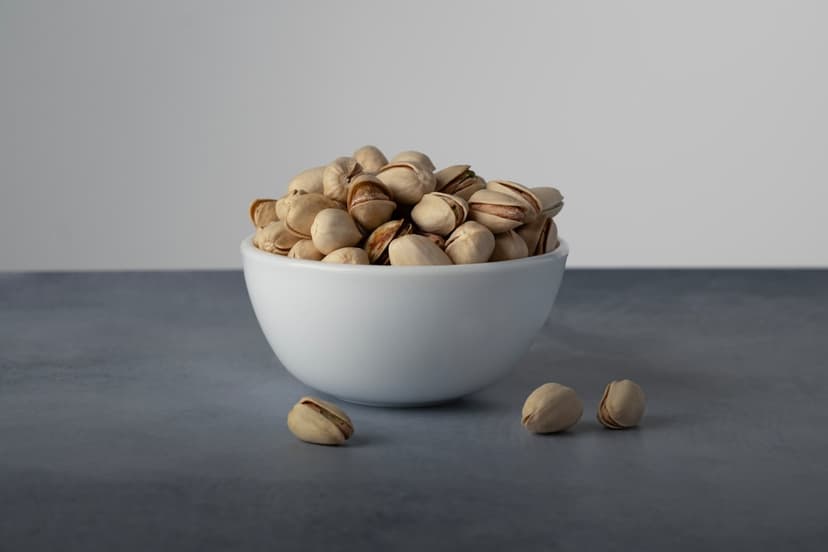
- A small handful of pistachios or walnuts
- Greek yogurt
- String cheese plus a few berries
4) Add post-meal movement (the most underrated tool)
Muscle contraction moves glucose into muscle with less reliance on insulin.Practical options:
- 10 to 20 minute walk after meals
- Light cycling
- A short bodyweight circuit (if appropriate)
5) Choose carbs that digest slower
When you want carbs, pick forms that are less processed and more intact:- Whole fruit instead of juice
- Potatoes cooled and reheated (more resistant starch for some people)
- Beans and lentils (fiber plus protein)
- Less refined grains (when tolerated)
6) Be skeptical of “healthy” packaging
Many products marketed as healthy are still refined-carb heavy.A practical label method:
- If sugar (or syrup, juice concentrate) is in the first five ingredients, treat it like dessert.
- Use a simple carb-to-fiber check: aim for roughly at least 1 gram fiber per 5 grams total carbs when choosing packaged foods.
7) Strategic vinegar (optional, not for everyone)
Vinegar before a meal may modestly reduce post-meal glucose in some people, likely via delayed gastric emptying and improved insulin sensitivity.How to use it more safely:
- Dilute: 1 to 2 teaspoons in a large glass of water
- Take with meals, not as a replacement for better food
- Avoid if you have significant reflux, esophageal irritation, or enamel issues unless you can mitigate those (dilution, straw, rinse)
8) Match carbohydrate intake to metabolic health and activity
If weight, triglycerides, or glucose markers are not improving despite “healthy eating,” a lower-carbohydrate food structure often helps many adults, especially those with insulin resistance.A practical framework:
- Prioritize protein and minimally processed foods
- Use carbs as a lever, increasing them with higher activity and decreasing them when sedentary
What the Research Says
The evidence base around glucose spikes spans physiology, diabetes research, cardiovascular risk, and nutrition trials. A few themes are consistently supported.Postprandial glucose matters, not just fasting glucose
Large studies and clinical guidelines increasingly recognize that post-meal glucose contributes to overall glycemic exposure (often reflected in HbA1c) and is linked with vascular risk, especially in people with impaired glucose tolerance or diabetes.Food form and processing strongly influence glucose response
Research comparing whole grains versus flours, whole fruit versus juice, and minimally processed foods versus ultra-processed foods consistently shows that processing increases the speed and height of glucose excursions.Mixed meals reduce spikes compared with carbs alone
Trials examining meal composition show that adding protein, fat, fiber, and acidity generally reduces post-meal peaks. The magnitude varies widely by individual and food type.Exercise is a high-confidence intervention
Evidence is strong that post-meal activity improves glucose disposal. Studies on “exercise snacks” (short bouts of movement) show meaningful reductions in postprandial glucose, particularly in insulin-resistant populations.Continuous glucose monitors (CGMs): useful, but interpretation is still evolving
CGMs have expanded beyond diabetes care. Research supports their ability to reveal inter-individual variability and to guide behavior change in some people. However:- There is no universal agreement on “optimal” spike thresholds for healthy people.
- Over-focusing on small fluctuations can reduce diet quality or increase anxiety.
What we know less about
- Long-term outcomes of CGM use in non-diabetic populations
- The best standardized definition of a “harmful spike” across ages and metabolic states
- How to personalize carbohydrate targets without unnecessary restriction
Who Should Consider Managing Glucose Spikes?
Most people benefit from reducing extreme spikes, but certain groups tend to benefit more and faster.People likely to benefit the most
- Prediabetes or a family history of type 2 diabetes
- Type 2 diabetes (in coordination with medication management)
- Central weight gain or difficulty losing weight despite “healthy eating”
- High triglycerides, low HDL, or suspected fatty liver
- PCOS or other insulin-resistance related conditions
- Energy crashes and strong cravings after carb-heavy meals
- Sedentary or shift-work lifestyles (higher circadian disruption)
Athletes and highly active people
Active individuals can still get spikes, but they often clear glucose rapidly due to higher muscle insulin sensitivity and glycogen demand. For them, the goal is usually:- Preventing crashes
- Supporting performance
- Using carbs strategically around training
People who should be cautious with aggressive spike control
- Those with a history of eating disorders or severe food anxiety
- People with frequent hypoglycemia symptoms
- People on insulin or insulin secretagogues without clinical guidance
- Those who are underweight or frail, where calorie restriction can be harmful
Common Mistakes, Related Markers, and Better Alternatives
Managing glucose spikes works best when you track the right signals and avoid common traps.Common mistakes
Mistake 1: Only chasing a flat glucose line A flatter curve does not automatically mean healthier metabolism. For example, replacing glucose-raising sugar with high-fructose sweeteners can reduce the visible spike while still increasing liver fat risk in susceptible individuals.Mistake 2: Removing carbs but keeping ultra-processed foods A low-carb diet built on refined oils, processed meats, and low-fiber products can still impair metabolic health. Quality matters.
Mistake 3: Ignoring sleep and stress Short sleep and chronic stress increase insulin resistance and can raise morning glucose. If you wake with higher glucose, the solution may include sleep quality, sleep apnea evaluation, and evening habits, not just food.
Mistake 4: Over-relying on “keto” snacks and sweeteners Many products labeled low carb are still hyper-palatable and easy to overeat. If hunger stays high, focus on protein, whole foods, and meal structure.
Bloodwork and metrics that often travel with glucose spikes
If you want a broader picture, clinicians often look at:- HbA1c (average glucose exposure)
- Fasting insulin and insulin resistance scores (where available)
- Triglycerides and HDL (metabolic risk pattern)
- ALT/AST (possible fatty liver signals)
- ApoB and other lipid risk markers
Alternatives to consider if your main goal is appetite control
If your primary struggle is hunger and cravings, glucose smoothing is helpful, but so is improving satiety signaling:- Consistent meal timing (reduces ghrelin-driven “hunger on a schedule”)
- Higher protein breakfasts for some people
- More minimally processed foods (less reward-driven overeating)
Frequently Asked Questions
1) What counts as a “normal” glucose spike?
There is no single universal cutoff for everyone. In general, metabolically healthy people tend to return toward baseline within a couple of hours after eating. Spikes that are very high, frequent, or slow to come down are more concerning, especially with symptoms or abnormal labs.2) Are glucose spikes worse in the morning?
Often yes. Many people have lower glucose tolerance in the morning due to circadian biology, stress hormones, and the dawn phenomenon. Poor sleep can amplify this.3) Does fruit cause harmful spikes?
Whole fruit usually produces a smaller spike than juice because fiber and structure slow absorption. Portion matters, and very ripe fruit or large servings can spike some individuals. For most people, whole fruit in the context of a balanced meal is compatible with good metabolic health.4) Is it better to cut carbs or just “pair” them with protein and fat?
It depends on your insulin sensitivity, goals, and activity. Pairing carbs with protein, fiber, and fat helps many people. Those with significant insulin resistance often do best with both: better pairing plus lower total refined carbs, at least for a period.5) Do vinegar or cinnamon reliably lower spikes?
Vinegar has moderate evidence for modest reductions in post-meal glucose for some people, but it is not a substitute for diet quality and movement. Cinnamon shows mixed results depending on type, dose, and study design. Treat supplements as optional, not foundational.6) Should I use a continuous glucose monitor (CGM) to manage spikes?
A CGM can be useful if it helps you learn which meals and habits work for your body. It is most valuable when paired with clear goals (energy, cravings, HbA1c improvement) and a plan to avoid obsessive micromanagement.
Key Takeaways
- A glucose spike is a rapid rise in blood sugar after eating carbs. Some rise is normal.
- What matters most is how high, how often, and how quickly you recover, plus how you feel.
- Large, frequent spikes are more common with refined carbs, poor sleep, stress, and low activity, and are more concerning with insulin resistance.
- High-impact ways to reduce spikes include protein and fiber-forward meals, food order (veg then protein then starch), a nut preload, and a 10 to 20 minute post-meal walk.
- Do not be misled by foods that “look good on a glucose meter” but may worsen liver fat or triglycerides when eaten in excess.
- The most durable improvements come from whole-food diet quality, movement, sleep, and appropriate carbohydrate intake for your activity and metabolic health.
Glossary Definition
A rapid increase in blood sugar levels after eating carbohydrates.
View full glossary entryHave questions about Glucose Spike: Complete Guide?
Ask Clara, our AI health assistant, for personalized answers based on evidence-based research.