Pistachio Preload: A Snack to Soften Sugar Spikes
Summary
If you are going to eat a carb-heavy meal, this video’s key idea is surprisingly simple: have a small handful of pistachios (or walnuts) first. This “preload” uses the fat and fiber in nuts to slow how quickly food leaves your stomach, which can slow glucose absorption and may flatten the post-meal spike by about 20 to 40%. The result, in this framing, is fewer energy crashes, less rebound hunger, and steadier energy even when the meal includes pasta or other refined carbs. It is not a free pass for unlimited carbs, but it can be a practical cushion.

The big takeaway: preload your carbs with nuts
Eat the snack that lowers sugar instead of spiking it, at least in this video’s framing.
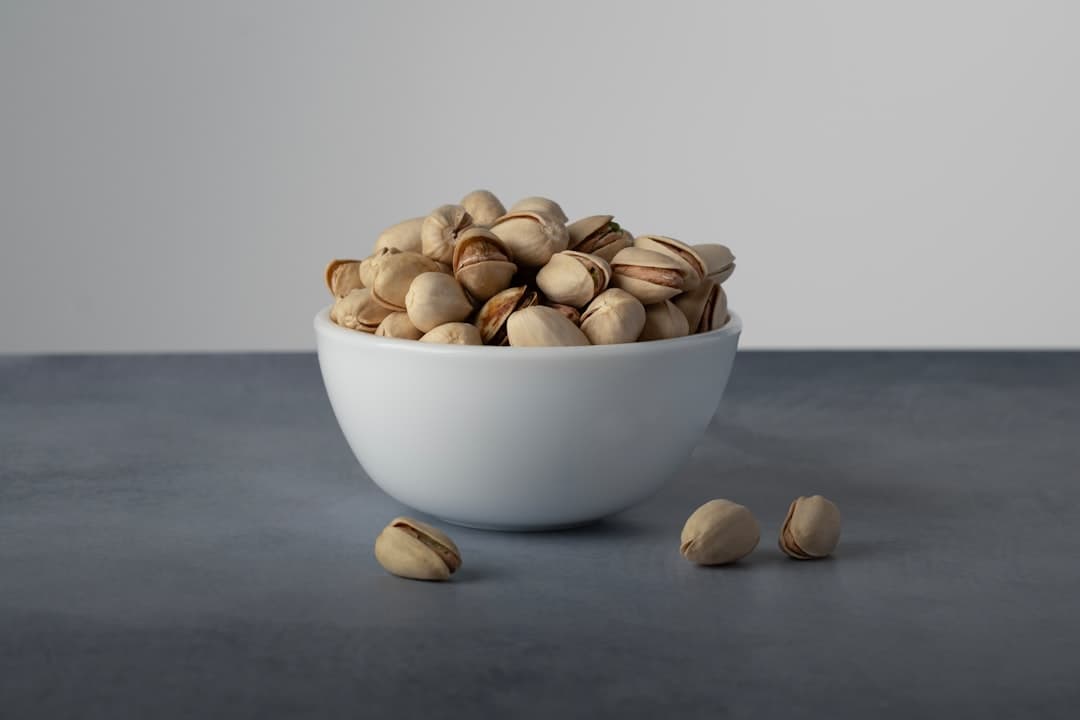
The journey here starts with a simple swap: instead of reaching for a typical “snack” before a meal, try a handful of pistachios (or walnuts) before a carb-heavy plate like pasta. The core claim is that this small move can flatten the glucose spike by about 20 to 40%.
That number is attention-grabbing, but the more useful part is the logic behind it: you are giving your carbs a cushion.
Pro Tip: If you know dinner is going to be pasta, rice, or bread, try the nut preload first, then eat the meal at a normal pace. Rushing the carbs can still overwhelm your “cushion.”
Why common snacks spike glucose, and why nuts differ
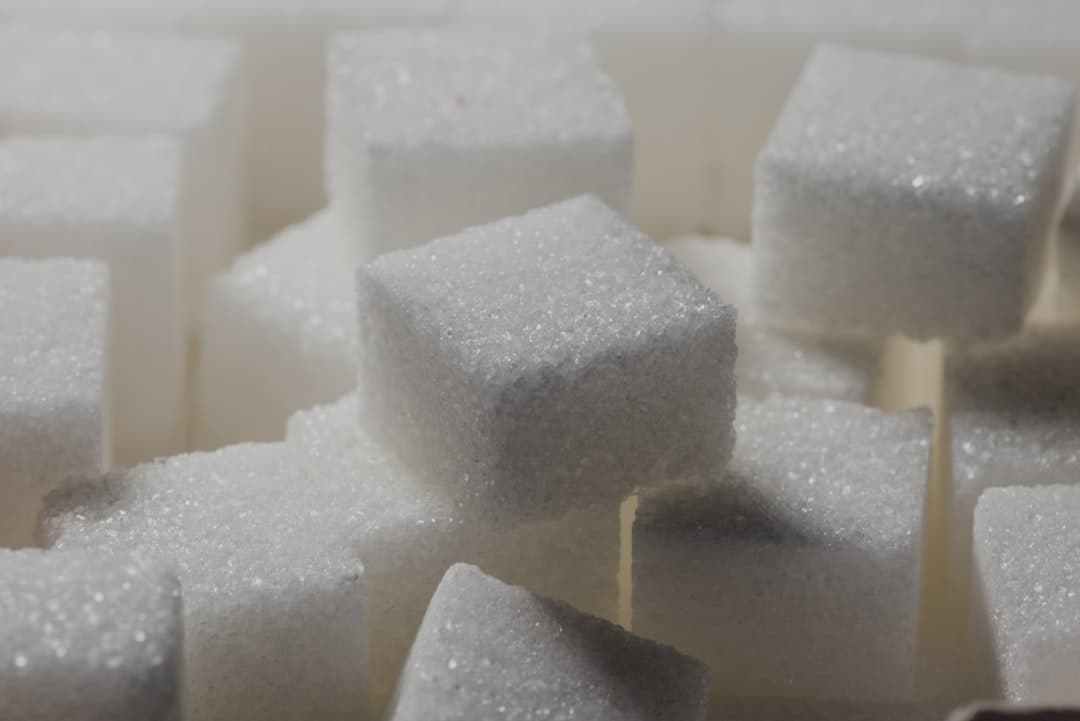
Most grab-and-go snacks are built around refined starches and added sugars. That combination tends to digest quickly, which can push glucose up fast, and then leave you hungry again.
This perspective highlights a different lever: fat and fiber. Pistachios and walnuts bring both, and that mix can slow digestion and reduce how quickly glucose shows up in the bloodstream. The speaker points specifically to slower gastric emptying (how fast food moves from the stomach into the small intestine), which is where a lot of carbohydrate absorption kicks in.
What the research shows: Eating nuts is associated with better cardiometabolic markers in many populations, and nuts are often recommended as a nutrient-dense snack pattern. For background on nuts, fiber, and cardiometabolic health, see guidance and summaries from the American Heart AssociationTrusted Source.
The “natural GLP-1” idea, translated
The video compares this preload effect to a “natural GLP-1.”
GLP-1 is a gut hormone involved in appetite and post-meal blood sugar regulation. One of its roles is slowing gastric emptying, which can soften the rise in glucose after eating. This is also part of why GLP-1 based medications are used in diabetes care, under clinician supervision. For a plain-language overview of GLP-1 biology and effects, see the National Institute of Diabetes and Digestive and Kidney Diseases (NIDDK)Trusted Source and related educational materials.
What’s interesting about this approach is that it does not claim nuts “cancel” carbs. It is more like changing the speed of the meal’s glucose impact, which can mean fewer crashes and less rebound hunger afterward.
Important: If you use insulin or medications that can cause low blood sugar, changing meal timing and composition can change your glucose patterns. Consider checking with your clinician or diabetes educator before making this a routine.
How to try a pistachio or walnut preload (step-by-step)
This works best when you use it strategically, not randomly.
Pick the moment: before the carb-heavy meal. Have the pistachios or walnuts shortly before you start eating the higher-carb food. The goal is to get fat and fiber “on board” first so digestion slows earlier.
Keep the portion realistic. The video’s language is “a handful,” which is intentionally small. Nuts are nutrient-dense, but they are also calorie-dense, so more is not always better.
Watch what changes, especially crashes and hunger. The claimed benefits are fewer post-meal crashes, less hunger, and better energy. If you track glucose, look for a lower peak and a gentler curve after meals.
Q: Do I have to choose pistachios, or will any nut work?
A: The video spotlights pistachios and walnuts, likely because they are easy to portion and include fiber and unsaturated fats. Other nuts may have similar effects, but individual responses vary, and added sugar coatings can change the outcome.
Health educator perspective (general)
Did you know? Replacing refined snacks with nuts can also improve overall diet quality because nuts provide unsaturated fats, fiber, and minerals. Dietary patterns that emphasize these nutrients are commonly supported in heart-health guidance, such as the American Heart Association nutrition recommendationsTrusted Source.
Key Takeaways
Frequently Asked Questions
- How many pistachios should I eat before a carb-heavy meal?
- The video describes “a handful,” which usually means a small portion rather than a large bowl. A practical approach is to start modestly and observe how your hunger and post-meal energy respond.
- Is this the same as taking a GLP-1 medication?
- No. The video uses “natural GLP-1” as a comparison to the digestion-slowing effect, not as an equivalent treatment. Medications have stronger, clinically managed effects and should only be used under medical care.
- Can I do this if I have diabetes?
- Many people with diabetes use meal composition strategies, but individual needs vary. If you use insulin or medications that can cause low blood sugar, it is wise to discuss changes like preloading with your clinician or diabetes educator.
Get Evidence-Based Health Tips
Join readers getting weekly insights on health, nutrition, and wellness. No spam, ever.
No spam. Unsubscribe anytime.