Joints: Complete Guide
Joints are where bones meet, and they are central to movement, strength, and everyday comfort. This guide explains how joints work, what keeps them healthy, why they hurt, and what practical steps and evidence-based options can protect mobility for the long run.
What is Joints?
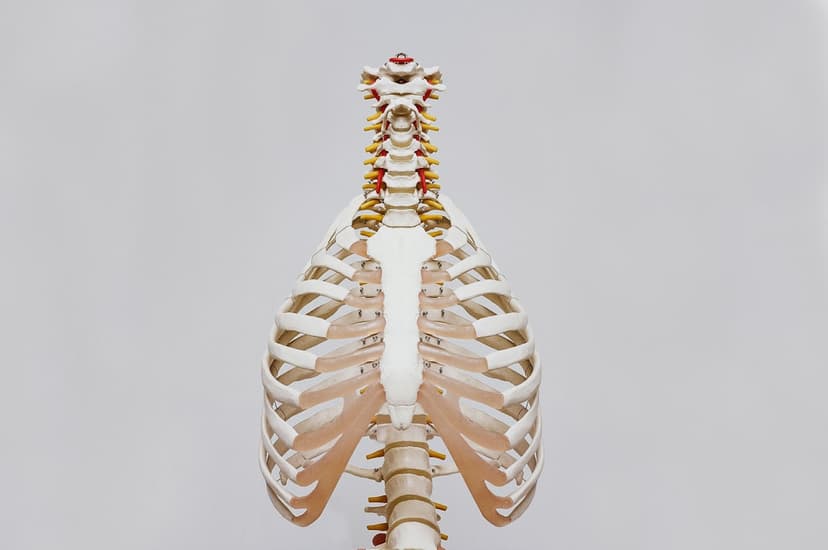
Joints are the areas where two or more bones meet in the body. They are not just “hinges” between bones. A joint is a living system made of bone ends, cartilage, connective tissue, fluid, and often specialized structures like menisci or labrum that distribute load and improve stability.Joints exist to do two jobs that constantly compete with each other: provide mobility (so you can move) and provide stability (so you can bear weight and transmit force). Different joints solve that tradeoff differently. For example, the hip prioritizes stability with a deep socket, while the shoulder prioritizes mobility with a shallow socket.
Clinically, people often use “joints” to mean joint pain or arthritis, but joint health is broader. It includes cartilage integrity, tendon and ligament resilience, muscle strength, neuromuscular control, inflammation status, and even metabolic health. When any of these inputs shift, joints can become painful, stiff, swollen, unstable, or prone to injury.
> Key idea: Joint health is rarely only about the joint. It is about the joint plus the muscles, tendons, nerves, and systemic factors that control how load is handled.
How Does Joints Work?
The main joint types
Joints are commonly grouped by structure and by how much motion they allow.Structural categories
- Fibrous joints: little to no movement (for example, skull sutures).
- Cartilaginous joints: limited movement with cartilage connection (for example, between vertebrae).
- Synovial joints: most movable joints (knee, hip, shoulder, fingers). These are the joints most associated with sports injuries and arthritis.
- Hinge: knee, elbow (flexion and extension).
- Ball-and-socket: hip, shoulder (multi-directional).
- Pivot: neck (rotation).
- Saddle/condyloid/gliding: wrist, thumb, small joints of hands and feet.
Core components of a synovial joint
Articular cartilage Articular cartilage covers the ends of bones. It is smooth, low-friction, and designed to handle compressive loads. Cartilage has limited blood supply, so it depends on joint movement and fluid exchange for nutrient delivery.Synovial membrane and synovial fluid The synovial membrane lines the joint capsule and produces synovial fluid. This fluid lubricates the joint and helps nourish cartilage. The composition of synovial fluid changes with inflammation, injury, and systemic disease.
Joint capsule, ligaments, and tendons The capsule encloses the joint. Ligaments connect bone to bone and guide motion. Tendons connect muscle to bone and transmit force to move the joint. Many “joint problems” are actually tendon or ligament problems (tendinopathy, sprains) rather than cartilage issues.
Menisci and labrum (where present)
- Menisci (knee) distribute load, improve shock absorption, and enhance stability.
- Labrum (hip and shoulder) deepens the socket, improving stability and load distribution.
How joints stay healthy: load, recovery, and control
Joint tissues adapt to the loads you place on them. The body responds best to progressive, tolerable loading with adequate recovery.- Cartilage responds to cyclical compression and decompression. Too little movement can reduce nutrient exchange; too much load too soon can irritate the joint.
- Tendons and ligaments respond to consistent loading by improving stiffness and capacity, but they adapt more slowly than muscles.
- Muscles act as shock absorbers and alignment controllers. Weakness, fatigue, or poor coordination can shift stress onto cartilage and passive structures.
Inflammation and joint symptoms
Inflammation is not always “bad.” It is part of healing. Problems arise when inflammation is excessive, persistent, or misdirected (autoimmune disease).- Acute inflammation: after injury, a short-term response that supports repair.
- Chronic low-grade inflammation: often linked with excess body fat, poor sleep, sedentary behavior, and metabolic dysfunction.
- Autoimmune inflammation: immune system targets joint tissues (for example, rheumatoid arthritis).
Benefits of Joints
This section focuses on the benefits of healthy, well-functioning joints, and the benefits of behaviors that protect joint function.1) Pain-free movement and independence
Healthy joints allow you to walk, climb stairs, lift, carry, and perform daily tasks without compensations. Maintaining joint function is one of the strongest predictors of independence as you age.2) Better strength and performance
Joints are force transmitters. Strong muscles are useful only if joints can tolerate the loads and move through useful ranges. When joints are stable and well-controlled, you can:- Train more consistently
- Use better technique
- Progress load safely
- Build muscle with less wear-and-tear
3) Lower injury risk through improved stability and proprioception
Joints contain mechanoreceptors that help your nervous system sense position and movement. Good proprioception and neuromuscular control reduce the risk of ankle sprains, knee injuries, and falls.4) Long-term mobility and fall prevention
Lower-body joint health is tightly tied to fall risk. Strong legs, adequate ankle mobility, and stable hips and knees support balance and reaction time.Daily walking and simple strength progressions are consistently associated with better mobility outcomes. Increasing step count is a practical lever that supports circulation, tissue nutrition, and body composition, all of which indirectly support joints.
5) Systemic health spillover
Joint-friendly habits often improve broader health markers:- Regular walking and resistance training can improve triglycerides and glucose control.
- Better metabolic health may reduce systemic inflammation that can amplify pain sensitivity.
Potential Risks and Side Effects
Joint care is generally safe, but common strategies can backfire if applied at the wrong time or intensity.Overloading and “too much too soon”
The most common cause of training-related joint flare-ups is rapid load or volume increases. Muscles adapt quickly; tendons, cartilage, and joint capsules adapt more slowly.High-risk patterns
- Doubling weekly running mileage
- Adding heavy squats plus high-impact plyometrics in the same phase
- Returning to sport after time off without a progressive ramp
Pushing through sharp pain
Discomfort with training can be normal, but sharp pain, catching, locking, giving way, or swelling that persists suggests you should modify and assess. Pain that worsens after activity and does not settle within 24 to 48 hours often indicates the dose was too high.Over-reliance on passive supports
Braces, sleeves, orthotics, and taping can be helpful short-term, but they can also become a crutch if they replace strength, mobility, and movement retraining.Medication and injection considerations
Many people use medications for joint pain. Benefits and risks depend on the option.- NSAIDs (ibuprofen, naproxen): effective for pain and inflammation, but can raise risk of GI bleeding, kidney issues, and cardiovascular events in susceptible people, especially with long-term use.
- Acetaminophen: can help pain but does not address inflammation; liver toxicity risk at high doses or with alcohol.
- Corticosteroid injections: can reduce pain short-term for some conditions, but repeated injections may negatively affect cartilage or tendon quality in certain contexts.
- Hyaluronic acid injections: mixed evidence; may help some knee osteoarthritis patients.
Supplement risks and interactions
Common joint supplements include glucosamine, chondroitin, collagen peptides, turmeric/curcumin, omega-3s, and boswellia.Potential issues:
- Variable quality and dosing between brands
- GI upset (common with many supplements)
- Drug interactions (for example, curcumin and omega-3s may increase bleeding risk when combined with anticoagulants in some cases)
Red flags that warrant prompt evaluation
Seek timely medical evaluation if you have:- A hot, red, very swollen joint with fever (possible infection)
- Sudden inability to bear weight after trauma
- True locking (cannot fully extend or flex) or recurrent giving way
- Numbness, weakness, or loss of bowel or bladder control with back pain
Practical: How to Support Joint Health (Best Practices)
1) Build a “joint capacity” plan: mobility, strength, and tolerance
Think in three layers.Layer A: Range of motion you can control
- Use gentle mobility work daily for stiff areas (ankles, hips, thoracic spine).
- Prioritize control at end ranges, not just stretching.
- Squat pattern (sit-to-stand, goblet squat)
- Hinge pattern (hip hinge, Romanian deadlift)
- Step and lunge patterns (step-ups, split squats)
- Push and pull (push-ups, rows)
- Carries (farmer carries for grip, trunk, shoulder stability)
Layer C: Tissue tolerance through progressive exposure If you want to run, jump, or play sport, gradually expose tissues to those impacts.
- Start with walking volume
- Add short jog intervals
- Add hills or speed later
2) Walk more, consistently
Walking is one of the most joint-friendly ways to increase circulation, maintain cartilage nutrition through cyclical loading, and manage body fat.Practical targets:
- If you average ~5,000 steps/day, aim for 6,000 to 7,000 first.
- Build toward 8,000 to 10,000 if tolerated.
- Add 1,000 steps/day increments every 1 to 2 weeks.
3) Use pain as a dosing guide (not a stop sign)
For many non-urgent joint conditions, a graded approach works well:- Pain during activity: keep it mild to moderate and not sharp.
- Pain after activity: should settle within 24 to 48 hours.
- Function: should improve week to week.
4) Reduce “hidden” joint stress: technique, footwear, and recovery
Technique- Keep knees tracking in line with toes during squats and step-ups.
- Avoid collapsing arches if it causes knee pain.
- Control eccentrics (lowering phase) to reduce tendon irritation.
Recovery
- Sleep: poor sleep increases pain sensitivity.
- Deloads: plan lighter weeks every 4 to 8 weeks if training hard.
- Variety: rotate exercises to avoid repeating the exact same stress angle.
5) Nutrition strategies for joint comfort
There is no universal “arthritis diet,” but patterns matter.Anti-inflammatory basics that help many people
- Adequate protein to maintain muscle (a key joint protector)
- Fiber-rich foods (vegetables, legumes, berries) for gut and immune signaling
- Omega-3 rich foods (fatty fish) for inflammation modulation
- Minimizing ultra-processed foods, especially late at night, which can worsen metabolic markers in some people
Some clinicians highlight categories that can raise inflammatory markers (including CRP) in susceptible individuals. The key is experimentation and personalization, not perfection.
6) Weight management without extreme restriction
Excess body weight increases joint load, especially at knees and hips. Modest fat loss can reduce pain and improve function in many people.A practical metabolic lens: improving fasting triglycerides and glucose often correlates with better inflammation control. Simple levers include walking, resistance training, and reducing late-night ultra-processed food.
7) Supplements: what’s reasonable to try
Evidence varies by condition and person. If you want a conservative, commonly used approach:- Omega-3s: often helpful for inflammatory conditions; also obtainable via fatty fish.
- Curcumin: may help pain for some; choose standardized products and consider interactions.
- Collagen peptides or gelatin: may support connective tissue when paired with training, though effects are modest.
Internal links to related reading
If you are building a joint-friendly lifestyle, these related topics connect directly:- Understanding Diet's Role in Chronic Inflammation (food triggers and CRP)
- Why 10,000 Daily Steps May Matter More Than Lifting (steps as a longevity and mobility lever)
- Cheat Reps vs Strict Form: What Builds Muscle Safely? (hypertrophy with less joint stress)
- Leg Strength First: 10 Moves to Stay Steady With Age (fall prevention through lower-body training)
- Forget LDL: Try the Triglyceride Glucose Index (metabolic risk and inflammation context)
What the Research Says
Research on joints spans biomechanics, rehabilitation science, nutrition, and pharmacology. Evidence quality differs depending on the question.Osteoarthritis: the strongest body of evidence
For knee and hip osteoarthritis, the most consistently supported interventions include:- Exercise therapy (strength and aerobic) to reduce pain and improve function
- Weight loss when overweight to reduce joint load
- Education and self-management to improve adherence and reduce fear-avoidance
Tendinopathy: load management and progressive strengthening
For common tendinopathies (Achilles, patellar, rotator cuff-related pain, lateral elbow), evidence supports:- Progressive loading programs (often emphasizing slow resistance or eccentric-biased work)
- Adequate recovery and gradual return to sport
Inflammation, diet, and metabolic health
Nutrition research suggests that:- Dietary patterns rich in minimally processed foods, fiber, and omega-3s are associated with lower inflammatory markers.
- Ultra-processed foods and excess refined carbohydrates can worsen metabolic markers in some individuals, potentially amplifying inflammatory signaling.
Injections and procedures: mixed, condition-specific evidence
- Corticosteroid injections often show short-term pain relief for certain conditions, with diminishing benefit over time and potential tissue risks with repeated use.
- Hyaluronic acid for knee osteoarthritis shows mixed results, with some subgroups reporting benefit.
- Platelet-rich plasma (PRP) has growing research but variable protocols and mixed outcomes depending on tendon versus joint indication.
Imaging findings vs symptoms
A major modern insight is that imaging changes (degeneration, disc bulges, cartilage wear) do not perfectly predict pain. Many people have “abnormal” MRI findings without symptoms. Research increasingly emphasizes function, load tolerance, and symptom behavior over imaging alone.Who Should Consider Joints?
This guide applies to everyone, but some groups benefit most from proactive joint strategies.People with recurring pain or stiffness
If your knees, hips, shoulders, hands, or back frequently ache, structured strength, walking, and trigger identification can reduce flare frequency and improve confidence with movement.Adults who are becoming less active
Sedentary phases accelerate muscle loss and reduce tendon capacity. Rebuilding with 2 to 3 strength sessions weekly plus more steps is a strong baseline. The goal is not bodybuilding. It is preserving the “shock absorbers” around joints.Athletes and active people
If you train hard, joint protection is mainly about programming:- Progress volume gradually
- Rotate stress angles
- Use strict technique when loads are high
- Respect recovery
People with metabolic risk factors
Higher waist circumference, elevated triglycerides, and impaired glucose control often correlate with more systemic inflammation and higher pain sensitivity. Improving these markers through walking, resistance training, and diet quality can indirectly help joint comfort.Older adults focused on mobility
Prioritize legs, balance, and reaction time. Simple progressions like chair squats, step-ups, calf raises, and carries can meaningfully reduce fall risk and maintain independence.Common Joint Problems, Mistakes, and Smart Alternatives
Common joint-related conditions
Osteoarthritis (OA) Degenerative changes with pain and stiffness, often in knees, hips, hands. Best supported: exercise, weight management, education.Inflammatory arthritis Includes rheumatoid arthritis and related autoimmune conditions. Requires medical management; exercise and diet can complement but not replace disease control.
Bursitis Inflamed bursa often due to repetitive friction or overload. Load modification and addressing mechanics typically help.
Tendinopathy Often misnamed “tendonitis.” Usually not classic inflammation. Responds to progressive loading and time.
Sprains, strains, and cartilage injuries Acute injuries vary widely. Early protection plus guided rehab is often better than prolonged immobilization.
Common mistakes that keep joints irritated
1) Only resting and stretching without rebuilding strength 2) Chasing perfect posture instead of improving capacity and tolerance 3) Random workouts with no progression strategy 4) All-or-nothing dieting that reduces protein and worsens muscle loss 5) Ignoring sleep and stress, which can amplify pain sensitivitySmart alternatives
- Replace high-impact cardio temporarily with cycling, incline walking, rowing, or pool work while rebuilding tolerance.
- Use partial ranges to train pain-free, then gradually increase range.
- Swap provocative exercises for close cousins (for example, split squats instead of deep back squats; neutral-grip pressing instead of wide grip).
Frequently Asked Questions
Are joints supposed to crack or pop?
Often, yes. Popping can come from gas bubbles in synovial fluid or tendons moving over structures. If popping is painless and not associated with swelling or instability, it is usually not concerning.Is joint pain always arthritis?
No. Joint-area pain can come from tendons, ligaments, bursae, referred pain from the spine, or muscle trigger points. The pattern, triggers, swelling, and response to loading help differentiate causes.Should I avoid lifting weights if I have knee or shoulder pain?
Not automatically. Many joint issues improve with modified strength training that respects pain thresholds and progresses gradually. The key is choosing tolerable ranges, appropriate loads, and good control.Do supplements like glucosamine, collagen, or turmeric work?
Some people report benefit, but average effects are modest and condition-specific. If you try supplements, use reputable brands, give them a defined trial period (for example 8 to 12 weeks), and track function and pain, not just hope.Can walking make arthritis worse?
For most people, appropriately dosed walking helps. Flare-ups usually mean the dose increased too fast or the joint needs strength support. Reduce volume temporarily, add strength work, and ramp back up.When should I get imaging like an MRI?
Imaging is most useful when results would change management (suspected fracture, major ligament rupture, infection, cancer red flags, or persistent symptoms despite appropriate rehab). Many degenerative findings do not correlate well with pain.Key Takeaways
- Joints are living systems where bones meet, designed to balance mobility and stability.
- Joint health depends heavily on muscle strength, tendon capacity, neuromuscular control, and systemic factors like sleep, inflammation, and metabolic health.
- The most reliable joint-protection tools are progressive strength training, regular walking, gradual load increases, and good recovery.
- Diet quality and metabolic markers can influence inflammation and pain sensitivity; personal trigger testing can be useful during flares.
- Medications and injections can help in specific cases but carry tradeoffs, especially with repeated or long-term use.
- Red flags include hot swollen joints with fever, inability to bear weight after trauma, true locking, or major neurologic symptoms.
Glossary Definition
Joints are the areas where two or more bones meet in the body.
View full glossary entryHave questions about Joints: Complete Guide?
Ask Clara, our AI health assistant, for personalized answers based on evidence-based research.