Organic: Complete Guide
Organic produce is grown without synthetic pesticides and fertilizers, using farming practices designed to protect soil and ecosystems. This guide explains how organic works, what benefits are well-supported, where the evidence is mixed, and how to shop organic strategically for health, budget, and sustainability.
What is Organic?
“Organic” (in the food and agriculture sense) refers to produce grown without synthetic pesticides and synthetic fertilizers. Instead, organic farming relies on a set of practices that emphasize soil health, crop diversity, biological pest control, and approved non-synthetic inputs.
In most countries, “organic” is also a regulated label, not just a marketing term. That matters because it means there are standards for what farmers can and cannot use, plus documentation and audits. While rules vary by region, the core idea is consistent: organic agriculture aims to grow food by working with ecological systems rather than using synthetic chemical inputs as the default.
It is important to separate two concepts that often get blended:
- Organic as a production standard: how the crop is grown and handled.
- Organic as a health claim: whether it is “more nutritious” or “safer” in a meaningful way.
> Key point: Organic means “grown without synthetic pesticides and fertilizers,” not “pesticide-free.” Organic farms can use approved pesticides, typically derived from natural sources, and they can still have trace residues due to drift or environmental persistence.
How Does Organic Work?
Organic farming works through systems design. Instead of relying on synthetic fertilizers for fertility and broad-spectrum synthetic pesticides for pest control, organic farms build resilience using soil biology, crop planning, and targeted interventions.
Soil fertility: feeding the soil to feed the plant
Conventional agriculture often feeds plants directly through soluble synthetic fertilizers. Organic systems focus on feeding soil microbes and building soil structure, which then supports plant nutrition.Common organic fertility strategies include:
- Compost and manure (managed and regulated): Adds organic matter and nutrients while improving soil structure.
- Cover crops: Plants grown between cash crops to prevent erosion, add biomass, and sometimes fix nitrogen (for example, legumes).
- Crop rotation: Alternating crop families to reduce pest cycles and balance nutrient demands.
- Mineral amendments (approved forms): Some naturally occurring minerals can be used to correct deficiencies.
Pest and disease control: prevention first, targeted tools second
Organic pest management typically follows a hierarchy:1. Prevention: resistant varieties, crop rotation, habitat for beneficial insects, timing of planting and harvest. 2. Mechanical controls: row covers, traps, weeding, pruning. 3. Biological controls: beneficial insects, microbial antagonists. 4. Approved pesticides: used when necessary, often more targeted and sometimes requiring more frequent application.
Organic-approved pesticides may include substances such as horticultural oils, soaps, microbial sprays, and certain mineral-based products. “Natural” does not automatically mean “harmless,” so organic standards also regulate how and when these tools can be used.
Weed control: why organic can be more labor-intensive
Without synthetic herbicides, organic farms often rely on:- Mechanical cultivation
- Mulching
- Cover cropping
- Hand weeding
Post-harvest handling: integrity beyond the farm
Organic standards also address handling, storage, and processing. For produce, this can include restrictions on certain post-harvest treatments and requirements to prevent commingling with non-organic products.Benefits of Organic
The benefits of organic are best understood in three categories: pesticide exposure, environmental outcomes, and nutrition and food quality. The strength of evidence varies by category.
1) Lower exposure to certain pesticide residues
A consistent finding across monitoring programs and dietary intervention research is that organic diets tend to reduce exposure to synthetic pesticide residues, especially for foods that commonly carry residues.Why this matters:
- For most healthy adults, typical residue levels on conventional produce are generally within legal limits.
- However, reducing exposure may be meaningful for children, pregnancy, and people who want to minimize cumulative chemical exposure.
- Some pesticides have been linked in observational research to neurodevelopmental and endocrine outcomes, especially with higher exposures.
2) Potential environmental advantages
Organic systems often show benefits such as:- Improved soil organic matter and soil structure
- Reduced synthetic nitrogen runoff risk (though nutrient runoff can still occur if manure is mismanaged)
- Greater on-farm biodiversity (more insects, birds, soil organisms)
- Lower reliance on fossil-fuel intensive synthetic fertilizers
3) Nutrition: modest differences, not a guarantee
Nutrient comparisons between organic and conventional produce show mixed results. Some research suggests organic crops may have slightly higher levels of certain polyphenols and antioxidants under certain conditions, possibly because plants produce more protective compounds when not shielded by certain inputs.However:
- Differences are usually small and variable.
- Variety, ripeness, soil, season, and storage often matter more than organic vs conventional.
4) Encouraging more produce intake (an underrated benefit)
For some people, buying organic increases confidence and enjoyment, leading to more fruit and vegetable consumption overall. From a health perspective, eating more produce is often a bigger lever than choosing organic every time.> Bottom line: The most consistent human-health benefit is reduced exposure to certain synthetic pesticide residues. Nutrition differences can exist but are not guaranteed.
Potential Risks and Side Effects
Organic is generally safe, but “organic” is not synonymous with “risk-free.” The main cautions involve food safety, misconceptions about pesticides, and practical issues like cost.
Foodborne illness risk: not higher by default, but different vulnerabilities
Organic farming may use manure and compost as fertilizer. Properly treated compost and correct application timing reduce risk, and organic standards typically include rules for manure management.Still, food safety depends heavily on:
- Water quality
- Worker hygiene
- Harvest and packing sanitation
- Cold chain management
“Organic” pesticides still exist
Organic farms can use approved pesticides, and some can be irritating or toxic at certain doses. Consumers rarely encounter harmful levels from residues, but it is important to avoid the false belief that organic means “no pesticides were used.”Natural toxins and molds: unrelated to organic status
Some risks, such as mycotoxins in grains or natural plant toxins, are driven more by storage conditions and climate than by organic certification.Cost and access: the health equity issue
Organic produce often costs more. If the price premium reduces your overall produce intake, the net health effect can be negative.A smart approach is to prioritize organic purchases where they matter most and buy conventional elsewhere.
Allergies and sensitivities
Organic foods can still trigger allergies. Organic does not mean hypoallergenic.> Callout: If choosing organic makes you eat fewer fruits and vegetables due to cost or availability, consider a “hybrid” strategy: buy conventional produce you will actually eat, and focus organic on higher-residue items.
How to Implement Organic (Best Practices for Real Life)
This is where organic becomes practical. The goal is not perfection. It is to reduce unwanted exposures and support farming practices you value while staying within budget.
1) Prioritize organic where it has the biggest payoff
Organic tends to be most useful for produce that:- Is eaten with the skin
- Has a thin or porous skin
- Commonly shows higher residue levels in monitoring programs
Rather than memorizing lists, use a simple rule:
- If you eat the outside, consider organic first.
- If you peel it, organic is optional.
2) If you plan to eat the peel, organic matters more
Many beneficial compounds are concentrated in peels and outer leaves. If you blend or eat whole citrus, for example, the peel is where many bioflavonoids and aromatic compounds live.This aligns with our related content on whole lemon use: if you intend to consume citrus peel, choosing organic and unwaxed fruit and washing well is a sensible risk-reduction step.
3) Wash produce correctly (organic and conventional)
Washing reduces dirt, microbes, and some residues.Best practices:
- Rinse under running water and rub the surface.
- Use a clean brush for firm produce (for example, cucumbers, melons).
- For leafy greens, separate leaves and rinse thoroughly.
- Dry with a clean towel to remove additional surface contaminants.
4) Consider frozen organic for affordability
Frozen fruits and vegetables can be:- Cheaper per serving
- Available year-round
- Nutritionally competitive (often frozen soon after harvest)
5) For grains and oats: focus on processing and sourcing
For foods like oats, overall metabolic impact depends strongly on processing and meal context, not just whether the oats are organic.Practical strategy:
- Choose less processed forms (steel-cut, thick-rolled) more often.
- Pair oats with protein, fat, or fiber additions to blunt glucose spikes.
- If concerned about herbicide residues, consider organic oats, but avoid panic. The bigger win is choosing a form you tolerate well and can eat consistently.
6) Understand labels: “organic,” “made with organic,” and “natural”
Label terms vary by country, but in general:- “Organic” indicates the product meets a defined standard.
- “Made with organic ingredients” often means a percentage of ingredients are organic.
- “Natural” is typically not a strict farming standard.
7) Build an “organic within reason” shopping plan
A realistic plan might look like:- Buy organic: berries, leafy greens, apples, whole citrus if eating peel
- Buy conventional: bananas, avocados, onions, cabbage, frozen mixed vegetables when organic is too expensive
- Allocate budget: spend more on foods you eat daily
What the Research Says
Research on organic spans nutrition science, toxicology, environmental science, and economics. The most relevant findings for consumers fall into a few buckets.
Pesticide residue and exposure studies
Dietary intervention studies often show that switching from conventional to organic foods for even a short period can reduce biomarkers of exposure to certain synthetic pesticides.What is solid:
- Organic diets generally reduce exposure to some pesticide residues.
- Exactly how much this reduction changes long-term health outcomes for the average adult.
Nutrition comparisons
Meta-analyses comparing nutrient content often find:- Small differences in some antioxidants and polyphenols in certain crops
- Similar levels of many vitamins and minerals overall
Environmental and agricultural systems research
System-level studies frequently show organic practices can:- Improve soil organic matter
- Support biodiversity
- Reduce reliance on synthetic nitrogen fertilizers
Glyphosate and herbicide concerns: nuance matters
Public concern often centers on herbicides used in conventional systems. Residue monitoring generally finds levels within regulatory limits, but debates continue about chronic low-dose exposure, mixtures, and vulnerable populations.A practical, evidence-aligned stance:
- If you want to reduce exposure, choosing organic for certain grains and produce is reasonable.
- Do not let fear displace the bigger health fundamentals: overall diet quality, fiber intake, protein adequacy, and sleep.
Who Should Consider Organic?
Organic can be valuable for many people, but it is especially relevant for certain groups and goals.
People who are pregnant, trying to conceive, or feeding young children
Developing brains and endocrine systems can be more sensitive to chemical exposures. While typical residues are regulated, some families choose organic to reduce cumulative exposure during critical windows.People who eat a lot of produce, especially high-residue items
If berries, leafy greens, apples, and peppers are daily staples, organic choices may meaningfully reduce residue intake over time.People who eat peels, blend whole fruits, or juice frequently
Blending whole citrus or consuming peels increases contact with surface residues. Organic and good washing practices become more relevant.People with specific values: environmental impact and farming practices
If supporting soil health, biodiversity, and reduced synthetic inputs aligns with your values, organic is a direct way to vote with your grocery budget.People with chemical sensitivities or strong preference for fewer synthetic inputs
Even when health outcome data is not definitive, preference matters. The best diet is one you can sustain.Who may not need to prioritize organic
- People on a tight budget where organic reduces total produce intake
- People who mostly eat peeled fruits and cooked vegetables
- People whose main goal is blood sugar control or weight loss, where food type and processing often matter more than organic status
Common Mistakes, Interactions, and Smart Alternatives
Mistake 1: Treating “organic” as a nutrition shortcut
Organic cookies are still cookies. Organic sugar is still sugar. For metabolic health, processing level and overall dietary pattern dominate.If your goals include steadier blood sugar, pair carbohydrate foods with protein and fiber and favor minimally processed staples. This aligns with what we emphasize in our oats content: how a food is processed can matter as much as the food itself.
Mistake 2: Ignoring food handling because it is organic
Organic produce still needs washing and safe storage. “Organic” does not mean “clean enough to skip hygiene.”Mistake 3: Overspending on organic low-impact swaps
If buying organic bananas forces you to skip organic berries you eat daily, the swap is backwards. Spend where it changes exposure most or where it helps you eat more produce.Mistake 4: Confusing “local” with “organic” (and vice versa)
Local produce can be exceptionally fresh and nutrient-dense, but it is not automatically organic. Organic can be shipped long distances. Decide what matters more for you: production method, freshness, or supporting local farms.Smart alternatives if organic is not available
- Buy conventional and wash well
- Choose frozen (often cleaner and consistent)
- Prefer thick-skinned produce when residue concerns are high
- Consider CSA boxes or farmers markets and ask growers about their practices (some use organic methods but are not certified)
Interaction with supplements and “detox” trends
Organic food is sometimes marketed as part of detox plans. Your liver, kidneys, gut, and lymphatic system handle clearance and excretion, and lifestyle factors like hydration and movement matter.If you are experimenting with sauna or intense sweating protocols, remember that food quality is only one piece. Focus on hydration, electrolytes, and overall recovery rather than assuming organic food alone “detoxes” you.
Frequently Asked Questions
Is organic produce pesticide-free?
No. Organic farming can use approved pesticides, usually non-synthetic, and trace contamination can occur from drift. Organic generally reduces exposure to many synthetic pesticide residues, but it is not “zero pesticide.”Is organic food more nutritious?
Sometimes, but not reliably. Some studies show small increases in certain antioxidants or polyphenols in some organic crops, but many nutrients are similar. Variety, ripeness, and freshness often matter more.Should I buy organic meat and dairy too?
If your definition focus is produce, prioritize produce first. If expanding beyond produce, people often choose organic animal products to reduce exposure to certain inputs and for animal welfare preferences. Nutrition differences vary by product and farming system.If I can only afford a few organic items, what should I choose?
Choose foods you eat often and typically eat with the skin, such as berries and leafy greens. If you eat whole citrus peel or blend whole fruits, prioritize organic for those items too.Does washing remove pesticide residues?
Washing helps reduce dirt, microbes, and some residues, but it does not remove everything, especially residues that have penetrated the skin. Washing is still worthwhile for both organic and conventional produce.Is “regenerative” the same as organic?
No. Regenerative agriculture is a broader approach focused on soil health and ecosystem outcomes. Some regenerative farms are certified organic, some are not. They can overlap, but they are not identical labels.Key Takeaways
- Organic produce is grown without synthetic pesticides and fertilizers, using ecological farming practices and approved inputs.
- The most consistent consumer benefit is lower exposure to certain synthetic pesticide residues, especially for produce eaten with the skin.
- Nutrition differences are mixed and usually modest. Freshness, variety, and overall diet quality often matter more.
- Organic is not “pesticide-free,” and food safety practices still matter: wash produce and store it properly.
- Use a targeted shopping strategy: prioritize organic for high-residue, skin-eaten produce (berries, leafy greens, apples) and consider frozen organic for value.
- If organic costs reduce your overall produce intake, a hybrid approach is often the healthiest and most sustainable choice.
Related Articles
2 articles
6 Surprising Triggers That Can Make You Feel Hungrier
Feeling hungry all day is not always about needing more calories. This video frames constant hunger as a signal problem, where hormones like *ghrelin* and *leptin* and the brain’s reward system get pushed off rhythm. The six standout triggers discussed are refined carbs and sugar, artificial sweeteners, poor sleep and stress, visceral belly fat, irregular eating patterns, and poor digestion with age. The practical “reset” plan emphasizes front-loading protein, removing sweeteners for a week, eating on a consistent schedule (often in an 8-hour window), prioritizing deep sleep, supporting the gut, and covering hydration and minerals.
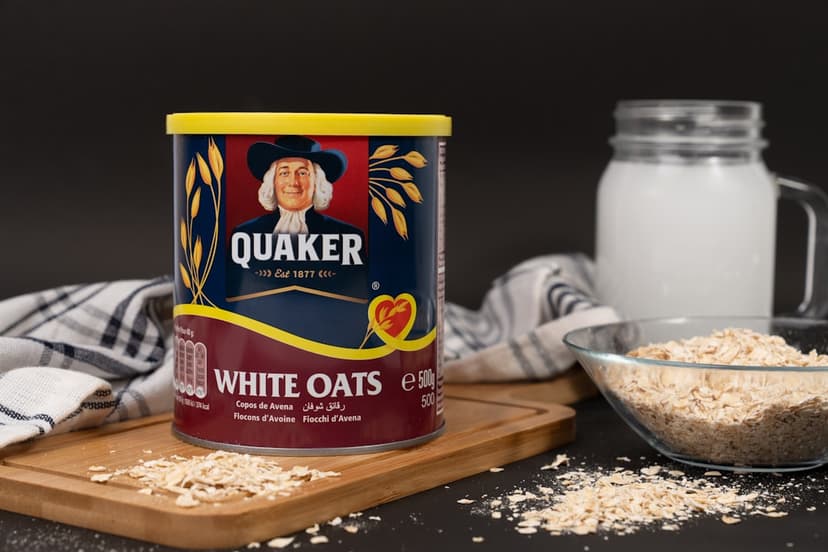
The Truth About Oats, Processing, Sugar Spikes
Most people argue about oats as if they are one single food, either “healthy” or “unhealthy.” The perspective in this episode is different: the health impact of oats depends heavily on processing and on what you eat them with. Using continuous glucose monitors, the host and Prof. Sarah Berry test finely ground instant oats versus less processed oats, and show how blood sugar responses can vary widely between people and meals. The discussion also explores why oats can still support heart health through beta glucan fiber, and how to think about glyphosate concerns without panic.
Glossary Definition
Produce grown without synthetic pesticides and fertilizers.
View full glossary entryHave questions about Organic: Complete Guide?
Ask Clara, our AI health assistant, for personalized answers based on evidence-based research.