Fall Asleep Faster: Heart 7 Acupressure Steps
Summary
You are in bed, but your mind is sprinting. This video’s core idea is surprisingly practical: use the Heart 7 (Shenmen) acupressure point on the wrist for 1 to 2 minutes per hand while breathing slowly, aiming to nudge your nervous system toward a calmer “rest and digest” state. The expert frames it as a way to quiet stress signals that can keep you alert at night. The video also layers in simple, sensory sleep cues, like lavender aroma, slower music, dimmer light, and a cooler bedroom, to support natural melatonin rhythms.
🎯 Key Takeaways
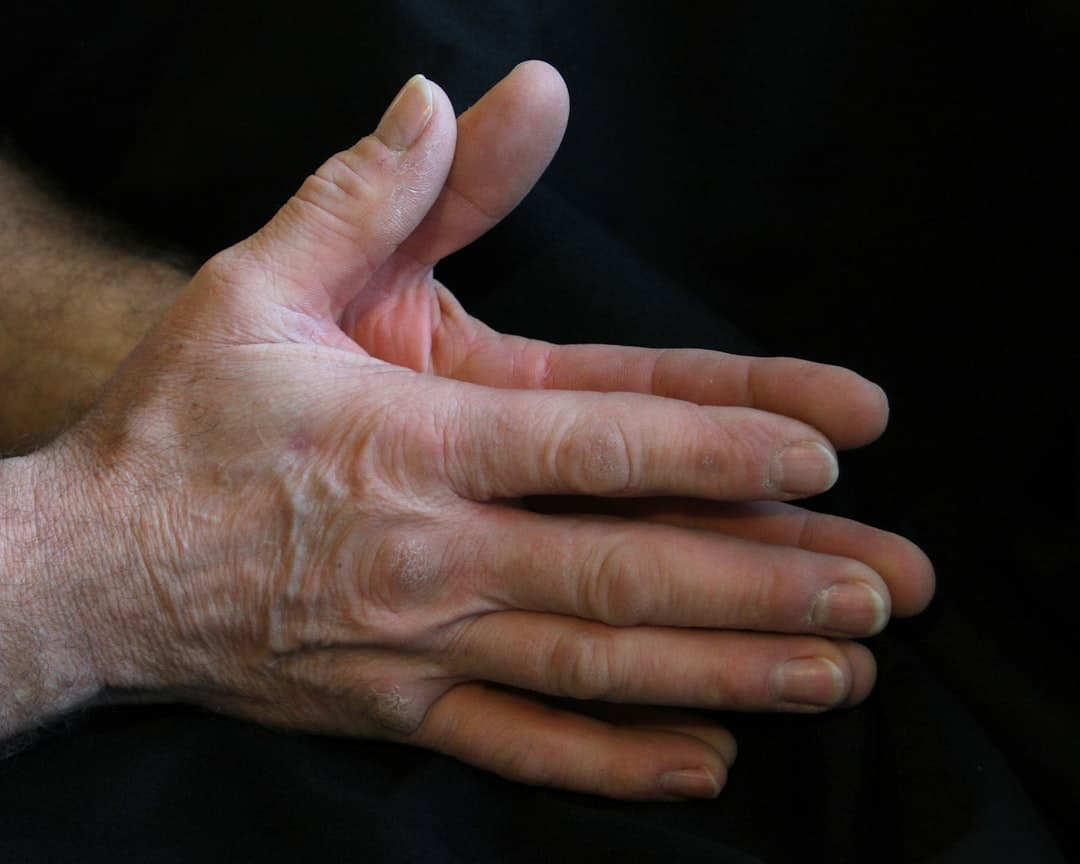
- ✓Heart 7 (Shenmen) is located in a small dip on the wrist crease, in line with the space between your fourth and fifth fingers.
- ✓Firm but comfortable pressure for 1 to 2 minutes per side, paired with slow deep breathing, is the technique’s main “recipe.”
- ✓The video’s unique mechanism claim is that this point stimulates an ulnar nerve branch, encouraging parasympathetic (rest and digest) activity and dialing down stress arousal.
- ✓Sleep cues in the environment matter, especially cooler temperatures, lower light, calming scents, and slow tempo music.
- ✓Use this approach not only at bedtime, but also during moments of racing heart or anxious stress to help downshift.
A familiar bedtime scene, and the video’s twist
The expert opens with a scene many people recognize: you lie down, and instead of drifting off, your mind races, you feel irritated, or you wake in the night restless.
The twist is not a new supplement or a complicated routine. It is a single wrist point, Heart 7, also called Shenmen, used as a quick “off switch” for nighttime arousal.
Before vs After (the video’s goal): Before, your body feels stuck in alert mode, with a racing heart and looping thoughts. After, you aim for a noticeable downshift into calmer breathing, looser muscles, and sleepier heaviness.
How to find Heart 7 (Shenmen) on your wrist
This approach is very location-specific, and the video spends time on accuracy.
The landmark method
Quick Tip: Aim for “strong sensation” not pain. If you feel sharp pain, numbness, or tingling, ease off and reposition.
How to do the 3 to 5 minute routine
The instructions are intentionally simple and repeatable.
This is framed as useful not only before bed, but also anytime your heart feels racing during stress.
Why it might work: nerves, stress hormones, and misconceptions
A common misconception is that acupressure is “just mystical.” The video’s unique framing is more physiological: pressing Heart 7 may stimulate a branch of the ulnar nerve, which could encourage parasympathetic activity (your “rest and digest” mode).
In that calmer state, the expert argues, the body is less likely to keep pumping out stress signals, including cortisol, that can make you feel wired at bedtime. Research does link stress physiology and sleep disruption, and cortisol is a well-known part of the stress response regulated by the HPA axis, as described by the Endocrine SocietyTrusted Source.
What the research shows: Relaxation-based approaches, including breathing and other downshifting techniques, are commonly used in insomnia care, and CBT-I is a first-line, evidence-based framework for chronic insomnia, per the American Academy of Sleep MedicineTrusted Source.
Stack the odds: small sleep cues the video adds
The video treats acupressure as the centerpiece, then adds a few “supporting actors.”
Important: If you have wrist injury, nerve symptoms, heart rhythm concerns, or persistent insomnia, consider checking in with a clinician. New or worsening palpitations, chest pain, fainting, or shortness of breath should be evaluated urgently.
Key Takeaways
Frequently Asked Questions
- How hard should I press on Heart 7 (Shenmen)?
- Use firm but comfortable pressure, aiming for a strong sensation without pain. If you feel sharp pain, numbness, or tingling, reduce pressure and adjust your thumb position.
- Can I use this technique if I wake up in the middle of the night?
- The video’s approach is intended for both bedtime and nighttime awakenings, especially when you feel restless or keyed up. Try 1 to 2 minutes per wrist with slow breathing, then return to a dark, quiet environment.
Get Evidence-Based Health Tips
Join readers getting weekly insights on health, nutrition, and wellness. No spam, ever.
No spam. Unsubscribe anytime.