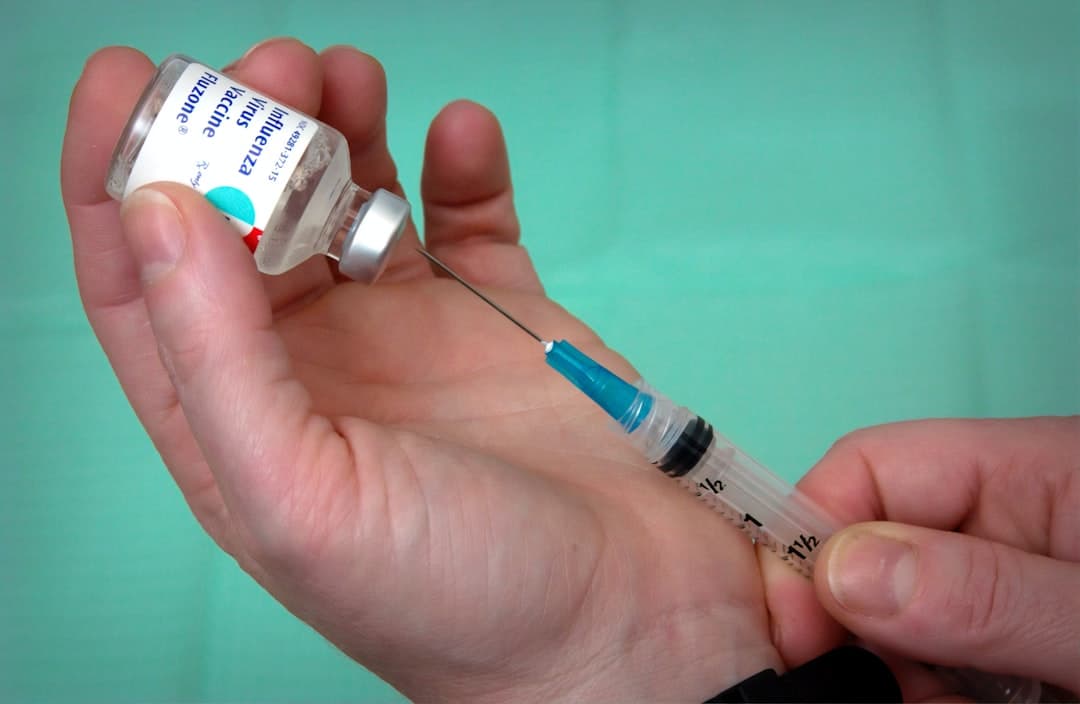
Long-Term Ozempic, Mounjaro Effects: A Mechanism Guide

Summary
More than 9 million people are using Ozempic or Mounjaro-style injections for weight loss, but the video argues the long-term tradeoffs are under-discussed. The core idea is simple: GLP-1 drugs slow stomach emptying and change appetite signals, which can reduce intake, but may also bring persistent GI symptoms, nutrient shortfalls, and loss of muscle mass. The speaker also raises concerns about pancreas strain, gallstones, brain fog, eye symptoms, and kidney stress, especially if dehydration occurs during nausea or vomiting. The article also summarizes the video’s “natural alternative” playbook, with practical, everyday steps to support satiety and blood sugar control.
🎯 Key Takeaways
- ✓The video frames GLP-1 weight loss injections as appetite-suppressing tools that may create long-term dependency and rebound hunger after stopping.
- ✓Slowed gastric emptying can reduce appetite, but may also contribute to nausea, constipation, vomiting, and *gastroparesis* in some people.
- ✓Reduced food intake can unintentionally lower protein and micronutrient intake, raising the risk of muscle loss unless nutrition and strength training are prioritized.
- ✓Gallbladder issues are a practical concern during rapid weight loss, and GLP-1 medicines are associated with gallbladder-related side effects in prescribing information.
- ✓If you use these medications, discuss red flags with a clinician early, especially severe abdominal pain, persistent vomiting, dehydration, or vision changes.
More than 9 million people are using Ozempic and Mounjaro-style injections for weight loss, according to the video.
That scale matters because the core mechanism that makes these drugs effective, appetite suppression through gut hormone signaling, also changes digestion, hunger cues, and day-to-day nutrition in ways that can become long-term problems for some people.
This article captures the video’s distinctive stance: a strongly skeptical view of using diabetes medications to treat obesity, with a focus on “downstream” effects on the pancreas, gut motility, muscle mass, and metabolic flexibility. It also adds a research-grounded layer so you can better interpret what is known, what is uncertain, and what to discuss with your clinician.
Why these injections work for weight loss, and why the video is concerned
Ozempic (semaglutide) and Mounjaro (tirzepatide) are often grouped in public conversation as “weight loss injections,” but the video frames them more specifically as diabetes medications being repurposed for weight loss.
The mechanism highlighted is GLP-1 mimicry. GLP-1 is a natural gut hormone that helps regulate appetite and blood sugar, and one of its practical effects is to slow how quickly food leaves the stomach. When stomach emptying slows, fullness tends to last longer, and many people find it easier to eat less without constant willpower battles.
The concern in the video is not that appetite reduction is impossible without medication. The concern is that “artificially” amplifying this signal may create a chain of consequences, especially if the medication becomes a long-term crutch for appetite control.
Did you know? GLP-1 medicines are known to slow gastric emptying, and nausea, vomiting, diarrhea, and constipation are listed among common side effects in the FDA prescribing information for semaglutide products like WegovyTrusted Source.
Digestive slowdown: from appetite control to nausea, constipation, and gastroparesis
The video’s most concrete, everyday theme is digestion.
Slowing stomach emptying can feel like “quieting food noise,” but it can also feel like food just sits there. The speaker describes chronic nausea, bloating, constipation, and even vomiting undigested food hours after eating, and links this pattern to gastroparesis (delayed stomach emptying).
What “delayed gastric emptying” can look like in real life
For some people, the symptoms are mild and manageable. For others, they can affect hydration, sleep, work, and the ability to meet basic nutrition needs.
The video also raises a more unsettling possibility: that in some cases, gastroparesis-like symptoms may not resolve quickly after stopping.
Important: Persistent vomiting, inability to keep fluids down, severe abdominal pain, or signs of dehydration (very dark urine, fainting, confusion) warrant prompt medical evaluation. These symptoms can overlap with conditions that should not be managed at home.
Pancreas, insulin signaling, and the debate about long-term metabolic effects
A central claim in the video is that GLP-1 agonists “force” the pancreas to produce more insulin after meals, and that long-term use could “exhaust” beta cells, worsening insulin resistance and increasing type 2 diabetes risk.
This is a strong interpretation, and it is worth separating the video’s framing from what is broadly established. GLP-1 receptor agonists are used clinically because they can improve blood sugar control and are generally associated with improved glycemic outcomes in type 2 diabetes management. Still, the video’s caution is pointing to a different question: what happens when a person without diabetes uses powerful appetite and glucose-regulating signals for extended periods, then stops?
The speaker’s “broken metabolism” argument centers on metabolic flexibility and learned reliance. If the brain becomes accustomed to an external signal that shuts down appetite, the fear is that stopping the drug may lead to rebound hunger, binge eating, fat regain, and a harder time self-regulating.
What the research shows: GLP-1 medicines carry warnings about acute pancreatitis, and patients are advised to stop the medication and seek care if pancreatitis is suspected. See the FDA label for Wegovy (semaglutide)Trusted Source for symptom guidance.
Expert Q&A
Q: If these drugs reduce appetite, why would people regain weight after stopping?
A: Appetite and body weight are regulated by multiple systems, including gut hormones, brain reward pathways, and energy expenditure. When a strong appetite-suppressing signal is removed, hunger can rebound, and people may return to prior eating patterns unless they have built new routines around protein intake, strength training, sleep, and stress management.
It is also common for weight loss, from any method, to trigger adaptive responses such as increased appetite and reduced energy expenditure. A clinician can help plan a gradual transition, monitor nutrition, and address side effects.
A. Patel, RD, Registered Dietitian
Muscle loss and nutrient gaps: the hidden cost of eating less
The video repeatedly returns to a practical point: weight loss is not automatically health gain if a meaningful portion of the loss is muscle.
Appetite suppression can make it surprisingly easy to under-eat protein. Over weeks and months, that can contribute to loss of lean mass, reduced strength, and lower resting energy expenditure. The speaker uses a memorable phrase, “longevity organs,” referring to muscles as a key asset for long-term function.
The video also flags potential deficiencies, including protein, vitamin B12, and iron, plus “other minerals.” While not everyone will develop deficiencies, the risk rises when food volume drops and nausea limits food variety.
The speaker suggests a specific daily protein range, 90 to 120 grams per day, and explicitly recommends strength training to mitigate muscle loss risk.
Pro Tip: If nausea limits meal size, distribute protein across the day. For example, aim for 25 to 35 grams at breakfast, lunch, and dinner, then add a small protein snack if needed. A dietitian can tailor this to kidney function, age, and activity level.
Gallbladder, kidneys, eyes, and brain fog: symptoms the video flags
Not all concerns in the video are about the stomach. Some are about “secondary” organs that can be affected by altered insulin signaling, hydration status, and rapid weight change.
Gallstones and broader digestive disruption
The video argues that it is not just the stomach that slows down. It suggests changes in bile flow, enzyme release, and gut motility, and links this to constipation, indigestion, and higher gallstone risk.
This concern aligns with established clinical warnings. Rapid weight loss itself can increase gallstone risk, and gallbladder-related adverse events are described in GLP-1 medication labeling. The FDA label for WegovyTrusted Source discusses acute gallbladder disease and related symptoms to watch for.
Kidneys, dehydration, and blood pressure strain
The video frames kidney risk as a downstream effect of “forcing” insulin production and straining the kidneys’ filters, potentially increasing high blood pressure over time.
In everyday terms, one of the most plausible pathways is indirect: nausea, vomiting, and reduced intake can contribute to dehydration. Dehydration can reduce kidney perfusion and, in susceptible individuals, contribute to acute kidney injury. GLP-1 labeling includes warnings about kidney injury in the context of severe GI reactions. Again, see the FDA prescribing information for WegovyTrusted Source.
Eyes and brain fog
The speaker highlights reports of blurred vision and pressure behind the eyes, attributing this to high insulin levels damaging small blood vessels and nerves.
Vision changes can have multiple explanations, including shifts in blood glucose that temporarily change the lens shape, medication effects, or unrelated eye disease. If you notice new blurred vision, it is worth discussing promptly with a clinician, especially if you have diabetes or high blood pressure.
The video also flags fatigue, dizziness, and “brain fog,” framing it as possible insulin resistance in the brain over time. In practice, these symptoms can also be related to low calorie intake, dehydration, low blood pressure, poor sleep, or micronutrient gaps.
A practical, non-drug framework the video recommends
The video’s alternative plan is built around solving the same drivers that push people toward injections: constant hunger, cravings, belly fat, low energy, poor satiety, and stalled progress.
It is a “systems” approach, emphasizing appetite biology, blood sugar stability, stress physiology, and muscle.
»MORE: Consider keeping a 7-day “satiety log,” tracking protein grams, steps after meals, sleep duration, and hunger levels before and after eating. This makes patterns visible and gives your clinician or dietitian something concrete to work with.
How to apply the video’s strategy (step by step)
Anchor your day with protein (90 to 120 g per day). The video suggests eggs, chicken thighs, salmon, Greek yogurt, and unprocessed whey protein shakes. The proposed mechanism is higher satiety and better appetite control through hormones like leptin.
Target cravings by smoothing blood sugar swings. The speaker recommends a morning drink: 1 tablespoon apple cider vinegar, 1/4 teaspoon Celtic sea salt, and freshly squeezed lemon juice in water. It also mentions cinnamon, berberine, and chromium supplements as options to discuss with a professional, especially if you take other medications.
Shrink “belly fat signals” with post-meal walking and sleep support. The video emphasizes that belly fat is driven by stress, poor sleep, and insulin resistance, not only food choices. It recommends 10-minute walks after meals to lower blood sugar and support visceral fat reduction, plus magnesium glycinate at night to calm the nervous system.
Address low motivation as an energy problem, not a character flaw. The suggested routine is morning sunlight, movement, and cold showers to “kickstart” metabolism, plus nutritional yeast flakes daily for B vitamins.
Restore fullness cues by slowing eating and supporting digestion. Chewing 20 to 30 times per bite is recommended to support natural gut hormone signaling, including GLP-1 and CCK. The video also mentions digestive enzyme supplements or fermented foods like sauerkraut or kimchi.
If dieting stopped working, rebuild muscle and cellular energy. The video points to metabolic adaptation from repeated dieting and recommends resistance training three times per week. It also mentions coenzyme Q10 as a supplement that may support energy metabolism, a topic to review with a clinician if you take blood thinners or other medications.
A key theme here is practicality. These steps are meant to be repeatable on ordinary days, not perfect.
Key Takeaways
Frequently Asked Questions
- Do Ozempic and Mounjaro permanently slow digestion?
- These medications can slow gastric emptying while you are taking them, and GI symptoms like nausea and constipation are common. If symptoms are persistent or severe, especially vomiting or inability to eat normally, it is important to discuss this with a clinician promptly.
- How can I reduce muscle loss during weight loss?
- The video emphasizes prioritizing protein intake (it suggests 90 to 120 grams per day) and doing resistance training several times per week. A clinician or dietitian can tailor protein goals to your age, kidney function, and activity level.
- Is post-meal walking really useful for blood sugar?
- The video recommends 10-minute walks after meals to help lower blood sugar and support visceral fat loss. Many people find it practical because it does not require intense workouts, but you should adjust for mobility limits and medical conditions.
- Should I try apple cider vinegar, berberine, or chromium for cravings?
- The video suggests these as tools to support blood sugar stability and reduce cravings, but supplements can interact with medications and may not be appropriate for everyone. It is safest to review any supplement plan with a clinician, especially if you have diabetes or take blood sugar-lowering drugs.
Get Evidence-Based Health Tips
Join readers getting weekly insights on health, nutrition, and wellness. No spam, ever.
No spam. Unsubscribe anytime.