Endocrine System
The Endocrine System niche explores the network of glands and hormones that regulate vital body functions, including metabolism, growth, and mood. It covers conditions like diabetes, thyroid disorders, and adrenal insufficiency, and discusses treatments such as hormone replacement therapy and lifestyle changes like diet and exercise. This niche also examines the role of stress and sleep in hormone balance and endocrine health.
Explore Topics
In-depth topics to explore in Endocrine System.
Endocrine: Complete Guide
The endocrine system is your body’s hormone network, coordinating energy, metabolism, reproduction, stress response, growth, and sleep. Understanding how endocrine signaling works helps you make better decisions about lifestyle, testing, and treatments like hormone therapy. This guide covers mechanisms, benefits, risks, practical implementation, and what modern research supports.
Fasting Insulin: Complete Guide
Fasting insulin is a simple blood marker that can reveal metabolic strain years before fasting glucose or A1C look abnormal. This guide explains what fasting insulin means, how to interpret it in context, what can raise or lower it, and how to use it alongside other labs to make practical, clinician-guided decisions.
Insulin: Complete Guide
Insulin is a pancreatic hormone that directs how your body uses and stores energy, especially glucose. It is essential for life, central to diabetes treatment, and a key player in insulin resistance and metabolic disease. This guide covers how insulin works, when it helps, when it harms, how it is used clinically, and how to interpret common insulin-related labs.
Epinephrine: Complete Guide
Epinephrine (adrenaline) is a fast-acting hormone and neurotransmitter that helps your body respond to stress by boosting heart function, opening airways, and rapidly mobilizing energy. It is also a life-saving medication for anaphylaxis and is used in select cardiac and respiratory emergencies. This guide explains how epinephrine works, when it helps, when it can harm, and how to use it safely and effectively.
Gravity: Complete Guide
Gravity is the constant force shaping everything from planetary motion to blood pressure, balance, and bone strength. Understanding how gravity works and how your body adapts to it helps you train smarter, reduce injury risk, and protect long-term health, especially for bones, circulation, and the lymphatic system.
Mitochondrial: Complete Guide
Mitochondrial refers to the cell structures and processes that generate usable energy, regulate metabolism, and influence how we adapt to stress. This guide explains how mitochondrial function works, what supports it, what can harm it, and how to translate the science into practical steps for energy, performance, and long term health.
Hormones: Complete Guide
Hormones are chemical messengers that coordinate metabolism, appetite, sleep, stress response, reproduction, growth, and mood. This guide explains how hormones work as a system, what “balance” really means, how lifestyle and nutrition influence key hormones, when to test, and when medical treatment is appropriate.
Adrenaline: Complete Guide
Adrenaline (epinephrine) is a fast-acting hormone and neurotransmitter that powers the body’s “fight-or-flight” response, rapidly boosting heart output, airway opening, and fuel availability. It can be lifesaving as a medication in anaphylaxis and cardiac arrest, but chronically elevated adrenaline from stress can worsen sleep, anxiety, blood pressure, and metabolic health. This guide explains how adrenaline works, when it helps, when it harms, and how to work with your biology safely.
Perimenopause: Complete Guide
Perimenopause is the multi year transition before menopause when ovarian hormones fluctuate and menstrual cycles change. It can bring symptoms like irregular periods, hot flashes, sleep disruption, mood changes, and brain fog, but it is also a window to protect long term heart, bone, and metabolic health. This guide explains the biology, what’s normal vs. concerning, evidence based lifestyle strategies, and treatment options including hormone therapy.
GLP-1: Complete Guide
GLP-1 is a gut hormone that helps regulate appetite, fullness, stomach emptying, and blood sugar after meals. It is also the biological target behind today’s GLP-1 and dual-incretin medications used for type 2 diabetes and obesity. This guide explains how GLP-1 works, what it can and cannot do, practical ways to support it through food and habits, and how to think about GLP-1–based drugs safely and realistically.
Cortisol: Complete Guide
Cortisol is often labeled the “stress hormone,” but it is also a vital metabolic and immune regulator that helps you wake up, mobilize fuel, and respond to challenges. Problems usually come from cortisol being too high or too low at the wrong times, or from chronic activation of the stress system. This guide explains how cortisol works, why it matters, how to interpret common tests, and practical steps to support a healthy cortisol rhythm.
Testosterone: Complete Guide
Testosterone is a key sex steroid hormone that influences muscle, strength, libido, mood, energy, red blood cells, and metabolic health in both men and women. This guide explains how testosterone works, what “low T” really means, how to interpret labs, what lifestyle changes reliably help, and when medical therapy like TRT is appropriate and how to do it safely.
Mitochondria: Complete Guide
Mitochondria are the cell’s energy-producing structures, converting nutrients and oxygen into ATP while also shaping metabolism, inflammation, and cellular resilience. This guide explains how mitochondria work, why they matter for health and performance, what can impair them, and practical, evidence-informed ways to support mitochondrial function.
Thyroid: Complete Guide
Your thyroid helps set the pace for metabolism, temperature, heart rate, digestion, and brain function through tightly controlled hormone signaling. This guide explains how the thyroid works, what “normal” looks like, how thyroid problems are diagnosed and treated, and the practical steps that help you work with your clinician to feel better and avoid common pitfalls.
Growth Hormone: Complete Guide
Growth hormone (GH) is a master regulator of growth, body composition, and metabolism, acting directly and through IGF-1. This guide explains how GH works, where it helps, where it can harm, and how to think about testing, medical therapy, and lifestyle strategies that support healthy GH signaling.
All Articles

Calories Matter, But Hormones Can Shift the Math
You track calories carefully, eat “the same as your friend”, and still feel like weight change does not follow the rules. This video’s perspective agrees that calories are central in tightly controlled research settings, but argues the real world is messier. The key nuance is hormones, especially insulin. The transcript highlights a scenario where high insulin exposure can drive weight gain even when calories are reduced, suggesting the body’s energy accounting can be shifted by endocrine signals. The practical takeaway is not that calories are irrelevant, but that adherence, measurement error, and medical factors like insulin therapy can change results.

Morning Protein and Carbs for Hormone Balance
This video’s core idea is simple and specific: if you are a woman chasing strength or body composition goals, start your day by signaling safety to your brain with nutrition. The approach centers on lowering early-day “sympathetic drive” by having **protein plus a little carbohydrate within 30 minutes of waking**, even if it is not a full meal. Think a couple tablespoons of yogurt with honey, or protein-fortified coffee if you are not hungry. The goal is to tell the *hypothalamus* that fuel is available, so your body is not stuck in a “survival mode” undercurrent.
Fall Asleep Faster: Heart 7 Acupressure Steps
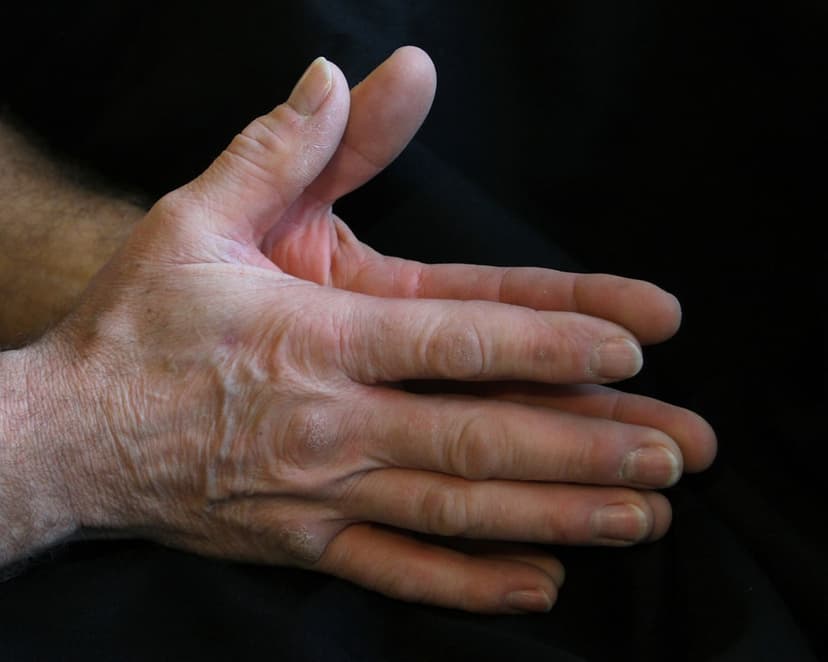
You are in bed, but your mind is sprinting. This video’s core idea is surprisingly practical: use the Heart 7 (Shenmen) acupressure point on the wrist for 1 to 2 minutes per hand while breathing slowly, aiming to nudge your nervous system toward a calmer “rest and digest” state. The expert frames it as a way to quiet stress signals that can keep you alert at night. The video also layers in simple, sensory sleep cues, like lavender aroma, slower music, dimmer light, and a cooler bedroom, to support natural melatonin rhythms.

HIIT in Perimenopause: Do Less, Recover More
If HIIT leaves you feeling tired but wired, this perimenopause-focused approach reframes the goal: keep the session short, make the hard parts truly hard, and make the easy parts truly easy. The core idea is 30 minutes max including warm-up and cool down, with only 1 to 4 minutes at 80 to 90% of max effort (about a 7 to 8 out of 10), followed by 1 to 4 minutes of recovery. The warning is that long, grindy workouts can drift into moderate intensity, which may push cortisol higher when your baseline is already elevated in perimenopause.

How to Start Sprint Intervals in Midlife, Safely
Sprint interval training sounds simple, go hard, rest, repeat. In this video, the expert’s unique angle is that the hardest part is often mental, not physical, and that the “ideal plan” should bend to real life. Instead of forcing 2 sessions weekly, she argues that one session a week, or even one every 10 days, can still deliver benefits, especially for insulin sensitivity and whole-body balance. The practical twist is using external motivation, like a gym environment or a group, and scaling down to 10-second sprints when 30 seconds feels impossible.
Menopause and Lifting Heavy: A Practical Plan
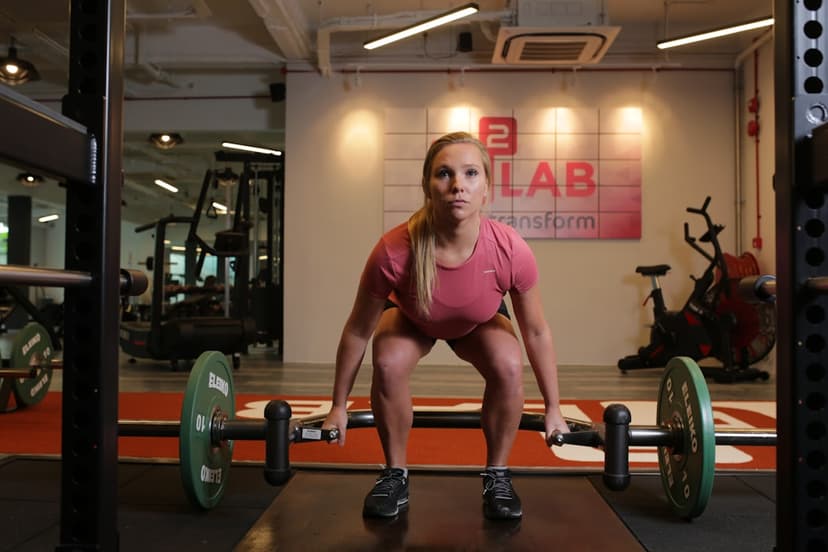
Heavy lifting in perimenopause and menopause is not about becoming bulky, it is about replacing a fading estrogen signal with a strong nervous system signal. In this video, Dr. Stacy Sims argues that higher-load, low-rep strength work is the “big rock” for maintaining muscle, power, and long-term function. The practical twist is that “heavy” is relative, and the first step is learning to move well, not maxing out. Once technique is solid, short sets taken close to form-failure can drive strength, support glucose control, and improve confidence in everyday tasks.
5 Things to Do Before Your Next Blood Test
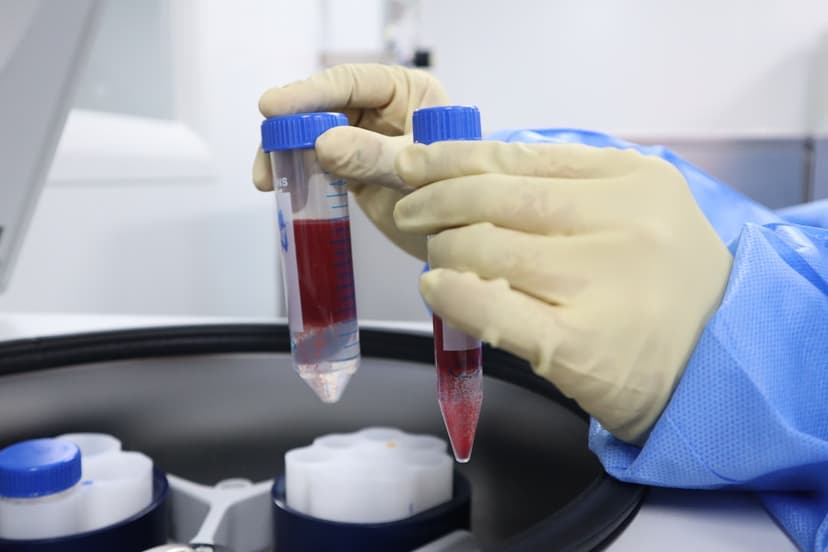
Blood work can feel routine, but small choices before the draw can change both your experience and what your results mean. This article follows a clinician’s practical, slightly unconventional approach: make the draw physically easier (better veins, less needle discomfort) and make the data more useful (consider both fasted and post-meal labs). You will learn why arm training can improve venipuncture success, how a butterfly needle may reduce discomfort, and how a “metabolic stress test” style, non-fasted lab can reveal how your body handles the foods you actually eat.

Do This After Carbs: Calf Raises to Blunt Glucose
Wondering how to reduce a blood sugar spike after a high-carb meal without leaving your desk? This video’s core idea is simple: do discreet calf raises (a “soleus push-up”) with your feet on the floor for about 5 to 10 minutes. The focus is the **soleus** muscle in the calf, which may be especially effective at using glucose after eating. The speaker highlights research where prolonged calf-raise style activity lowered post-meal glucose and insulin responses, and shares a personal glucose test showing a smaller spike after 10 minutes of calf raises.

Post-Menopause Fitness: Strength, Protein, Creatine
If you have been told menopause means becoming frail, slower, or stuck with belly fat, this video pushes back hard. The core idea is simple: post-menopause bodies still respond to training, but they need a clear stimulus (external load and intensity) plus nutrition that matches the new physiology. The speaker emphasizes progressive strength work scaled to your current level, higher protein doses (especially 40 g after training), avoiding fasted morning workouts for many women due to higher baseline cortisol, and revisiting creatine for both muscle and brain support.
Bloodwork Red Flags That Hide in Plain Sight
Some of the most important bloodwork clues are not “abnormal” in isolation, they become meaningful when you connect them. In this lab review, the key pattern is a mix of higher ferritin, thicker-blood signals (hemoglobin, hematocrit, fibrinogen), elevated Lp(a), and metabolic markers (triglycerides, ApoB:A1 ratio) that may amplify cardiovascular risk. The approach emphasizes practical levers: repeat testing before panicking, consider hydration and blood donation with clinician guidance, improve metabolic flexibility with walking and resistance training, reduce processed carbs, and take sleep and possible sleep apnea seriously. Low DHEA is discussed as a potential sleep and stress axis clue.

Menopause Workouts Without HRT: Bone, Strength, Fat
If you are postmenopausal and not using hormone therapy, the most powerful lever you still control is training stimulus. This video’s core message is that long, moderate workouts are often the wrong “dose” for improving bone density, strength, and midsection fat after menopause. Instead, the strategy centers on progressive heavy resistance training (often 6 to 8 reps at challenging loads) plus true sprint interval work. The approach is framed through “Naomi,” a 60-year-old breast cancer survivor with low bone mineral density, knee pain with running, and a goal to protect bones, reduce belly fat, and stay strong for decades.

Fasted Morning Workouts and Women’s Muscle Loss
If you wake up, skip breakfast, and head straight to the gym, this video’s core idea is that many women may be training while their body is already in a catabolic, cortisol-peaked state. The perspective shared is simple but specific: eat some protein plus a little carbohydrate within 30 minutes of waking to help bring sympathetic drive down and support body composition. The argument is not that cortisol is “bad”, it is that the morning rhythm can keep women in breakdown mode, which may make “getting fitter” feel frustrating, especially with fasted early workouts.

Long-Term Ozempic, Mounjaro Effects: A Mechanism Guide
More than 9 million people are using Ozempic or Mounjaro-style injections for weight loss, but the video argues the long-term tradeoffs are under-discussed. The core idea is simple: GLP-1 drugs slow stomach emptying and change appetite signals, which can reduce intake, but may also bring persistent GI symptoms, nutrient shortfalls, and loss of muscle mass. The speaker also raises concerns about pancreas strain, gallstones, brain fog, eye symptoms, and kidney stress, especially if dehydration occurs during nausea or vomiting. The article also summarizes the video’s “natural alternative” playbook, with practical, everyday steps to support satiety and blood sugar control.

Stop Waking at 3am: Cortisol Reset Sleep Plan
Waking up between 1 and 3 a.m. with a racing mind, chest dread, or sudden alertness is framed here as a cortisol and blood sugar problem that can also link with stubborn belly fat. The approach focuses on stabilizing overnight glucose (a small serving of plain whole milk kefir), relaxing the nervous system (magnesium glycinate), and reinforcing circadian timing (morning sunlight, limiting screens and caffeine). It also emphasizes liver friendly meal timing, fewer snacks, and whole foods. If symptoms are frequent, severe, or paired with other health issues, consider discussing them with a clinician.

The 8 Deeper Causes of Visceral Belly Fat
If you feel like your belly fat is “stuck” even when you diet or do ab workouts, this video’s perspective is that the issue is often deeper than calories alone. The focus is *visceral fat*, the firmer, more metabolically active fat stored around organs. The discussion highlights eight drivers: liver overload, low muscle mass, chronic stress and cortisol, poor bile flow, excess estrogen, tight fascia, gut inflammation, and poor sleep. The practical approach is to address these root issues with targeted lifestyle steps like intermittent fasting, strength training, stress downshifting, bile support foods, gut-friendly fermented foods, mobility work, and consistent sleep timing.

Recovering From Surgical Menopause With Protein and Lifts
Surgical menopause can feel like falling off a “menopause cliff”, especially after a total hysterectomy with ovary removal. This video’s unique message is practical and hopeful: prioritize higher protein (often starting near 1 gram per pound of body weight), time protein around workouts, and follow a structured strength plan instead of random training. The discussion also highlights how sleep, routine, and gradual progression can change recovery, even when symptoms feel intense. You will find realistic meal ideas, training principles, and safety notes to help you talk with your clinician and build a sustainable plan.

Steroids, Peptides, and Mood: A Cautionary Case
A lot of people get the story backward, they focus on the internet drama and miss the health lesson. This video frames the Liver King versus Joe Rogan headlines as a warning about brain chemistry, especially when people stack steroids, peptides, and stimulants from unverified sources. The key idea is not to mock anyone, but to recognize that erratic, manic, or paranoid behavior can sometimes appear alongside hormone manipulation, stimulant use, sleep loss, and stress. The takeaway is practical, build your body if you want, but do not ignore mental health, and be cautious with black market performance drugs.
Milk Thistle for Liver Support: 12 Claimed Benefits
Milk thistle is often marketed as a liver “cleanse,” but the video’s unique angle is broader: it frames milk thistle as a daily, dose-split support tool for bile flow, hormone clearance, and toxin handling, with ripple effects on skin, weight loss, thyroid activation, and even varicose veins. This article walks through the 12 benefits exactly as presented, then compares where the ideas fit with what research suggests, where the evidence is thinner, and which edge cases matter most. It also covers forms, dosing (1,800 to 3,000 mg freeze-dried seed), timing with fat-containing meals, and key medication interactions to discuss with your clinician.

Walking Hacks That Target Visceral Belly Fat
This video’s core idea is simple but surprisingly strategic: walking is not just “extra calories out”, it is a way to influence insulin, cortisol, sleep, and muscle, all of which shape visceral belly fat. The approach stacks small walking choices, like a 20 to 30 minute morning walk before breakfast, a 2 to 5 minute walk after meals, and occasional intervals or hills, to nudge the body toward using more fat for fuel. You will also see add-ons like plain green tea, sunlight, nose breathing, step tracking, and protein after walking to support metabolism and muscle.

Why Morning Eating May Stop Nighttime Wakeups
If you keep waking up at night, this video’s core idea is simple: your sleep may be getting interrupted by a stress hormone pattern (higher **cortisol**) and by **low blood sugar** overnight, not just a full bladder. The approach emphasized is to eat earlier in the day, including eating in the morning, and to avoid undereating or prolonged fasting that can trigger nighttime *hypoglycemia*. By lowering your cortisol “baseline” and preventing glucose dips, your body may shift more easily into the *parasympathetic* state needed for restorative sleep.

Sprint Interval Training for Perimenopause Benefits
Sprint interval training (SIT) is built around very short bursts, 30 seconds or less, done at an all-out effort (about 9 to 10 out of 10), followed by full recovery for 2 to 3 minutes. This video’s key point is that the intensity plus complete recovery is the feature, not a flaw. The approach is framed as potentially helpful in perimenopause because it may improve blood vessel control (possibly easing hot flash responses), encourage muscle changes that pull in glucose with less reliance on insulin, and create a post-exercise shift toward lower cortisol and more parasympathetic, “calm and recover” activity.

Morning Metabolism Tea: Cayenne, Lemon, Ginger Mix
Most “metabolism drinks” focus on one trendy ingredient and ignore the bigger picture, hydration, digestion, and blood sugar swings. This video’s unique approach is a layered morning tea made fresh each day: warm water plus cayenne, cinnamon, Celtic salt, freshly squeezed lemon, grated ginger, and a few drops of stevia. The goal is not just fat burning, but also bile flow support, hydration-driven energy, steadier cravings, and smoother digestion. This article breaks down the exact recipe, why each ingredient is included, when to drink it, how to adjust for spice sensitivity, and who should be cautious.

Glycine for Sleep, Metabolism, and Healthy Aging
If you have trouble winding down at night, feel unusually sore after workouts, or are watching your blood sugar markers, glycine may be worth understanding. This video’s core message is practical: glycine is an affordable, good tasting amino acid that may support sleep and brain function, and may also help metabolic health and recovery. The discussion highlights a human systematic review across 34 studies and explains why bedtime dosing (often 1.5 to 3 g) is commonly used. It also connects glycine to glutathione support (especially when paired with NAC) and explains how magnesium bisglycinate can indirectly add meaningful glycine to your routine.
10 Fat-Burning Foods, Insulin, and Fast Weight Loss
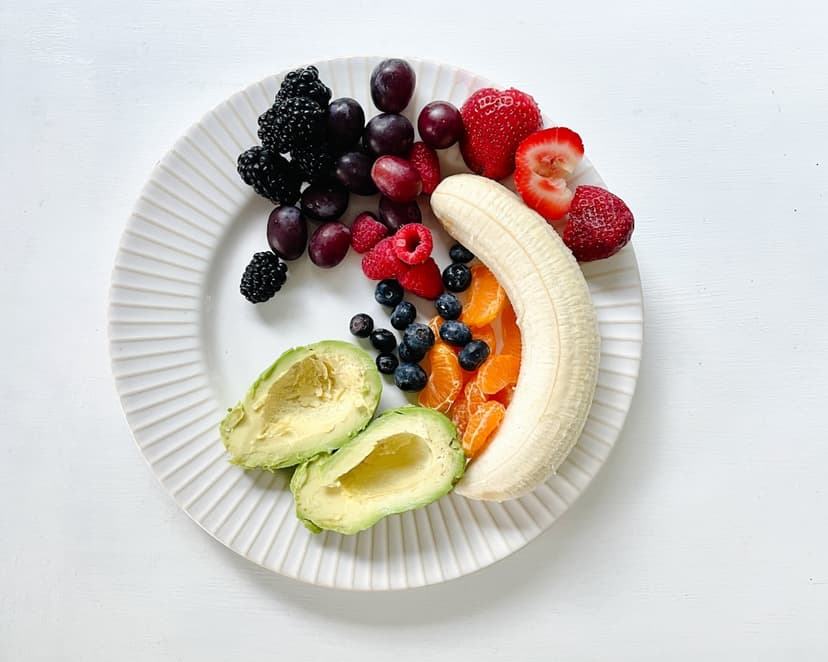
If “eat less, move more” keeps failing you, this video’s angle is worth investigating. The core idea is not magic foods or strict calorie counting, it is food quality that supports fullness and, especially, **insulin sensitivity**. The list emphasizes protein-rich foods (meat, fish, eggs), fiber-rich plants (non-starchy vegetables, berries), and targeted add-ons (fermented foods, ginger, capsaicin, MCT oil, apple cider vinegar). The trade-off is clear: 80 percent of results comes from avoiding sugar, refined starches, seed oils, and ultra-processed foods, while the remaining 20 percent comes from “fine-tuning” with specific foods and compounds.

Best Way to Reduce Leg and Ankle Swelling Fast
Why do ankles swell, even if you elevate them or wear compression socks? This video’s core idea is simple: swelling happens because fluid leaks into tissues, your body fails to pump it back out, or both. The fastest lever is improving the “pump,” especially the calf muscle pump (your “second heart”) and the diaphragm-driven lymphatic pump. Calf raises, ankle pumps, walking, legs-up-the-wall, and slow belly breathing can move fluid now and retrain valves over time. Longer-term improvement also means reducing insulin resistance, prioritizing potassium-rich whole foods, and supporting key nutrients like magnesium and B vitamins.

Stop Ultra-Processed Foods, Focus on Better Markers
If you feel like you are doing fine because your fasting glucose looks normal, this video argues you may be missing the bigger story. Using a new McMaster University analysis of about 6,000 Canadians, the discussion highlights a consistent pattern: higher ultra-processed food intake tracks with higher insulin, triglycerides, inflammation markers, waist size, and blood pressure, even after adjusting for lifestyle and socioeconomic factors. A key nuance is that glucose did not show the same clear link, which the speaker uses to argue for looking beyond single glucose readings. The practical takeaway is to reduce ultra-processed foods, even the ones marketed as healthy, and lean into whole foods, with fruits and vegetables potentially buffering some harms.
One Meal a Day at Dinner for 30 Days, What Changes?
Eating only dinner for 30 days can be viewed as a daily cycle of “eat off the plate, then eat off the body.” This approach emphasizes lowering insulin exposure, reducing blood sugar swings, and potentially improving fat burning, autophagy, and gut rest. The tradeoff is that one meal must carry your entire day’s nutrition, and some people may struggle with electrolytes, lightheadedness, or eating enough in one sitting. It is not a fit for everyone, especially people who are underweight, pregnant, or using insulin, and it may work best when rotated with other schedules.

Quit Sugar for 7 Days, What Changes in Your Body?
In this 7-day challenge, the video frames sugar as an unstable fuel that whipsaws blood glucose, then drags the brain along for the ride. The core idea is simple: your brain needs steady energy, but sugar and refined starches create spikes and crashes. Swap them for a “log on the fire,” meaning meals built around protein, healthy fats, fiber, and non-starchy vegetables, and you may quickly notice steadier energy, clearer thinking, fewer cravings, less bloating, better sleep, and early scale changes (often water weight). Longer term, the discussion emphasizes insulin resistance and fatty liver as key reasons to reduce sugar.

10 Early Warning Signs Your Insulin Is Too High
High insulin can quietly rise for years while fasting glucose still looks “normal.” This video’s core message is to stop waiting for obvious high blood sugar symptoms and start noticing earlier clues like sugar cravings, persistent hunger, stubborn weight gain, post-meal fatigue, brain fog, higher blood pressure, skin tags, and neuropathy-like tingling. The most important “tell” may be lab work, especially fasting insulin and triglycerides, because glucose is tightly controlled until the system fails. If you recognize several signs, consider discussing insulin-related testing and a plan with your clinician.

The #1 Insulin Trick: Timing, Coffee, Sleep, Fat Loss
Most weight loss advice obsesses over calories, but this video’s perspective is that insulin is the real “gatekeeper” that determines whether you store fat or access it. The core trick is practical: work with your morning biology. Delay breakfast at least 2 hours (or use a shorter eating window), avoid a carb-heavy first meal, consider delaying caffeine about 90 minutes if you are insulin resistant, move a little before eating, and protect sleep to keep cortisol and cravings down. The goal is steadier blood sugar, lower insulin, and easier fat burning over time.

Exploring the Natural Muscle Growth Debate
Online, people often decide who is “natural” by eyeballing physiques, but the “line” moves depending on who you ask. This article follows the video’s investigative approach, using history (when testosterone and anabolic steroids became available), science (FFMI research and muscle gain rates), and common sense (genetic outliers) to estimate realistic natural size. The key idea is not that one number proves steroid use, but that FFMI, body fat estimates, time frame, and context together create a more honest reality check for everyday lifters.