The 8 Deeper Causes of Visceral Belly Fat
Summary
If you feel like your belly fat is “stuck” even when you diet or do ab workouts, this video’s perspective is that the issue is often deeper than calories alone. The focus is *visceral fat*, the firmer, more metabolically active fat stored around organs. The discussion highlights eight drivers: liver overload, low muscle mass, chronic stress and cortisol, poor bile flow, excess estrogen, tight fascia, gut inflammation, and poor sleep. The practical approach is to address these root issues with targeted lifestyle steps like intermittent fasting, strength training, stress downshifting, bile support foods, gut-friendly fermented foods, mobility work, and consistent sleep timing.
🎯 Key Takeaways
- ✓Visceral fat is different from subcutaneous fat, it sits deeper around organs and is harder to “spot reduce” with ab exercises alone.
- ✓This video’s core idea is that an overloaded liver from sugar, starch, seed oils, fructose, or alcohol can push fat storage toward the abdomen.
- ✓Low muscle mass can worsen insulin resistance over time, making visceral fat easier to gain, especially after age 30.
- ✓Chronic stress and poor sleep can raise cortisol and reduce growth hormone, a combination that may bias the body toward abdominal fat storage.
- ✓Gut inflammation and bloating patterns (IBS, IBD, SIBO, constipation) may slow metabolism through inflammatory signaling, so gut repair can be part of belly fat progress.
Why belly fat can feel “stubborn”
You do the crunches. You tighten up your food. The scale might even move.
And yet the belly stays.
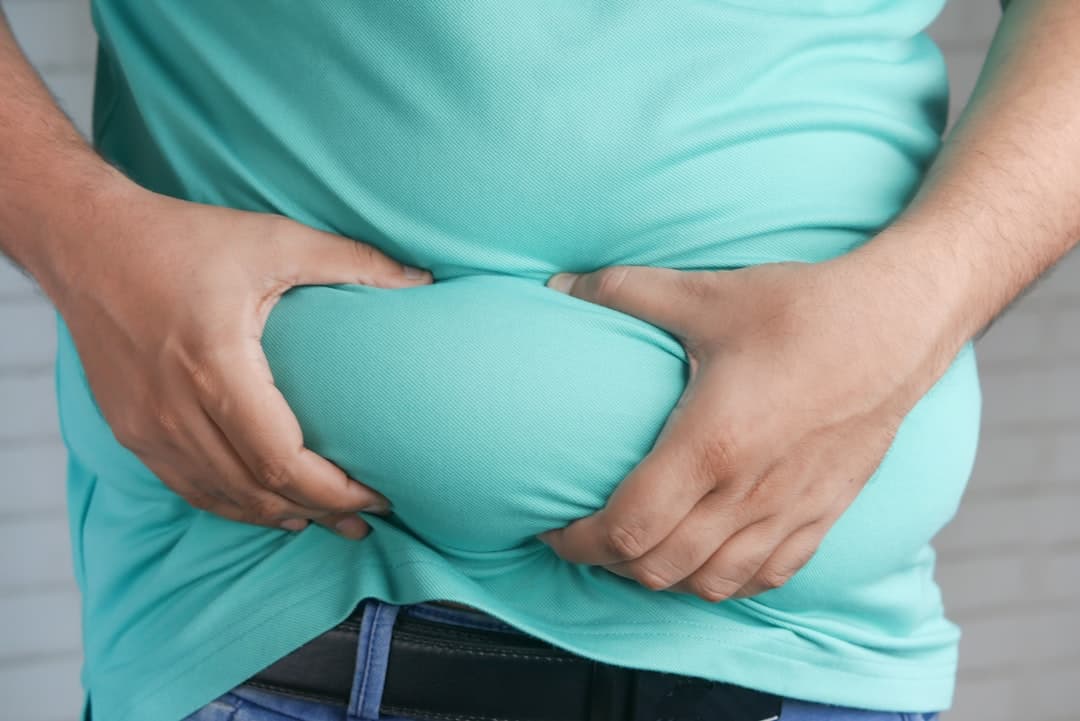
This video’s framing starts with a useful distinction: not all belly fat is the same. The deep, firm fat that accumulates inside the abdomen is called visceral fat (the fat stored around internal organs). It is contrasted with subcutaneous fat (the softer fat under the skin). The key point is that visceral fat tends to be more metabolically disruptive and harder to lose with “targeted” exercise, because ab workouts do not directly pull fat off the organs.
From this perspective, the better question is not “Which ab exercise burns belly fat?” but “What is pushing my body to store fat deep in the abdomen in the first place?”
Did you know? Visceral fat is linked with higher cardiometabolic risk, and waist size is often used clinically as a quick proxy for risk, alongside labs and blood pressure. Many public health resources emphasize waist circumference as a practical screening tool for health risk, not just appearance, including guidance from the CDCTrusted Source.
The 8 deeper causes of visceral belly fat (video breakdown)
The discussion lays out eight “deeper” drivers that can stack together. You might recognize yourself in one or two, or in several.
1) An overloaded liver (too much starch, sugar, seed oils, fructose, alcohol)
The first and most emphasized mechanism is liver overload. The idea is that frequent high-energy inputs, especially sugar, starch, fructose, alcohol, and industrial seed oils, can overwork liver cells. When the liver accumulates fat and cannot process the load efficiently, fat storage can “spill over” into the abdomen, contributing to visceral fat.
This is directionally consistent with what clinicians call nonalcoholic fatty liver disease (NAFLD), which is strongly associated with insulin resistance and central adiposity. For background, the National Institute of Diabetes and Digestive and Kidney DiseasesTrusted Source explains how fat buildup in the liver relates to metabolic health.
The practical implication in the video is straightforward: if the liver is burdened, visceral fat loss can feel unusually slow.
2) Low muscle mass (especially after age 30)
The second cause is low muscle mass. Muscle tissue acts like a sink for glucose, helping move sugar out of the bloodstream and reducing insulin resistance. In this framing, people with more muscle can sometimes tolerate dietary “mistakes” with fewer visible consequences, because their muscle helps buffer blood sugar.
Aging matters here. The video notes that after age 30, people can lose a meaningful amount of muscle mass each decade, lowering resting metabolic rate and making visceral fat easier to accumulate.
This matches broader research that maintaining muscle through resistance training supports insulin sensitivity and healthy body composition. The American College of Sports MedicineTrusted Source provides accessible summaries on resistance training benefits across the lifespan.
3) “Survival mode” (stress, fear, poor sleep, over-exercising, overwork)
Next is chronic stress physiology, described as the body being stuck in “survival mode.” The proposed pathway is cortisol. When stress is persistent, cortisol stays elevated, and cortisol can signal fat storage in the abdomen. Over time, high cortisol can also break down muscle protein, which then worsens the low-muscle problem described above.
This is a biologically plausible pattern. Cortisol is part of the hypothalamic-pituitary-adrenal axis and interacts with appetite, sleep, glucose regulation, and fat distribution. For a primer on cortisol and stress physiology, see the Cleveland Clinic overview of cortisolTrusted Source.
The video’s practical message is not “avoid all stress,” it is “stop living as if danger is constant.”
4) Poor bile flow (fat digestion and signaling)
The fourth cause is poor bile flow. Bile, produced by the liver and released by the gallbladder, helps emulsify fats so they can be digested and absorbed. The video suggests that when bile flow is low, fat digestion is impaired, and the body may shift toward storing fat rather than using it efficiently.
Symptoms highlighted include bloating, belching, burping, and nausea when eating fatty foods. Those symptoms can have many causes, but the pattern can be a useful clue to discuss with a clinician.
For general background on bile and gallbladder function, the NIDDK gallstones and gallbladder informationTrusted Source is a solid starting point.
5) Excess estrogen (especially when liver burden is high)
Cause five is excess estrogen. The video notes a common pattern: higher estrogen is often associated with fat gain around hips and thighs in women, but it can also contribute to belly fat, and in men it can be particularly linked with abdominal gain.
A key angle here is liver processing. The discussion argues that liver stressors like alcohol, seed oils, and toxins may raise estrogen burden or impair clearance, indirectly affecting fat distribution.
The practical tool emphasized is cruciferous vegetables (kale, broccoli sprouts, Brussels sprouts, cabbage, arugula) and 1 tablespoon of ground flaxseed per day as a binding strategy in the gut. Research on flaxseed suggests it can influence estrogen metabolism in some contexts, although effects vary by individual and health status. For an evidence-based overview, see the NIH NCCIH flaxseed pageTrusted Source.
6) Tight fascia (a firm lower belly “pooch”)
This is one of the video’s most unique points: tight fascia. Fascia is connective tissue that wraps and supports muscles, nerves, and organs. The claim is that prolonged sitting, limited twisting, and minimal stretching can lead fascia to tighten like shrink wrap, trapping fluid and lymph and creating a lower belly that feels firm and dense, not soft.
This is not “fat loss” in the classic sense, it is a body mechanics and fluid movement issue. The suggested fix is gentle twisting, stretching, and “fascia flossing,” which the video describes as slow left-right torso twisting while lightly bouncing through the knees.
While fascia research is evolving, mobility work is widely used in rehab and sports medicine for comfort and movement quality. If you have pain, hernia concerns, or pelvic floor symptoms, it is worth getting individualized guidance.
7) Gut inflammation (IBS, IBD, SIBO, constipation, chronic bloating)
The seventh cause is gut inflammation, presented as a metabolic brake. The mechanism described is inflammatory chemicals (cytokines) that can slow metabolism and worsen insulin resistance, nudging the body toward visceral fat storage.
This point is especially aimed at people with severe bloating, IBS, IBD, SIBO, or chronic constipation. The idea is that belly size can reflect not only fat, but also inflammation, stool burden, gas, and fluid shifts, and these can coexist with visceral fat.
A practical suggestion is to emphasize probiotic-rich foods like sauerkraut, kimchi, and kefir, and to reduce refined sugars, ultra-processed foods, and artificial sweeteners that may worsen gut symptoms for some people. For a research-grounded overview of probiotics and digestive health, see the National Center for Complementary and Integrative Health probiotics pageTrusted Source.
8) Poor sleep (less growth hormone, more cortisol)
Last is sleep, treated as a silent switch for fat loss. The video highlights that deep sleep supports human growth hormone secretion, which is involved in tissue repair and body composition. Poor sleep can also increase cortisol, reinforcing the stress-belly-fat loop.
Even with a “perfect diet,” this framing argues that insufficient sleep can stall progress.
Sleep and metabolic regulation are tightly linked. The CDC sleep and health resourcesTrusted Source summarize recommended sleep durations and why they matter.
What the research shows: Short sleep duration is associated with higher risk of weight gain and metabolic dysfunction in many observational studies, although individual responses vary and sleep is only one part of the system. A useful overview is available from the National Heart, Lung, and Blood InstituteTrusted Source.
A practical plan based on the video: 6 levers to pull
The second half of the video shifts from causes to actions. It is not presented as a rigid program, it is more like a set of levers you can test and combine.
How to start, without trying to do everything at once
Here are the six levers exactly as they appear in the video, with practical interpretation.
1) “Clean out the liver” (reduce overload, create metabolic space)
This lever combines reducing inputs that burden the liver and using time-restricted eating to lower overall load.
A punchy point from this approach is that belly fat loss is not only about eating less, it is about reducing what the body struggles to process.
Pro Tip: If removing seed oils feels overwhelming, start by swapping just one daily item, for example, replace fried takeout with a home meal cooked with olive oil, then build from there.
2) Increase muscle mass (especially big muscle groups)
The emphasis is on legs, back, and chest. Bigger muscles create a bigger glucose sink and raise resting energy use.
The video also suggests planks for 30 to 60 seconds for core strength and scheduling a full-body workout once per week, with a caution not to overtrain.
3) Lower cortisol (exit “survival mode”)
The goal is to reduce constant alarm signals so the body is more willing to mobilize stored fuel.
Regular long, slow walks in nature are framed as a safety signal to the brain.
4) Increase bile flow (support fat digestion)
This lever uses food-based and supplement-based strategies.
Important: If you have gallstones, upper right abdominal pain, pancreatitis history, or unexplained nausea after fatty meals, talk with a clinician before trying bile-stimulating supplements. Some conditions require medical evaluation rather than self-treatment.
Sulfur-rich foods are also emphasized: onions, garlic, artichokes, and radish.
5) Address tight fascia (mobility for the “hard lower belly”)
This lever is about movement quality and fluid dynamics, not simply dieting.
If any movement causes pain, pressure, or bulging, stop and get assessed.
6) Clean up the gut (reduce inflammation, improve tolerance)
The gut plan is framed as both removal and addition.
The video also mentions cinnamon, turmeric, and ginger, framed as helpful for inflammation and hormone balance. If you use blood thinners or have gallbladder disease, discuss concentrated turmeric or supplement forms with a clinician.
»MORE: If you want a simple tracking tool, create a one-page “bloat log” with columns for meals, stress level, bowel movements, and sleep time. Patterns often show up within 10 to 14 days.
How to know which causes fit you best
This approach works best when you match the lever to the signal your body is giving.
One of the most practical ideas in the video is to stop treating belly fat as a single problem. It is often a cluster.
Expert Q&A
Q: Why do crunches not fix visceral belly fat?
A: Crunches strengthen abdominal muscles, but they do not specifically draw fat off internal organs. Visceral fat responds more to whole-body energy balance, insulin sensitivity, stress hormones like cortisol, and sleep quality. A combined plan that builds muscle and improves sleep often has a bigger impact than adding more ab exercises.
Jordan Ellis, PhD, Exercise Physiology
When to get medical input (especially for hormones and gut issues)
Some “belly fat” patterns overlap with medical conditions that deserve evaluation.
Talk with a clinician if you have any of the following:
Expert Q&A
Q: If I suspect high cortisol from stress, should I test it?
A: Cortisol testing can be useful in specific situations, but most people with stress-related sleep problems do not have a cortisol disorder. Start with the fundamentals the video emphasizes, consistent sleep timing, caffeine cutoff, and daily low-intensity movement, then discuss symptoms with a clinician if fatigue, insomnia, or weight changes persist.
Mina Patel, MD, Internal Medicine
Key Takeaways
Frequently Asked Questions
- What is visceral fat, and why is it considered more risky?
- Visceral fat is the deeper *intra-abdominal* fat stored around organs, not the softer fat under the skin. Higher visceral fat is associated with higher cardiometabolic risk, which is why waist size and related measures are often used as health screening tools.
- Why does the video focus so much on the liver for belly fat?
- The video’s perspective is that frequent intake of sugar, starch, fructose, alcohol, and seed oils can overload liver processing and contribute to fat spillover into the abdomen. Supporting liver health through reduced dietary load and intermittent fasting is presented as a way to make visceral fat loss easier.
- How much protein does the video suggest for muscle and belly fat support?
- It suggests increasing protein from foods like eggs and meats to at least 100 grams per day. Individual needs vary, so people with kidney disease or other medical issues should confirm targets with a clinician or dietitian.
- What sleep habits does the video recommend for visceral fat loss?
- The video emphasizes getting to bed before 11 p.m., keeping the room dark and cool, and avoiding screens for 1 to 2 hours before bed. The goal is to support deeper sleep and reduce cortisol signaling.
- Can gut problems really affect belly fat?
- The video argues that gut inflammation can release cytokines that slow metabolism and worsen insulin resistance, nudging the body toward visceral fat storage. It recommends probiotic foods like sauerkraut, kimchi, and kefir, and reducing refined sugar and highly processed foods.
Get Evidence-Based Health Tips
Join readers getting weekly insights on health, nutrition, and wellness. No spam, ever.
No spam. Unsubscribe anytime.