Recovering From Surgical Menopause With Protein and Lifts

Summary
Surgical menopause can feel like falling off a “menopause cliff”, especially after a total hysterectomy with ovary removal. This video’s unique message is practical and hopeful: prioritize higher protein (often starting near 1 gram per pound of body weight), time protein around workouts, and follow a structured strength plan instead of random training. The discussion also highlights how sleep, routine, and gradual progression can change recovery, even when symptoms feel intense. You will find realistic meal ideas, training principles, and safety notes to help you talk with your clinician and build a sustainable plan.
🎯 Key Takeaways
- ✓Surgical menopause can hit suddenly, symptoms may feel far more intense than natural perimenopause because the hormonal change is abrupt.
- ✓This video’s central lever is **protein**, often starting around **1 gram per pound of body weight**, then gradually increasing as tolerated to support muscle and bone.
- ✓Protein is framed as more than “muscle food”, it may support appetite regulation, immune function, gut health, and brain function during this transition.
- ✓“Lift heavy” is redefined as any load that feels heavy for you right now, then progress with a structured program and phases, not random workouts.
- ✓Consistency and routine, including sleep prioritization and simple repeatable meals, are portrayed as the difference between feeling stuck and feeling strong again.
A year after her hysterectomy, Hannah says she went from “not being able to eat” to taking in about 140 grams of protein a day, and it changed her recovery.
That single detail captures this video’s unique perspective: when surgical menopause hits suddenly, the basics of fitness and nutrition may need to become more deliberate, more structured, and often more protein-forward than many women have ever been told.
The “menopause cliff”, why surgical menopause feels different
A total hysterectomy with removal of both ovaries can turn a premenopausal body into a postmenopausal body overnight.
In the conversation, Dr. Stacy Sims describes this as going in premenopausal and waking up postmenopausal, a massive shift that many people underestimate. Hannah calls it the “menopause cliff.” The key idea is not just that hormones change, but that they change abruptly, without the gradual transition that happens in perimenopause for many people.
Hannah’s story also highlights something that can be confusing during recovery: her doctors told her the recovery was “normal but uncommon,” yet she felt strongly that the intensity of her symptoms needed better guidance. She describes feeling like her “guts fell through the basement floor,” struggling to eat, experiencing hot flashes and insomnia, and being unable to work out the way she used to. Instead of gaining weight, she lost about 15 pounds, and she became very sensitive to foods she perceived as inflammatory.
This framing matters because it shifts the question from “What is wrong with me?” to “What does my body need now that the hormonal environment changed so fast?”
Important: If you have severe symptoms after surgery (persistent inability to eat, rapid weight loss, dizziness, worsening mood, chest pain, fainting, fever, heavy bleeding, or increasing abdominal pain), contact your surgical team or seek urgent care. These can be signs of complications or issues that need prompt evaluation.
From a research standpoint, it is well recognized that removing the ovaries causes a rapid drop in estrogen and other ovarian hormones, and this can increase symptom burden for some people. Clinical resources like the North American Menopause SocietyTrusted Source discuss how surgical menopause can be more abrupt and sometimes more symptomatic than natural menopause.
Protein as the anchor, why this video puts it first
Many menopause conversations start with supplements, hormone therapy debates, or “eat less, move more.” This one starts with protein.
The central argument is that after menopause, especially after a sudden surgical transition, women can experience a sharp change in how muscle responds to training and nutrition. Dr. Sims describes an age-related anabolic resistance, meaning the body may be less responsive to the muscle-building signals from protein and resistance training. Her framing is that men tend to age more linearly, while women can experience a more cliff-like shift around peri and postmenopause.
Then comes the punchline: to keep the signal for lean mass development strong, the discussion emphasizes getting to the upper end of protein intake, starting around 1 gram per pound of body weight, and gradually working up toward 1.1 to 1.5 grams per pound as tolerated.
That is a high target compared with many general nutrition guidelines, and it is not appropriate for everyone. Still, the video’s unique perspective is not “everyone must eat this much,” it is “if symptoms are intense and recovery is stalled, protein may be the first lever to examine with a clinician, especially if intake is low.”
Why the video talks about “lean mass” as muscle and bone
A key detail is that “lean mass” here is not just about visible muscle. The discussion explicitly includes bone.
The reasoning is straightforward: muscle and bone are two tissues that can change rapidly when estrogen drops. Resistance training and adequate protein are framed as a practical way to support both, especially when estrogen is no longer providing the same stimulus.
Research broadly supports the idea that protein contributes to muscle maintenance and that resistance training helps preserve strength and function with age. For example, the International Society of Sports Nutrition position stand on proteinTrusted Source explains that higher protein intakes can support lean mass, particularly in active people and older adults.
Did you know? Many adults, especially older adults, do not distribute protein evenly across the day. Research suggests that spreading protein across meals may better support muscle protein synthesis than “saving it all” for dinner, although individual needs vary and medical conditions matter. See discussion in the ISSN protein position standTrusted Source.
Protein is not just “for building muscle” in this framing
This is one of the video’s most practical mindset shifts.
Protein is described as supporting multiple systems affected by hormonal change, including brain function, gut function, immune function, and even appetite hormone regulation. The point is not that protein is magic, but that it is foundational, and many women have been taught to treat it as optional.
How to actually reach 100 to 140 grams a day (without losing your mind)
Hitting a high protein target can feel overwhelming, especially if your appetite is low after surgery.
What makes this video different is that it shows how one person “step-loaded” her intake using routine, not perfection. Hannah did not describe complex recipes or expensive hacks. She described boring lunches, staples, and a repeatable pattern.
Here is the approach, using the exact structure she shared.
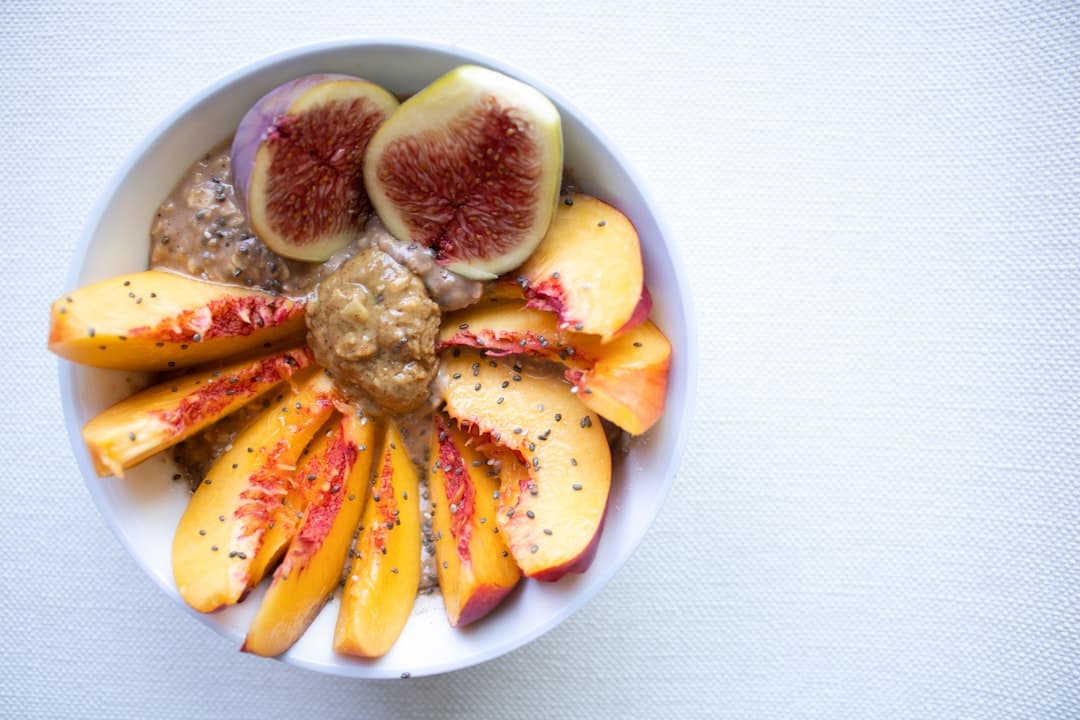
A realistic day of protein, video-based example
This is a routine-based strategy: make the default day easy, then adjust.
Pro Tip: If your target feels impossible, increase protein in small steps for 1 to 2 weeks at a time. For example, add 10 to 20 grams per day by adding Greek yogurt, cottage cheese, eggs, or an extra scoop of protein powder, then reassess digestion, appetite, and energy.
“Inflammatory foods” and food tolerance after surgery
Hannah describes being “super sensitive to inflammatory foods” and having trouble eating at all early on.
It is common after major abdominal surgery for appetite, bowel habits, and food tolerance to change temporarily. If you notice certain foods worsen bloating, reflux, diarrhea, constipation, or nausea, it can help to track patterns and discuss them with your clinician or a registered dietitian. The aim is not to label foods as universally bad, but to find what your body tolerates during healing.
If you have kidney disease, a history of kidney stones, or other medical conditions, high protein targets may not be appropriate. This is a good place to involve your healthcare team.
Strength training after hysterectomy, what “lift heavy” really means here
“Lift heavy” is easy to say and hard to apply.
Hannah describes returning to the gym and doing what many motivated people do: jumping back into advanced training because she was not a beginner. It felt terrible at first. She eventually “humbled” herself, bought the beginner program, and rebuilt from there.
That shift is one of the strongest practical lessons in the video: your training age and your recovery status are not the same thing. After surgical menopause, you may need to train like a beginner for a while, even if you used to be advanced.
The video’s critique of “random training”
A common misconception is that progress comes from doing hard exercises and adding weight whenever possible.
The discussion pushes back on that. Hannah mentions “random training,” where you do bench presses, deadlifts, track some numbers, maybe split upper and lower, but you do not have a long-term plan. In her experience, that made progress harder and contributed to issues like a sore shoulder.
Instead, the approach emphasized here is structured programming with phases, variety, and progression.
Recovery multipliers, sleep, timing, and the “season for all the things”
The video keeps returning to one theme: recovery is not just workouts, it is the system around the workouts.
Hannah credits several changes for turning her trajectory around: increasing protein, paying attention to food timing, and prioritizing sleep. She also mentions trying adaptogens recommended in Dr. Sims’ book, and that some helped her personally, although responses vary and supplements can interact with medications.
What the research shows: Sleep problems are common during menopause, and poor sleep is linked with worse quality of life and metabolic outcomes. Clinical overviews from organizations like the North American Menopause SocietyTrusted Source discuss the relationship between menopause symptoms and sleep disruption.
A “season for all the things” mindset
One of the most motivating lines is that there is a season for all the things.
This is a practical antidote to all-or-nothing thinking. Some phases focus on technique and rebuilding tolerance. Some phases focus on hypertrophy (more reps, muscle development). Some phases focus on heavier loads with excellent form to improve the neuromuscular connection.
The deeper physiological explanation offered is that estrogen used to support muscle building and contraction quality, and it influenced nerve conduction speed. In this framing, smart resistance training becomes a way to create the external stress that prompts adaptation when estrogen is no longer providing the same push.
The cold plunge moment, a small example of “trends vs. fit for you”
A quick but memorable moment in the video is Hannah thanking Dr. Sims for “saving” her from the cold plunge.
The point is not that cold exposure is always bad. It is that some women feel awful with very cold plunges, and may feel better with cool water instead. If you are experimenting with recovery trends, this is a reminder to track your response and avoid forcing a practice that consistently makes you feel worse.
Common misconceptions the video pushes back on
This discussion is motivating because it challenges several common assumptions without shaming anyone.
Q: I had my ovaries removed, should I immediately aim for 1 gram of protein per pound?
A: This video’s approach starts around that level and gradually increases, but your best target depends on your body size, appetite, activity, and medical history. If you have kidney disease, are losing weight unintentionally, or cannot tolerate food well, it is especially important to discuss a safe plan with your clinician or a registered dietitian.
Educational summary based on the video’s guidance and general nutrition safety principles
Q: What does “lift heavy” mean if I am exhausted and deconditioned after surgery?
A: In this framing, “heavy” is relative, it is any load that feels challenging while you can still maintain excellent technique. Starting with a beginner program and progressing in phases can reduce the risk of overdoing it and may improve consistency, which is often the real driver of results.
Educational summary based on the video’s training principles
Key Takeaways
Frequently Asked Questions
- Why can surgical menopause symptoms feel so intense?
- Surgical menopause can be abrupt because the ovaries are removed, which may cause a rapid drop in estrogen and related hormones. The video describes this as a “menopause cliff,” and many people need more recovery support than they expected.
- Is 140 grams of protein per day safe for everyone after hysterectomy?
- Not always. Higher protein targets may be reasonable for some active people, but medical history matters, especially kidney disease or significant appetite and weight changes. A clinician or registered dietitian can help personalize a safe range.
- What is a simple way to increase protein without cooking more?
- The video’s strategy focuses on staples: a morning protein shake, Greek yogurt as a snack, and using leftovers like pork tenderloin or tuna for lunch. Small step-ups of 10 to 20 grams per day can feel more manageable than a big jump.
- Do I need to lift very heavy weights to benefit after menopause?
- This approach defines “heavy” as relative to you, any load that is challenging with good form. Many people do best starting with a beginner plan, then progressing through phases rather than jumping straight into advanced training.
Get Evidence-Based Health Tips
Join readers getting weekly insights on health, nutrition, and wellness. No spam, ever.
No spam. Unsubscribe anytime.