Joint Pain
The Joint Pain niche focuses on the discomfort and ailments associated with joints, including conditions such as arthritis, bursitis, and gout. It covers topics like symptoms of joint inflammation, pain management strategies, and lifestyle modifications to improve joint health. Treatments discussed may include medications, physical therapy, dietary changes, and alternative therapies like acupuncture and yoga.
Explore Topics
In-depth topics to explore in Joint Pain.
All Articles
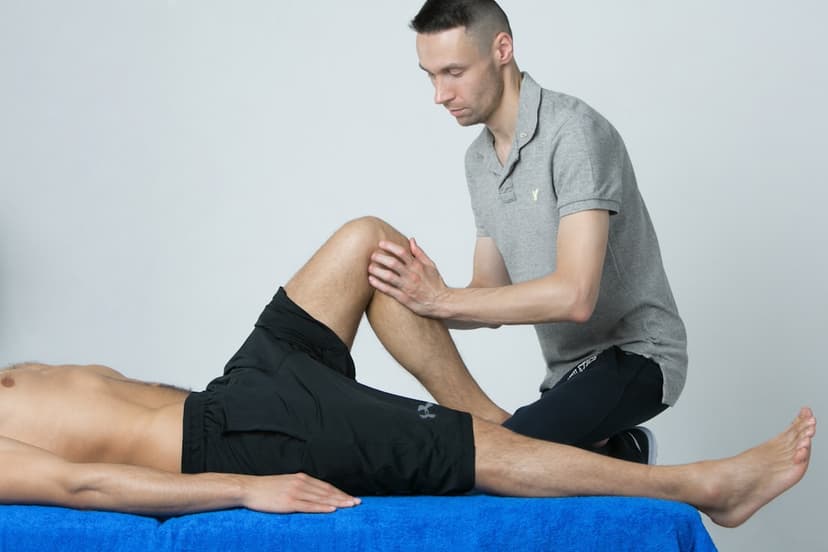
Why Joint Pain Can Happen After Exercising
Joint pain after exercising is commonly caused by doing more than your joints and supporting muscles are ready for, or by irritation from impact, form, or old injuries. It is often manageable with smart training changes, but persistent swelling, instability, or pain that worsens should be checked by a healthcare professional.

Morning joint stiffness: what it can mean
Morning joint stiffness is commonly caused by being still overnight, especially as we age or after a hard day of activity. If stiffness lasts a long time, comes with swelling or warmth, or keeps returning, it can be a sign of inflammation or arthritis and is worth discussing with a healthcare professional.
Stanford Rheumatologist’s 8-Week Joint Plan
If you have joint pain, it can feel like your body is betraying you, and that nothing you do matters. This article follows Stanford rheumatologist and immunologist Dr. Tamiko Katsumoto’s perspective: arthritis is often tied to whole-body inflammation, and modern food environments can keep the immune system “turned on.” She highlights research, including the Dutch “Plants for Joints” randomized trial, where a whole-food, plant-forward lifestyle program improved symptoms by 8 weeks and, for some people, supported medication reduction over time under medical supervision. You will also get a practical plate framework, trigger-food tracking, and safety notes for working with your clinician.

Fix Menopause Joint Pain Naturally With Movement, Food
Joint pain in perimenopause and menopause is often framed as “just aging,” but this video’s core message is the opposite: moving less can make joints feel worse. The perspective links falling estrogen to lower collagen, shifting body composition (less muscle, more fat), higher inflammation, and even gut permeability that may amplify immune-driven aches. The practical plan centers on strength training plus mobility, anti-inflammatory eating (especially reducing ultra-processed foods, sugar, and gluten), and targeted supplements like omega-3s and collagen with vitamin C. It also discusses regenerative options like PRP as a later step with medical guidance.

What It Means When Your Joints Crack or Pop
Joint cracking (also called crepitus) is often harmless, especially when it is painless and not accompanied by swelling or loss of function. It can come from normal gas bubble changes in joint fluid or from tendons and ligaments moving over bony areas. If cracking comes with pain, swelling, warmth, or a new injury, it is worth getting checked by a healthcare professional.

Frozen Shoulder: What It Means and How to Move Again
Frozen shoulder, also called adhesive capsulitis, is not about cold. It is a stiff, painful shoulder caused by a tightening capsule around the joint. The video’s core message is simple and no-nonsense: keep the shoulder moving, even when it hurts, because movement is the hallmark of recovery. Symptoms usually build slowly over months, often with night pain, and the full course can last 12 to 24 months. Care often starts with an exam, then focuses on pain control, physiotherapy, and at-home motion. Some people may also consider steroid injections, hydrodilation, or (in select cases) manipulation under anesthesia.
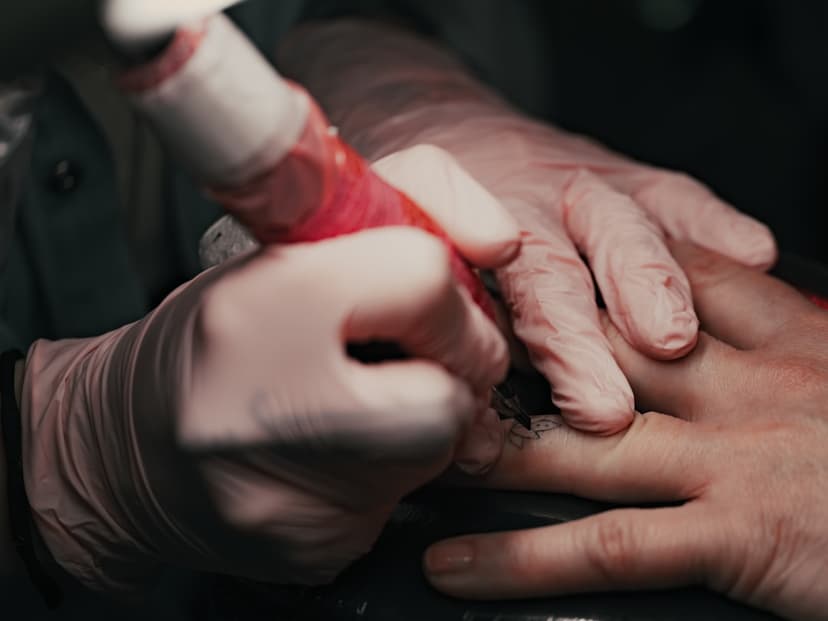
Swollen hands: what it can mean and what to do
Swollen hands usually mean extra fluid in the tissues, inflammation in joints or tendons, or a reaction to something like heat, salt, or a medication. Many causes are temporary, but swelling that is sudden, one-sided, painful, or paired with shortness of breath or fever should be checked urgently.

Why Am I Getting Frequent Muscle Cramps?
Frequent muscle cramps are most often related to muscle fatigue, dehydration, or shifts in electrolytes like sodium, potassium, magnesium, or calcium. They can also be triggered by certain medications, nerve irritation, or underlying health conditions, especially if cramps are new, severe, or happening at rest.
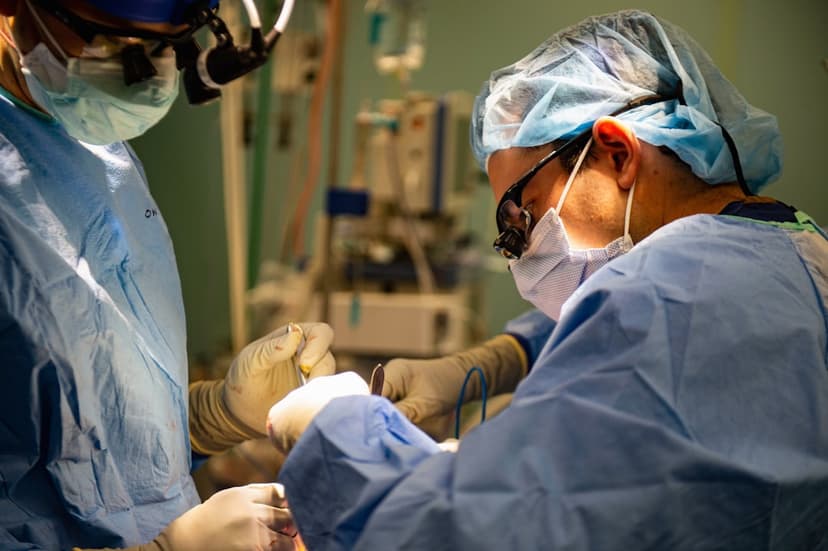
5 Real Goals of Knee Replacement, Explained Clearly
Knee replacement is not a magic reset to the knee you had decades ago. The core goal is pain relief, not necessarily zero pain, and that single expectation can shape satisfaction. This article unpacks five practical goals discussed by orthopedic surgeons: reducing arthritis pain, achieving usable range of motion, improving leg alignment, restoring stability and function, and improving quality of life. You will also learn why pre-surgery flexibility predicts post-surgery bend, why alignment affects implant wear like tire tread, and why weight loss is not a reliable outcome. Use these goals to guide a realistic conversation with your clinician.

Understanding Diet's Role in Chronic Inflammation
If your knee, hip, or hands flare after certain meals, the pattern may be real. In this Talking with Docs episode, two physicians focus on six food categories that can raise measurable blood markers of inflammation, especially C reactive protein, and potentially worsen joint pain during flares. They are not arguing for perfection or banning foods forever. Instead, they frame diet as a short-term lever you can pull when arthritis, injury, or autoimmune inflammation is active. This article breaks down their list, the likely mechanisms, and a practical, step-by-step way to test your personal triggers.

Reduce Inflammation Naturally with These Foods
Inflammation is not always the enemy, the clinicians emphasize that acute inflammation helps you heal, but chronic inflammation can linger like an overstaying houseguest. Their upbeat, practical message is that some foods are not just “allowed”, they may actively support a calmer inflammatory state, which matters for joint pain and everyday stiffness. They walk through ten favorites: fatty fish, berries, turmeric paired with black pepper, extra virgin olive oil, green tea or matcha, leafy greens, tomatoes, nuts, garlic, and avocados. Along the way, they add useful nuance: heavy metals in fish are worth understanding, but moderation matters, nightshades are not automatically inflammatory though some people do not tolerate them, and very high-dose omega-3 supplements may carry risks that whole foods usually do not. The overall puzzle they are trying to solve is how to make anti-inflammatory eating feel doable, enjoyable, and consistent.