Fix Menopause Joint Pain Naturally With Movement, Food

Summary
Joint pain in perimenopause and menopause is often framed as “just aging,” but this video’s core message is the opposite: moving less can make joints feel worse. The perspective links falling estrogen to lower collagen, shifting body composition (less muscle, more fat), higher inflammation, and even gut permeability that may amplify immune-driven aches. The practical plan centers on strength training plus mobility, anti-inflammatory eating (especially reducing ultra-processed foods, sugar, and gluten), and targeted supplements like omega-3s and collagen with vitamin C. It also discusses regenerative options like PRP as a later step with medical guidance.
🎯 Key Takeaways
- ✓Mobility is medicine, moving less can increase stiffness and reduce joint lubrication over time.
- ✓During menopause, estrogen decline is framed as a key driver of lower collagen synthesis and higher inflammation, a double hit for joints.
- ✓Body composition matters more than scale weight, more muscle can protect joints, while visceral fat tends to promote inflammation.
- ✓Food can change joint symptoms quickly for some people, especially when gluten, sugar, and ultra-processed fats are reduced.
- ✓A gut-first lens is central here, leaky gut and immune activation are presented as potential amplifiers of joint pain.
- ✓Foundational tools (movement, nutrition, sleep, supplements) come before “last resort” surgery, with regenerative therapies as a possible bridge.
Joint pain can feel like a cruel menopause “bonus.”
In this video’s framing, it is also often misunderstood, and the common advice to “rest more and move less” may backfire.
The approach here is energetic and action-oriented: treat joint health as something you can influence through movement, body composition, inflammation control, and even gut support. The goal is not to push through pain blindly, it is to rebuild resilience so you can move, sleep, and live better.
Did you know? The video highlights a striking claim: women may lose up to 70% of collagen in the first 5 years post-menopause. That is presented as one reason connective tissue and joint cushioning can change quickly in midlife.
Joint pain in menopause is not “just aging”
A central point in the discussion is simple: you are not broken, and you are not “crazy” for noticing new aches.
The video ties joint pain to the broader menopause experience, not as an isolated knee or shoulder problem. When joints hurt, mobility often drops. When mobility drops, mood and metabolism can suffer too. That spiral matters.
The speaker shares a story from her wellness center days about a client with frozen shoulder, later framed as a possible sign of perimenopause. The bigger takeaway is not that every ache equals menopause, it is that midlife joint symptoms deserve a wider lens than “wear and tear.”
What’s interesting about this perspective is how it links seemingly unrelated clues. Even bleeding gums were framed as a possible low estrogen sign in the speaker’s own story, alongside poorer workout recovery and achy joints. The message is not to self-diagnose, it is to notice patterns and bring them to a clinician if needed.
Pain is not just pain in this model. It is a signal that collagen, inflammation, stress hormones, sleep, training load, and nutrition may be colliding.
Important: New, severe, or one-sided joint pain, joint swelling, fever, redness, sudden weakness, or unexplained weight loss should be evaluated promptly. Menopause can overlap with other conditions, and it is worth ruling out inflammatory arthritis, infection, or injury with a licensed clinician.
3 myths that keep women stuck in pain
This section is built around myth-busting, because the video argues that well-meaning advice often nudges women in the wrong direction.
Myth 1: “Move less to protect your joints”
Mobility is medicine.
The core claim is that movement helps lubricate joints and stimulate repair, while too much sitting tends to increase stiffness. The speaker uses a vivid example: long car rides leading to that “everything hurts” feeling when you finally stand up.
This does not mean you should push into sharp pain or ignore injuries. It means the default plan should not be avoidance. In many cases, the path forward is smarter movement, not less movement.
Myth 2: “Diet doesn’t affect joint pain”
The video’s stance is that a high-inflammation diet can worsen joint symptoms.
The biggest offenders mentioned are ultra-processed foods, sugar, gluten, and “bad fats” (especially omega-6 heavy industrial seed oils in processed foods). The speaker also references the idea of a dietary inflammatory index as a way to think about how foods trend inflammatory or anti-inflammatory.
A personal example is offered: accidental gluten exposure leading to stiff fingers the next morning. Another story describes a client with chronic Achilles tendinitis that improved after removing gluten.
Research broadly supports the idea that dietary patterns influence inflammation markers, and higher ultra-processed food intake is associated with worse health outcomes in many populations. For joint-specific concerns, the strongest evidence base is often around overall anti-inflammatory patterns (such as Mediterranean-style eating) rather than one single food for everyone. Still, the video’s practical point stands: food experiments can be informative when done carefully.
Myth 3: “The only options are surgery or pain meds”
The discussion emphasizes a wide middle ground: movement strategy, nutrition, supplements, and regenerative approaches.
Surgery is framed as a last resort, not because it is “bad,” but because techniques improve over time and you may be able to delay it by improving strength, mobility, and inflammation. The speaker shares a personal story of delaying knee replacement for decades through strengthening, body composition management, and later adding therapies as they became available.
This is a motivational framing, not a guarantee. Some people do need earlier surgical care. The key is to avoid assuming surgery or long-term medication is the only path.
What’s happening in your body during menopause
The video’s model centers on a few interlocking mechanisms.
First, estrogen declines, and the claim is that collagen synthesis declines with it. Collagen is a major structural protein in connective tissues. When collagen support drops, joint cushioning and tissue tolerance may change.
Second, body composition often shifts if you do not actively counter it. The discussion highlights that estrogen is anabolic, meaning it supports building and maintaining muscle. With estrogen and testosterone trending down, women may lose muscle and gain fat even if scale weight barely changes.
That shift matters for two reasons:
Third, stress and sleep are not side issues here. Falling estrogen and progesterone are linked in the discussion to rising cortisol. Higher cortisol can worsen sleep. Poor sleep can worsen pain sensitivity and inflammation, and it can reduce activity, which then reduces joint lubrication and strength.
Fourth, the gut is treated as a major driver. The video suggests that stress, poor sleep, and diet can contribute to leaky gut (increased intestinal permeability) and dysbiosis. The immune system sits just below the gut lining, so if more antigens cross the barrier, immune activation may rise, and joint pain may increase.
Trusted sources describe intestinal permeability and its relationship with immune activation as an active research area rather than a simple one-size-fits-all diagnosis. Still, the gut-joint axis is biologically plausible, and it aligns with what many clinicians consider when evaluating inflammatory symptoms. For background on menopause-related symptoms and body changes, see the North American Menopause SocietyTrusted Source.
Movement as medicine, the joint-friendly training approach
This is the heart of the video.
The message is not “work out harder.” It is “move in ways that rebuild capacity,” especially through strength training, mobility work, and low-impact cardio.
Strength training, but do it with the joint in mind
Strength training is positioned as the cornerstone because stronger muscles reduce stress on joints.
If you have pain or an injury history, the video strongly encourages working with a qualified physical therapist or trained coach. The reason is practical: many people unconsciously favor the painful side, which can create imbalances and make problems worse.
A specific example is shared from the speaker’s knee history. After meniscus removal and missing ACL stability, the strategy was to strengthen the hamstrings and the muscles around the knee (including the vastus group) using closed-chain work and small ranges of motion to build stability without aggravating the joint.
Pro Tip: If one joint hurts, film a few reps of a basic movement (like a squat to a chair) from the front and side. If you see shifting, collapsing inward, or obvious favoring, bring that video to a PT or coach so you can correct it early.
Mobility work and soft tissue support
Mobility is not treated as optional.
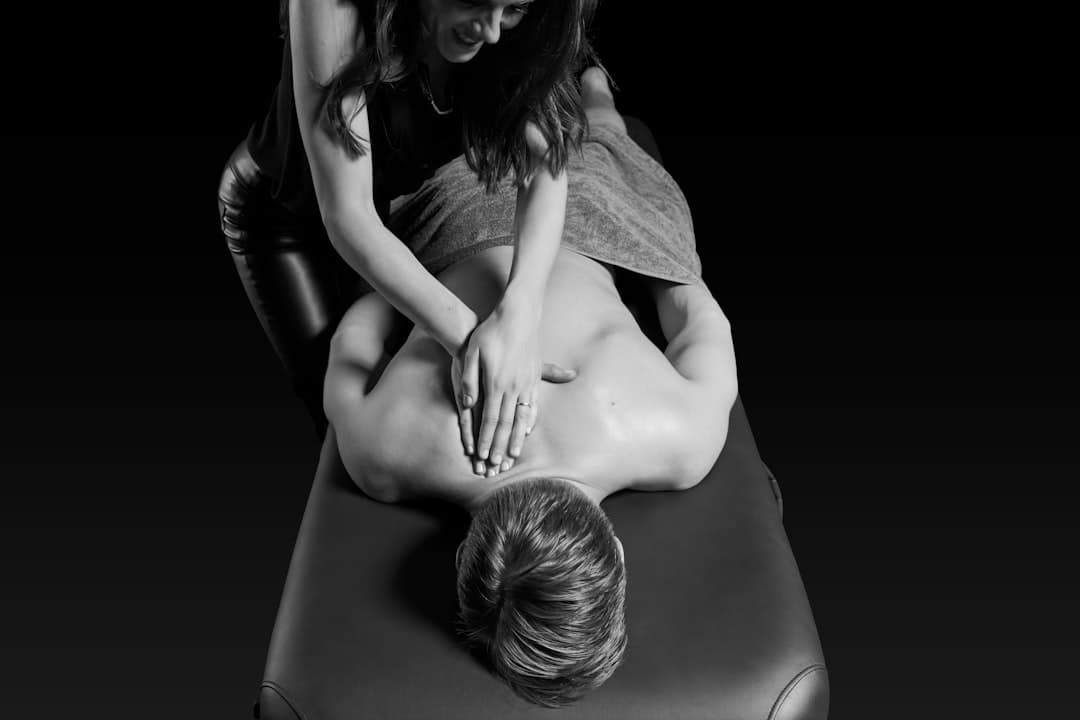
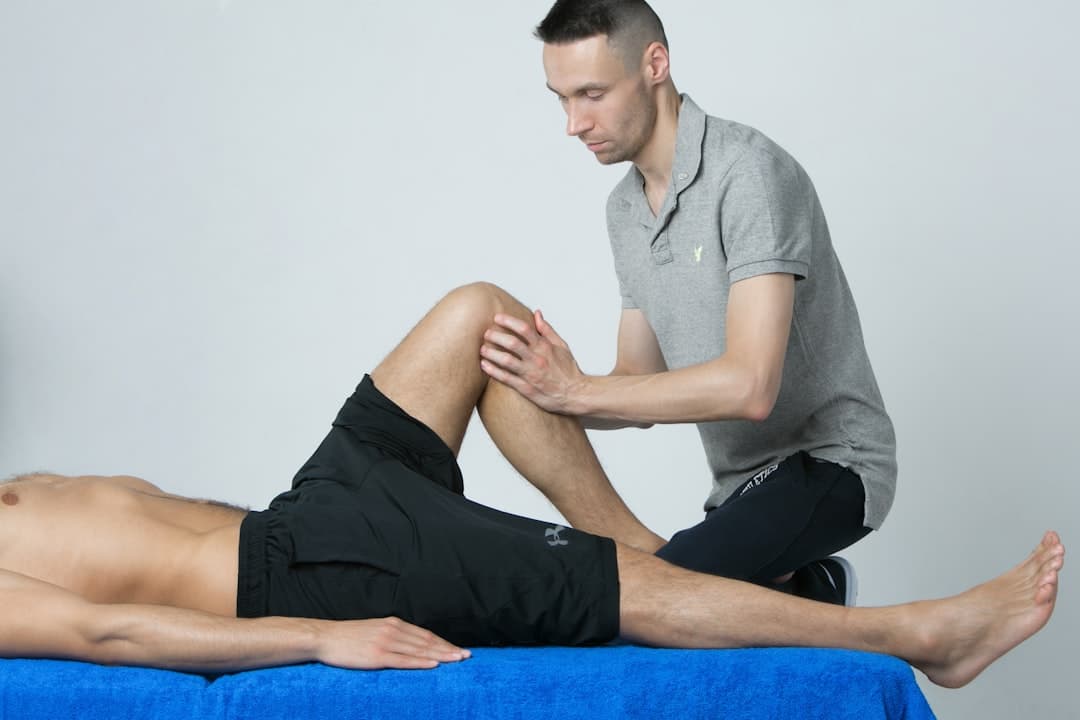
The discussion highlights fascia and soft tissue work, including foam rolling and hands-on approaches like soft tissue therapy or chiropractic techniques focused on mobility. The point is not that everyone needs aggressive treatment, it is that stiff tissue can change movement patterns, which can change joint loading.
The speaker mentions using tools like a Power Plate (vibration platform) plus TRX assisted squats and single-leg work to combine mobility, stability, and circulation.
Low-impact cardio and “keep moving” habits
The video favors low-impact options that improve circulation without excessive wear.
A nuanced point is included: water workouts can be great, but the speaker does not like them as the only workout because gravity and loading support bone health.
What the research shows: Regular physical activity is associated with improved pain and function in osteoarthritis, and guidelines commonly recommend exercise as a first-line strategy. For an overview of OA management principles, see the American College of Rheumatology guidanceTrusted Source.
Nutrition that lowers inflammation and supports joints
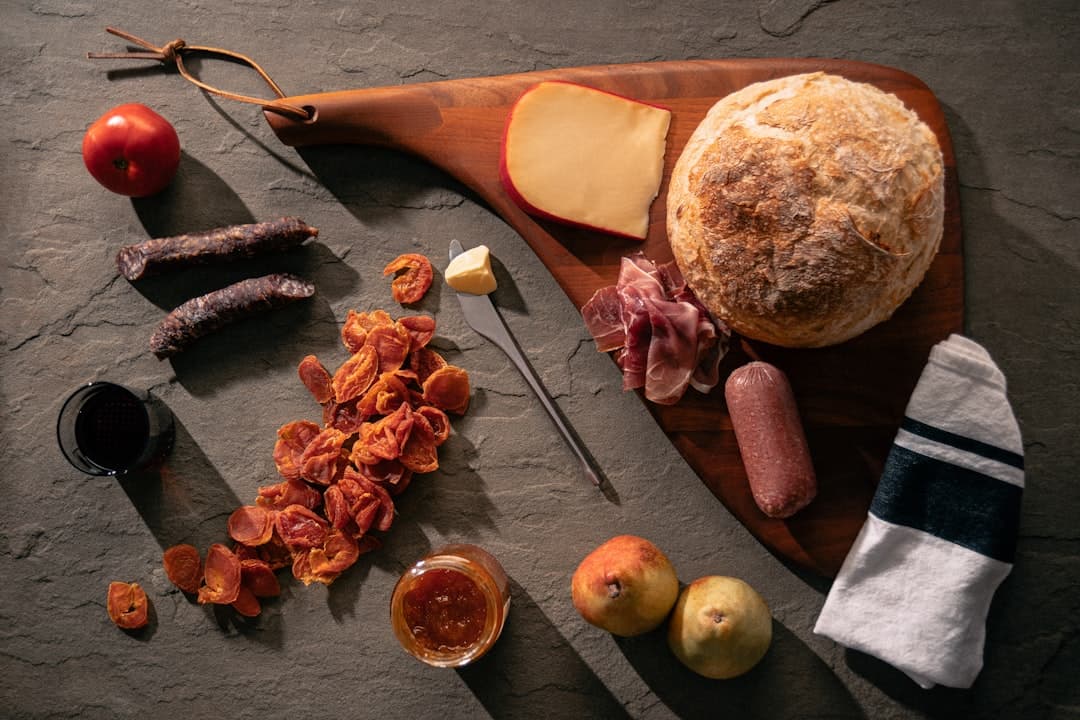
The nutrition angle is practical and blunt: a low-inflammation diet can support a low-pain life.
That does not mean food replaces medical care. It means food can be a daily lever that either adds to the inflammatory load or reduces it.
Here is the nutrition framework emphasized in the video.
One detail that stands out is the focus on low sugar impact, not just “eat less.” The speaker specifically calls out fructose sources like agave, fruit juice, and high fructose corn syrup as potential gut irritants in this model.
For general, evidence-based nutrition patterns that support inflammation control and cardiometabolic health in midlife, a Mediterranean-style pattern is often recommended by major health organizations. For example, the American Heart AssociationTrusted Source discusses this approach.
The gut-joint connection, why elimination can be revealing
The gut lens is not a side note in this video. It is a central explanation for why joint symptoms can flare in menopause.
The argument goes like this: stress and sleep disruption can worsen gut permeability. Certain foods can worsen gut permeability too. Once the gut barrier is more permeable, immune activation can rise, and joint pain may increase.
A specific mechanism is mentioned: gluten triggering release of a protein that increases permeability, referred to in the video as “zulin” (commonly spelled zonulin). Zonulin is a real protein involved in tight junction regulation, although the clinical interpretation of zonulin testing and “leaky gut” varies, and it is best discussed with a clinician.
The “Virgin Diet” style elimination, as described
The video recommends a structured elimination approach: remove common offenders for three weeks, then reintroduce foods one by one to see what changes.
The unique ordering in the discussion is important:
First, remove foods thought to make the gut leakier, especially gluten and sugar (with emphasis on fructose sources).
Then, once permeability is an issue, foods that may be bigger “immune offenders” for some people include dairy, soy, eggs, corn, and peanuts.
The speaker shares examples of people who reported improvements in osteoarthritis symptoms and even autoimmune-related joint pain after this process. Those are anecdotes, not guarantees, but they illustrate the video’s core claim: sometimes joint pain is an inflammation and immune story, not just a cartilage story.
»MORE: If you try an elimination diet, consider keeping a simple symptom log for 3 weeks, tracking morning stiffness (0 to 10), steps per day, sleep hours, and which foods you reintroduced. Bring the log to your clinician or dietitian for interpretation.
Supplements highlighted in the video (with practical dosing)
Supplements are presented as a layer, not the foundation.
The hierarchy described is: move more and move better, reduce inflammatory foods and gut triggers, then add targeted supplements. If you take medications (especially blood thinners) or have surgery scheduled, check supplement safety with your clinician.
Below are the specific supplements and details emphasized.
1) Omega-3 fish oil
Fish oil is described as “foundational.”
The dosing guidance in the video is 1 to 2 grams per day, depending on how much fish you eat. The speaker notes she eats fish multiple times per week and takes 1 to 2 grams daily.
A key mechanism mentioned is conversion to “resolins” (commonly called resolvins), lipid mediators involved in resolution of inflammation.
For safety and dosing considerations, including interactions and side effects, see the NIH Office of Dietary Supplements page on Omega-3 Fatty AcidsTrusted Source.
2) Collagen peptides, ideally with vitamin C
Collagen is presented as a two-for-one: joint support plus gut support.
The dosing range mentioned from studies is 5 g to 20 g daily, with the speaker suggesting at least 5 g, and personally using 10 g per day.
Timing is a distinctive point: taking collagen before exercise is suggested, based on the idea that increased blood flow may help deliver amino acids to low-blood-flow tissues like cartilage and connective tissue.
Vitamin C is highlighted as a helpful pairing because it is involved in collagen synthesis. The NIH has an overview of Vitamin CTrusted Source, including upper limits and who should be cautious.
What the research shows: Some randomized trials suggest collagen peptides may modestly reduce joint pain and improve function in certain groups. Results vary by product type, dose, and population, and benefits are usually described as incremental rather than dramatic.
3) Curcumin (turmeric), ginger, and boswellia
The video emphasizes that food amounts may not reach therapeutic doses, so supplements are discussed.
For a balanced view of evidence and safety, including medication interactions, see NCCIH on TurmericTrusted Source and BoswelliaTrusted Source.
4) Eggshell membrane (Ovomet), plus joint blends
A unique highlight in the video is eggshell membrane, discussed as containing collagen, elastin, hyaluronic acid, chondroitin, and glucosamine.
The speaker describes using a joint product containing eggshell membrane along with boswellia, ginger, and curcumin, and noticing improvements in joint pain and walking tolerance over 1 to 2 weeks.
This is a personal report, not a promise. If you have an egg allergy, this is also an obvious caution to discuss with your clinician.
5) Bone broth and collagen for gut support
Bone broth is suggested as a practical tool to support gut lining and provide amino acids that may support connective tissue.
If you do not tolerate bone broth, collagen peptides are presented as a more convenient alternative.
Quick Tip: If collagen upsets your stomach, try splitting the dose, for example 5 g in the morning and 5 g later, and take it with water rather than a heavy meal.
Regenerative and “next step” options to discuss with a clinician
The video’s stance is not anti-medicine. It is “use the least invasive tools first, and keep surgery as a last resort when possible.”
PRP (platelet-rich plasma)
PRP is described as using your own blood to trigger repair. Blood is drawn, spun to concentrate platelets, then injected into the injured area, ideally with guidance to target the correct tissue.
A vivid detail is included: PRP can hurt a lot during the acute post-injection period. The speaker describes being surprised by the pain after an elbow PRP injection and struggling through a scheduled podcast afterward.
PRP is not appropriate for every condition, and evidence varies by joint and injury type. If you are considering it, discuss realistic outcomes, cost, and the clinician’s experience.
For background on orthobiologics, including PRP, see the American Academy of Orthopaedic Surgeons overviewTrusted Source.
Stem cell therapies and other interventions
Stem cells are mentioned as something the speaker explored over time for joint issues.
Because the stem cell therapy marketplace includes offerings with varying evidence and regulatory status, it is especially important to consult a qualified specialist and verify what is being offered. The FDA has cautionsTrusted Source about unapproved regenerative medicine products.
Surgery as a last resort, not a failure
The video’s tone is empowering: delaying surgery can sometimes give you time to benefit from better techniques.
At the same time, surgery can be the right choice. If pain limits your life, you cannot sleep, or function is deteriorating, it is reasonable to ask for an orthopedic evaluation.
How to build your 30-day joint pain reset plan
This is a practical way to apply the video’s hierarchy without trying to change everything at once.
You are aiming for momentum, not perfection.
Step-by-step plan
Start with movement you can repeat daily. Pick walking, cycling, or pool work, and commit to consistency. The point is lubrication, circulation, and confidence, not exhaustion.
Add strength training twice per week. The video’s baseline target is lifting heavy at least 2 times weekly, ideally with professional guidance if you have pain. Focus on joint-friendly patterns and balanced strength, not “pushing through.”
Layer in mobility and recovery. Foam rolling, mobility work, and gentle yoga are framed as joint protectors. Heat (hot yoga or sauna) can help tissues move better, and cold plunge is mentioned as a tool some people use for inflammation control.
Run a 3-week food experiment. Remove ultra-processed foods, reduce sugar, and consider a gluten-free trial. If you want to go deeper, use the three-week elimination approach and reintroduce foods one at a time while tracking symptoms.
Choose a small supplement stack and reassess. The video’s “if I had to choose” list is: fish oil (1 to 2 g/day), collagen (5 to 10 g/day) with vitamin C, then a joint blend featuring curcumin, ginger, boswellia, and possibly eggshell membrane. Review supplement interactions with your clinician.
A simple tracking approach can make this less confusing.
Small improvements add up.
Standalone statistic: The video claims collagen loss can be rapid after menopause, up to 70% in the first 5 post-menopausal years, which is one reason early action may matter.
Expert Q&A: Practical clinical questions
Q: If my joints hurt during menopause, should I stop strength training?
A: Not automatically. Many people do best with modified strength training that reduces joint irritation while building muscle support around the joint. A physical therapist can help you adjust range of motion, load, tempo, and exercise selection so you keep the benefits without repeatedly aggravating tissues.
If you have swelling, instability, locking, or pain that escalates quickly, it is worth getting evaluated first. Sometimes the safest plan is a short period of targeted rehab, then a gradual return to heavier training.
Dr. Maya Reynolds, MD, Sports Medicine Physician
Q: How do I know if food is contributing to my joint pain?
A: The most practical way is a structured trial, not guessing. A 2 to 3 week elimination of common triggers (often ultra-processed foods, added sugars, and sometimes gluten) followed by careful reintroduction can reveal patterns, especially if you track morning stiffness and function.
If you have a history of eating disorders, unintended weight loss, or complex medical conditions, do this with a registered dietitian. And if you develop swelling, rashes, fevers, or severe fatigue, talk with your clinician because that can signal inflammatory disease that needs medical care.
Dr. Elena Park, MD, Internal Medicine
Key Takeaways
Frequently Asked Questions
- Why do my joints suddenly hurt during perimenopause or menopause?
- Hormone changes may affect collagen, inflammation, sleep, and body composition, all of which can influence joint comfort and recovery. New or worsening pain should still be discussed with a clinician to rule out injury or inflammatory disease.
- Is walking enough if I have menopause-related joint pain?
- Walking can help circulation and joint lubrication, and it is a good daily baseline. The video emphasizes adding strength training (often twice weekly) and mobility work to better support joints long term.
- How long should I try removing gluten or sugar to see if it helps joint pain?
- The video suggests a three-week elimination period before reintroducing foods one at a time while tracking symptoms. If you have medical conditions or a complex diet history, consider doing this with a registered dietitian.
- What collagen dose is suggested for joint support in the video?
- The video references studies using about 5 to 20 grams per day, and recommends at least 5 grams daily, with 10 grams as a practical target. It also suggests taking collagen before exercise and pairing it with vitamin C.
- Are omega-3 supplements helpful for joint pain?
- Omega-3s may support inflammation resolution, and the video suggests 1 to 2 grams per day depending on fish intake. Because omega-3s can interact with some medications, check with your clinician before starting.
- What is PRP and when might it be considered?
- PRP (platelet-rich plasma) uses a concentration of your own platelets injected into a targeted area with the goal of supporting tissue repair. It is typically considered after foundational steps like rehab and lifestyle changes, and should be discussed with a qualified clinician.
Get Evidence-Based Health Tips
Join readers getting weekly insights on health, nutrition, and wellness. No spam, ever.
No spam. Unsubscribe anytime.