What Your Breath Reveals About Gums and Health
Summary
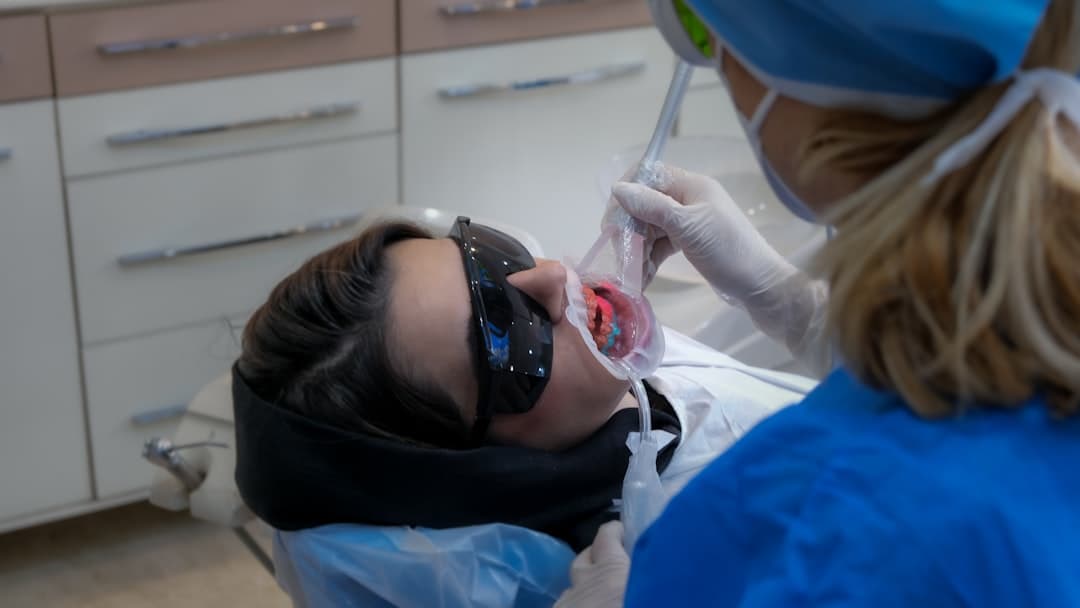
Bad breath is often treated like a quick freshness problem, but this video frames it as a health clue. The most common cause is bacterial buildup from inconsistent brushing and flossing, and when plaque hardens into tartar, home care cannot remove it. That can set the stage for gum disease and stubborn odor. The bigger point is connection: inflamed gums and oral bacteria may relate to broader health risks, so persistent halitosis is a reason to get a dental checkup and keep a consistent routine. If dental causes are ruled out, consider medical causes like reflux or post nasal drip with a clinician.
🎯 Key Takeaways
- ✓Most chronic bad breath starts with bacterial buildup, especially when brushing and flossing are inconsistent.
- ✓Plaque can harden into tartar within 24 to 48 hours, and tartar cannot be safely removed at home.
- ✓Persistent odor after good home care can be a sign of gum disease, which needs a dental exam and professional cleaning, sometimes deep cleaning.
- ✓This perspective emphasizes that gum inflammation is not only a mouth issue, oral health is connected to whole body health.
- ✓If your dentist finds no active gum disease and odor persists, medical causes like reflux, post nasal drip, tonsil stones, or GI issues may be worth discussing with your doctor.
Why bad breath matters more than social confidence
Bad breath is easy to dismiss as a lunch problem or a “need a mint” problem.
This framing treats it differently: your breath can be a clue. Not a diagnosis, not a guarantee of disease, but a signal worth interpreting.
What makes this perspective useful is how it turns a common, embarrassing puzzle into a step by step investigation. Instead of trying random mouthwashes and hoping for the best, it starts with the most likely source, the mouth, then asks a bigger question: if the mouth is inflamed, what else might be affected?
Did you know? Halitosis (bad breath) is often linked to oral causes, especially tongue coating and gum disease, rather than the stomach. Dental and medical groups commonly recommend starting with a dental evaluation when breath odor is persistent or unexplained. For background, see the American Dental Association overview on bad breathTrusted Source.
The most common culprit, bacteria, plaque, and routine gaps
The core idea is straightforward: most bad breath comes from bacterial buildup in the mouth when brushing and flossing are not consistent or not effective.
That matters because “I brush” is not the same as “I remove the biofilm daily.” Biofilm is the sticky layer where bacteria thrive. When it sits, bacteria break down proteins and release foul smelling compounds.
A trade off shows up here. Quick fixes like strong mouthwash can temporarily mask odor, but they do not necessarily address the source if plaque and debris are still sitting between teeth or along the gumline. On the other hand, a consistent routine takes more effort, but it targets the cause.
The tongue is not optional
A lot of odor causing bacteria live on the tongue, not just on teeth.
This is why tongue cleaning is highlighted as a practical upgrade. A toothbrush can help, but many people find a tongue scraper more efficient because it physically removes coating in a single direction rather than just spreading it around.
Pro Tip: If you use a tongue scraper, try doing it after brushing, gently scraping from back to front a few times, then rinsing. If you gag easily, start closer to the middle of the tongue and work back gradually.
Daily home care basics, with the “why” attached
A routine is easier to stick with when you know what each step is doing.
Short version: fresh breath usually requires daily disruption of bacteria, not occasional “freshening.”
When plaque turns into tartar, why home care hits a wall
One of the most distinctive points in the video is the timeline: plaque can harden into tartar in 24 to 48 hours.
That is a wake up call because it reframes “skipping one night” as more than a minor slip. If plaque mineralizes, it becomes tartar (also called calculus), and tartar is not something you can brush away.
Here is the practical trade off. Home care is powerful for prevention and control, but it has a hard limit: brushing and flossing remove plaque and biofilm, not tartar. Once tartar forms, it creates a rough surface that makes future plaque stick more easily, which can keep the cycle going.
Why a professional cleaning is not just a polish
A dental cleaning is described as the step that “scales off” tartar.
This is especially important when tartar is below the gumline, because that can be associated with gum disease and deeper pockets where bacteria can thrive out of sight. Attempting to scrape tartar at home is risky, you can damage enamel or gums, and you can miss the areas that matter most.
A useful way to think about it is division of labor:
Sometimes, if gum disease is present, a person may be advised to get a more intensive cleaning (often called scaling and root planing, or “deep cleaning”). That is not something everyone needs, but it is part of the “don’t ignore persistent symptoms” message.
Important: If you have ongoing bad breath despite a solid routine, or you notice bleeding gums, gum tenderness, loose teeth, or gums pulling away from teeth, it is a strong reason to schedule a dental exam. Those signs can have multiple causes, and only an in person evaluation can sort them out.
The bigger connection, gum inflammation and whole body health
The video’s unique perspective is not just “clean your mouth.” It is “your gums are connected to your entire body.”
That connection is often discussed in terms of inflammation. With gum disease, gums can stay inflamed and the immune system stays activated. Chronic inflammation is not limited to one location, and researchers have explored how periodontal disease relates to cardiovascular disease, diabetes, and other conditions.
This does not mean bad breath causes heart disease. It does mean that persistent oral inflammation can be one piece of a larger health picture.
Heart and blood vessel discussions, what is known and what is still being studied
The discussion highlights a pathway people can understand: oral bacteria and inflammatory molecules may enter the bloodstream through inflamed gum tissue, potentially contributing to processes involved in atherosclerosis.
Major health organizations describe an association between periodontal disease and heart disease risk, while also noting that a direct cause and effect relationship is complex. For a balanced overview, see the American Heart Association on gum disease and heart diseaseTrusted Source.
What the research shows: Periodontal disease has been associated with cardiovascular disease in many studies, but shared risk factors (like smoking, diabetes, and socioeconomic factors) may partly explain the link. Treating gum disease is still important for oral health, and it may have broader benefits, but it is not a substitute for managing blood pressure, cholesterol, or diabetes with your clinician.
Alzheimer’s and cognition, a headline that needs careful wording
A striking claim in the video is that gum disease bacteria have been found in the brains of people with Alzheimer’s disease.
Research has detected DNA and components of periodontal bacteria in brain tissue in some studies, and scientists are exploring whether chronic oral infection and inflammation could contribute to neuroinflammation. This is an active area of research, and it is best understood as a developing connection rather than a settled conclusion. For example, the NIH has discussed the broader concept that infection and inflammation may play roles in Alzheimer’s, see NIH on Alzheimer’s disease researchTrusted Source.
The practical takeaway stays the same: gum health deserves as much attention as cavities, because gums are living tissue that can stay inflamed quietly for years.
Diabetes, kidney disease, and the “two way street” idea
The video also points to links between gum disease and diabetes, kidney disease, and more.
The most established relationship here is with diabetes. Gum disease and diabetes can influence each other, with higher blood sugar making infections harder to control, and gum inflammation potentially making glucose management more difficult. For an accessible summary, see the CDC on diabetes and gum diseaseTrusted Source.
This perspective is empowering: if bad breath pushes you to treat gum disease and improve daily care, you may be supporting more than your smile.
A practical plan, start in the mouth, then widen the search
This approach is essentially a decision tree. Start where the odds are highest, then expand if needed.
It also compares two common paths people take, and why one works better.
The second path is less exciting, but it is usually more effective.
How to troubleshoot chronic bad breath, step by step
Schedule a dental checkup and cleaning, and be direct about the symptom. Tell the dental team you are dealing with persistent bad breath, even if it feels awkward. That helps them look closely for gum inflammation, tartar buildup, and areas that trap debris.
After the cleaning, commit to a daily routine that targets the usual hiding spots. Brush twice daily, clean between teeth at least once daily, and clean the tongue. The goal is to prevent plaque from sitting long enough to mineralize.
Reassess after a few weeks, then widen the search if needed. If the dentist does not see gum disease (or it is stable and being maintained) and you still smell or taste something foul, it is reasonable to talk with a primary care clinician or an ENT. The video specifically mentions throat and digestive contributors such as acid reflux, post nasal drip, tonsil stones, allergies, and GI issues.
»MORE: The video mentions a free oral care guide that compiles technique videos for brushing, flossing, tongue scraping, and water flossing. If you learn best by watching technique, a guide like that can make your routine more effective than simply buying new products.
Expert Q&A: “If I brush and floss, why do I still have bad breath?”
Q: I brush twice a day and floss most days. Why would bad breath stick around?
A: A common reason is that plaque is still being left behind in specific areas, often along the gumline, between back teeth, or on the tongue. Even a good routine can miss spots if technique, timing, or tools are not a good fit for your mouth.
Another possibility is tartar buildup or early gum disease, which you cannot fully evaluate at home. A dental exam can check for bleeding, pocketing, and calculus below the gumline, and a professional cleaning can remove deposits that keep bacteria thriving.
Dr. Maya Patel, DDS
Expert Q&A: “When should I stop assuming it’s dental and see my doctor?”
Q: My dentist says my gums look fine, but I still taste something bad. What next?
A: If a dental evaluation does not find an active oral cause, it is reasonable to look at non dental sources. Post nasal drip, chronic sinus issues, tonsil stones, and acid reflux can all create persistent odor, and they may need a different type of evaluation.
If you also have symptoms like chronic sore throat, frequent heartburn, trouble swallowing, unexplained weight loss, or blood in saliva, seek medical care promptly. Those symptoms do not automatically mean something serious, but they deserve timely assessment.
Dr. Jordan Lee, MD, Internal Medicine
Small choices that often make the biggest difference
These are not glamorous, but they are high yield.
Key Takeaways
Frequently Asked Questions
- How fast can plaque turn into tartar?
- The video highlights that plaque can harden into tartar in about 24 to 48 hours. Once tartar forms, it generally requires professional removal during a dental cleaning.
- Can brushing and flossing remove tartar?
- Brushing and flossing are designed to remove plaque and disrupt biofilm, but they do not remove tartar once it has mineralized. A dental professional can remove tartar using specialized instruments.
- Is bad breath a sign of gum disease?
- It can be, especially if the odor persists even after thorough brushing, flossing, and tongue cleaning. A dental exam is the best way to check for gum inflammation, tartar buildup, and other oral causes.
- What if my dentist says my gums are fine but I still have bad breath?
- If oral causes are ruled out, it may be worth discussing non dental causes with a clinician, such as acid reflux, post nasal drip, tonsil stones, allergies, or other GI or throat issues.
Get Evidence-Based Health Tips
Join readers getting weekly insights on health, nutrition, and wellness. No spam, ever.
No spam. Unsubscribe anytime.