Caffeine vs. Energy Drinks: Which Boosts Energy Better?
Summary
Caffeine from coffee or tea and caffeine from energy drinks can both improve alertness, but energy drinks add ingredients (and often sugar) that may increase side effects for some people. If you want a simpler, more predictable boost, plain caffeine is often easier to dose, while energy drinks may appeal when you want convenience, flavor, or carbonation. If you have heart rhythm issues, anxiety, are pregnant, or take stimulant medications, check with a healthcare provider before using either.
The quick take: what you are really choosing
Most of the “energy” you feel from an energy drink comes from caffeine, not a special blend.
The main decision is about everything that comes with the caffeine: sugar or sweeteners, acids and carbonation, other stimulants, and how easy it is to accidentally take more than you planned.
If your goal is steady alertness with fewer surprises, plain caffeine (coffee, tea, caffeine tablets, or caffeinated gum) is usually more straightforward. If your goal is a fast, convenient jolt and you tolerate the ingredients well, energy drinks can fit, but they tend to come with more variability.
How each one boosts energy in your body
Caffeine works by blocking adenosine, a chemical that builds up during the day and promotes sleepiness. When adenosine signals are muted, you often feel more awake, your reaction time can improve, and some people notice better focus and Working Memory.
Caffeine also interacts with stress hormones and your daily rhythm. Timing matters because your morning alertness is influenced by the Cortisol Awakening Response and overall Cortisol Rhythm. For some people, stacking caffeine on top of a naturally high morning cortisol surge feels great, for others it feels jittery.
Energy drinks typically use the same caffeine mechanism, but add ingredients such as taurine, B vitamins, herbal extracts, and sometimes additional stimulants. These extras do not reliably “create energy” in the way sleep and calories do, but they can change how the drink feels, especially if you are sensitive to stimulants.
Sugar is a major difference in many energy drinks. A high-sugar drink can briefly raise blood glucose and then contribute to Glucose Spikes and Dips, which may feel like a crash later, especially if you drink it on an empty stomach.
Side effects and safety: where energy drinks can be trickier
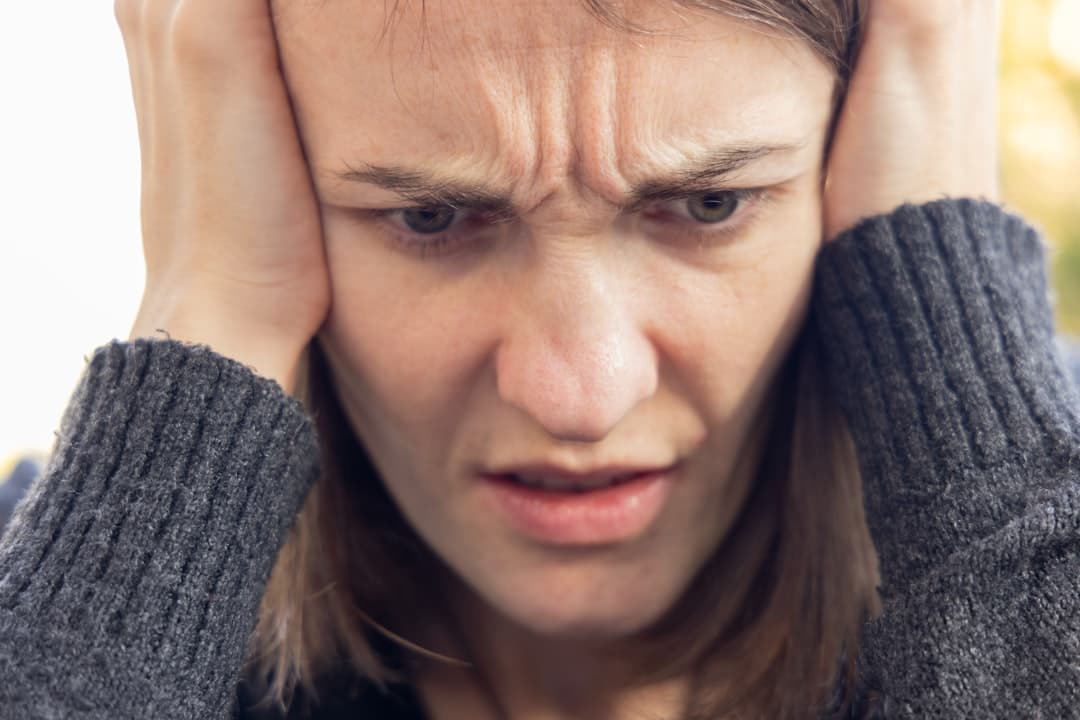
Caffeine can cause shakiness, anxiety, faster heart rate, reflux, and sleep disruption. Those effects are more likely with higher doses, when you are sleep-deprived, or when you combine caffeine with other stimulants.
Energy drinks can amplify the “too much” feeling for a few reasons. They may be consumed quickly, come in larger containers, contain multiple servings, or be mixed with alcohol or pre-workout products. Even when the label looks familiar, the total stimulant load is not always obvious.
Carbonation and acidity can be a problem for some people. If you are prone to reflux, nausea, or Gassiness, energy drinks may be more irritating than coffee or tea, even at similar caffeine levels.
Important: If you have a history of heart rhythm problems, uncontrolled high blood pressure, panic attacks, or you are pregnant or breastfeeding, talk with a healthcare provider before using energy drinks or high-dose caffeine. Many guidelines suggest limiting caffeine during pregnancy, and individual advice can vary based on your health and medications.
There is also a longer-term angle. Frequent high-sugar energy drinks can make it harder to manage weight, triglycerides, and insulin resistance, which are factors tied to Cardiometabolic Syndrome. That does not mean an occasional can causes disease, but it is a meaningful trade-off if you rely on them daily.
How to choose based on your situation
If you are deciding between coffee, tea, caffeine tablets, and energy drinks, think in terms of predictability, timing, and what your body tends to react to.
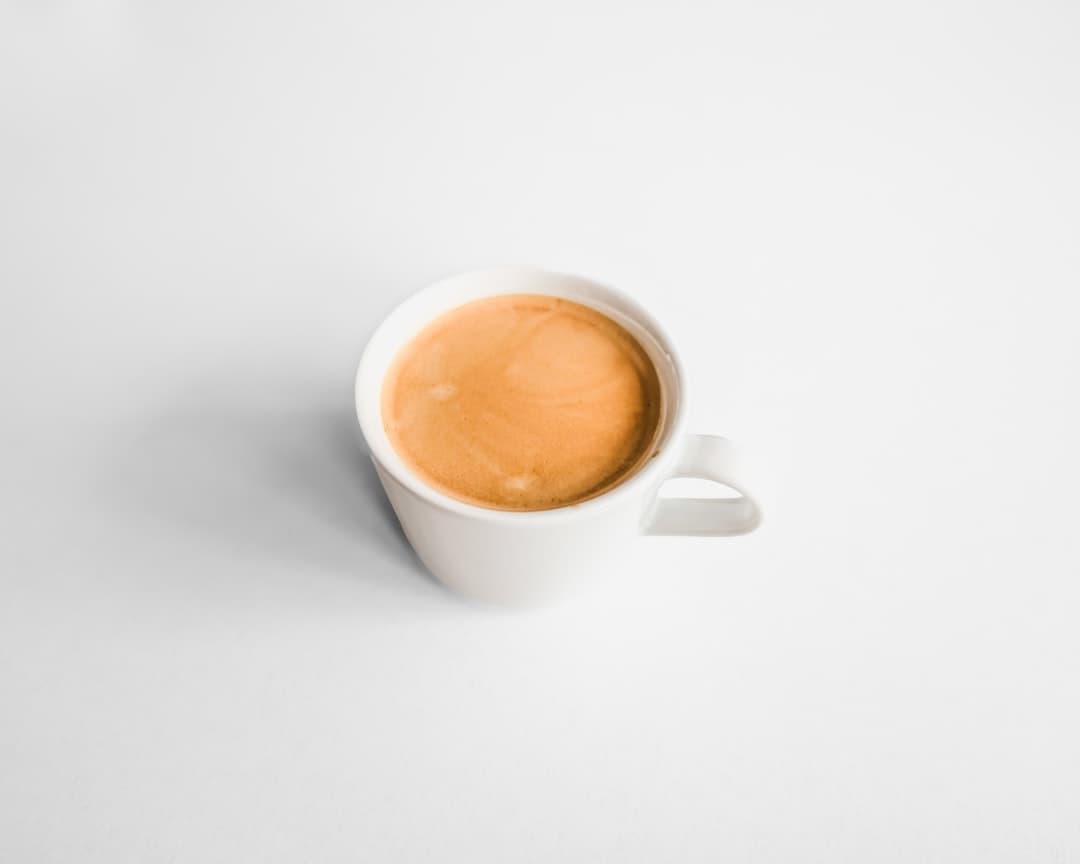
If you want the most controllable dose, plain caffeine is usually easier to manage. Coffee or tea lets you sip slowly, and caffeine tablets or gum can be more consistent than a large canned drink. This can matter if you are trying to avoid jitters while supporting focus and Cognitive Health.
If you crash after energy drinks, consider the sugar pattern and the context. Drinking a sweet energy drink alone can set you up for Glucose Spikes and Dips. Having it with a balanced snack (protein plus fiber) often feels smoother.
If you are using caffeine for workouts, match the choice to your stomach and your training style. Carbonation and acidity can feel rough during high-intensity training. For strength sessions, the “best” choice is often the one that does not upset your stomach and does not push you into shaky form, especially if you are doing higher-effort techniques like Lengthened Partial Reps.
If you are already anxious or not sleeping well, either option can backfire. Caffeine can worsen insomnia, and poor sleep then increases the urge to use more caffeine the next day. A clinician can help you sort out whether fatigue is from sleep debt, iron deficiency, thyroid issues, depression, medication effects, or another cause.
Practical ways to get the benefits with fewer downsides
Start with the smallest amount that noticeably helps, and avoid “topping up” out of habit.
A few strategies tend to make caffeine feel cleaner for many people.
Time it earlier than you think you need to. Caffeine can linger for hours, so afternoon use often shows up later as delayed sleep or lighter sleep. If you are experimenting, keep timing consistent for a week and watch what happens to sleep quality.
Avoid taking it on an empty stomach if you get jittery or nauseated. Pairing caffeine with food can blunt the sharpest edges. If you are using a protein shake, remember that different formats digest differently, and Protein Absorption can affect how steady you feel afterward.
Be careful with stacking. Coffee plus an energy drink plus a pre-workout plus certain cold medicines can unintentionally push you into side effects. If you take ADHD stimulants, decongestants, or thyroid medication, ask your pharmacist or clinician how caffeine fits.
Pro Tip: If you like energy drinks but want fewer crashes, try switching first to a smaller serving size or a lower-sugar version, and drink it slowly over 20 to 30 minutes. Many people find the “hit” feels similar, with fewer jitters.
If fatigue is persistent, new, or worsening, caffeine is not the fix. It can mask symptoms that deserve a proper evaluation.
Frequently Asked Questions
- Is caffeine from coffee different from caffeine in an energy drink?
- The caffeine molecule is the same, so the core alertness effect is similar. The difference is the package: energy drinks often include sugar, acids, carbonation, and other stimulants that can change how it feels and how your body tolerates it.
- Can energy drinks cause dehydration?
- Moderate caffeine intake is not strongly dehydrating for most regular users, but energy drinks can still be a poor hydration choice if they replace water, especially during heat or exercise. If you are sweating a lot, prioritize water and electrolytes as needed, and use caffeine as an add-on rather than your main fluid.
- Why do I feel tired after an energy drink?
- Some people experience a drop in energy when the stimulant effect fades, and a sugary drink can contribute to a rise and fall in blood glucose. Poor sleep, anxiety, or using caffeine to push through exhaustion can also set you up to feel worse later.
- Do B vitamins in energy drinks actually give you energy?
- B vitamins help your body process energy from food, but they do not act like a stimulant in the moment if you already have adequate levels. If you suspect a deficiency due to diet, gastrointestinal issues, or certain medications, a clinician can advise whether testing or supplementation makes sense.
Get Evidence-Based Health Tips
Join readers getting weekly insights on health, nutrition, and wellness. No spam, ever.
No spam. Unsubscribe anytime.