Energy & Fatigue
Energy & Fatigue explores the balance between vitality and exhaustion, examining causes of fatigue such as sleep disorders, nutritional deficiencies, and chronic conditions like Chronic Fatigue Syndrome (CFS). This niche covers a range of topics including the role of mitochondria in energy production, lifestyle modifications, dietary interventions, and medical treatments aimed at improving energy levels and managing fatigue-related symptoms.
Explore Topics
In-depth topics to explore in Energy & Fatigue.
Energy: Complete Guide
Energy is the body’s capacity to do work, from thinking and moving to repairing tissues and regulating hormones. This guide explains how energy is produced and spent, why it rises or crashes, and how to build stable, sustainable energy using nutrition, sleep, movement, and smart supplementation.
Fatigue: Complete Guide
Fatigue is more than “feeling sleepy.” It is a whole-body signal that your energy systems, brain, sleep, health, or workload may need adjustment. This guide explains how fatigue works, when it is helpful, when it is a warning sign, and the most practical, evidence-based ways to reduce it.
All Articles

Sourdough Starter Feeding for Steady Energy
If your sourdough starter feels unpredictable, it can make baking stressful and your meals inconsistent. In this video-based guide, Dr. Bill Schindler reframes starter care as controlled fermentation, not maximum bubbling. You will learn his practical 12-hour schedule, why he often keeps the mother culture on white flour, and why he prefers 80% hydration to slow fermentation. You will also get a simple weigh-based formula (200 g flour, 160 g water, 40 g seed) and what to do if your starter has been in the fridge for more than two weeks. The goal is dependable timing, less waste, and a starter that is active exactly when you need it.

What It Means to Feel Fatigued All the Time
Feeling fatigued all the time usually means your body is not recovering well, most often due to sleep problems, stress, low activity, diet issues, or an underlying health condition. If fatigue is new, worsening, or affecting daily life, it is worth checking in with a healthcare professional to look for treatable causes.

Caffeine vs. Energy Drinks: Which Boosts Energy Better?
Caffeine from coffee or tea and caffeine from energy drinks can both improve alertness, but energy drinks add ingredients (and often sugar) that may increase side effects for some people. If you want a simpler, more predictable boost, plain caffeine is often easier to dose, while energy drinks may appeal when you want convenience, flavor, or carbonation. If you have heart rhythm issues, anxiety, are pregnant, or take stimulant medications, check with a healthcare provider before using either.

Crashing Out vs Burnout, Why It Feels Worse, What Helps
Crashing out is not just “being tired.” In this video’s framing, it is the moment you are mentally or emotionally done, and it can show up as reckless choices, self-sabotage, or blowing up opportunities. The key insight is that crashing out often feels more painful than burnout because it is a sudden loss of control after long periods of overload, weak boundaries, and chronic stress. The practical focus is prevention before the spiral: reduce late-night information load, use boundaries as actions you control, take real breaks, challenge self-sabotage, and build support.
Mental Health, Diet, and Mitochondria: Palmer’s View
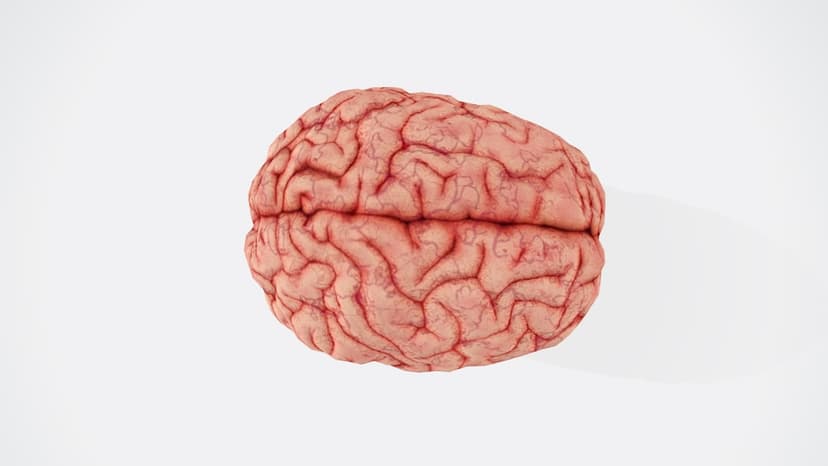
Most people still think mental health is mainly a “chemical imbalance” problem or a “talk therapy” problem. In this conversation, Dr. Chris Palmer reframes it as a **metabolic and mitochondrial** problem that can unify biology, psychology, and social stress. The core idea is simple: brain function is energy intensive, and mitochondria help run not only ATP production, but also neurotransmitter release, inflammation control, stress hormones, and gene expression. The episode explores what supports mitochondria (sleep, exercise, light, diet quality), why ketogenic diets can be therapeutic for some, and why nutrient deficiencies like iron and B12 can look like psychiatric illness.

Why You Get Tired After Eating (and What Helps)
Fatigue after eating is often caused by normal digestion plus a meal that is large, high in refined carbs, or paired with alcohol. If it happens frequently, is new, or comes with symptoms like dizziness, heart palpitations, or unintended weight loss, it is worth discussing with a healthcare provider.

What 2,000 Calories Looks Like in Real Meals
A “2,000 calorie day” sounds clear until you try to picture it on a plate. This article translates the video’s practical approach into real meals and portion cues you can use without a scale. You will see a sample day (oatmeal breakfast, palm sized chicken lunch, wrist to fingers fish dinner) and learn why people often underestimate intake by 20 to 30%. It also highlights the video’s biggest trap doors, like sauces, oils, nuts, and candy bars that pack lots of calories into small volumes, which can affect energy, fatigue, and weight goals.