Misophonia: Why Certain Sounds Trigger Rage or Panic
Summary
Most people assume sound sensitivity is just a pet peeve, or a personality quirk. This video’s core idea is different: misophonia is often an automatic threat response in the brain, not a choice. Trigger sounds like chewing, sniffing, or pen clicking can set off a full-body stress reaction because emotion and sound networks connect in a way that makes the signal feel urgent. The good news is that management is possible. Approaches like CBT-style reframing, sound masking (earplugs, white noise), controlled exposure, mindfulness, and emerging neuromodulation research may reduce distress over time.
🎯 Key Takeaways
- ✓Misophonia is framed here as a brain-based threat response, not “being dramatic” or simply disliking noise.
- ✓Brain imaging research highlights hyperactivity in emotion and body-sensation regions, including the anterior insular cortex, with alarm-like amygdala involvement.
- ✓Misophonia often overlaps with ADHD, OCD, and sensory processing differences, partly because filtering and regulation systems may be under strain.
- ✓Practical management can include CBT-style reframing, sound masking (white noise, noise-canceling headphones, earplugs), and stress regulation basics like sleep and regular meals.
- ✓Gradual, controlled exposure and mindfulness skills may help some people reduce reactivity, especially when paired with coping strategies.
- ✓Neuromodulation approaches like TMS and vagus nerve stimulation are intriguing but still emerging, access and evidence vary.
What most people get wrong about “sound sensitivity”
The common assumption is simple: if a sound bothers you, you should be able to ignore it.
This video pushes back hard on that idea. The framing is that misophonia is not primarily about being picky, fragile, or “too sensitive”, it is about how the brain tags certain sounds as urgent, threatening, and impossible to tune out.
That distinction matters, especially for productivity and focus. If your nervous system interprets chewing or pen clicking like an alarm, then your struggle is not a willpower problem. It is a regulation problem.
What’s also refreshing in this perspective is the emphasis on validation. The discussion highlights how brain-based evidence can reduce self-judgment, the internal “why can’t I just deal with this?” loop that often makes the experience worse.
Did you know? Research has suggested misophonia symptoms may be relatively common, and may exist on a spectrum. One study cited in the video (Oxford, 2021) reported that about one in five people have at least mild symptoms.
Misophonia in real life: more than annoyance
Misophonia literally translates to “hatred of sound.” But the lived experience described here is broader than dislike, it can be disgust, anger, anxiety, panic, and a full-body stress response.
Trigger sounds are often everyday, human noises. Chewing. Sniffing. Breathing. Lip smacking. Tapping. Pen clicking.
And the intensity can be startling.
For some people, it is mild irritation. For others, it is a sudden surge of rage, a racing heart, or an overwhelming urge to flee the room. The key insight is that the reaction can feel instantaneous, like the body reacts before the mind has time to explain what is happening.
What misophonia can look like at work or school
In a productivity context, misophonia often shows up as “I cannot think when that sound is happening.” That is not just annoyance, it is attentional capture.
A classroom example in the video is a repeated pen click. Many people can tune it out. A person with misophonia may find their attention magnetized to it, with rising irritation that feels out of proportion to the situation.
At home, the same mechanism can turn meals into stress events. The sound itself is small, but the reaction is big, and that mismatch can be confusing for everyone involved.
Important: If sound triggers lead to thoughts of harming yourself or others, or you feel unable to control impulses when overwhelmed, it is a sign to seek urgent professional support. A clinician can help you build safety and coping plans tailored to your situation.
A journey into the brain: why triggers feel like threats
The video’s “real reason” centers on brain wiring: certain sounds are not processed as neutral information, they are processed as emotionally loaded signals.
This is where the discussion becomes a discovery story. Earlier thinking treated misophonia as an extreme pet peeve. But brain imaging research shifted the conversation toward mechanisms.
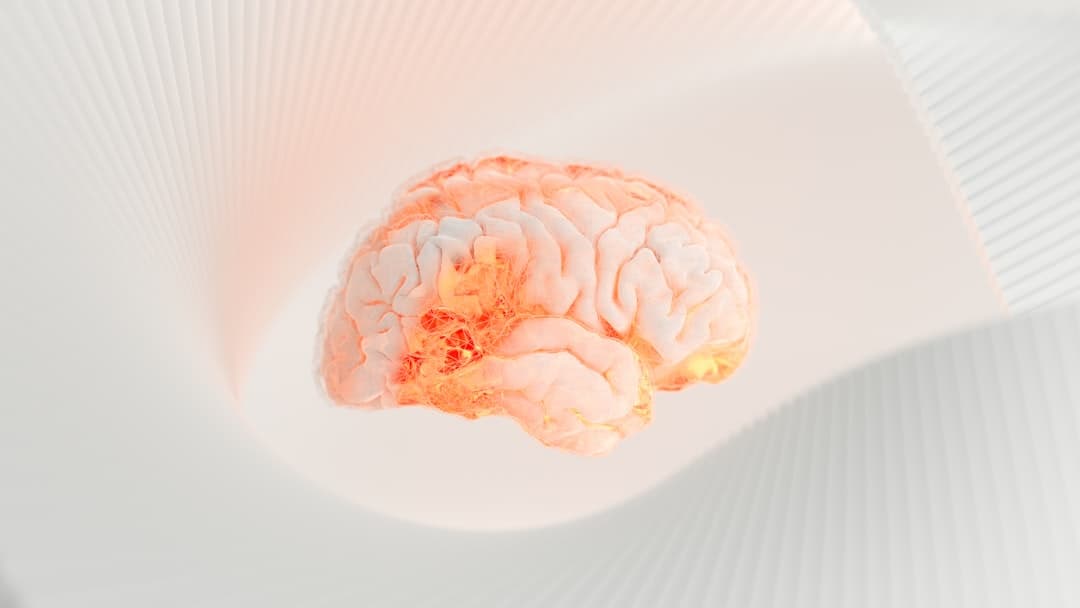
A key study highlighted is a 2017 fMRI investigation from Newcastle University that found unusual activation patterns when people with misophonia heard trigger sounds. The anterior insular cortex, a region involved in integrating emotions with body sensations, showed heightened activity. The argument is that the brain is not simply hearing the sound, it is experiencing it as a bodily-emotional event. You can read more about this study in the journal article, The Brain Basis for MisophoniaTrusted Source.
The amygdala also enters the story as the brain’s alarm system. The video uses a fire alarm analogy: once it goes off, it is hard to ignore. In this framing, trigger sounds can be treated by the brain like immediate threats, even when the person logically knows they are not.
Then there is the prefrontal cortex, the part often associated with impulse control and rational regulation. The perspective here is that the threat response can arrive so fast that it “overrides” the calmer, more deliberative control systems. In everyday terms, you can know you are safe and still feel flooded.
What the research shows: In the Newcastle fMRI work, trigger sounds were linked with heightened activity and connectivity in networks involved in emotion processing and salience, supporting the idea that misophonia is not “just annoyance.” See Kumar et al., 2017Trusted Source.
One quote from lead researcher Dr. Sukhbinder Kumar is used to emphasize timing: the threat system may activate before a person can consciously process the sound, which helps explain why reactions can feel instantaneous and hard to control.
This view does not mean the sound is objectively dangerous. It suggests the brain is tagging it as dangerous.
And that difference changes how you approach solutions.
Is misophonia a “real disorder” if it is not in the DSM?
This is where the video takes a nuanced stance.
Misophonia is not currently an official diagnosis in the DSM, the manual commonly used for mental health diagnoses in the United States. But the discussion argues that “not in the DSM” does not equal “not real.” It also points out that the DSM is a starting point, not a complete map of every meaningful human difficulty.
This matters for two reasons. First, it can reduce shame. Second, it can help people pursue support without feeling like they need a perfect label before they deserve help.
From a research standpoint, misophonia has been increasingly described and studied, including proposed diagnostic criteria and measurement tools. A helpful overview for lay readers is the National Library of MedicineTrusted Source database, which includes growing misophonia literature.
The video also emphasizes spectrum thinking. Some people have mild symptoms. Others have severe impairment.
That spectrum model is important in productivity settings. You might not identify with “rage,” but still notice that certain sounds reliably derail your focus and spike stress.
Why misophonia often overlaps with ADHD, OCD, and sensory processing
The video draws a practical connection: many people who report misophonia symptoms also report ADHD, OCD, or sensory processing differences. The argument is not that these conditions “cause” misophonia, but that shared features, like sensory filtering challenges and heightened reactivity, may increase vulnerability.
ADHD and misophonia: filtering and hyperfocus
In this framing, ADHD is linked to difficulty filtering background stimuli. If your brain struggles to sort “important” from “unimportant,” repetitive noises can become impossible to ignore.
The example given is a classroom scenario where pen clicking hijacks attention. The ADHD brain may lock onto it, and that attentional capture can build irritation quickly.
For readers who want a reputable overview of ADHD features, including attention regulation and sensory sensitivities some people report, the CDC’s ADHD resourceTrusted Source is a solid starting point.
OCD and misophonia: distress, control, and rituals
OCD is described as involving intrusive thoughts and compulsions. The overlap proposed here is that certain sounds can become a focus of distress, and the person may feel compelled to escape, neutralize, or “cancel out” the discomfort.
A concrete example from the video is slurping soup leading to an overwhelming need to leave the room, or to perform a small ritual (like tapping) to reduce distress.
For a high-quality clinical overview of OCD, see the National Institute of Mental Health OCD pageTrusted Source.
Sensory processing disorder and misophonia: when sound feels painful
Sensory processing disorder (SPD) is described as difficulty processing and responding to sensory input. In the video’s example, a child may cover their ears or scream when hearing chewing, not because they are being defiant, but because their nervous system experiences the input as overwhelming.
The key point is that misophonia can look like a subset of auditory hypersensitivity, where specific sounds trigger a fight-or-flight response.
Even if you do not have a formal SPD diagnosis, you may recognize the pattern: some sounds are not merely distracting, they feel like an intrusion.
Comparing management options: what helps, and the trade-offs
There is no single “cure” presented here. Instead, the video offers a menu of strategies, and the analytical takeaway is that each option has benefits and trade-offs.
Some approaches reduce exposure. Others aim to change the brain’s response. Many people use a combination.
Below is a comparison-oriented guide based on the video’s toolkit.
CBT-style reframing: changing the meaning your brain assigns
Cognitive behavioral therapy (CBT) is described as helping people shift thoughts and emotional reactions. The key move is not pretending the sound is pleasant, it is reducing the threat charge.
A specific reframe from the video is:
“I can’t stand this,” becomes, “This sound is unpleasant, but I know I can manage it.”
That sounds small, but it changes the internal forecast. “I can’t stand this” predicts danger and helplessness. “I can manage it” predicts coping.
Trade-off: CBT-style work can take time, and it often works best with a trained therapist, especially if triggers cause intense panic or rage. If you are curious about CBT as a general approach, the American Psychological Association overview of CBTTrusted Source is a useful primer.
Sound masking: fast relief, but not always feasible
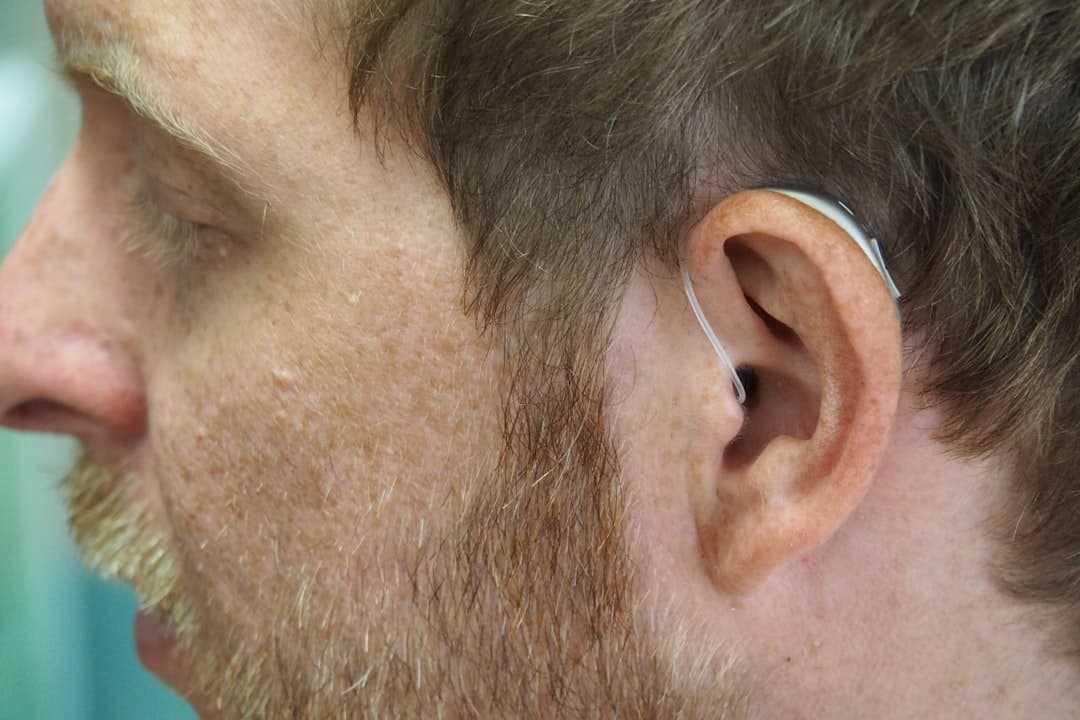
White noise, earplugs, and noise-canceling headphones are presented as some of the simplest immediate tools.
The logic is straightforward: reduce the trigger signal so the brain is less likely to go into overdrive.
Trade-off: masking can be socially tricky, especially in meetings, shared meals, or parenting situations where you need to hear what is going on. Some people also find that blocking sound increases sensitivity when the protection is removed, although experiences vary.
Pro Tip: If you need to stay engaged but reduce intensity, try a “middle ground” approach first, such as earplugs designed to lower volume without fully blocking speech. Then adjust based on the setting and safety needs.
Exposure therapy: building tolerance carefully
Exposure therapy is described as gradual, controlled exposure to trigger sounds in a low-stress environment.
The video highlights an important trade-off. Avoidance can bring short-term relief, but it may increase long-term sensitivity for some people. Controlled exposure, done safely, aims to teach the brain that the sound is not an emergency.
Trade-off: exposure can backfire if done too fast or without coping supports. If you are considering this, it is typically safest with a licensed mental health professional who understands anxiety and sensory triggers.
Mindfulness and relaxation: lowering the baseline alarm state
Because misophonia is framed as a fight-or-flight response, calming the nervous system is treated as a practical target.
Mindfulness is described as noticing reactions without judgment, and responding earlier, before escalation.
The video offers several concrete techniques:
Trade-off: these skills may not stop the trigger instantly, especially in severe misophonia. But they can increase recovery speed and reduce overall reactivity over time.
Neuromodulation: promising, early, and unevenly available
The video takes a curious, exploratory turn into neuromodulation, asking whether we can “rewire” the misophonic response.
Techniques mentioned include transcranial magnetic stimulation (TMS) and vagus nerve stimulation (VNS), with the idea that altering brain activity might reduce hyperreactivity in regions like the anterior insular cortex.
Trade-off: evidence is still emerging, access varies by location, and these interventions are not specifically established as standard misophonia treatments. If you are considering any neuromodulation approach, it is important to discuss risks, benefits, and alternatives with a qualified clinician.
For background on TMS as a regulated medical treatment for certain conditions (not specifically misophonia), see the National Institute of Mental Health information on brain stimulation therapiesTrusted Source.
What you can do today: a practical “tool belt” plan
This section in the video is intentionally grounded. The message is: you deserve tools you can use now, not only future research.
Here is a practical plan that keeps the video’s spirit, focusing on feasibility and trade-offs.
A quick “right now” toolkit (when you are already triggered)
Short-term tools are not a character flaw. They are accommodations.
»MORE: Consider making a one-page “Misophonia Plan” for yourself, listing your top 5 triggers, early warning signs (jaw tension, heat, racing heart), and your fastest calming tools. Bring it to therapy, or share it with a trusted person.
Build resilience so triggers hit less hard
The video argues that misophonia is worse when you are already stressed, anxious, or depleted. It uses a “poker chip” analogy: you wake up with a certain number of chips, and every stressor costs chips. The goal is to start the day with as many chips as possible.
That means basics, not biohacks.
This is not about blaming you for being triggered. It is about giving your nervous system a better starting point.
Communicate with people, without turning it into a battle
A standout practical point is communication. If people do not know your triggers, they cannot help.
The video gives a simple example: if a friend hates pen clicking, you can stop clicking. It costs you nothing, and it protects their nervous system from spiraling.
Here are ways to communicate that tend to reduce defensiveness:
Trade-off: not everyone will accommodate you, and you cannot control other people. But giving trusted people a chance to help can reduce isolation and conflict.
Key Takeaways
Frequently Asked Questions
- Is misophonia just being annoyed by sounds?
- This video’s perspective is that misophonia is often more than annoyance, it can be an automatic fight-or-flight reaction to specific trigger sounds. Brain imaging research suggests differences in how sound and emotion networks respond, which may help explain why it feels so intense.
- What sounds commonly trigger misophonia?
- Common triggers discussed include chewing, sniffing, breathing, lip smacking, tapping, and pen clicking. Triggers vary by person, and intensity can range from mild irritation to panic or rage.
- Can CBT help with misophonia?
- CBT may help some people by reducing the threat meaning attached to trigger sounds and building coping strategies. The goal is not to pretend the sound is pleasant, but to shift from “I can’t stand this” to “This is unpleasant, but I can manage it,” ideally with professional support if symptoms are severe.
- Do earplugs or white noise actually work?
- Sound masking tools like earplugs, white noise, fans, or noise-canceling headphones can reduce exposure and may provide fast relief. The trade-off is that they are not always practical in social settings, and some people prefer partial reduction rather than full blocking so they can still communicate.
- Is misophonia officially recognized as a disorder?
- Misophonia is not currently an official DSM diagnosis, but that does not mean it is not real or impactful. Research interest is growing, and many clinicians treat the symptoms seriously, especially when they impair daily life.
Get Evidence-Based Health Tips
Join readers getting weekly insights on health, nutrition, and wellness. No spam, ever.
No spam. Unsubscribe anytime.