Rethinking Alcohol: A Hidden Cultural Norm in Elderly Health
Summary
In a brief yet impactful discussion, the expert challenges the cultural norm of alcohol consumption, labeling it as a detrimental practice, especially for the elderly. The expert advocates for alternative methods to achieve relaxation and social comfort, emphasizing that alcohol is essentially a poison. This perspective aligns with research indicating the profound impact of cultural norms on health behaviors, underscoring the need for a reevaluation of alcohol's role in society.
Introduction: Challenging Cultural Norms
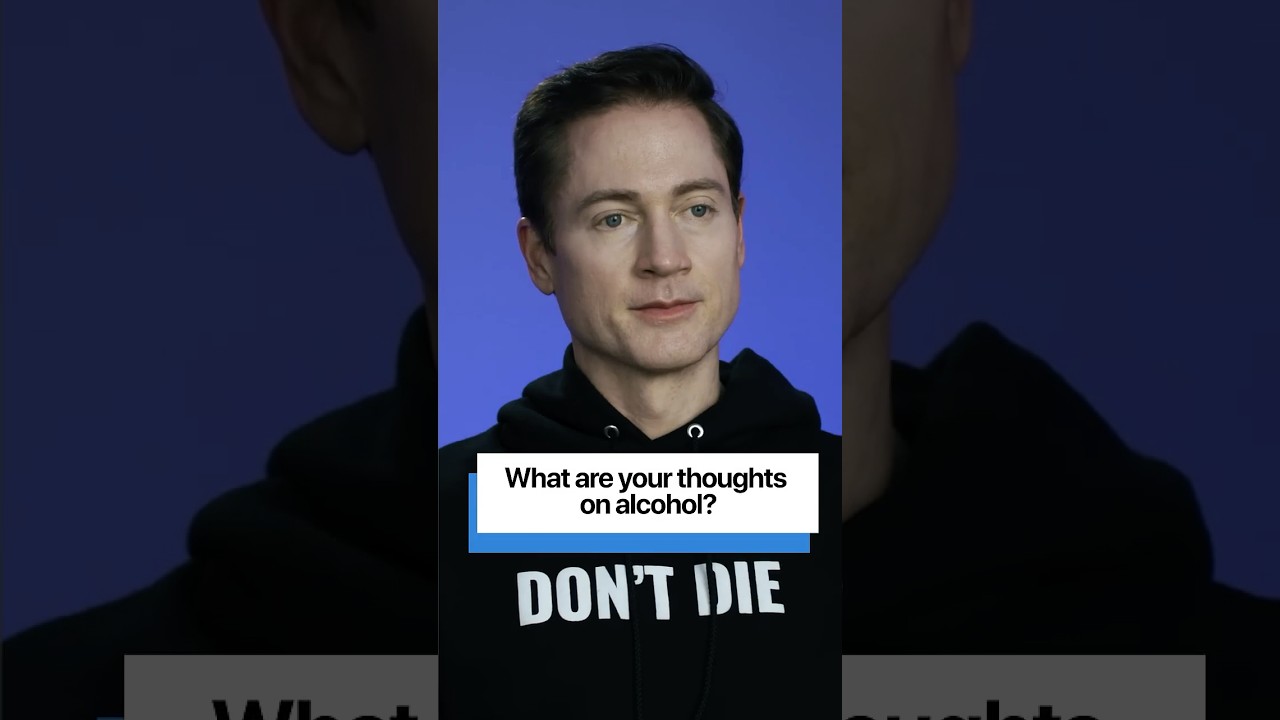
In modern society, alcohol consumption has become a norm that many accept without question. The expert in the video challenges this perspective, asserting that alcohol is a poison that has slipped into our culture almost unnoticed. This viewpoint urges us to reconsider how deeply ingrained habits and practices can impact health, especially in the elderly.
Alcohol as a Cultural Phenomenon
Alcohol's presence in social gatherings and its role as a social lubricant is well-documented. This cultural acceptance often leads to the normalization of its consumption, even among the elderly, who may be more susceptible to its adverse effects. The expert highlights how this norm developed over time, becoming a default option for relaxation and socialization.
According to research on culture and acculturation, cultural norms significantly shape health behaviors. This includes the widespread acceptance of alcohol as a benign part of social life, even though its consumption can have serious health implications.
Health Implications of Alcohol in the Elderly
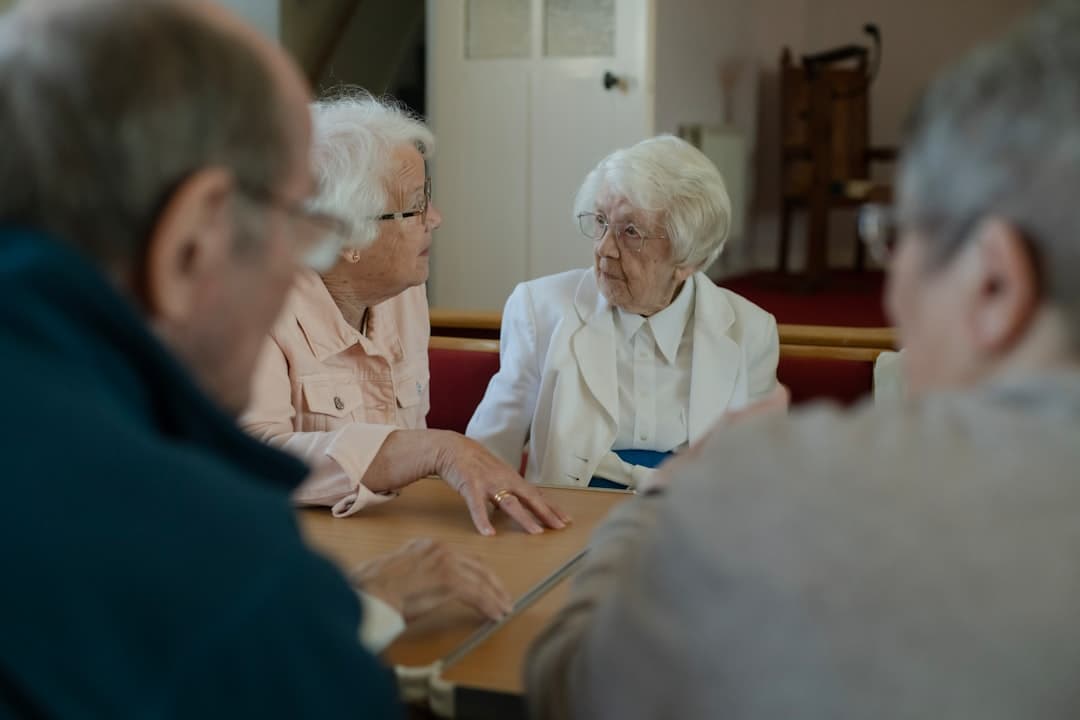
For the elderly, alcohol consumption can exacerbate existing health conditions. It may interact with medications, increase the risk of falls, and contribute to cognitive decline. The expert in the video underscores these risks, advocating for a reevaluation of alcohol's role in elderly health.
While some might argue that moderate alcohol consumption might have certain health benefits, it's crucial to weigh these against the potential harm, particularly in older adults. As the research on the psychological aspects of health suggests, the impact of cultural practices on physical and psychological health cannot be underestimated.
Alternative Ways to Relax and Socialize
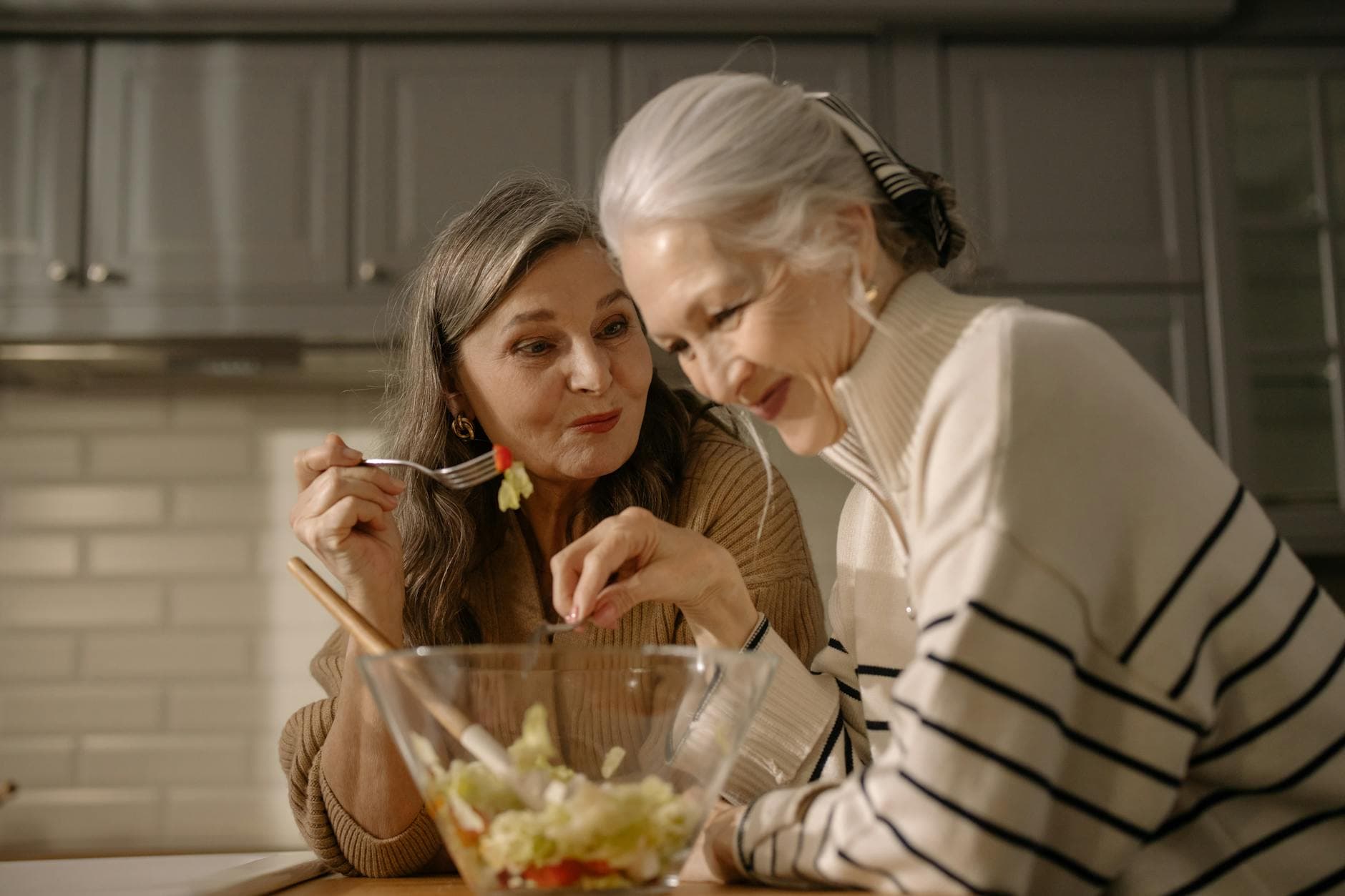
The expert suggests exploring alternative methods for achieving relaxation and social comfort. Activities such as meditation, exercise, and engaging in hobbies can be effective substitutes for alcohol. These alternatives not only promote physical health but also offer psychological benefits without the risks associated with alcohol.
Meditation and Mindfulness
Meditation can help reduce stress and improve mental health. It encourages a state of relaxation and awareness, which can be more beneficial than the temporary effects of alcohol.
Social Activities
Engaging in group activities or clubs can provide the social interaction many seek through alcohol. These settings encourage meaningful connections without the need for alcohol as a social facilitator.
Research Insights into Cultural Influence
The influence of culture on health behaviors is well-documented. Studies have shown that cultural norms can dictate health practices, often leading individuals to make decisions based on societal expectations rather than personal health needs. This research underscores the expert's point that the acceptance of alcohol as a norm needs critical examination.
Did you know? Cultural norms can have a more significant impact on health behaviors than individual preferences or knowledge.
Common Mistakes in Perceiving Alcohol's Role
A common mistake is assuming that alcohol is necessary for socialization or relaxation. Many individuals may not realize the extent to which they've internalized this belief. The expert encourages challenging these assumptions and exploring healthier alternatives.
Important: Don't assume that what's culturally accepted is always beneficial for health.
Expert Recommendations
The expert advocates for reducing alcohol consumption, especially among the elderly, and advises seeking healthier alternatives for relaxation and socialization. This recommendation is supported by research and aligns with broader health goals for aging populations.
"Alcohol is poison, and we should be mindful of its impact, especially in later life." - The Expert
Key Takeaways
By understanding the complexities around alcohol consumption and its cultural implications, especially in the context of elderly health, we can make more informed decisions that prioritize well-being over tradition.
Sources & References
Frequently Asked Questions
- What are the health risks of alcohol for the elderly?
- Alcohol can increase the risk of falls, interact with medications, and contribute to cognitive decline in the elderly.
- Why is alcohol considered a cultural norm?
- Alcohol has become a cultural norm due to its long-standing role in social gatherings and its perceived benefits as a social lubricant.
- What are some alternatives to alcohol for relaxation?
- Alternatives include meditation, exercise, and engaging in social activities or hobbies.
- How do cultural norms affect health behaviors?
- Cultural norms can dictate health practices, often leading individuals to make decisions based on societal expectations rather than personal health needs.
- What does the expert recommend regarding alcohol consumption?
- The expert recommends reducing alcohol consumption and exploring healthier alternatives for relaxation and socialization.
Get Evidence-Based Health Tips
Join readers getting weekly insights on health, nutrition, and wellness. No spam, ever.
No spam. Unsubscribe anytime.